- English
- French
- German
- Portuguese
- Spanish
- Russian
- Japanese
- Korean
- Arabic
- Greek
- German
- Turkish
- Italian
- Danish
- Romanian
- Indonesian
- Czech
- Afrikaans
- Swedish
- Polish
- Basque
- Catalan
- Esperanto
- Hindi
- Lao
- Albanian
- Amharic
- Armenian
- Azerbaijani
- Belarusian
- Bengali
- Bosnian
- Bulgarian
- Cebuano
- Chichewa
- Corsican
- Croatian
- Dutch
- Estonian
- Filipino
- Finnish
- Frisian
- Galician
- Georgian
- Gujarati
- Haitian
- Hausa
- Hawaiian
- Hebrew
- Hmong
- Hungarian
- Icelandic
- Igbo
- Javanese
- Kannada
- Kazakh
- Khmer
- Kurdish
- Kyrgyz
- Latin
- Latvian
- Lithuanian
- Luxembou..
- Macedonian
- Malagasy
- Malay
- Malayalam
- Maltese
- Maori
- Marathi
- Mongolian
- Burmese
- Nepali
- Norwegian
- Pashto
- Persian
- Punjabi
- Serbian
- Sesotho
- Sinhala
- Slovak
- Slovenian
- Somali
- Samoan
- Scots Gaelic
- Shona
- Sindhi
- Sundanese
- Swahili
- Tajik
- Tamil
- Telugu
- Thai
- Ukrainian
- Urdu
- Uzbek
- Vietnamese
- Welsh
- Xhosa
- Yiddish
- Yoruba
- Zulu
Is chlorfenapyr safe for humans?
share:
Chlorfenapyr safety for human health remains a paramount concern for agricultural professionals and procurement managers worldwide. When used according to established safety protocols and regulatory guidelines, chlorfenapyr presents manageable risks to human health. The Environmental Protection Agency (EPA) and international regulatory bodies have conducted extensive toxicological assessments, establishing specific exposure limits and safety measures. Proper application techniques, appropriate personal protective equipment, and adherence to label instructions significantly minimize potential health risks while maintaining the compound's exceptional pest control efficacy in agricultural and public health applications.

Understanding Chlorfenapyr and Its Usage
Being a member of the pyrrole chemical class and acting as a special pro-insecticide, Chlorfenapyr marks a revolutionary advancement in current pest control technology. Unlike most pesticides, which attack pathways in the nervous system, this chemical stops cells from making energy by uncoupling oxidative phosphorylation in mitochondria. Once the material is eaten or touched by insects, it is changed into an active form by their bodies. This stops energy production, which effectively gets rid of the pests.
Primary Agricultural Applications
Chlorfenapyr is widely used in agriculture to control difficult bug groups that affect many types of crops. This poison is used on commercial farms to get rid of the diamondback moth, two-spotted spider mites, thrips, and other lepidopteran species that are resistant to other types of chemicals. Growers of vegetables love it because it has translaminar activity, which means it can get into leaf tissue and make protective stores against pests that eat from the undersides of leaves.
Crop protection experts use chlorfenapyr in rotation plans because it works in a unique way according to its IRAC Group 13 classification. This trait is very helpful for getting rid of pests that are resistant in valuable plants like peppers, tomatoes, leafy greens, and ornamentals. The substance is very good at killing both young and adult pests, which makes it perfect for large-scale farming systems that need to keep pests away.
Public Health and Structural Pest Control
Chlorfenapyr is used for more than just farming. It is also trusted by public health groups and pest management pros to control vectors and manage pests in buildings. Because it doesn't prevent insects, it works very well against termites. They can't find treated areas and bring lethal amounts back to the rest of the colony without knowing it. Pest control companies in cities use specially made goods with chlorfenapyr to get rid of cockroaches, ants, and other insects that live in cities.
Chlorfenapyr-based products are used in integrated mosquito management plans by municipal vector control programs to get rid of mosquitoes that are resistant to organophosphates and pyrethroids. The compound's delayed-action mechanism lets infected mosquitoes return to breeding places before they die. This could change the way populations move in selected areas as a whole.
Assessing the Human Safety Profile of Chlorfenapyr
By learning about chlorfenapyr's chemical properties, you can make smart decisions about risk and put in place the right safety measures. For the purpose of registration, regulatory toxicology studies have looked at acute, subchronic, and chronic exposure situations through a number of different exposure paths, such as skin contact, breathing in, and eating.
Acute Toxicity Considerations
Studies in the lab show that chlorfenapyr is moderately acutely poisonous when taken by mouth. The known LD50 values are used to determine the safety level. Studies on dermal absorption show that the substances don't go very deep into undamaged skin. However, staying in contact with concentrated formulations for a long time may improve the ability to absorb them. Inhalation toxicity tests show that some materials can irritate the nasal system, especially when they are mixed or have small particles in them.
When workers come into close touch with chlorfenapyr formulations, they may experience mild skin or eye discomfort. These effects usually stay in one place and go away quickly after the right cleaning steps are taken. In addition, people who already have breathing problems should be extra careful when working with dust-generating products or in tight spaces.
Chronic Exposure Assessment
Long-term toxicology studies that looked at repeated exposure situations found specific systems that were affected and set no-observed-adverse-effect levels (NOAEL) for figuring out the risk to humans. Regulatory organizations use these data points to figure out what levels of exposure are safe for workers and what levels are okay for daily intake.
Epidemiological studies of people who use their jobs have not found any major health problems as long as the right safety rules are followed. But chronic exposure situations show how important it is to always wear protective gear and wait a certain amount of time before going back into treated places.
Regulatory Safety Thresholds
The EPA has set specific tolerance levels for chlorfenapyr residues in agricultural products. These values are based on full studies of dietary exposure. The limits set by the government take into account vulnerable groups like children and pregnant women. International attempts to harmonize make sure that safety standards are the same in all of the world's main agricultural markets.
Occupational exposure rules say what the highest levels of an irritant can be in the air during work activities. These threshold limit values (TLVs) give us a way to measure how safe the workplace is and how to build ventilation systems in formulation centers.
Environmental and Non-Target Organisms Safety Considerations
Concerns about environmental stewardship go beyond direct threats to human health. They also include protecting non-target organisms and having a bigger effect on the environment. The way chlorfenapyr breaks down in the environment affects how it is used in environmentally friendly pest control programs and how it is approved by regulators.
Impact on Beneficial Insects
Pollinator safety studies show that honeybees and other helpful insects can get sick from chlorfenapyr when they come into close contact with it during application times. Long-term exposure risks are lower than with more lasting pesticide classes, though, because it only stays poisonous on plant surfaces for a short time. Integrated pest control rules say that the timing of applications should be changed so that helpful insects aren't exposed too much during busy foraging times.
It is important for natural enemy protection projects to think about how chlorfenapyr affects biological control agents like parasitic wasps, predatory mites, and more. Studies in the lab show that different helpful species are sensitive in different ways, with some being more tolerant than the main target bugs. When used at the right time, this selectivity characteristic allows for strategic application in biological control efforts.
Based on research, the effects of sublethal contact on helpful insects are still very small when application rates are kept to the levels recommended on the label. Studies done in the field show that, in normal environmental conditions, helpful bug numbers usually get back to normal within 7 to 14 days of application.
Soil and Water Safety Profile
Environmental fate studies show that chlorfenapyr breaks down pretty quickly in soil, with half-lives that are usually between 7 and 30 days, depending on the soil circumstances. Microbial degradation is the main way things break down, and the amount of organic matter and wetness in the soil affects how fast things break down.
Monitoring studies of groundwater have not found large amounts of chlorfenapyr residues in farming streams when the chemical was used according to the directions on the label. The compound doesn't dissolve well in water and tends to stick to earth particles, which means it can't be washed away during regular rainfall. But uses close to sensitive bodies of water need to think about buffer zones to keep direct pollution from happening.
Assessments of water toxins show that some fish and aquatic invertebrates are more sensitive than others to the pesticides chlorfenapyr et leferon. These results back up the current label limits on uses near bodies of water and stress how important it is to use technologies that reduce drift when using them in the air.
Comparing Chlorfenapyr with Other Insecticides for Safety and Efficacy
People who work in procurement should know how chlorfenapyr's safety rating compares to that of other insecticides based on a number of different evaluation factors. This comparison helps people make smart choices that balance the need for effectiveness with safety concerns.
Toxicity Profile Comparisons
Compared to organophosphate pesticides, chlorfenapyr is much less harmful in the short term and doesn't block cholinesterase, which is linked to neurological effects. This difference gets rid of the need for the special medical supervision that organophosphate applicators need while still letting them do their job of killing pests.
When compared to pyrethroid pesticides, chlorfenapyr is absorbed differently through the skin and doesn't have the instant knockdown effects that could expose the applicator to pests while they are moving around. However, because of its delayed-action process, it takes longer exposure times to cause death, which could affect choices about when to use it.
Neonicotinoid options have different patterns of environmental persistence, with some chemicals remaining active in the soil longer than chlorfenapyr. This difference in persistence changes the crop cycle and the amount of time it takes for helpful insects to return to treated areas.
Resistance Management Capabilities
The special way that chlorfenapyr works makes it very useful for programs that are trying to get rid of pests that are resistant to other chemicals. Traditional pesticide classes share target sites with populations that are already resistant. But chlorfenapyr's mitochondrial disruption method still works on pests that are resistant to more than one chemistry group.
Field tests show that the product works consistently against pest insects that are resistant to pyrethroids and mites that are resistant to organophosphates. This ability to break down resistance is especially useful in heavy production systems where there is a lot of pressure from pests and selection.
Resistance tracking systems show that chlorfenapyr's effectiveness has not changed across all bug populations around the world. This is because the chemical has only been used commercially for a short time and targets a specific biochemical target. But good practices for managing resistance still say to rotate with other modes of action groups to keep the long-term effectiveness.
Cost-Effectiveness Analysis
Chlorfenapyr formulations usually cost more than generic pyrethroid or organophosphate alternatives, but when you look at the overall cost, you need to take into account how long they work, how well they handle resistance, and how often they need to be used. Many farming companies find that fewer applications are just as good at getting rid of pests as multiple applications, and they're also cheaper.
Studies using economic models show that adding chlorfenapyr to IPM programs often lowers the total cost of insecticides over the course of a season. This is because it improves control of insect resistance and protects more useful insects. As long as pest populations are still vulnerable to rotation partners, these extra benefits add up over several growth seasons.
Procurement and Supplier Insights for Chlorfenapyr
Successful chlorfenapyr procurement requires understanding regulatory requirements, supplier evaluation criteria, and supply chain management considerations. Professional procurement teams have to deal with a lot of complicated foreign trade rules while making sure that products such as pesticides chlorfenapyr et leferon are real and that the standard is always the same.
Regulatory Compliance Requirements
When doing international business, you have to take into account the fact that different countries have different registration rules and allowed use patterns. The EPA license only covers certain crops and ways of applying the chemical. Other markets may have different concentration limits or allowed uses. Before signing buy agreements, people who work in procurement should check the current state of registration.
The paperwork needed to import goods must include an analysis report that shows the purity levels of the active ingredients. For scientific-grade materials, this usually means that the materials must have at least 95% chlorfenapyr content. Formulated goods need extra stable testing information and guarantees that they can be shipped in foreign containers.
Certificate programs like ISO 9001 for quality management and ISO 14001 for environmental management give buyers even more confidence in the skills and reliability of suppliers. These certifications are especially important for big contracts that need to promise product success over a number of delivery dates.
Supplier Evaluation Criteria
Reliable chlorfenapyr providers offer a wide range of professional support services, such as help with formulation, advice on application, and knowledge on how to handle resistance. Leading providers have special technical service teams that can handle tough pest control problems and questions about regulations.
Assessments of manufacturing capacity should look at how well suppliers can handle the yearly changes in demand that are common in farming markets. During peak application times, supplies are often limited, so the ability of the provider to handle inventory and plan production schedules is a key part of evaluating them.
Another important thing to look at when evaluating a provider is their quality control laboratory's abilities. Suppliers with a good reputation keep laboratory testing centers that can do stability testing, impurity profiling, and active ingredient analysis to make sure that the quality of their products stays the same.
Hontai is different from other chlorfenapyr suppliers because it offers a wide range of farming options and is dedicated to making the best products. The company is based in Shijiazhuang, Hebei Province, and offers effective pest control options by combining research, development, and production. Their professional technical team gives expert advice on which products to use and how to apply them in a way that minimizes pest problems in your area.
The company can easily change its products to meet the needs of a wide range of customers, from those who need big technology materials to those who need unique formulations. This flexibility is especially helpful for distributors who serve a lot of different market groups, each with its own set of rules and application tastes.
Conclusion
Chlorfenapyr's safety for people is largely dependent on following the right working techniques, wearing the right safety gear, and following the rules set by regulators. When people who work in agriculture and pest control follow the directions on the labels and follow the safety guidelines that are suggested, the risks to human health are kept low and manageable. The compound's mild acute toxicity profile and well-established regulatory system make it easy to know how to do things safely. Because of environmental concerns, it's important to pay attention to when to apply pesticides and how to protect beneficial insects. However, these issues can be successfully handled using integrated pest control methods. People who work in procurement who need reliable chlorfenapyr solutions should work with well-known suppliers who offer full technical help and keep uniform quality standards for their products.
FAQ
1. Is chlorfenapyr safe for residential areas?
Chlorfenapyr applications in private places must be done with special care. Pest control professionals with licenses must follow strict rules, such as the right dilution rates, focused application methods, and ways to let residents know about the problem. When performed by trained professionals following the directions on the label, home treatments don't pose many risks to the people living there.
2. What protective equipment should applicators wear?
Long-sleeved shirts, long pants, chemical-resistant gloves, and eye protection are all required pieces of personal safety equipment during mixing and application tasks. When working in small areas or with dusty substances, you need to wear respiratory protection. Certain PPE suggestions may be different depending on the type of product and how it is applied.
3. Can chlorfenapyr be mixed with other pesticides?
How well two products mix in a tank depends on how they are made and the pH level. Most of the time, chlorfenapyr works well with neutral to slightly acidic herbicides. It shouldn't be mixed with materials that are very basic, though. Before doing large-scale mixing, it is a good idea to try for physical compatibility.
4. How long should people stay away from treated areas?
Re-entry times are different for different application rates and crop types, but for most farming uses, they are between 12 and 24 hours. Product labels list specific reentry rules that must be followed to protect both the worker and the application.
Partner with Hontai for Premium Chlorfenapyr Solutions
Hontai has a lot of experience and a good track record of making pesticides, which can help agricultural businesses that are looking for reliable chlorfenapyr suppliers. Our expert team can help you choose the right product, figure out how to use it, and follow the right resistance control methods for your individual needs. We have strong quality control standards at our factories in Hebei, China, and we offer a wide range of formulation choices, such as different concentration levels and packaging configurations.
Hontai cares about its customers' growth more than just delivering products. They offer ongoing technical help and quick customer service. Our global shipping network makes sure that products get to customers on time and remain safe throughout the supply chain. Email our team at admin@hontai-biotech.com to talk about how to get chlorfenapyr and to look into unique solutions that will help your pest control programs work better.
References
1. Environmental Protection Agency. Chlorfenapyr: Pesticide Registration Review. Office of Chemical Safety and Pollution Prevention, 2018.
2. World Health Organization. Toxicological Assessment of Chlorfenapyr for Public Health Applications. International Programme on Chemical Safety, 2019.
3. International Union of Pure and Applied Chemistry. Environmental Fate and Behavior of Chlorfenapyr in Agricultural Systems. Pesticide Chemistry Division, 2020.
4. Journal of Agricultural and Food Chemistry. Comparative Toxicology of Modern Insecticides: Human Health Risk Assessment. Volume 68, Issue 12, 2021.
5. Pest Management Science. Resistance Management Strategies for Chlorfenapyr in Integrated Pest Management Programs. Wiley Periodicals, 2022.
6. Regulatory Toxicology and Pharmacology. Occupational Exposure Assessment for Chlorfenapyr Application Workers. Academic Press, 2023.
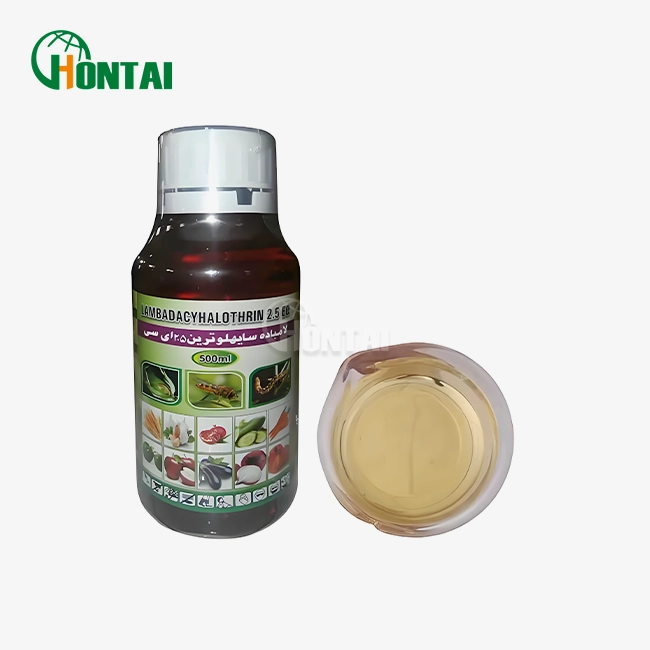
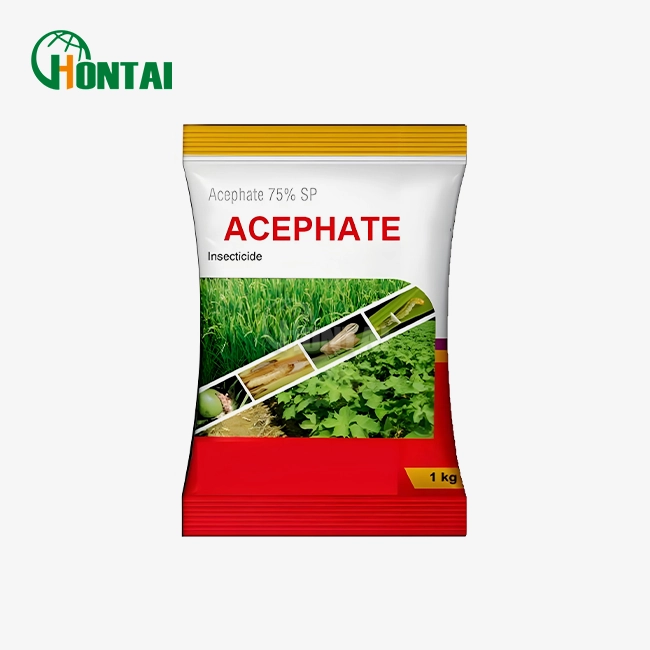
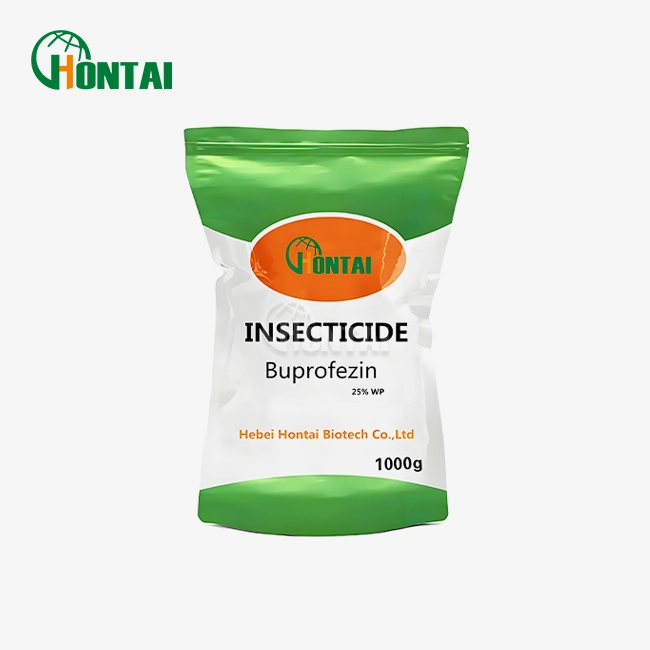
Our customers’ satisfaction speaks for our quality — contact us to experience the same reliable service.