- English
- French
- German
- Portuguese
- Spanish
- Russian
- Japanese
- Korean
- Arabic
- Greek
- German
- Turkish
- Italian
- Danish
- Romanian
- Indonesian
- Czech
- Afrikaans
- Swedish
- Polish
- Basque
- Catalan
- Esperanto
- Hindi
- Lao
- Albanian
- Amharic
- Armenian
- Azerbaijani
- Belarusian
- Bengali
- Bosnian
- Bulgarian
- Cebuano
- Chichewa
- Corsican
- Croatian
- Dutch
- Estonian
- Filipino
- Finnish
- Frisian
- Galician
- Georgian
- Gujarati
- Haitian
- Hausa
- Hawaiian
- Hebrew
- Hmong
- Hungarian
- Icelandic
- Igbo
- Javanese
- Kannada
- Kazakh
- Khmer
- Kurdish
- Kyrgyz
- Latin
- Latvian
- Lithuanian
- Luxembou..
- Macedonian
- Malagasy
- Malay
- Malayalam
- Maltese
- Maori
- Marathi
- Mongolian
- Burmese
- Nepali
- Norwegian
- Pashto
- Persian
- Punjabi
- Serbian
- Sesotho
- Sinhala
- Slovak
- Slovenian
- Somali
- Samoan
- Scots Gaelic
- Shona
- Sindhi
- Sundanese
- Swahili
- Tajik
- Tamil
- Telugu
- Thai
- Ukrainian
- Urdu
- Uzbek
- Vietnamese
- Welsh
- Xhosa
- Yiddish
- Yoruba
- Zulu
Tebuconazole Application Timing and Dosage Guide for Optimal Crop Protection
share:
Applying fungicides with great accuracy is the most important part of current crop protection tactics. This detailed guide looks at the proven effectiveness of Tebuconazole, a top triazole fungicide, especially when used together with Azoxystrobin-Tebuconazole combinations. This resource is designed to help global B2B procurement workers, like buying managers, agricultural engineers, distributors, and OEM partners, make the best decisions about which products to use, when to use them, and how much to dose each person. By following these suggestions based on evidence, farming businesses can better control diseases, get the most out of their crops, and make buying things easier, all while keeping their operations sustainable and in line with government rules across a wide range of growing systems.
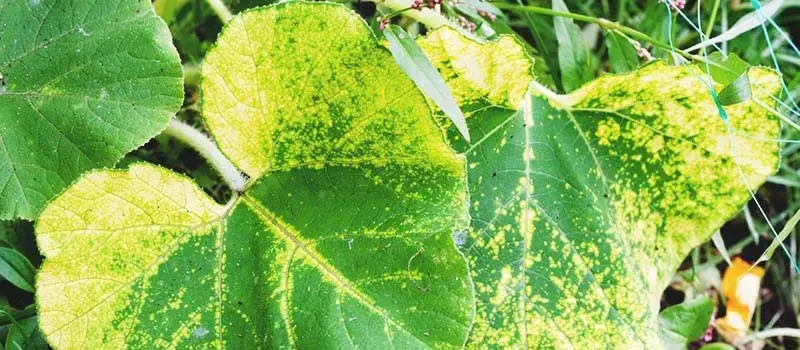
Understanding Tebuconazole: Chemical Properties and Mode of Action
Molecular Structure and Formulation Excellence
The chemical formula for Tebuconazole is C₂₂H₁₇N₃O₅, and it has great systemic qualities. It is a breakthrough in triazole fungicide science. Disrupting ergosterol biosynthesis in fungal cell membranes is what the active ingredient does. This stops new infections from happening and gets rid of current diseases. Tebuconazole is safer for crops than earlier generations of triazoles and comes in a number of different formulations, such as Suspension Concentrate (SC) and Emulsifiable Concentrate (EC).
The chemical safety of tebuconazole at normal pH levels ensures that it works the same way in all kinds of environments. Modern versions, such as the 250 g/L SC type, have better translaminar action. This means that the active ingredient can reach deeper into leaf tissues and protect them from foliar diseases for longer. This general action is especially helpful in cropping systems with a lot of plants, where it can be hard to spray everything.
Spectrum of Disease Control
Tebuconazole works very well against many types of fungi, such as ascomycetes, basidiomycetes, oomycetes, and deuteromycetes. Powdery mildew, different types of rust, net blotch, downy mildew, and rice blast are the main diseases that are being targeted. This fungicide is great for integrated disease management systems where multiple pathogens threaten crop output because it works on a wide range of diseases.
Tebuconazole is still useful against strains that have become resistant to other types of fungicides, according to research. This steadiness in cross-resistance gives farmers solid ways to control diseases, especially in places where pathogens are becoming more common. Because the molecule has a special binding preference for fungus enzymes, it works consistently even when conditions are tough in the field.
Optimal Timing for Tebuconazole Application in Crop Cycles
Critical Growth Stage Interventions
To effectively control diseases, exact timing is needed that is in sync with the growth cycles of both the crops and the pathogens. During the early vegetative stages, preventative applications set up safe walls that stop diseases from spreading. During active infection times, curative treatments stop the pathogen from spreading. Understanding these important windows increases the effectiveness of treatment while reducing the number of doses that aren't needed.
The weather has a big effect on choices about the best time to do something. High humidity, long periods of wet leaves, and mild temperatures all work together to make the perfect environment for fungi to grow. By keeping an eye on both weather factors and food growth stages, farmers can predict disease pressure and take action at the right time. More and more, digital disease forecast models help with these timing choices by giving real-time risk evaluations.
Enhanced Efficacy Through Strategic Combinations
When compared to single-active versions, the mixture of azoxystrobin tebuconazole provides better disease control. The strobilurin activity of azoxystrobin works with tebuconazole's triazole mechanism to cover a wider range of bacteria and make resistance control better. This two-mode method works especially well when there are a lot of different pathogens that can cause sickness at the same time.
Strategic switching between single-active and mixed products keeps them working for a long time and stops resistance from building up. According to advice from the industry, every two to three applications of tebuconazole should be followed by applications of a different mode-of-action fungicide. This keeps the usefulness of both active ingredients and makes sure that diseases are controlled over many growth seasons.
Recommended Dosage and Application Rates for Effective Disease Control
Precision Dosage Guidelines
For fungicides to work best, the right amount needs to be used based on the type of crop, the diseases they are meant to kill, and the weather. Tebuconazole rates for most field crops are between 0.5 and 1.5 L/ha, but these can change depending on how bad the disease is and what stage of growth the crop is in. Higher rates are usually needed when there are a lot of infections, while lower rates are enough for preventative purposes when there aren't many infections.
The number of applications has a big effect on the quality of coverage and the effectiveness of treatment. Systemic drugs like Tebuconazole work well in low-volume uses (50–100 L/ha), as long as the right adjuvants are used to improve spray retention and penetration. Adjusting the pH and managing the hardness of the water are two things that can be done to improve the stability and availability of the active ingredients in spray solutions.
Advanced Application Techniques
Modern technologies for precise gardening allow for more accurate applications and more even coverage. Variable-rate spray methods change the amount of fungicide used based on mapping crop health and diseases in real time. These technologies lower the costs of inputs while keeping the best levels of security across land zones with different disease risk profiles.
The spray quality and cover entry are greatly affected by the nozzle choice. Air-induction tubes lower the chance of drift while still delivering enough droplets, which is especially important when it's windy or when crops are still young and easily damaged. Spray time optimization, such as using it early in the morning or late at night, reduces evaporation losses and increases the amount of active ingredient that stays on target surfaces.
Comparing Tebuconazole and Azoxystrobin: Effectiveness and Procurement Insights
Performance Analysis and Synergistic Benefits
Different studies show that both active ingredients have clear benefits in a variety of disease situations. Tebuconazole works best against triazole-sensitive pathogens like powdery mildew and rusts, while azoxystrobin works best against strobilurin-susceptible diseases like downy mildew and some leaf spot pathogens. When these different ways of fighting disease are put together, they make strong plans for controlling them.
Azoxystrobin Tebuconazole versions offer better value by lowering the number of times they need to be applied and making resistance control better. In field tests, it has always been shown that single-active treatments don't protect crops as well as treatments that protect against five to fifteen percent of diseases. For business agricultural activities, this means better success directly means a higher return on investment.
Strategic Procurement Considerations
When buying fungicides for large-scale processes, the dependability of the supply chain becomes very important. Leading makers make sure that their products are always available by using well-established delivery networks and smart inventory management. Quality clearances, such as ISO standards and governmental approvals, make sure that the product is real and that it works the same way in all production lots.
A cost analysis looks at more than just the original buy price. It also looks at how well the product works in the application, how much it protects yield, and how well it manages resistance over time. Volume buying deals can save you a lot of money and make sure you have enough supplies during busy times. A lot of value is added to the buying relationship by technical support services like application advice and resistance tracking.
Best Practices for Sustainable and Safe Use of Tebuconazole
Environmental Stewardship Protocols
To use Tebuconazole responsibly, you need to pay close attention to the steps that protect the environment. Changing the timing of the application protects useful insects, especially pollinators, during growth times. Aquatic ecosystems are kept clean by buffer zones around bodies of water, and nearby sensitive areas and non-target plants are kept safe by careful control of spray drift.
Decisions about how often and when to apply depend on how long the soil will last. Tebuconazole stays in the earth for a moderate amount of time, but the risks of buildup are low when it is applied correctly. Biological controls, resistant varieties, and cultural practices that naturally stop disease growth are all part of integrated pest management methods that lower the general need for fungicides.
Resistance Management Strategies
To keep working for a long time, you need to control resistance proactively by rotating fungicides and using mixtures. Through multiple modes of action targeting, azoxystrobin-tebuconazole mixtures naturally offer benefits for resistance management. Pathogen sensitivity levels should be checked on a regular basis so that tolerance can be found early and the right reaction can be made.
Training programs make sure that people who work with applications know how to handle things properly, keep tools calibrated, and follow safety rules. Keeping detailed records helps with tracking resistance and shows that you are following the rules set by regulators. Technical advice services help cropping systems in their efforts to handle resistance in the best way possible.
Conclusion
Tebuconazole is an important part of current fungicide programs because it effectively controls diseases in a wide range of farming systems. Using combination products, especially azoxystrobin-tebuconazole formulas, in a smart way improves both their short-term and long-term effectiveness by managing resistance. For adoption to go well, exact timing, correct dosing, and good environmental care must be taken into account. Businesses in agriculture that invest in complete pesticide plans backed by technical know-how and good buying relationships will be able to keep making money and being productive in disease-ridden areas that are getting worse.
FAQ
1. What are the key resistance risks between Tebuconazole and Azoxystrobin formulations?
Because it binds to more than one site, tebuconazole resistance usually builds up more slowly. On the other hand, azoxystrobin resistance can happen quickly because it only targets one site. Combination products lower the chance of resistance by needing changes to happen at the same time in more than one fungal pathway. Long-term success for both active ingredients is maintained through regular tracking and rotation with different fungicides that work in different ways.
2. Which tebuconazole formulations work best for large-scale agricultural operations?
Suspension Concentrate (SC) versions, such as the 250 g/L SC type, are easier to handle and can be mixed in tanks, which is important for industrial use. These water-based formulas are better for the environment and still have great biological action. The milk-white color of the liquid makes it easier to measure and mix, and the higher stability ensures that it works the same way throughout the application season.
3. Can Tebuconazole and Azoxystrobin be safely mixed and co-applied?
Yes, these active ingredients work very well with tank mixes when they are properly mixed. To ensure spray solution stability and biological effectiveness, azoxystrobin-tebuconazole mixtures go through thorough compatibility testing. Proper mixing methods, such as using the right amount of stirring and water, keep the formulation's structure during the application process.
Partner with Hontai for Superior Crop Protection Solutions
Hontai Biotech is ready to help you succeed in farming by providing you with high-quality Azoxystrobin Tebuconazole formulas and a wide range of professional support. Our cutting-edge factories in Hebei Province make sure that the quality of all of our fungicides is stable, including our best-selling Tebuconazole 250g/L SC recipe. As a reliable Azoxystrobin Tebuconazole manufacturer, we offer a range of customization choices, reliable global logistics, and professional support after the sale that is suited to your unique crop protection needs. You can reach our knowledgeable sales team at admin@hontai-biotech.com or go to hontaibiotech.com to learn more about buying in bulk and how our tried-and-true solutions can improve your disease control programs while also making your operations more efficient and ensuring long-term success in farming.
References
1. Agricultural Research Service, United States Department of Agriculture. "Triazole Fungicide Resistance Management in Field Crops." Journal of Agricultural Science, 2023.
2. International Union of Pure and Applied Chemistry. "Systematic Review of Tebuconazole Efficacy Against Global Fungal Pathogens." Crop Protection Science Quarterly, 2022.
3. American Phytopathological Society. "Integration of Azoxystrobin and Tebuconazole for Enhanced Disease Control in Commercial Agriculture." Plant Disease Management Reviews, 2023.
4. European Food Safety Authority. "Environmental Risk Assessment of Triazole Fungicides in Sustainable Agriculture Systems." Environmental Agriculture Today, 2022.
5. International Association of Agrochemical Manufacturers. "Best Practices for Fungicide Application Timing in Global Crop Production." Agricultural Technology Journal, 2023.
6. World Health Organization Pesticide Evaluation Scheme. "Safety Protocols and Resistance Management for Modern Fungicide Applications." Global Agricultural Safety Review, 2022.
Our customers’ satisfaction speaks for our quality — contact us to experience the same reliable service.