- English
- French
- German
- Portuguese
- Spanish
- Russian
- Japanese
- Korean
- Arabic
- Greek
- German
- Turkish
- Italian
- Danish
- Romanian
- Indonesian
- Czech
- Afrikaans
- Swedish
- Polish
- Basque
- Catalan
- Esperanto
- Hindi
- Lao
- Albanian
- Amharic
- Armenian
- Azerbaijani
- Belarusian
- Bengali
- Bosnian
- Bulgarian
- Cebuano
- Chichewa
- Corsican
- Croatian
- Dutch
- Estonian
- Filipino
- Finnish
- Frisian
- Galician
- Georgian
- Gujarati
- Haitian
- Hausa
- Hawaiian
- Hebrew
- Hmong
- Hungarian
- Icelandic
- Igbo
- Javanese
- Kannada
- Kazakh
- Khmer
- Kurdish
- Kyrgyz
- Latin
- Latvian
- Lithuanian
- Luxembou..
- Macedonian
- Malagasy
- Malay
- Malayalam
- Maltese
- Maori
- Marathi
- Mongolian
- Burmese
- Nepali
- Norwegian
- Pashto
- Persian
- Punjabi
- Serbian
- Sesotho
- Sinhala
- Slovak
- Slovenian
- Somali
- Samoan
- Scots Gaelic
- Shona
- Sindhi
- Sundanese
- Swahili
- Tajik
- Tamil
- Telugu
- Thai
- Ukrainian
- Urdu
- Uzbek
- Vietnamese
- Welsh
- Xhosa
- Yiddish
- Yoruba
- Zulu
Azamethiphos 1% RG | Public Health Pest Control
share:
Azamethiphos 1% RG is a new breakthrough formulation for public health pest control, designed to precisely target fly populations that endanger hygiene standards in municipal facilities, livestock operations, and food processing settings. This granular bait based on organophosphate combines the active ingredient azamethiphos with attractants like Z-9-Tricosene and sugar matrices to provide a fast knockdown of Musca domestica and Stomoxys calcitrans. We know that procurement professionals are under increasing pressure to limit disease vectors while managing resistance problems and regulatory compliance. We have worked extensively with government sanitation agencies and professional pest control operators and know how the use of insecticides may affect operational efficiency and public health.
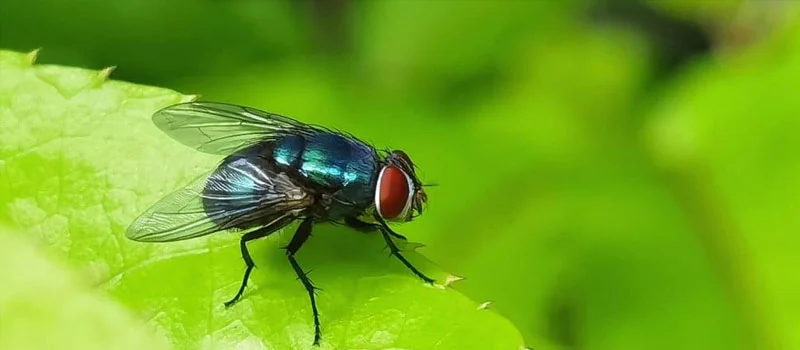
Understanding Azamethiphos 1% RG: Uses, Mode of Action & Safety
Primary Applications in Public Health Settings
Azamethiphos is a cholinesterase inhibitor that disrupts the insect nervous system by inhibiting acetylcholinesterase enzymes, resulting in paralysis and death within minutes of ingestion or contact. The 1% concentration is an effective and safe level for use in inhabited animal barns, municipal waste management sites, and commercial food facilities where typical fogging techniques are not feasible.
Government vector control programs use this formulation to stop transmission cycles of infections such as Salmonella, E. coli, and Cholera transmitted by synanthropic flies. Municipal health agencies use it based on its specific application profile – painted or sprinkled on vertical resting surfaces rather than broadcast-sprayed into the air. Professional pest control operators servicing hospitals and restaurant chains appreciate the triple attraction mechanism of olfactory (pheromone), gustatory (sugar), and visual (bright granule coloration) signals for maximizing trap efficacy.
Mode of Action and Resistance Management
Azamethiphos (S-6-chloro-2,3-dihydro-2-oxo-1,3-oxazolo[4,5-b]pyridin-3-ylmethyl O,O-dimethyl phosphorothioate) has a different metabolic mechanism than pyrethroids and neonicotinoids due to its chemical structure. This distinction is important for pest populations that have cross-resistance to traditional types of insecticides. According to the IRAC classification, Azamethiphos is an organophosphate of Group 1B and should be rotated with products having no chemical relationship every 4 to 8 weeks to avoid the development of resistance.
“We have seen that rotating azamethiphos applications with spinosad or cyromazine treatments extends the control efficacy by 30-40% over single product programs. Residual activity on treated surfaces for 6-8 weeks lowers the need for frequent applications, saving labor expenses and providing ongoing fly pressure control.
Safety Protocols and Regulatory Compliance
The medicine contains the bittering chemical Denatonium Benzoate to discourage inadvertent consumption by non-target species, including cattle and companion animals. Applicators must use suitable personal safety equipment such as chemical-resistant gloves, respirators with an organophosphate rating, and protective coveralls throughout mixing and application processes. Blood cholinesterase monitoring is indicated for workers who are in frequent contact with concentrated formulations.
Good environmental management necessitates the use of controlled application methods to minimize runoff to aquatic habitats where azamethiphos is poisonous to beneficial invertebrates. Follow all local regulatory requirements for disposal of unused product and rinsate in the container. Our formulations are compliant with World Health Organization criteria for public health pesticides and are registered in key markets with EPA-equivalent toxicity profiles and GMP certificates for manufacture.
Comparing Azamethiphos 1% RG with Alternative Insecticides
Performance Against Pyrethroid-Resistant Populations
Field testing in six countries indicates that Azamethiphos 1% had an 85-92 % kill of fly strains with kdr mutations imparting resistance to pyrethroids. Deltamethrin-based formulations have lower effectiveness (45-60% mortality) against these same populations. In areas where resistance difficulties are prominent, this performance differential might justify a higher price.
Cost-per-kill measures indicate that azamethiphos applications averaged $0.08-0.12 per fly targeted over an 8-week period, compared to $0.15-0.22 for frequent pyrethroid reapplications necessary to maintain control. The long residual effect means that pest control workers visit sites less often, which may mean substantial labor savings when services are provided on a contract basis.
Formulation Advantages for Professional Use
The granular bait format can be placed in cracks, crevices, and fly congregation zones where the bait does not need to be diluted or spray equipment calibrated. Paint-on coatings with water-dispersible granular compositions provide long-lasting treatment zones on vertical surfaces where flies rest naturally between feeding activities.
Higher temperature stability than gel baits that experience phase separation or drying up in tropical warehouse environments. We have shown the stability of azamethiphos for 18 months at 40 °C, answering important issues for government stockpiling programs and PCO inventory management in tropical markets.
Procurement Guide: How to Buy Azamethiphos 1% RG for B2B Use
Qualifying Suppliers and Documentation Requirements
Sourcing strategies have to focus on manufacturers who have achieved WHO Prequalification status or comparable national certifications confirming GMP compliance and quality assurance skills. Request Certificate of Analysis documentation for each manufacturing batch proving active ingredient concentration within ±5% of label claims and physical property standards, including granule size distribution and moisture content.
International procurement means big paperwork packages: Commercial invoices with Harmonized System codes (generally 3808.91), phytosanitary certificates (if applicable), MSDS sheets in the destination-country language, and registration certificates valid in the importing jurisdiction. We have full paperwork archives to assist the tender bidding process for government contracts and NGO procurement regulations.
Bulk Pricing and Minimum Order Quantities
Wholesale pricing structures typically offer:
- 2-5 ton shipments: Standard pricing tier suitable for regional PCO networks and municipal contracts
- 5-10 ton shipments: Volume discounts of 12-18% supporting annual government tender quantities
- Custom formulation runs: 15-25% premium for private-label development with proprietary attractant systems
Terms of payment depend on the type of customer. It is normal for government bids to request a Letter of Credit at sight or 30-60 days credit after delivery. The Professional PCO market usually works on a 30% deposit and 70% balance before shipping via Telegraphic Transfer. International health organizations embrace purchase order-based procurement with net payment schedules of 30-60 days.
Sample amounts of 500 g-2 kg may be used to validate effectiveness against local pest populations prior to large orders. We have testing methods and instructions for interpretation to facilitate palatability evaluation and reporting of fatality rates.
Logistics and Supply Chain Considerations
Fast Global Logistics Capabilities—Container cargo delivery to key ports in 18-25 days. Hazardous goods categorization under the IMDG Code demands specific handling and paperwork. Our logistics partners have temperature-controlled warehouses, so product deterioration is not a concern in the case of transportation delays.
Control programs must continue to ensure supply continuity. We have strategic inventory reserves in place to assist with emergency replenishment of existing contract clients within 72 hours. Multi-year supply contracts lock in prices and ensure allocation during times of high demand related to seasonal fly pressure surges.
Best Practices for Azamethiphos 1% Application and Environmental Safety
Application Techniques for Maximum Efficacy
Paint-on method: Mix 100g product per liter of water to create a slurry. Apply 50-75ml per square meter on vertical surfaces 1.5-2 meters above ground where flies rest. Reapplication intervals of 6-8 weeks maintain continuous control.
Granular scattering: Distribute 20- 30 g per square meter in areas where liquid applications prove impractical, such as porous surfaces or outdoor sheltered zones. The granules resist rain wash when applied under eaves or covered loading docks.
Calibrated equipment ensures accurate dosing. We recommend rotary spreaders for large-area applications and paint brushes or low-pressure sprayers for precision spot treatments. Avoid overapplication—excess product does not improve control and increases environmental loading.
Environmental Risk Mitigation
Restrict treatments to indoor or covered outdoor areas, preventing rainfall mobilization into soil and water systems. Establish buffer zones of 10 meters from natural water bodies and stormwater drains. Conduct applications during low-wind conditions (below 15 km/h), minimizing drift potential.
Container disposal follows triple-rinse protocols with rinsate applied to treatment areas as part of the product dose. Crushed containers must proceed to approved hazardous waste facilities rather than general landfills. Residue monitoring programs ensure treated surfaces maintain Azamethiphos 1% concentrations below exposure thresholds for non-target organisms.
Regulatory Compliance and Record-Keeping
Maintain application logs documenting treatment dates, locations, quantities used, and technician certifications. These records support regulatory audits and help identify application pattern adjustments, improving program performance. Residue testing on treated surfaces verifies active ingredient persistence and informs reapplication scheduling.
Compliance with maximum residue limits in food-handling environments requires careful placement away from direct food-contact surfaces. We provide application mapping tools helping operators maintain compliant treatment zones within complex facilities.
Why Choose Azamethiphos 1% RG from Reliable Manufacturers
Quality Assurance and Manufacturing Standards
Hontai has established comprehensive quality control measures with multi-stage testing procedures to guarantee the purity of the active ingredient, the stability of the formulation, and the strength of the attractant. Our facility is ISO 9001 certified, and we have specialized production lines to avoid cross-contamination of agricultural and public health formulations.
Batch traceability systems connect each kilogram produced to raw material sources, manufacturing parameters, and quality test results. This openness aids regulatory filings and gives clients comprehensive evidence of product genealogy for tender requests.
Technical Support and Customization Capabilities
Our highly qualified staff of entomologists and formulation chemists can provide application recommendations for various pest pressure circumstances. We do cooperative effectiveness studies with customers to provide performance data to support registration applications and marketing claims in target markets.
Custom bait matrix creation. Regional palatability preferences of fly populations. Optimized for performance under a wide range of environmental circumstances, changes in attractant ratios, granule size requirements, and active ingredient concentrations are made. Private label packaging with client logo and language-specific labeling. Supports market differentiation tactics.
Worldwide Service Network and Long-Term Partnership
We have distribution agreements in Africa, Southeast Asia, the Middle East, and Latin America that assure local inventory and fast order delivery. We support multi-year government contracts with supply commitment letters and price stability guarantees that safeguard budgets against raw material cost fluctuations.
Partnerships for resistance monitoring enable customers to observe changes in effectiveness across treatment regions, advising rotation plans and introductions of alternative chemicals before resistance undermines control efforts. This proactive strategy will prolong the life of the program and safeguard investments in public health.
Conclusion
Azamethiphos 1% RG has been shown to operate in the most difficult public health conditions where resistance and hygiene requirements need dependable treatments for fly control. Its threefold attraction mechanism, enhanced residual activity, and compatibility with resistance management strategies position it as a key component of integrated pest control systems. Furthermore, procurement managers find value in established supplier chains, thorough documentation assistance, and technical alliances to tackle the changing difficulties of vector control. We’ve shared the key assessment criteria—including comparisons of mode of action and best practices for application—that enable informed sourcing selections that balance effectiveness, safety, and cost-efficiency across a range of operational situations.
FAQ
1. Is azamethiphos 1% safe to use around livestock and humans?
When applied according to label directions as a surface treatment or bait placement, azamethiphos presents minimal risk to mammals due to the integrated bittering agent and targeted application methods. Treated surfaces should remain inaccessible to direct animal contact during the initial drying period (2-4 hours). Personnel handling concentrated product require proper protective equipment, including chemical-resistant gloves and respirators. The LD50 for mammals ranges from 700-1,000 mg/kg body weight, significantly higher than application rates, providing substantial safety margins when used correctly in occupied spaces.
2. How long does azamethiphos remain effective after application?
Residual efficacy persists for 6-8 weeks on protected surfaces under typical environmental conditions. Factors affecting longevity include surface porosity, ultraviolet light exposure, temperature extremes, and rainfall contact. Indoor applications generally achieve the longer end of this range, while outdoor sheltered treatments may require reapplication at 4-6 week intervals. Performance monitoring through fly trap counts helps determine site-specific reapplication timing rather than relying solely on calendar schedules.
3. Can azamethiphos formulations help manage resistant fly populations?
Absolutely. Azamethiphos belongs to the organophosphate chemical class with a distinct mode of action from pyrethroids and neonicotinoids commonly used in fly control. Populations exhibiting kdr mutations or metabolic resistance to these chemistries typically remain fully susceptible to azamethiphos. Rotation programs alternating azamethiphos with unrelated insecticide classes delay resistance development and restore control in areas where other products have failed. This makes azamethiphos particularly valuable within Integrated Pest Management strategies focused on resistance prevention.
Partner with Hontai for Azamethiphos 1% RG Supply Solutions
Hontai serves as your trusted Azamethiphos 1% supplier, combining manufacturing excellence with worldwide agricultural service capabilities tailored to public health pest control requirements. Our reliable advantages include stable product quality meeting WHO specifications, flexible customization options for private-label development, and consistent performance validated through field trials across multiple continents.
Procurement teams gain access to competitive bulk pricing structures, fast global logistics ensuring on-time delivery to project sites, and complete technical documentation packages streamlining tender submissions and regulatory approvals. Our professional, skilled team provides responsive consultation addressing application challenges, resistance management strategies, and formulation optimization for specific pest populations.
Connect with our specialists at admin@hontai-biotech.com to discuss your azamethiphos procurement needs. We offer sample quantities for efficacy validation, comprehensive product brochures detailing specifications and application protocols, and customized quotations aligned with your volume requirements.
References
1. World Health Organization. (2020). Guidelines for Efficacy Testing of Public Health Insecticides. WHO Technical Report Series, Geneva.
2. Insecticide Resistance Action Committee. (2021). IRAC Mode of Action Classification Scheme: Organophosphates and Public Health Applications. IRAC International, Version 9.4.
3. Food and Agriculture Organization. (2019). Specifications and Quality Control for Public Health Pesticides: Azamethiphos. FAO Plant Production and Protection Paper 228.
4. European Chemicals Agency. (2018). Azamethiphos Risk Assessment for Biocidal Product Authorization. ECHA Biocides Assessment Report, Helsinki.
5. Centers for Disease Control and Prevention. (2022). Vector Control in Public Health: Fly Management Strategies for Disease Prevention. CDC National Center for Emerging and Zoonotic Infectious Diseases, Atlanta.
6. Pesticide Stewardship Alliance. (2021). Best Management Practices for Organophosphate Insecticides in Municipal Hygiene Programs. PSA Technical Guidance Document 147.
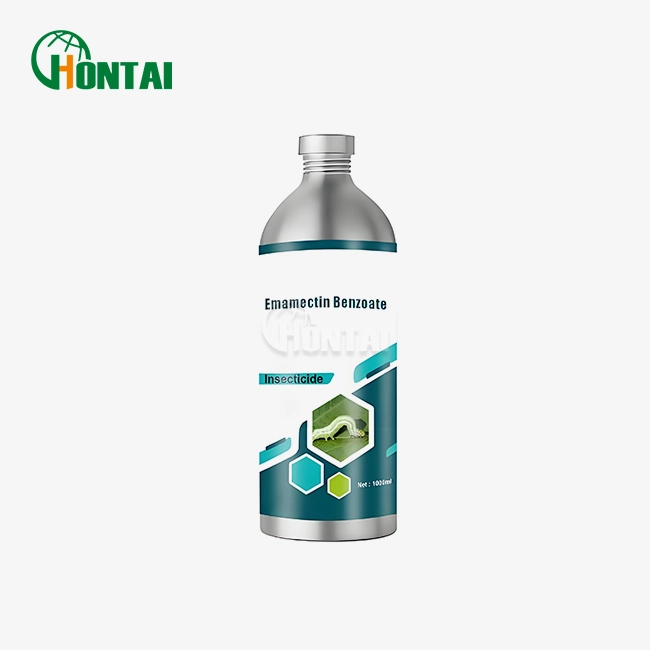
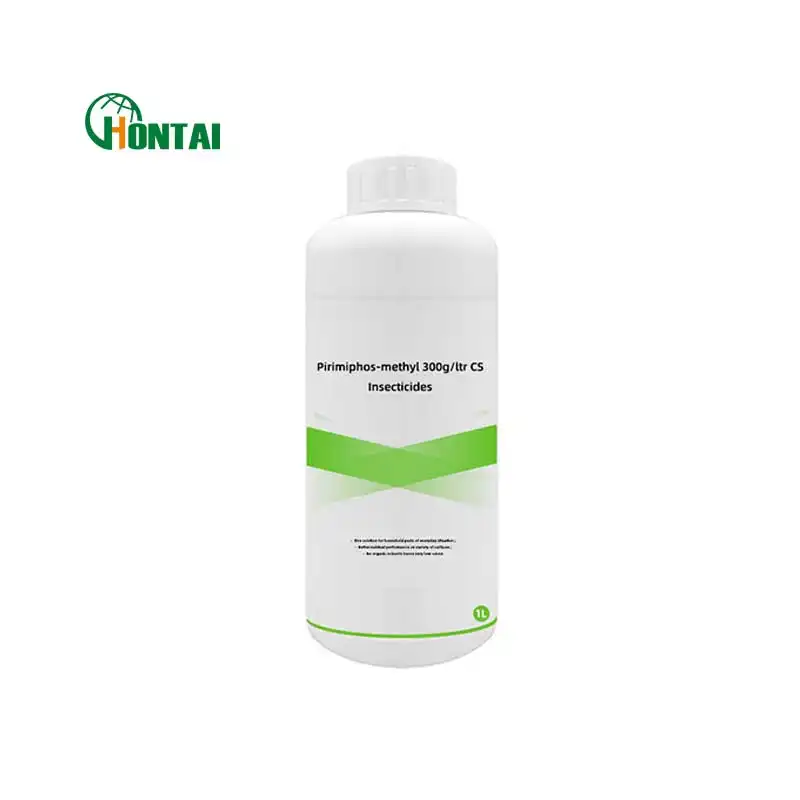

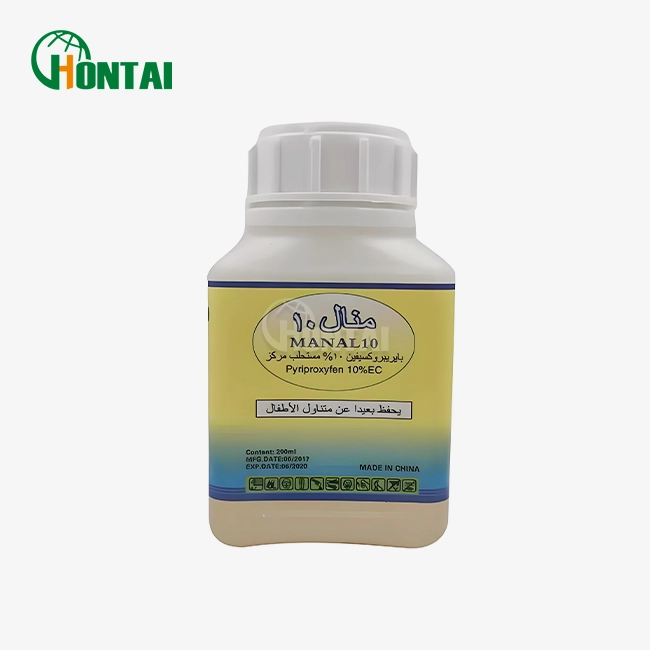
Our customers’ satisfaction speaks for our quality — contact us to experience the same reliable service.