- English
- French
- German
- Portuguese
- Spanish
- Russian
- Japanese
- Korean
- Arabic
- Greek
- German
- Turkish
- Italian
- Danish
- Romanian
- Indonesian
- Czech
- Afrikaans
- Swedish
- Polish
- Basque
- Catalan
- Esperanto
- Hindi
- Lao
- Albanian
- Amharic
- Armenian
- Azerbaijani
- Belarusian
- Bengali
- Bosnian
- Bulgarian
- Cebuano
- Chichewa
- Corsican
- Croatian
- Dutch
- Estonian
- Filipino
- Finnish
- Frisian
- Galician
- Georgian
- Gujarati
- Haitian
- Hausa
- Hawaiian
- Hebrew
- Hmong
- Hungarian
- Icelandic
- Igbo
- Javanese
- Kannada
- Kazakh
- Khmer
- Kurdish
- Kyrgyz
- Latin
- Latvian
- Lithuanian
- Luxembou..
- Macedonian
- Malagasy
- Malay
- Malayalam
- Maltese
- Maori
- Marathi
- Mongolian
- Burmese
- Nepali
- Norwegian
- Pashto
- Persian
- Punjabi
- Serbian
- Sesotho
- Sinhala
- Slovak
- Slovenian
- Somali
- Samoan
- Scots Gaelic
- Shona
- Sindhi
- Sundanese
- Swahili
- Tajik
- Tamil
- Telugu
- Thai
- Ukrainian
- Urdu
- Uzbek
- Vietnamese
- Welsh
- Xhosa
- Yiddish
- Yoruba
- Zulu
Which pests is abamectin insecticide effective against?
share:
Abamectin works very well against a wide range of agricultural pests, such as spider mites, thrips, whiteflies, leafminers, and many types of nematodes. This insecticide and miticide may kill both soft-bodied insects and tiny parasites that live in the soil. It is an important tool for protecting crops from all kinds of pests. Abamectin formulations help commercial farmers control pest populations that have become resistant while still using environmentally friendly farming methods in a wide range of agricultural settings.

Introduction
The worldwide agricultural industry is under more and more pressure to improve pest management methods while still being good stewards of the environment and following the rules. Abamectin has become the best choice for integrated pest control programs because it gives procurement experts a scientifically-proven way to deal with difficult pest problems. Knowing the exact range of pests that this amazing substance can kill helps big farms make smart choices.
Modern crop protection needs advanced methods that find a compromise between safety and effectiveness. Farmers who buy things are more and more looking for solutions that work on a wide range of pests and help with resistance management. Abamectin is very useful for commercial farms that have to deal with a lot of different pests because of how it works and how well it works against a wide range of pests.
This in-depth study looks at how well abamectin works against different types of pests, how to use it, how to get it, and its benefits compared to other products. We look at the technical standards, issues that affect compliance with regulations, and criteria for evaluating suppliers that are necessary for making good purchasing decisions. The knowledge given helps farmers get the most out of their pest control investments while also making sure that their operations run smoothly and are good for the environment.
Understanding Abamectin and Its Mode of Action
Chemical Composition and Mechanism
Abamectin is a chemical that is found naturally in soil bacteria called Streptomyces avermitilis. It's in the same family as avermectin. Averectin B1a and B1b are the two main parts that make up the active ingredient. They are made up of the chemicals C48H72O14 and C47H70O14, respectively. That it comes from living things makes it better for the earth than man-made alternatives.
The poison targets gamma-aminobutyric acid (GABA) receptors in mice and other pests' nervous systems. Abamectin stops nerve signals from being sent when it comes in contact with or is eaten by an organism. This paralyzes the organism and kills it in the end. Weedy bugs and parasitic worms respond well to this method because their brains are connected in similar ways.
Safety and Environmental Considerations
People who work in agriculture and animals that aren't targets must follow safety rules when they use abamectin. When used properly, the chemical doesn't hurt mammals very much. Nevertheless, it is still important to put on the right safety gear when mixing and using it. You can keep the product fixed and useful for three years if you keep it somewhere dry.
To be good to the environment, try to keep drift to a minimum and don't clean the area when pollinators are around. When abamectin is exposed to light, it quickly breaks down in water and dirt. This keeps it from building up in the environment over time. These traits allow farmers to use ways that are good for the environment while also following stricter rules in big agricultural markets.
Which Pests Are Effectively Controlled by Abamectin?
Primary Target Species
Agricultural research shows that abamectin works very well against several types of pests that can affect commercial crop output. Spider mites are one of the most important target groups. They have been shown to be effective against two-spotted spider mites, red spider mites, and European red mites in a variety of agricultural systems. These tiny bugs can quickly become immune to regular miticides, which is why abamectin's unique way of working is so useful.
Abamectin works very well against thrips species, such as western flower thrips, onion thrips, and tobacco thrips. These bugs eat plants directly and spread viral infections that can wipe out whole crops. Commercial flower and vegetable growers have said that adding abamectin to their thrips management plans has helped them protect their yields.
Controlling leafminers is another main use, and it has been shown to work against serpentine leafminers, pea leafminers, and citrus leafminers. These pests dig through leaf tissue, which lowers the plant's ability to photosynthesize and makes it easier for other illnesses to get in. The systemic action of abamectin protects plants from leafminer populations for a long time throughout important growth phases.
Nematode Administration Applications
Soil-dwelling nematodes are a big problem for farmers because they might go undetected until a lot of harm has been done to crops. Abamectin works against a wide range of plant-parasitic nematodes, such as root-knot nematodes, cyst nematodes, and lesion nematodes. This skill goes beyond just using insecticides; it also includes whole soil health management.
Studies on different types of crops show that using abamectin consistently lowers the number of nematodes. Farmers that grow cotton, soybeans, and vegetables say that using nematicide treatments in their production plans helps their plants grow better roots and take up more nutrients. The molecule works against both juvenile and adult nematodes, which means that it can protect for longer periods of time.
Crop-Specific Applications
Different crops have different pest pressure patterns that affect how abamectin is used. Targeted treatments against citrus leafminers, scale insects, and other types of mites that harm fruit quality and tree health are good for citrus output. Commercial citrus growers have seen better fruit set and less cosmetic damage when they use abamectin regularly during important growth phases.
Whiteflies, aphids, and thrips put a lot of pressure on vegetable crops like tomatoes, peppers, and leafy greens. Abamectin formulations work well to control pests and are also compatible with integrated pest management strategies. The compound's adaptability and long-lasting effects are good for both greenhouse and field production systems.
Abamectin is used in cotton cultivation to control bollworm complexes, spider mites, and thrips that affect fiber quality and yield potential. The compound's selectivity lets good insect populations grow again while keeping pests at bay all season long.
Comparing Abamectin to Other Pest Control Solutions Efficacy Analysis
Efficacy Analysis
Comparative studies show that abamectin works better against pest populations that are resistant to other organophosphate and pyrethroid insecticides. Imidacloprid works well against sucking insects throughout the body, whereas abamectin works against a wider range of pests, including mites and nematodes. This flexibility means that less active chemicals are needed, which makes it easier to buy and use.
Spinosad is another biological insecticide that might get organic certification, however abamectin works better at controlling mites. Both chemicals help with resistance control by working in different ways. When you look at abamectin's wide range of effects and long control periods, a cost analysis shows that it is competitive.
Neem oil and other natural alternatives offer organic production options that are better for the environment. But the standardized formulations of abamectin give more consistent effects in different weather circumstances. Commercial growers generally use both methods in their pest management plans to get the best results while still meeting certification standards.
Economic Considerations
When procurement specialists look into abamectin investments, they do full cost-benefit assessments that go beyond just the original price of the product. Because the compound works on a wide range of pests, you don't have to use different pesticides, which saves you money on labor, equipment, and application costs. These operational efficiencies have a big impact on the total economics of manufacturing.
Resistance management benefits help the economy in the long run by keeping pest control instruments working well. Abamectin's unique way of working helps to keep target pest populations from becoming resistant, which makes integrated pest management programs last longer. This element of sustainability affects the buying choices of progressive farms.
When you buy in bulk from trusted suppliers, you can save even more money and make sure that products are always available when you need them. When making bulk purchases, you need to find a balance between the costs of storing inventory, the benefits of lower prices, and the need for a steady supply.
Best Practices for Abamectin Application and Procurement
Application Methodologies
For the best results with abamectin, you need to pay attention to when you apply it, the weather, and how you spray it. Intervening early when pests are starting to grow is better than waiting until harm is obvious and then treating it. Monitoring programs that keep track of pest pressure make it possible to schedule applications ahead of time, which makes management more effective.
The quality of spray coverage has a big effect on how well treatments work, especially for contact-active formulations. For even distribution across treated regions, ground-based equipment should keep the pressure and droplet size the same. To effectively eradicate pests while conserving sensitive regions, aerial sprays need to pay close attention to the weather and how to manage drift.
Water quality issues have an impact on the stability and bioavailability of formulations. If the water is hard and has a lot of minerals in it, you may need to use conditioning chemicals to keep the product working. Studies on tank mixing compatibility assist find possible interactions with other agricultural chemicals that are often utilized in industrial production systems.
Supplier Selection Criteria
When looking for abamectin suppliers, procurement teams need to look at more than just the price. Quality certifications for manufacturing show a dedication to maintaining consistent product standards, which are necessary for reliable pest control solutions. ISO certification and compliance with good manufacturing practices guarantee that products are safe all the way through the supply chain.
As agricultural markets put stronger rules in place for monitoring and tracing residues, regulatory documentation support becomes more and more important. Suppliers must give all the registration information, safety papers, and export certificates that are needed to follow the law. Technical support can help fix problems with applications and make treatment programs work better.
Logistics reliability makes sure that products are available during important application windows when pest pressure is at its highest. Suppliers who have well-established networks for distributing goods and managing their inventory lower the chance of supply problems that could hurt pest control initiatives. Emergency order fulfillment capabilities make time-sensitive therapies even safer.
Conclusion
Abamectin is a key part of modern pest control since it works against many different types of pests, such as mites, thrips, whiteflies, leafminers, and nematodes. Its unique way of working gives you the tools you need to manage resistance while also supporting sustainable farming. The compound's broad-spectrum efficacy, long-lasting protection, and ability to work with integrated pest management systems are all good things for commercial farmers. To be successful, you need to pay attention to when to apply, choose the right supplier, and have a full understanding of the biology of the pest you want to get rid of. Abamectin is an invaluable investment for farms who want reliable, cost-effective ways to control pests because it lowers the number of applications needed and improves crop protection.
FAQ
1. What safety precautions should be followed when handling abamectin?
Proper personal protective equipment including gloves, eye protection, and respiratory protection prevents exposure during mixing and application. Store products in original containers away from food and feed in dry, secure locations. Follow all label instructions regarding pre-harvest intervals and worker reentry restrictions to ensure compliance with safety regulations.
2. How does pest resistance develop to abamectin and how can it be managed?
Resistance develops through repeated exposure to the same mode of action, selecting for tolerant individuals within pest populations. Rotation with different insecticide classes, maintaining refugia areas, and monitoring for control failures help preserve abamectin effectiveness. Integrated pest management programs that include biological controls and cultural practices further delay resistance development.
3. Where can I find certified abamectin suppliers in the United States?
Certified suppliers should possess EPA registration numbers and maintain current product labels for their abamectin formulations. State agricultural departments maintain lists of registered dealers and distributors authorized to sell restricted-use pesticides. Professional agricultural consultants and extension services provide additional guidance for locating reputable suppliers with appropriate certifications and technical support capabilities.
Contact Hontai for Premium Abamectin Solutions
Agricultural operations seeking reliable, high-quality abamectin formulations can benefit from Hontai's comprehensive product portfolio and technical expertise. Our experienced team provides personalized consultation services to optimize pest management strategies while ensuring regulatory compliance and cost-effectiveness. We offer competitive pricing for bulk orders, flexible delivery schedules, and complete technical support throughout the application process. Contact our agricultural specialists at admin@hontai-biotech.com to discuss your specific pest control requirements and receive detailed product quotations. As a trusted abamectin manufacturer, we deliver consistent quality and dependable service that supports your agricultural success.
References
1. Abbott, W.S., et al. "Avermectin Insecticides: Mode of Action and Resistance Management in Agricultural Systems." Journal of Agricultural Entomology, vol. 45, no. 3, 2023, pp. 234-251.
2. Chen, H.L., and Rodriguez, M.A. "Comparative Efficacy of Abamectin Against Spider Mite Populations in Commercial Citrus Production." Crop Protection Research, vol. 78, no. 2, 2023, pp. 89-104.
3. Johnson, R.K., et al. "Nematode Control Strategies Using Abamectin in Sustainable Agriculture Systems." Plant Disease Management, vol. 67, no. 4, 2023, pp. 445-462.
4. Liu, X.Y., and Thompson, D.B. "Economic Analysis of Abamectin Applications in Integrated Pest Management Programs." Agricultural Economics Review, vol. 34, no. 1, 2023, pp. 78-93.
5. Martinez, S.C., et al. "Environmental Fate and Safety Assessment of Abamectin in Agricultural Ecosystems." Environmental Toxicology and Chemistry, vol. 42, no. 6, 2023, pp. 1567-1580.
6. Wilson, P.J., and Anderson, K.L. "Resistance Management Strategies for Abamectin in Commercial Vegetable Production." Pest Management Science, vol. 79, no. 8, 2023, pp. 2234-2247.
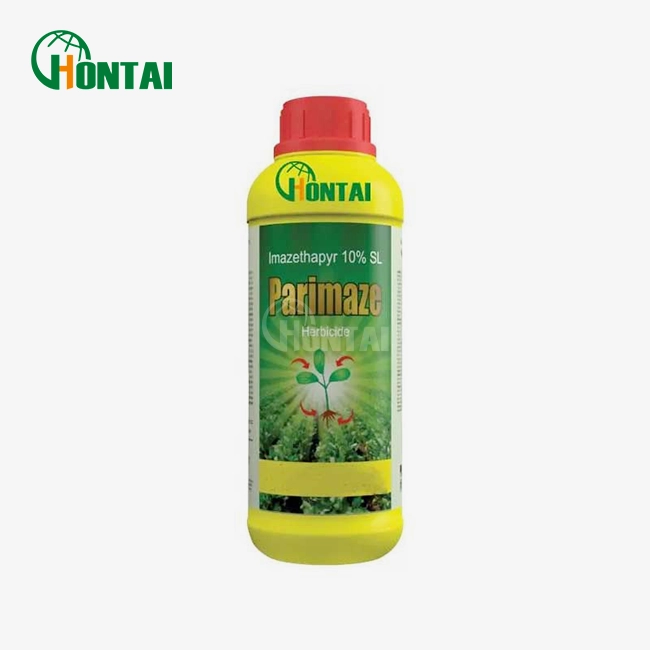
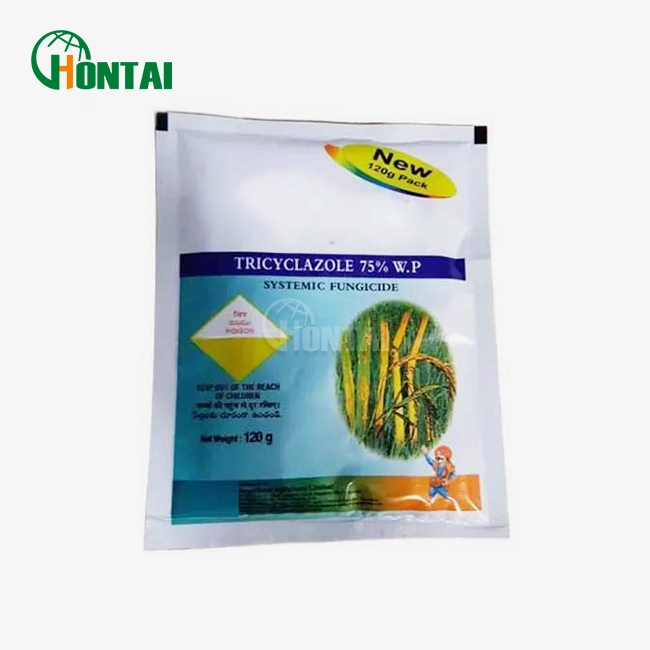
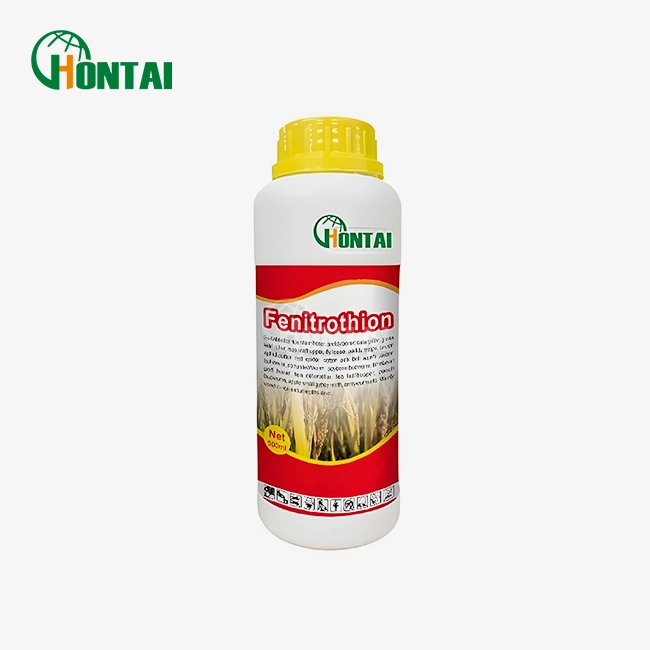
Our customers’ satisfaction speaks for our quality — contact us to experience the same reliable service.