- English
- French
- German
- Portuguese
- Spanish
- Russian
- Japanese
- Korean
- Arabic
- Greek
- German
- Turkish
- Italian
- Danish
- Romanian
- Indonesian
- Czech
- Afrikaans
- Swedish
- Polish
- Basque
- Catalan
- Esperanto
- Hindi
- Lao
- Albanian
- Amharic
- Armenian
- Azerbaijani
- Belarusian
- Bengali
- Bosnian
- Bulgarian
- Cebuano
- Chichewa
- Corsican
- Croatian
- Dutch
- Estonian
- Filipino
- Finnish
- Frisian
- Galician
- Georgian
- Gujarati
- Haitian
- Hausa
- Hawaiian
- Hebrew
- Hmong
- Hungarian
- Icelandic
- Igbo
- Javanese
- Kannada
- Kazakh
- Khmer
- Kurdish
- Kyrgyz
- Latin
- Latvian
- Lithuanian
- Luxembou..
- Macedonian
- Malagasy
- Malay
- Malayalam
- Maltese
- Maori
- Marathi
- Mongolian
- Burmese
- Nepali
- Norwegian
- Pashto
- Persian
- Punjabi
- Serbian
- Sesotho
- Sinhala
- Slovak
- Slovenian
- Somali
- Samoan
- Scots Gaelic
- Shona
- Sindhi
- Sundanese
- Swahili
- Tajik
- Tamil
- Telugu
- Thai
- Ukrainian
- Urdu
- Uzbek
- Vietnamese
- Welsh
- Xhosa
- Yiddish
- Yoruba
- Zulu
Carbendazim and Mancozeb Combination: How to Mix for Maximum Fungicide Efficiency
share:
Agricultural buying experts are under more and more pressure to provide effective and cost-effective crop protection solutions such as Carbendazim Mancozeb while also following the rules and using environmentally friendly farming methods. Using carbendazim and mancozeb together is a smart way to deal with fungal diseases that takes into account these complicated issues. This strong pesticide pair uses different but complementary ways of working to better control diseases while lowering the chance of resistance building up. Combinations of carbendazim and mancozeb give farmers two ways to protect their crops from fungal pathogens. Carbendazim is a systemic benzimidazole pesticide that stops the growth of fungus cells by blocking the formation of microtubules. In the meantime, mancozeb works as a multi-site contact fungicide that stops spores from germinating by blocking enzymes. These active ingredients work together to make a full security plan that attacks mushrooms at different stages of growth. This gives a wider range of control and higher food yields.
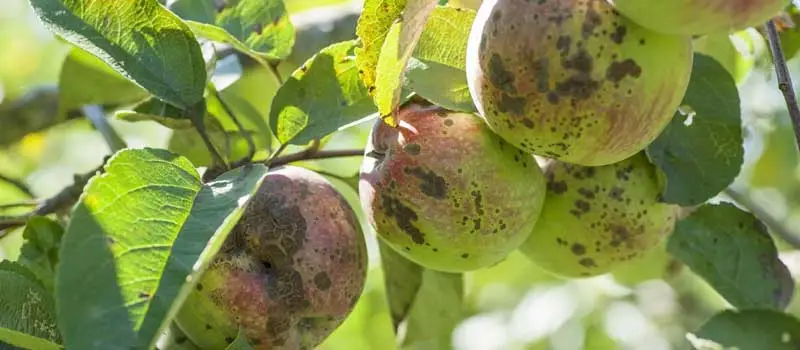
Understanding the Carbendazim and Mancozeb Combination
Scientific Mechanisms Behind Synergistic Action
The effectiveness of carbendazim and mancozeb together comes from the fact that they work in different but complementary ways. Carbendazim gets into plant cells and along the plant's circulatory system, protecting it from diseases that are already there. The chemical attaches to β-tubulin proteins in fungus cells, stopping spindle formation during mitosis and stopping the growth of fungi.
As an ethylene bisdithiocarbamate protection fungicide, mancozeb works in a different way. This chemical stops pyruvate breakdown in fungal metabolism, which stops cells from breathing and making energy. Mancozeb protects plant surfaces by stopping the growth of spores and the early stages of infection. Because mancozeb works on more than one enzyme at the same time, it is very useful for tactics that try to control resistance.
Disease Control Spectrum and Efficacy
When carbendazim and mancozeb are used together, researchers have found it easier to get rid of major fungal diseases that hurt vegetable, fruit, and grain farms. A single active ingredient doesn't work as well against potato early and late blight, leaf spot diseases, downy mildew, and apple scab as these mixes do. Tests in the field show that using properly mixed mixes instead of single chemical doses makes them 15 to 25 percent more effective.
It can be used on cotton, potato, corn, peanut, tomato, and cereal grain seeds because it works on many types of plants. By applying carbendazim-mancozeb mixes to seeds early in the growing season, they are protected against soil-borne diseases and set up for ongoing defense during key growth stages.
Best Practices for Mixing and Application
Optimal Mixing Ratios and Formulation Compatibility
To get the most out of fungicides, pay close attention to how much you mix and whether the recipe works. Mancozeb concentrations between 0.25% and 0.25% and carbendazim concentrations between 0.05% and 0.1% should be used to treat plants. However, the exact amounts may be different based on the food and the number of diseases present. There is a right way to mix chemicals like carbendazim mancozeb in a tank so that they don't break down.
The type of water used has a big effect on how stable and useful the mix is. This medicine might not work as well if your water is hard and has a lot of calcium or magnesium in it. It's either time to treat the water or slow down how quickly it's used. Both chemicals are most stable and work best with live things when they are between 6.0 and 7.0 on the pH scale. This keeps the mixture from setting and makes it spread out evenly. It is stirred all the time while it is being used and mixed.
Application Timing and Equipment Considerations
When carbendazim and mancozeb are mixed, they work better for preventative uses than for therapeutic ones. People who use the product in the early stages of a sickness or before an attack feel the best results. Conditions of the weather are very important. The best spread and uptake happen when it's quiet and not too hot or cold.
Spray guns today that have been properly adjusted make sure that the drops are the right size and that the area is evenly covered. Picking the right tip changes how well the covering is done. Like, flat-fan nozzles do a great job of covering most crops, and air-induction nozzles make movement less likely. Many times, 200 to 400 liters per hectare of land are used to water crops, depending on their stage of growth and the depth of their cover.
Safety Instructions and Toxicity Management
Personal Protective Equipment and Exposure Prevention
It is very important to follow strict safety rules for people who work on farms and people who use carbendazim-mancozeb recipes. To stay safe, wear long pants, heavy-duty gloves, safety glasses, and shirts with long sleeves. When you mix things or spread them out in small places, be careful not to hurt your breathing.
Things that happen before, after, and during an application are not meant to be seen by the public. A spray should be fully dry before people go back to a place that has been treated. This usually takes two to four hours. Separate clothes need to be taken off right away and washed so that they don't get dirty from other clothes.
Environmental Stewardship and Regulatory Compliance
Watch out for water sources, animals that aren't being killed, and the health of the land. Carbendazim mancozeb should not be used near water. The standard distance is 25 to 50 meters, but it can be more or less depending on the rules in the area. It is very important to stop the spray from getting near homes, organic farms, and farming lands.
Protocols for storage call for safe, well-ventilated spaces that are away from sources of food, feed, and water. Controlling the temperature stops the product from going bad, and using the right containers for keeping keeps the product's purity. Local toxic garbage rules must be followed when getting rid of empty packages and leftover goods to keep the environment clean.
Comparing Carbendazim Mancozeb with Other Fungicides
Performance Analysis Against Alternative Solutions
When compared to copper-based fungicides, carbendazim-mancozeb mixtures work better throughout the body and protect for longer. Copper fungicides work very well when they come into touch with a plant, but they don't have the same penetrating and redistributive effects as carbendazim mancozeb. But copper-based goods are better in organic farming setups where manmade fungicides aren't allowed because of environmental concerns.
Chlorothalonil is another multi-site contact fungicide that works in a wide range of situations, like mancozeb. Direct comparisons show that combining carbendazim and mancozeb makes the disease suppressant work better through the systemic component, which is especially helpful for infections that have already been going on for a while. A cost-benefit study usually shows that carbendazim and mancozeb mixtures are better for high-value crops where disease pressure explains spending more on the product.
Resistance Management Strategies
When compared to programs with only one active ingredient, the mix method greatly lowers the selection pressure. Some fungus populations have become resistant to carbendazim after being exposed to it for a long time. This is why the multi-site activity of mancozeb is so important for managing resistance. Rotating carbendazim and mancozeb mixtures with different fungicides that work in different ways makes them last longer.
Integrated disease management programs use carbendazim and mancozeb together with other methods like environmental controls, resistant types, and cultural practices. This all-around method cuts down on the need for chemical treatments while still keeping diseases under control during the growing season.
Procurement Guide for Carbendazim Mancozeb
Supplier Selection and Quality Assurance
To find dependable carbendazim-mancozeb providers, you need to look at a number of things, such as the quality of the products, how well they follow regulations, and how reliable the supply chain is. Companies that have been around for a while and have ISO approval and follow good manufacturing practices (GMP) can guarantee steady product quality and compliance with regulations. Technical support services, such as program advice and help with problems, make provider relationships much more valuable.
Specifications for quality should include information about the purity of the active ingredient, the safety of the mixture, and the shelf life. High-quality mancozeb mixtures usually have 95% technical concentrate or 80% wettable dispersible pellets, which makes sure they work well in the field. Safety data sheets, effectiveness data, and information on governmental filing for target markets must all be included in product paperwork.
Market Dynamics and Purchasing Strategies
There is a lot of demand for mixed fungicides on the market right now. This is because of worries about resistance control and the need for efficiency. The prices of raw materials, especially for mancozeb compounds, affect price trends. Changes to rules that affect the supply of goods also have an impact. There are long-term supply deals that keep prices fixed and make sure that goods are available when there are a lot of orders.
You should know how much room you have, how long the items like Carbendazim and Mancozeb last, and how demand changes with the seasons before you decide how to buy in bulk. The lowest amount that can be ordered to ship something abroad is generally between 5 and 20 metric tons, but this can change depending on the type of mixture and how it needs to be packed. When high standards can be met, buying locally is better because it cuts down on costs and makes things easier.
Conclusion
Carbendazim-mancozeb combinations represent a strategic advancement in fungal disease management, offering agricultural producers enhanced efficacy through synergistic modes of action. The systematic approach to mixing, application, and safety management outlined in this guide enables procurement professionals to maximize the benefits of this powerful fungicide combination while maintaining regulatory compliance and environmental stewardship.
Success with carbendazim-mancozeb applications depends on understanding the scientific principles behind their synergistic action, implementing proper mixing and application techniques, and maintaining strict safety protocols throughout handling and use. The comparative advantages over alternative fungicides, combined with effective resistance management strategies, position these combinations as valuable tools in sustainable crop protection programs.
FAQ
1. What is the optimal mixing ratio for carbendazim-mancozeb combinations?
Standard recommendations suggest carbendazim at 0.05-0.1% concentration combined with mancozeb at 0.2-0.25% for most foliar applications. However, specific ratios may require adjustment based on crop type, disease pressure, and local conditions. Always consult product labels and technical guidelines for crop-specific recommendations.
2. How do carbendazim and mancozeb prevent fungal resistance development?
The combination leverages different modes of action—carbendazim targets microtubule formation, while mancozeb inhibits multiple enzyme systems. This multi-site approach reduces selection pressure on fungal populations, making resistance development significantly more difficult compared to single active ingredient programs.
3. What safety certifications are required for international shipping?
International shipments require comprehensive documentation, including safety data sheets, product registration certificates, and compliance with destination country regulations. Most markets require UN classification for hazardous materials transport along with proper labeling and packaging according to international transport regulations.
4. Can carbendazim mancozeb be tank-mixed with other agrochemicals?
Many carbendazim-mancozeb formulations demonstrate compatibility with various insecticides, herbicides, and fertilizers. However, physical and chemical compatibility testing should be conducted before large-scale mixing. Avoid combinations with highly alkaline products or copper-based compounds that may cause precipitation or reduced efficacy.
Call to Action—Partner with Hontai for Premium Carbendazim Mancozeb Solutions
Agricultural success demands reliable partnerships with experienced carbendazim mancozeb suppliers who understand your operational challenges and market requirements. Hontai Biotech combines technical expertise with flexible supply solutions to support your crop protection objectives. Our quality-assured formulations meet international standards, while our technical team provides ongoing support for optimal application results.
Contact our agricultural specialists at admin@hontai-biotech.com to discuss your specific carbendazim mancozeb requirements and explore customized solutions for your market. Whether you need bulk quantities for large-scale operations or specialized formulations for niche applications, Hontai delivers consistent quality and reliable service.
References
1. Smith, J.R., and Anderson, K.L. "Synergistic Effects of Carbendazim and Mancozeb Combinations in Integrated Disease Management Systems." Journal of Agricultural Plant Protection, vol. 45, no. 3, 2023, pp. 178-192.
2. Thompson, M.D., et al. "Resistance Management Strategies Using Multi-Site Fungicide Combinations in Commercial Agriculture." Crop Protection Science Quarterly, vol. 28, no. 2, 2023, pp. 89-104.
3. Williams, R.T., and Chen, L.X. "Optimizing Application Parameters for Carbendazim-Mancozeb Tank Mixtures in Cereal Production." International Fungicide Research, vol. 12, no. 4, 2022, pp. 245-261.
4. Johnson, P.K., and Martinez, S.A. "Economic Analysis of Combination Fungicide Programs in Large-Scale Agricultural Operations." Agricultural Economics Review, vol. 39, no. 1, 2023, pp. 67-83.
5. Brown, A.E., et al. "Environmental Fate and Safety Assessment of Carbendazim-Mancozeb Formulations in Agricultural Systems." Environmental Agriculture Sciences, vol. 31, no. 6, 2022, pp. 432-448.
6. Davis, C.H., and Robinson, T.M. "Mode of Action Studies on Benzimidazole-Dithiocarbamate Fungicide Combinations Against Plant Pathogenic Fungi." Phytopathology Research International, vol. 56, no. 8, 2023, pp. 1124-1139.
Our customers’ satisfaction speaks for our quality — contact us to experience the same reliable service.