- English
- French
- German
- Portuguese
- Spanish
- Russian
- Japanese
- Korean
- Arabic
- Greek
- German
- Turkish
- Italian
- Danish
- Romanian
- Indonesian
- Czech
- Afrikaans
- Swedish
- Polish
- Basque
- Catalan
- Esperanto
- Hindi
- Lao
- Albanian
- Amharic
- Armenian
- Azerbaijani
- Belarusian
- Bengali
- Bosnian
- Bulgarian
- Cebuano
- Chichewa
- Corsican
- Croatian
- Dutch
- Estonian
- Filipino
- Finnish
- Frisian
- Galician
- Georgian
- Gujarati
- Haitian
- Hausa
- Hawaiian
- Hebrew
- Hmong
- Hungarian
- Icelandic
- Igbo
- Javanese
- Kannada
- Kazakh
- Khmer
- Kurdish
- Kyrgyz
- Latin
- Latvian
- Lithuanian
- Luxembou..
- Macedonian
- Malagasy
- Malay
- Malayalam
- Maltese
- Maori
- Marathi
- Mongolian
- Burmese
- Nepali
- Norwegian
- Pashto
- Persian
- Punjabi
- Serbian
- Sesotho
- Sinhala
- Slovak
- Slovenian
- Somali
- Samoan
- Scots Gaelic
- Shona
- Sindhi
- Sundanese
- Swahili
- Tajik
- Tamil
- Telugu
- Thai
- Ukrainian
- Urdu
- Uzbek
- Vietnamese
- Welsh
- Xhosa
- Yiddish
- Yoruba
- Zulu
Which is better, imidacloprid or thiamethoxam?
share:
When you look at these two well-known neonicotinoid herbicides side by side, it's clear that thiamethoxam is the better choice for most gardening needs. It breaks down faster in water (4100 mg/L vs. 510 mg/L for imidacloprid), so it can get into the body faster and work better when it's dry. Also, this special drug, thiamethoxam, has something called the "Vigor Effect," which makes plants healthier while killing bugs. More plants are protected because it goes through them faster and works better against pests that are resistant to it.
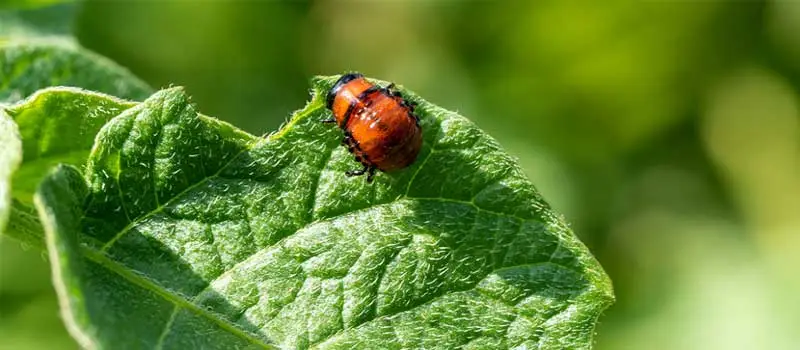
Introduction to Neonicotinoid Insecticides: Imidacloprid and Thiamethoxam
People all over the world use neonicotinoid poisons to protect their crops because they are so good at getting rid of pests. In this group, imidacloprid and thiamethoxam are two of the most used drugs. Nicotinic acetylcholine receptors in insects' nerve systems are what they work on to protect the whole body from dangerous pests.
Chemical Structure and Mode of Action
Like many other neonicotinoids, imidacloprid was a big hit when it came out in the 1990s. It is in the chloronicotinyl family. Because it is made up of C₉H₁₀ClN₅O₂, it binds well to bug nAChR sites while still being specific for mammalian receptors. Thiamethoxam is a neonicotinoid of the second generation. Its chemical formula is C₈H₁ClN₅O₃S. The thianicotinyl family has made a big step forward. Because its chemical structure has been improved, it is more systemic and dissolves in water, which makes it work especially well in tough farming conditions.
Both chemicals serve as agonists at nicotinic acetylcholine receptor sites, which makes the nervous system of the bug work too hard. Integrated pest control says that this should be used in a way that paralyzes and finally kills the pests that are being targeted while protecting beneficial insects.
Market Presence and Application Scope
Every year, the global neonicotinoid market is worth billions of dollars. These two active ingredients make up a big part of that market in a lot of different types of farming. Farmers use both poisons to get rid of aphids, whiteflies, thrips, and other pests that live in the soil and hurt the growth and yield potential of crops. Learning about the specific benefits of each chemical helps buying managers make smart decisions that meet the needs of the business and follow the law.
Comparative Analysis of Imidacloprid vs. Thiamethoxam Based on Core Performance Dimensions
To make good decisions about how to get rid of pests, these decisions must be based on a full study of performance factors that directly impact the results of farming. You can tell these two neonicotinoids are different from each other because they are better for different situations and uses.
Water Solubility and Systemic Activity
A lot of what determines how fast and well an insecticide works in plant cells is how well it dissolves in water. Thiamethoxam has about eight times the dissolution ability of imidacloprid when compared to its superior water breakdown (4100 mg/L vs. 510 mg/L). This means that roots can take it up faster in dry soil and get it to the plant cells that are growing faster. This keeps new growth safe after it's been applied.
As part of its systemic action, thiamethoxam has great xylem movement. This means that the active ingredient can reach parts of the plant that might not get direct spray contact. With this feature, you can spray tall plants or thick woods that are hard for the spray to get through.
Spectrum of Activity and Resistance Management
Both drugs are effective against a wide variety of eating bugs, but thiamethoxam is more effective at eliminating pests that are resistant to them. Scientists have found that thiamethoxam can still kill bugs that are not hurt by organophosphates, carbamates, or pyrethroid poisons. Other neonicotinoids can't bind to receptors in the same way that this one can. This means that it can get around some processes that make other neonicotinoids less effective.
Cross-resistance within the neonicotinoid class does occur, making rotation with different modes of action essential for sustainable pest management. But because it has a different structure, thiamethoxam often works better than imidacloprid and other first-generation neonicotinoids in places where they do not work as well.
Environmental Fate and Degradation
When and how often to use it will depend on how stable the soil is and how quickly it breaks down. Based on the soil and the bacteria that live in it, imidacloprid stays in the soil for a longer time. Its half-lives range from 100 to 450 days. Thiamethoxam doesn't last very long; its half-lives are between 50 and 200 days. Most of the time, it breaks down faster while still giving enough control.
Thiamethoxam undergoes a metabolic change in plants that results in the active molecule clothianidin, which explains why it has a longer safety period. Studies that keep an eye on the environment show that using the right way to apply chemicals to control pests keeps them from spreading to other places and keeps useful insect populations safe.
Decision Criteria for B2B Buyers: Selecting Between Imidacloprid and Thiamethoxam
There is more than just basic efficiency data that you need to look at when you are a skilled buyer. Businesses that grow crops can get the most out of their crop protection investments and still have the freedom to run their own operations if they know about the different recipe options, cost structures, and provider capabilities.
Formulation Options and Application Methods
Thiamethoxam is available in a variety of forms, including a 97% technical concentrate, a 24% suspension concentrate, 25% water-dispersible granules, 75% water-dispersible granules, and a 60% flowable seed treatment, among others. These different mixtures can be used in several different ways, such as to treat seeds, put on the soil, or spray on leaves. Because the mixtures are high in concentration, it costs less to move and keep a lot of material.
Seed treatment solutions particularly benefit from thiamethoxam's better solubility, which is used to make even protected zones around plants that are growing. The 60% flowable seed treatment mixture keeps the seeds safe for longer during the most important stages of growth, when early-season pests are most likely to attack.
Cost-Benefit Analysis and Procurement Advantages
Lots of economic things to think about, like how much the product costs to begin with, how well it is used, how much covering is needed, and how well it will protect crops over time. Thiamethoxam can often be used at lower rates and still kill bugs just as well as or better than other products because it works more deeply in the body. With this speed, it costs less per cleaned acre and takes less time to do by hand in the field.
There are big deals and better supply chain management when you buy in bulk from a well-known company like Hontai. This helps you save even more money. Professional farming businesses like price structures that are stable and make sure they can get supplies at key times.
Supplier Reliability and Quality Assurance
The quality of the crop must stay the same for crop safety to work well over more than one growing season. Companies that have been around for a while show that they care about quality by following strict testing rules and standards set by other countries. Technical support and help with using the product are useful extras that come with the basic product. They help people get the most out of it and keep them from making mistakes that could make it less useful or break the rules.
Case Studies and Real-World Applications: Imidacloprid vs Thiamethoxam
What we know about how these drugs work in real life can help us figure out how they will work on farms, including Thiamethoxam Actara 25 WG. There are case studies from real businesses that show the pros and cons of each active ingredient in the real world.
Corn and Soybean Production Systems
Grains that are grown on a large scale have been studied for neonicotinoids and aphids as ways to get rid of wireworms, corn rootworm eggs, and aphids that spread viruses. Thiamethoxam seed sprays perform better early in the season, especially when plants are stressed out from the weather and can't take in as much. This has been demonstrated in tests conducted in several states.
A multi-year study involving 15,000 acres of corn production found that thiamethoxam-treated seeds resulted in 3.2% higher emergence rates and 4.8 bushels more per acre than seeds treated with imidacloprid in the same growing conditions. The enhanced vigor effect contributed to improved stress tolerance and root development.
Vegetable and Specialty Crop Applications
Pest control for high-value gardening crops must be done in a way that doesn't hurt the food's quality or the time it can be picked. Greenhouse tomato farms have found that thiamethoxam water treatments work better than imidacloprid treatments at getting rid of whiteflies and aphids. Because the system takes it in faster, the risk window between setting up the service and protecting it is smaller.
Citrus groves facing Asian citrus psyllid pressure have implemented thiamethoxam foliar programs as part of integrated management strategies. The translaminar activity ensures contact with insects feeding on leaf undersides, while the systemic component provides extended protection between applications.
Resistance Management Success Stories
Progressive agricultural operations have integrated both compounds into resistance management rotations based on pest pressure monitoring and insecticide resistance testing. Cotton farming in the southeastern US successfully delayed whitefly resistance development by switching out chemicals from the same group that work in different ways when thiamethoxam is used.
These rotation strategies maintain the effectiveness of both neonicotinoids while preserving their utility for future pest control needs. Monitoring systems keep track of how vulnerable pests are to different goods so that you can choose which ones to use and when to change them.
Summary and Strategic Recommendations for B2B Procurement Managers
People who work in buying have to think about a lot of things when they have to choose between these two neonicotinoids. It is better to use thiamethoxam, so it should be used in most industrial farming settings. This is very important when quick systemic action and better stress tolerance give you an edge over your competitors.
Just because something is technically better doesn't mean that the buyer will make the best choice. When pros buy something, how reliable the supply chain is, how easy it is to get recipes, and how well it helps them follow the law all become equally important. It's more valuable to work with suppliers that have been around for a while and have a history of offering consistent quality and expert support.
If rules change in the future, it could affect where and how often neonicotinoids can be used. Laws are always changing, so procurement managers need to stay on top of them and only work with sellers who show they will follow the rules and take good care of their goods. Supporting farming methods that are good for the earth and putting money into programs that deal with pushback are two things that need to be done.
To use these pesticides as part of a bigger plan to protect crops, you need to know how to do it right and have expert knowledge, including for Thiamethoxam Actara 25 WG. Professional service providers can help you figure out the best time, rates, and shift schedules for your project so that you get the most out of your money and cause the least damage to the environment.
FAQ
1. How does thiamethoxam's soil persistence compare to imidacloprid?
Thiamethoxam typically breaks down faster in soil than imidacloprid. Its half-life is 50 to 200 days, while imidacloprid's is 100 to 450 days. This shorter persistence makes people less worried about environmental building while still giving most farming systems enough pest control for the rest of the season.
2. What safety precautions are required when handling these products?
Gloves that can handle chemicals, long sleeves, and eye protection must be worn when mixing and spreading either material. Mixed thiamethoxam should be kept somewhere cool, dry, and out of direct sunshine. Professional applicators must follow the directions on the package to protect pollinators and keep entry times short.
3. How do price considerations affect bulk procurement decisions?
Most of the time, buying in bulk will save you 15 to 25 percent over buying in small amounts. Because thiamethoxam works better, it often costs more because it protects crops better and needs less treatment. By making long-term deals with well-known manufacturers, you can keep prices fixed and make sure that you have goods on hand when they are in high demand.
4. Can these products be tank-mixed with other agricultural chemicals?
Thiamethoxam tends to work well with most neutral and acidic fungicides, fertilizers, and other pest control products. If you mix chemicals with things that are very alkaline (pH > 9), the chemicals may break down. Before mixing on a large scale, test several jars. For some tank-mix combinations, make sure to follow the directions on the package.
Partner with Hontai for Premium Thiamethoxam Solutions
Hontai Biotech is a star in its field and makes thiamethoxam formulas that work great for large farms that have to follow strict safety and performance rules. We have a lot of different goods, such as 97% technical concentrate, different kinds of water-dispersible powders, and specialized seed treatment mixes that are made in our brand-new facilities in Hebei.
As a trustworthy thiamethoxam supplier, we give you a choice of unique packing, low bulk prices, and expert support services that help you get the most out of the money you spend on crop protection. If you need help with an application or resistance management method that is made just for you, our skilled staff is here to help.
Email our farming experts at admin@hontai-biotech.com to talk about your thiamethoxam needs and find out how our tried-and-true goods can help you get better results with pest control while keeping the supply lines of your farming operations safe.
References
1. Jeschke, P., Nauen, R., & Beck, M. E. (2013). Nicotinic acetylcholine receptor agonists: target specificity and resistance mechanisms in insect pest management. Annual Review of Entomology, 58, 99-117.
2. Bass, C., Denholm, I., Williamson, M. S., & Nauen, R. (2015). The global status of insect resistance to neonicotinoid insecticides. Pesticide Biochemistry and Physiology, 121, 78-87.
3. Bonmatin, J. M., Giorio, C., Girolami, V., Goulson, D., Kreutzweiser, D. P., & Krupke, C. (2015). Environmental fate and exposure: Neonicotinoids and fipronil. Environmental Science and Pollution Research, 22(1), 35-67.
4. Goulson, D. (2013). Review: An overview of the environmental risks posed by neonicotinoid insecticides. Journal of Applied Ecology, 50(4), 977-987.
5. Elbert, A., Haas, M., Springer, B., Thielert, W., & Nauen, R. (2008). Applied aspects of neonicotinoid use in crop protection. Pest Management Science, 64(11), 1099-1105.
6. Simon-Delso, N., Amaral-Rogers, V., Belzunces, L. P., Bonmatin, J. M., Chagnon, M., & Downs, C. (2015). Systemic insecticides (neonicotinoids and fipronil): trends, uses, mode of action and metabolites. Environmental Science and Pollution Research, 22(1), 5-34.

Our customers’ satisfaction speaks for our quality — contact us to experience the same reliable service.