- English
- French
- German
- Portuguese
- Spanish
- Russian
- Japanese
- Korean
- Arabic
- Greek
- German
- Turkish
- Italian
- Danish
- Romanian
- Indonesian
- Czech
- Afrikaans
- Swedish
- Polish
- Basque
- Catalan
- Esperanto
- Hindi
- Lao
- Albanian
- Amharic
- Armenian
- Azerbaijani
- Belarusian
- Bengali
- Bosnian
- Bulgarian
- Cebuano
- Chichewa
- Corsican
- Croatian
- Dutch
- Estonian
- Filipino
- Finnish
- Frisian
- Galician
- Georgian
- Gujarati
- Haitian
- Hausa
- Hawaiian
- Hebrew
- Hmong
- Hungarian
- Icelandic
- Igbo
- Javanese
- Kannada
- Kazakh
- Khmer
- Kurdish
- Kyrgyz
- Latin
- Latvian
- Lithuanian
- Luxembou..
- Macedonian
- Malagasy
- Malay
- Malayalam
- Maltese
- Maori
- Marathi
- Mongolian
- Burmese
- Nepali
- Norwegian
- Pashto
- Persian
- Punjabi
- Serbian
- Sesotho
- Sinhala
- Slovak
- Slovenian
- Somali
- Samoan
- Scots Gaelic
- Shona
- Sindhi
- Sundanese
- Swahili
- Tajik
- Tamil
- Telugu
- Thai
- Ukrainian
- Urdu
- Uzbek
- Vietnamese
- Welsh
- Xhosa
- Yiddish
- Yoruba
- Zulu
How to use Temephos?
share:
Temephos is a cholinesterase-inhibiting larvicide that is used to get rid of mosquito larvae that are breeding in certain places. This organophosphate compound kills immature insects by stopping the transmission of nerve signals. This happens before the insects grow up to be disease-carrying adults. To use Temephos granular formulations, spread them out evenly on the surface of water at the recommended doses, which are usually 1 ppm for containers holding potable water and 0.1 to 1 mg/L for larger bodies of water that are still. Because it releases slowly, it works for up to three months in static environments. This makes it very useful for public health programs that target Aedes, Anopheles, and Culex mosquito populations in municipal water storage systems and agricultural irrigation channels.
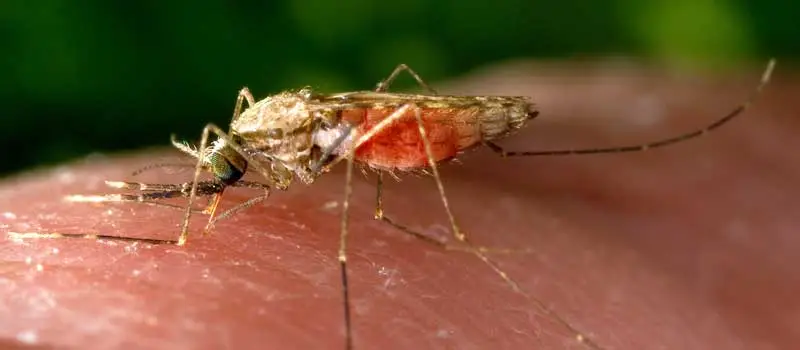
Understanding Temephos and Its Role in Vector Control
Diseases spread by mosquitoes are still a big problem for public health around the world. Organophosphate compounds are at the top of vector management strategies because they are very good at killing larvae. Because of this, there is always a need for trustworthy, scientifically proven solutions that can be used with confidence by city governments, farms, and pest control businesses.
What Makes Temephos an Effective Larvicide?
This non-systemic insecticide works only on aquatic larval stages. Its chemical formula is C16H20O6P2S3. Broad-spectrum adulticides kill flying mosquitoes, but this compound stops neural function while the brain is still developing. Larvae absorb the active ingredient through their cuticle and digestive tract. This quickly stops enzymes from working normally, which stops muscles from working normally and eventually kills them.
Its ability to selectively kill pests is a major benefit of integrated pest management programs. Many other organophosphates are much more dangerous to fish, birds, and mammals than this one when used at the right concentrations. This safety margin lets it be used in water storage systems for drinking water and farms without putting people's health at risk.
Spectrum of Controlled Vectors
Hontai makes technical-grade products that are formulated to kill a wide range of vector species. Mosquitoes that carry malaria parasites, called Anopheles, are very sensitive to granular applications in rice paddies and irrigation ditches. Aedes aegypti and Aedes albopictus are the main mosquitoes that spread the dengue and Zika viruses. Slow-release sand granule formulations can be used to effectively control these pests in urban container habitats.
The compound works well against more than just mosquitoes. It also works against Simulium blackfly larvae in moving water and some midge populations that cause problems around farms. In some agricultural settings, it can also be used to get rid of thrips, some species of cutworms, and other crop pests. However, mosquito larvae are still the main registered use case.
Safety Profile and Environmental Considerations
The data on toxicity show that this compound is very safe when used as directed on the label. The WHO says that 1 mg/L is the highest concentration that should be used to treat drinking water. This dose keeps people safe while killing all larvae. Studies have shown that at operational concentrations, neither humans nor animals accumulate the chemicals.
How long Temephos 90%TC stays in the environment depends on the chemistry and organic content of the water. In clean water with a neutral pH, the compound stays active for 8 to 12 weeks in granular forms. Conditions that are very organic or alkaline may speed up degradation, which means that it needs to be done more often. Unlike synthetic pyrethroids, which can harm aquatic invertebrates, or bacterial agents like Bti, which need to be used at exact times, this organophosphate has stable residual activity that can be used in a wide range of aquatic environments.
Step-by-Step Guide: How to Use Temephos Effectively?
To do implementation right, you need to know about differences in formulation, the features of the habitat, and when to apply the product. The advice below is based on best practices learned over many years of working in public health and agricultural vector control programs.
Selecting the Right Formulation and Dosage
Hontai makes a number of different formulations that are made to fit the needs of different operations. The 1% Gr (granular) formulation has the active ingredient attached to sand particles and is meant to be applied by hand to small water containers, cisterns, and decorative ponds. Each granule slowly releases the compound, which protects for a few weeks without the need for any special tools.
The 5% Gr formulation has a higher concentration, which is good for larger surface areas like catch basins, agricultural drainage ditches, and lagoons for treating water. This choice lowers the total weight of the materials that workers have to move and use over large treatment areas.
For large-scale businesses, 50% EC (emulsifiable concentrate) gives a liquid that mixes easily with water for power spraying systems or automated dispensing systems. This formula works well for vector control programs run by cities that take care of hundreds of hectares of wetlands or irrigation infrastructure. Agrochemical distributors use the 91% TC (technical concentrate) as a starting point to make their own private-label products or custom formulations.
The amount of water and organic matter is used to figure out the dose. Clean bodies of water need about 0.1 to 0.5 mg/L of active ingredient, while habitats that are heavily polluted or have a lot of organic matter may need up to 1 mg/L. Agricultural water storage tanks usually get 10 to 15 grams of a 1% granular mixture for every 1,000 liters of water. For municipal drinking water storage, precise dosing at a maximum concentration of 1 ppm is needed.
Application Methods for Different Scenarios
For residential water storage containers, rooftop cisterns, and smaller agricultural reservoirs, manual dispersal works well. As operators walk around the edge, they spread granules out evenly on the water's surface. The sand carrier slowly sinks the granules, spreading the active ingredient throughout the water column as they break down.
Automated systems for dispensing water can work with irrigation systems or city water networks. Metering pumps inject an emulsifiable concentrate at set times, so larvicidal concentrations stay the same without any extra work. This method works well for large-scale farming operations that need to manage many irrigation zones over a lot of land.
Helicopter or drone applications allow treatment of wetlands that are hard to get to, flooded farm fields, and large rice paddies. This method needs special tools and permission from the government, but it can quickly treat large areas. Calibration makes sure that the doses are distributed evenly and that there isn't too much environmental deposition.
Timing Applications to Breeding Cycles
Different mosquito species have different ways of reproducing that are affected by temperature, rainfall, and the length of daylight. In tropical areas, Aedes mosquitoes breed all the time, so they need to be treated every month to stay under control. In temperate zones, Culex populations are at their highest during the warmer months. Treatment starts in early spring, before the populations grow.
Monitoring the number of larvae by taking regular samples determines how often to apply. When monitoring shows that less than 10% of treated larvae survive, the current schedules are still good enough. Finding fourth-instar larvae or pupae means that the treatment needs to be repeated or the dose needs to be changed.
According to protocols for resistance management, chemical classes should be switched every year, or biological control methods should be used in between chemical treatments. This method slows down the growth of resistance while keeping population control effective for many generations.
Comparing Temephos with Other Mosquito Larvicides
When making B2B purchasing decisions, it's important to know the pros and cons of each larvicide option. Each compound has different cost structures, performance characteristics, and regulatory issues that affect how well it works in different situations.
Mechanism and Efficacy Differences
Bacillus thuringiensis israelensis (Bti) is a biological alternative that makes protein crystals that are poisonous to mosquito larvae when they eat them. Bti is safe for the environment and doesn't react with other chemicals, but it needs to be used more often because it breaks down quickly in the sun and doesn't work after 7–10 days. Even though it is used more often, programs that treat temporary habitats or areas that are sensitive to the environment often choose Bti.
Temephos stops insects from changing into different types of insects by controlling their growth. Methoprene stops larvae from turning into adults, but they keep using up resources and space in their habitat. This delayed death rate can make density assessments more difficult. Methoprene works well for long-term control in bodies of water that don't change, but it doesn't work as well in places with lots of organic matter, where microbes break it down faster.
Diflubenzuron stops the production of chitin, which stops larvae from making the right exoskeletons when they molt. This method gives long-lasting control for a few weeks, but its effectiveness varies between mosquito species. Because it is expensive, diflubenzuron is usually only used in high-value farming situations or important public health interventions.
The organophosphate method kills quickly, leaves behind predictable activity, and works well on a wide range of vector species. Because of these qualities, it is very useful for emergencies that need to reduce the population right away or for programs that treat different types of habitats within a single operational framework.
Cost-Effectiveness Analysis
Prices for each treatment unit of different types of larvacide are very different. When you look at the cost per hectare, bacterial products usually cost 1.5 to 2.5 times more than granular organophosphate formulations. But because the residual activity lasts for less time, more applications are needed, which makes the cost difference between seasonal treatment programs even bigger.
Growth regulators are in the middle. They offer longer control, which lowers the cost of labor needed for frequent applications. When procurement managers look at the total cost of a program, they have to take into account the unit product price as well as the equipment needed, the availability of labor, and the logistics of transportation.
Distributors and large-scale farming operations can save a lot of money by making bulk purchases with manufacturers like Hontai. When compared to buying on the spot market, annual contracts that include delivery schedules and volume commitments usually get 15 to 25 percent discounts. Importers that serve more than one regional market can get better prices by combining their orders.
Regulatory and Environmental Considerations
The status of registration varies from place to place. The EPA keeps active registrations for use in public health vector control programs across the United States, as long as the labeled restrictions on application rates and treatment sites are followed. European regulations are making it harder to use organophosphates, which is good for distributors who can offer alternatives that are compliant or get exemptions for public health reasons.
In environmental impact assessments, the toxicity in water, the chance of bioaccumulation, and effects that were not intended are all looked at. When used according to the directions on the label, this compound has a good effect on the environment and doesn't hurt fish populations or helpful aquatic insects. Operators need to be careful not to use too much and keep an eye on buffer zones near sensitive aquatic ecosystems that are sensitive.
Certifications that prove the quality of the product and that it meets all regulations are necessary for business-to-business transactions. Hontai follows strict quality control procedures that are in line with FAO and WHO guidelines. This makes sure that all of their products are the same and helps their customers meet the requirements for regulatory filing.
Procurement Guide: Sourcing Quality Temephos Products
Finding trustworthy suppliers is very important for agricultural distributors, pest control businesses, and city purchasing departments. Product quality, the dependability of the supply chain, and government support all have a direct effect on how well a program works and how long it can run.
Evaluating Manufacturers and Distributors
Product consistency and supply stability depend on how well a company can make things. Hebei, China, facilities, like Hontai's production operations, benefit from an established agrochemical industry infrastructure, a skilled technical workforce, and being close to suppliers of raw materials. Because of these things, prices can be competitive without lowering quality standards.
As part of quality control procedures, HPLC analysis should be used to make sure that the active ingredient content meets certain purity levels. For technical concentrates, this level should be at least 91%, and formulated products should have concentrations that match the labels. When the acidity level is less than 0.3% w/w, it means that the material is ready to be synthesized and stored. Water content limits stop hydrolytic degradation during transport and storage.
Different markets have different requirements for export documents. Manufacturers that do business with international customers keep safety data sheets, certificates of analysis, and regulatory dossiers that make it easier for goods to be imported. Hontai's professional team helps customers figure out how to meet the documentation needs of the North American and European markets.
Negotiating Supply Agreements
Preferential pricing structures are possible with volume commitments. Agricultural cooperatives that combine the needs of many member farms get better terms than buyers from individual farms. Distributors who expect annual volumes of more than 10 metric tons can usually get tiered pricing schedules that reward loyalty and stable demand.
Delivery terms have a big effect on the total cost of procurement. Buyers take on the shipping responsibility and risk when the price is FOB (free on board), while CIF (cost, insurance, freight) arrangements include delivery to destination ports. The real value propositions can be found by looking at total landed costs instead of unit prices alone.
Payment terms show how credit is handled and how risky the transaction is. For new customers, the terms are usually a letter of credit or an advance payment. For existing accounts, the terms may be net-30 or net-60. Changes in the value of the Chinese yuan against major trading currencies make long-term contracts more complicated due to exchange rates.
Compliance and Documentation Requirements
Certain labeling, packaging, and registration paperwork are required by import laws. Products going into the US need to have EPA registration numbers, and products going into the EU need to follow CLP (Classification, Labeling, and Packaging) rules. Manufacturers like Hontai that know what the destination market needs make customs clearance faster and lower the risk of rejection.
All commercial shipments must include safety data sheets that tell first responders and handlers about the dangers, how to give first aid, and how to protect the environment. The formats of these documents are internationally standard, which ensures that they are the same all along the global supply chain.
Certificate of origin paperwork shows where a product was made, which supports preferential tariff treatment under trade agreements and meets anti-dumping requirements. When buying from a new supplier with a big contract value, buyers should check what the manufacturer says by auditing the facility or getting a third party to do it.
Best Practices for Temephos Application in B2B Operations
Implementation experience in the real world shows operational strategies that get the job done while keeping costs low and following the rules. The following case studies show how practical approaches can be used in a variety of business areas.
Municipal Vector Control Programs
A city's sanitation department that takes care of 500,000 people used granular formulations to get rid of mosquitoes in all 3,200 storm drain catch basins. During mosquito season, treatment cycles happen every six weeks. Compared to baselines before the program, the number of adults caught in traps dropped by 85%. The program combined treatment for larvae with public education campaigns about how people store water in their homes.
Some important factors that led to success were GIS mapping of treatment sites, tablet-based applications that tracked technician productivity and coverage, and resistance monitoring protocols that took samples of larvae every three months for testing their susceptibility. When monitoring showed that some areas were less effective, switching to bacterial larvicides for two treatment cycles made the area fully susceptible again before going back to using organophosphates.
A study of costs showed that this program had 40% lower costs per person than other methods of killing adults, and it also prevented more diseases, as shown by better monitoring of arboviruses in mosquito populations and reporting of clinical cases.
Agricultural Water Management
In California's Central Valley, a 5,000-hectare rice farm used larvicidal treatment as part of its irrigation management. During field flooding, automated metering systems pumped emulsifiable concentrate into distribution channels. This kept the larvicidal concentrations consistent throughout the irrigation system.
This method, using Temephos 90% TC, stopped mosquitoes from breeding in flooded rice fields without hurting aquatic insects that are good for integrated pest management. The use of larvicides did not have any effect on crop yields, but 60% fewer workers missed work because of mosquito-borne illnesses during treatment years compared to the averages for previous years.
The business worked with a regional distributor to keep inventory levels above and below what was needed for irrigation, which made sure that the product was available during key application windows. Prices were 20% lower than spot market rates thanks to bulk purchasing agreements, which made the program more cost-effective.
Commercial Pest Control Operations
An urban pest management company added mosquito control to its list of services for commercial buildings, government contracts, and housing developments. According to the treatment protocols, granular applications should be made every three months to ornamental ponds, water features, and stormwater retention basins.
Service technicians got special training in evaluating aquatic habitats, figuring out dosages, and applying chemicals in a way that ensures consistent results on a wide range of properties. The company created its own monitoring protocols to record the number of larvae before and after treatment. This gave clients quantitative proof that the program was working.
This approach added value and set the company apart from competitors who offered generic mosquito services with no proof of results. Over 90% of clients were kept on for three years, and adding more properties to the service led to 35% annual revenue growth in the mosquito control division.
Conclusion
To use organophosphate larvicides effectively, you need to know how they are made, how much to use, and when to use them based on the biology of the target species. When used as part of a full management plan, this compound effectively kills mosquito larvae, blackfly immature stages, and some agricultural pests. When making a procurement decision, it's helpful to look at the quality systems of manufacturers, the support for regulatory compliance, and the reliability of the supply chain. Real-life case studies show how cost-effective implementation can be in public health programs run by cities, farms, and businesses that provide pest control. Successful programs choose the right products and use monitoring protocols to find new resistances and make sure that management strategies are always changing to keep the program working over multiple seasons.
FAQ
Q1: What water conditions affect the performance of larvicides?
The temperature, pH, and amount of organic matter in the water all have a big effect on how well it works and how long it stays active. Chemicals break down faster in alkaline conditions above pH 8.0, which can shorten their persistence from 12 weeks to 4-6 weeks in some cases. Because high organic loads absorb active ingredients, higher doses are needed to keep them working. When treating agricultural drainage ditches or areas where animals drink, operators should use 50–100% more of the chemical than they would in clean water environments. When the temperature drops below 15°C, the metabolism of larvae slows down. This makes it take longer for them to die completely. Testing the water quality on a regular basis helps with changing the dosage so that it is most cost-effective without sacrificing control goals.
Q2: How does resistance develop, and how can programs prevent it?
People who are repeatedly exposed to organophosphate compounds are more likely to have genetic changes that make them resistant to them. When mosquito populations go through 20 to 30 generations of continuous selection pressure, their susceptibility may drop by 10 times. Some ways to stop pests are to switch between chemical classes once a year, use biological control methods like Bti during some parts of the treatment season, and keep population suppression levels low enough to avoid too much selection pressure. Every year, surveillance programs should do bioassays that compare larvae collected in the field to strains that are susceptible in the lab. This way, resistance can be found before problems happen. Early detection lets management make changes that keep the product useful in the long term.
Partner with a Trusted Temephos Supplier
The larvicide formulas that Hebei Hontai Biotech Co., Ltd. sells for Temephos are reliable, and the company offers professional technical support and quick global logistics. Our factory makes 1% Gr, 5% Gr, 50% EC, and 91% TC mixtures that meet international quality standards and can be used in public health and agriculture. We know that procurement managers need consistent product quality, the ability to make changes to the product, and on-time delivery that fits with operational schedules. Our skilled team provides full application guidance, regulatory documentation, and after-sales service to make sure that the program is implemented successfully. We offer competitive pricing and stable supply partnerships, no matter if you run a vector control program for a city, an agricultural business, or a distribution network. Contact admin@hontai-biotech.com to talk about your specific needs with knowledgeable product specialists who can suggest the best formulations and delivery times.
References
1. World Health Organization. "Guidelines for Laboratory and Field Testing of Mosquito Larvicides." WHO Technical Report Series, 2005.
2. Mulla, M.S., and Tiahrt-Klaassen, K. "Resistance in Mosquitoes to Organophosphate and Carbamate Insecticides." Journal of the American Mosquito Control Association, 1999.
3. American Mosquito Control Association. "Best Management Practices for Integrated Mosquito Management." Technical Manual Series, 2017.
4. United States Environmental Protection Agency. "Reregistration Eligibility Decision for Temephos." EPA Publication 738-R-99-001, 1999.
5. Lacey, L.A. "Bacillus thuringiensis serovariety israelensis and Bacillus sphaericus for Mosquito Control." Journal of the American Mosquito Control Association, 2007.
6. Rose, R.I. "Pesticides and Public Health: Integrated Methods of Mosquito Management." Emerging Infectious Diseases Journal, 2001.

Our customers’ satisfaction speaks for our quality — contact us to experience the same reliable service.