- English
- French
- German
- Portuguese
- Spanish
- Russian
- Japanese
- Korean
- Arabic
- Greek
- German
- Turkish
- Italian
- Danish
- Romanian
- Indonesian
- Czech
- Afrikaans
- Swedish
- Polish
- Basque
- Catalan
- Esperanto
- Hindi
- Lao
- Albanian
- Amharic
- Armenian
- Azerbaijani
- Belarusian
- Bengali
- Bosnian
- Bulgarian
- Cebuano
- Chichewa
- Corsican
- Croatian
- Dutch
- Estonian
- Filipino
- Finnish
- Frisian
- Galician
- Georgian
- Gujarati
- Haitian
- Hausa
- Hawaiian
- Hebrew
- Hmong
- Hungarian
- Icelandic
- Igbo
- Javanese
- Kannada
- Kazakh
- Khmer
- Kurdish
- Kyrgyz
- Latin
- Latvian
- Lithuanian
- Luxembou..
- Macedonian
- Malagasy
- Malay
- Malayalam
- Maltese
- Maori
- Marathi
- Mongolian
- Burmese
- Nepali
- Norwegian
- Pashto
- Persian
- Punjabi
- Serbian
- Sesotho
- Sinhala
- Slovak
- Slovenian
- Somali
- Samoan
- Scots Gaelic
- Shona
- Sindhi
- Sundanese
- Swahili
- Tajik
- Tamil
- Telugu
- Thai
- Ukrainian
- Urdu
- Uzbek
- Vietnamese
- Welsh
- Xhosa
- Yiddish
- Yoruba
- Zulu
Where to buy temephos?
share:
You have to deal with a lot of different manufacturers, distributors, and government rules in order to get Temephos, an organophosphate larvicide that works very well. Temephos can be purchased from authorized industrial chemical suppliers who have demonstrated they follow the rules, licensed regional distributors in the US and Europe, and specialized agrochemical companies like Hebei Hontai Biotech Co., Ltd. in China. So that they can meet the needs of their operations, procurement professionals should look for suppliers that offer a variety of formulations, such as 1% granular, 5% granular, 50% emulsifiable concentrate, and 91% technical concentrate. These should also have quality certifications that have been checked and approved by the government.
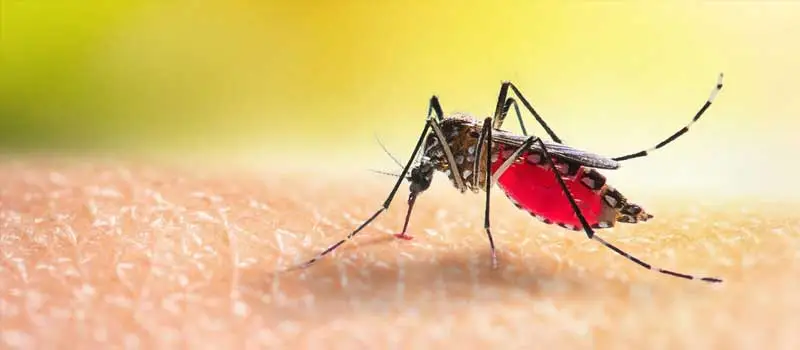
Understanding Temephos: Key Information for Buyers
Temephos is one of the few organophosphate larvicides that have been specifically approved for use in containers that hold drinking water by the World Health Organization. In the field of vector control, this makes it stand out. Its chemical name is O, O, O', O'-tetramethyl O, O'-thiodi-p-phenylene phosphorothioate, and its formula is C16H20O6P2S3. That's because the compound was made to be selective. It only kills mosquito larvae of the Anopheles, Aedes, and Culex species, leaving mammals, birds, and fish safe. A very important procurement problem is how to get rid of organisms that spread disease without hurting people's health or messing up aquatic ecosystems. This selective action solves that problem.
Biochemical Mode of Action and Efficacy
Temephos functions as a cholinesterase inhibitor, which means that it only blocks nerve signals when the larva is submerged in water. Larvae that drink treated water are killed before they can pupate because the compound affects acetylcholinesterase enzymes in their nervous systems. This stops them from moving and kills them. Adulticides kill mosquitoes that are flying, but this larvicide stops the development of adults that bite. Infectious diseases like dengue, Zika, and malaria can't spread because of this. Field tests in tropical and subtropical areas have shown that levels as low as 0.02 to 1 part per million are enough to work. After being put on as slow-release granules, the active ingredient can work for up to 90 days in containers with still water.
Safety Profiles and Environmental Considerations
People in charge of buying things usually worry about organophosphates because they are bad for mammals and the environment. Temephos differs from other insecticides in that its acute oral LD50 in rats is greater than 8,600 mg/kg. Because it has this safety buffer, it can be used in drums and cisterns that people use to store water without having to first fill them up with fresh water. Environmental risk assessments show that bioaccumulation doesn't happen very often in water-based food chains. But because it's not too dangerous to crustaceans, people who use it need to be careful not to use too much near places where shrimp or crayfish live.
Regulatory Frameworks and Compliance Requirements
You need to know how the rules work if you want to get Temephos 90%TC to use across borders. We have registered Temephos with the U.S. Environmental Protection Agency for certain types of use. Labels, safety data sheets, and batch analysis certificates must all be correct and come from the suppliers. In the same way, the Biocidal Products Regulation in the EU says that products must come with detailed dossiers that show how they will harm the environment and people. Buyers need to make sure that sellers give them all the paperwork they need, like a Certificate of Analysis (CoA), phytosanitary certificates, and WHO/FAO specification compliance statements. If they don't, they could face delays at customs and legal issues.
Comparing Temephos with Alternative Larvicides for Informed Decisions
To get the best larvicide, you need to think about how well it works, how much it costs, how bad it is for the environment, and how to deal with resistance. In the same market as Temephos, there are also biological controls like Bacillus thuringiensis israelensis and methoprene-based insect growth regulators, as well as chemical controls like fenthion and malathion. The people who work in procurement have to weigh the pros and cons of each option against the needs of the business.
Chemicals like malathion quickly kill larvae, but they are more dangerous to mammals and only work for a short time, so they need to be used more often, which costs more in terms of labour and tools. There are strict rules about where and how much fenthion can be used because it stays in the environment for a long time. On the other hand, biological pesticides like Bti are very safe for the environment and don't hurt other things much. They lose their effectiveness quickly, though, when there is a lot of organic pollution or rough water. Because of this, they need special cold-chain logistics that make it harder to buy them in bulk.
When it comes to strategy in this market, Temephos is in the middle of the pack. It is chemically strong and controls residuals for a long time, which is important for large-scale city programs. Also, it has a safety profile that lets you use it in places where drinking water is at risk. A cost analysis shows that granular formulations cost more per kilogram at first, but they last longer and cost less to own than seasonal control programs because they don't have to be used as often and don't require as much labor. Temephos is also liked by resistance management. It slows the growth of resistant mosquito populations when used with biological agents or insect growth regulators in integrated vector management programs. This is becoming a bigger problem in places where pyrethroids are the only pesticides used.
More and more, public health departments that deal with mosquitoes in cities are using a mix of spraying adulticides in certain areas and using Temephos to kill larvae that are found in water containers around the house. This method gets rid of vectors as well as possible while also lowering chemical exposure and loading on the environment. The fact that this is true shows that the compound is not a complete answer on its own.
Where and How to Buy Temephos: Global Procurement Channels
Finding reliable suppliers who can meet quality, compliance, and delivery needs is the hardest part of buying things for Temephos. Asian countries are home to most of the manufacturers. Authorized distributors serve markets in the region, and industrial chemical brokers make it easier for businesses to do business across borders.
Direct Manufacturer Sourcing from Asia
Most of the world's organophosphate larvicides are made by Chinese companies. They have good prices on technical concentrate grades (91% TC) and formulated products (1% GR, 5% GR, and 50% EC). Hebei province is home to several ISO-certified facilities. Hebei Hontai Biotech Co., Ltd. is one of them. It follows GMP rules and keeps export compliance paperwork for markets in Europe and North America. When you work directly with manufacturers, you can get better prices on orders over 500 kilograms, change the formulation to fit your needs, get technical support teams that know how to handle problems that arise in the field, and change the labelling and packaging to meet OEM standards. To make sure that manufacturers are who they say they are, procurement managers should use third-party audits. They should ask for recent batch analysis certificates and see how much experience the manufacturer has working with international public health organizations.
Regional Distributors and Authorized Agents
Most of the time, agricultural chemical distributors in the US, Canada, and Mexico have ready-to-use mixes on hand for quick or small orders. These middlemen make it easier to follow the rules because they handle the paperwork for importing goods and keeping up with registrations in the United States. On the other hand, the unit costs are usually 15–30% higher than when you buy from the manufacturer. Distributors that focus on public health vector control products often offer extra services that help local health departments and pest control companies. These services include application training, help with calibrating equipment, and programs for managing inventory.
Online B2B Platforms and Industrial Suppliers
Digital platforms for buying chemicals connect people from all over the world with chemical suppliers who have been checked out. These platforms make it easy to buy by showing reviews from other buyers, transaction histories, and payment protections that are taken care of by the platforms themselves. When suppliers want to list their goods on a reputable platform, they have to show proof of their business licenses, production permits, and quality certifications. People who want to buy something should be careful and test a sample first to make sure it's real before they buy a whole container of it. This is because quality problems can happen in open markets.
Essential Supplier Credentials and Documentation
As you look at possible suppliers, those that can show you a full compliance infrastructure should get more attention. One set of important papers to have is an ISO 9001 quality management certificate, which says the production process is standardized; another set of important papers includes phytosanitary and sanitary certificates for exports; a batch-specific Certificate of Analysis that shows the concentration of active ingredients, acidity levels, and contaminant testing; and finally, an ISO 9001 quality management certificate. This says the product is pure and doesn't contain any impurities. When suppliers either can't or won't give this paperwork, it makes the procurement process more risky than is acceptable.
Procurement Best Practices and Logistics for Bulk Buying
When you buy a lot of Temephos, you need to be very careful about quality control and logistics so that the product stays the same from the factory to the place where it is used. Buying agrochemicals from other countries has been done successfully in the past. Procurement managers can avoid common problems by carefully evaluating suppliers and making contracts.
Samples are checked by outside labs before they are sent out. This is the first step in making sure the quality is right. A third party should check that the active ingredient content meets certain purity levels, usually at least 90.0% for technical concentrate, which are set by the FAO. You should be given samples from different production batches that are representative of the whole. If you use sulfuric acid as a measure of acidity, it should stay below 0.3% weight per weight so that the mixture doesn't become unstable and tools don't rust during the next steps. Find out how much water is in something to make sure that the right packaging keeps out the water that breaks down the bonds between molecules that make up esters.
It makes a big difference in how long something lasts and how well it works, depending on how it is stored. When it gets too hot, technical concentrates and emulsifiable concentrates break down. To keep them safe, keep them in cool, dry places that stay below 30°C. There must be a tight seal on the containers to keep any air-borne moisture out. If you store granular formulations in their original multilayer kraft paper bags or polyethylene-lined containers the right way, they will work for 24 months. Buyers who are in charge of managing inventory at more than one distribution point should use first-expired-first-out rotation systems and regularly test materials for stability to make sure they are used in the field during their most effective time frames.
Getting the right INCOTERMS for your company's import infrastructure, marine cargo insurance that covers chemical product classifications, and customs brokers who know how to clear pesticides and insecticides are all parts of setting up logistics for international shipments. It usually takes 30 to 45 days to ship containers from Asian ports to coastal U.S. destinations. It takes an extra 7 to 14 days for transportation within the country. Making plans to buy things at times of the year when mosquitoes are most active will help make sure that there are enough supplies before important application windows open.
Building long-term relationships with suppliers means more than just buying things from them once. Set up clear ways to talk about technical questions, agree on how to handle quality complaints and when to respond, and talk about framework agreements to keep prices the same for long-term contracts. Because they add value, suppliers who offer agronomic support services like application rate calculators, resistance management advice, and regulatory update notifications are worth the time and money to build a relationship with them.
Case Studies and Testimonials: Successful Temephos Procurement Examples
This section talks about the most common problems that happen when buying Temephos for large-scale vector control programs. It also shows the best ways to get them. These examples show how picking a strategic supplier and keeping a close eye on quality can help an operation run smoothly.
As part of a strong mosquito control plan, a city in the southeast of the United States with 300,000 people needed 2,500 kg of 1% granular Temephos every year to treat residential catch basins, storm drain systems, and ornamental ponds. The buying team looked at seven possible suppliers and chose one in Hebei that was ISO 9001 certified, had labels that met EPA standards, and had been supplying other US public health agencies for five years. By making a deal for three years, they were able to get volume discounts that cut the price per kilogram by 18% and delivery windows that worked with when mosquitoes are active in the spring and summer. Field technicians learned how to use the product from the supplier, who showed them how to calibrate hand-held granule applicators and keep track of treatments so that the supplier could report them to the government. Over three seasons, the program was able to cut the number of larvae in treated areas by 76% while still following the rules. This showed that the strategy for getting things worked.
An OEM client that made private-label mosquito control products for homes and farms needed a reliable source for both Temephos 90%TC technical concentrate and granules that were already made. They worked with a company that could make unique shapes of packaging, such as bulk totes and unit-dose sachets. It was also possible to change the minimum order quantity, which allowed the product line to be tried out before it went on sale to everyone. For 18 months after each production batch, samples were kept by the supplier so that they could be tested again in case there were problems in the field. This was part of their quality control process. Since they worked together, the product was able to be launched successfully in six states. Because more people wanted the product, the OEM placed more orders to cover more larvicide product lines.
There are important lessons to be learned about procurement from these cases. Spending time carefully screening suppliers stops quality problems that hurt program results; framework contracts with reliable suppliers ensure supply security and predictable costs; and great suppliers stand out from those who are just good enough by being able to provide excellent technical support. Buyers always get better results from their relationships with suppliers when they see them as strategic partnerships instead of just business deals.
Conclusion
A good procurement process for Temephos takes into account technical needs, follows the rules, saves money, and ensures the supply chain is stable. This guide has looked at what makes the compound special as a WHO-approved larvicide that can be used in potable water. It has also compared how well it works with other vector control agents, found reliable supplier channels around the world, and talked about the best ways to make sure quality and manage logistics. Working with well-known manufacturers who give clear instructions, technical help, and consistent quality is a good way to measure the success of a program, as shown by the case studies. If you buy Temephos strategically, make sure the supplier has good credentials, negotiate framework agreements, and stick to high-quality standards, your organization will be able to run effective vector control programs that protect public health and make the most of operational budgets.
FAQ
Q1: Can I purchase temephos online for international delivery?
Several B2B platforms and manufacturer websites make it easier to do business with Temephos internationally. People who want to buy dangerous goods must make sure that the seller has the right export licenses and shipping paperwork. There are rules in some places that make it illegal to sell things online. You need to work with licensed importers or distributors who know how to get goods through customs instead.
Q2: What documentation verifies authentic temephos quality?
Every batch of goods made by a reliable supplier comes with a Certificate of Analysis. By testing it with HPLC, measuring how acidic it is, and making impurity profiles, this proves that the active ingredient is pure. When you ask for copies of things like manufacturing licenses, third-party lab test reports, and WHO prequalification documents, make sure you get the real ones. Along with each other, these papers show that the item is real and follows all the rules.
Q3: How do I validate supplier regulatory compliance?
For sales in the U.S., ask for proof that the company is registered with the right authorities. For sales in Europe, ask for EU Biocidal Product authorizations. Use official databases kept by the government to check what the supplier says. To make sure that all the paperwork is in order before signing the purchase agreement, hire customs brokers who know the rules for bringing pesticides into the country. Suppliers who are telling you the truth will be happy to do so right away.
Source Quality Temephos from Hontai – Your Trusted Manufacturing Partner
Hebei Hontai Biotech Co., Ltd. sends mixtures of Temephos that are safe for use in medicine to farming companies, pest control companies, and distribution networks all over the world. We sell Temephos and are based in Shijiazhuang. We use quality systems that are ISO 9001-certified and full WHO/FAO specification compliance documentation to make formulations with 1% GR, 5% GR, 50% EC, and 91% TC. Our professional technical team gives you application advice that is tailored to the problems you are having with vector control. You can be sure that your orders will get to North America and Europe on time thanks to our fast supply chain. Send an email to admin@hontai-biotech.com right now to get information about the products, certificates of batch analysis, and good bulk prices.
References
1. World Health Organization (2009). WHO Specifications and Evaluations for Public Health Pesticides: Temephos. Geneva: WHO Pesticide Evaluation Scheme.
2. U.S. Environmental Protection Agency (2017). Reregistration Eligibility Decision for Temephos. Office of Pesticide Programs, Washington, D.C.
3. Food and Agriculture Organization (2016). FAO Specifications and Quality Control for Pesticides: Technical Material and Formulated Products. Rome: Plant Production and Protection Division.
4. Mulla, M.S., Thavara, U., Tawatsin, A., & Chompoosri, J. (2003). "Procedures for the Evaluation of Field Efficacy of Slow-Release Formulations of Larvicides Against Aedes aegypti in Water-Storage Containers." Journal of the American Mosquito Control Association, 19(4), 408-411.
5. Pan American Health Organization (2018). Guidelines for Larviciding Procedures in the Americas: Technical Requirements for Temephos Application in Vector Control Programs. Washington, D.C.: PAHO Regional Office.
6. Becker, N., Petric, D., Zgomba, M., Boase, C., Madon, M., Dahl, C., & Kaiser, A. (2020). Mosquitoes: Identification, Ecology and Control (Third Edition). Springer International Publishing, Chapter 14: Chemical Control Agents.
Our customers’ satisfaction speaks for our quality — contact us to experience the same reliable service.