- English
- French
- German
- Portuguese
- Spanish
- Russian
- Japanese
- Korean
- Arabic
- Greek
- German
- Turkish
- Italian
- Danish
- Romanian
- Indonesian
- Czech
- Afrikaans
- Swedish
- Polish
- Basque
- Catalan
- Esperanto
- Hindi
- Lao
- Albanian
- Amharic
- Armenian
- Azerbaijani
- Belarusian
- Bengali
- Bosnian
- Bulgarian
- Cebuano
- Chichewa
- Corsican
- Croatian
- Dutch
- Estonian
- Filipino
- Finnish
- Frisian
- Galician
- Georgian
- Gujarati
- Haitian
- Hausa
- Hawaiian
- Hebrew
- Hmong
- Hungarian
- Icelandic
- Igbo
- Javanese
- Kannada
- Kazakh
- Khmer
- Kurdish
- Kyrgyz
- Latin
- Latvian
- Lithuanian
- Luxembou..
- Macedonian
- Malagasy
- Malay
- Malayalam
- Maltese
- Maori
- Marathi
- Mongolian
- Burmese
- Nepali
- Norwegian
- Pashto
- Persian
- Punjabi
- Serbian
- Sesotho
- Sinhala
- Slovak
- Slovenian
- Somali
- Samoan
- Scots Gaelic
- Shona
- Sindhi
- Sundanese
- Swahili
- Tajik
- Tamil
- Telugu
- Thai
- Ukrainian
- Urdu
- Uzbek
- Vietnamese
- Welsh
- Xhosa
- Yiddish
- Yoruba
- Zulu
What is spiromesifen used for?
share:
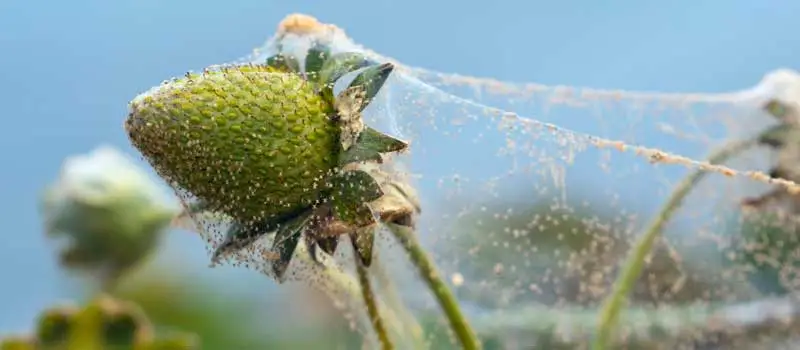
Spiromesifen is a very selective acaricide and insecticide that is used to get rid of pests that cost commercial agriculture money. Its main job is to get rid of whiteflies, spider mites, and other bugs that eat plant sap and hurt fruit, vegetable, and flower plants. In the early stages of a pest, this IRAC Group 23 lipid biosynthesis inhibitor stops acetyl-CoA carboxylase activity. This stops the pest from growing and reproducing. This active ingredient isn't like other contact insecticides because it kills bugs for a long time while keeping good bugs safe. This is why integrated pest management programs are so important in large-scale farming.
Understanding Spiromesifen: Chemical and Functional Overview
Spiromesifen works on lipid synthesis pathways in a different way than other pesticides. It is a spirocyclic tetronic acid derivative that stops metabolic processes that pests need to grow and lay eggs. It works by attacking eggs, larvae, nymphs, and other immature stages of life. It doesn't hurt adults as much. But adult females that have been treated lay eggs that can't live. This keeps pest populations from having more offspring.
Mode of Action and Biochemical Pathway
It stops an enzyme called acetyl-CoA carboxylase from doing its job. Arthropods need this enzyme to make fatty acids. Without functional lipid production, mites and whiteflies that are still growing can't make cellular membranes or energy stores. In other words, they die three to seven days after the application. It's not the same as neurotoxins that work quickly; its effects last longer and are stronger. It is more of a tool for keeping people from spreading than a knockdown agent because of this. There are studies in the field that show it works very well against species that are not hurt by pyrethroids or organophosphates. Businesses that grow plants will no longer have to worry about one of their biggest problems.
Safety Profile and Regulatory Compliance
The government says that this active ingredient doesn't hurt mammals or pollinators too much when used as directed on the label. It sticks to the cuticles of leaves quickly because it likes fat, and it stops raining two to four hours after painting. Environmental fate studies show that there isn't a lot of chance of leaching and that the soil breaks down quickly. This makes it less likely that groundwater will become contaminated. As long as it meets EPA and EU standards, it can be used by farming companies that want to export but need to follow strict limits on residue.
Spiromesifen Applications: Pest Control Spectrum and Methods
This chemical is used by farmers to get rid of pests that keep coming back in different types of crops. It kills a lot of different kinds of pests that hurt crops by eating them and spreading viruses that can make crops less useful and less likely to sell.
Target Pests and Crop Systems
The main pests that are gone after are two-spotted spider mites (Tetranychus urticae), whiteflies (Bemisia tabaci and Trialeurodes vaporariorum), and broad mites (Polyphagotarsonemus latus). These bugs do a lot of damage to crops like citrus orchards, cotton fields, greenhouse vegetables like tomatoes and cucumbers, and high-value ornamental plants. For the compound to reach pests on the undersides of leaves, where regular sprays don't always reach them, it has to move through leaf tissues.
Some cotton farms that are trying to get rid of neonicotinoid-resistant whiteflies say that the numbers of these bugs dropped a lot after they started using this material more often. People who own greenhouses like that it can be used with biological control programs because predatory mites (Phytoseiulus persimilis) can handle enough exposure to kill pest species. Horticulturists depend on its mite-proof properties during important flower-bud stages to keep exported flowers free of mite scars.
Formulation Types and Application Protocols
There are two types of commercial formulations: suspension concentrates (SC) and emulsifiable concentrates (EC) of Spiromesifen. Each one was made to work in a certain setting and with a certain kind of tools. Particles in the SC formula are usually less than five microns across. This makes the leaves more protected from rain and better at covering them. Depending on how bad the pest problems are and how dense the crop canopy is, 150 to 240 grams of the active ingredient, Spiromesifen, can be used per hectare.
Applicators get the best results when they go after early nymphal stages, before populations get big enough to be economically important. When you use high-volume foggers for protected cultivation and boom sprayers on field crops, the spray volumes should be high enough to cover the whole area without making too much runoff. It's usually fine to mix fungicides in a tank as long as their pH is neutral. Copper compounds that are very alkaline, on the other hand, might break down the active molecule by hydrolysis. Mixing it with Bordeaux or lime sulfur mixtures will kill any living things that might be in the product and make it less stable.
Integration with IPM Frameworks
IRAC Group 23 compounds that work in different ways should be switched between to keep their long-term effectiveness. You can stop the pressure that causes resistance to grow when you use mitochondrial electron transport inhibitors (METI acaricides) or avermectins back and forth. By scouting and making decisions based on thresholds, you can keep an eye on pest populations and find the best time to use chemicals. This cuts down on treatments that aren't needed and the costs of those that are.
Farmers who use complete IPM plans use both chemicals and cultural practices, like keeping the area clean, growing trap crops, and taking care of the homes of natural enemies. This all-around method uses selective chemistry in the best way possible while hurting the environment the least. This is important for companies that want to get certifications for sustainability or do business in places where pesticide laws are very strict.
Comparing Spiromesifen with Other Pest Control Solutions
Spirotetramat and Abamectin Comparisons
This drug, called pirotetramat, is built like other drugs, but it can get to plant tissue inside the xylem and phloem that contact-only formulations can't. This trait is helpful for plants whose leaves grow quickly and need to always protect the new growth. On the other hand, the lipid biosynthesis inhibitor we're talking about here is better at killing insects that lay eggs, which makes it better for use early in the season.
The drug abamectin works by blocking chloride channels that are controlled by GABA. This kills adult and pre-adult stages quickly. It cuts down on the population right away, but because it only works at one place, using it over and over again speeds up the growth of resistance. Rotating these materials makes the most of how well their strengths complement each other. The number of people quickly drops with abamectin, and the lipid inhibitor keeps things in check in the long term by stopping reproduction.
Conventional Versus Selective Chemistry
Wide-ranging insecticides, like organophosphates, kill a lot of different types of pests right away. But they also wipe out communities of helpful arthropods that are needed to keep pests in check naturally. Because of this, there is often an imbalance in the ecosystem, which leads to more pest outbreaks and higher costs for treatment and production. Biological control work that is worth thousands of dollars per hectare every year is done for free by parasitoid wasps, predatory beetles, and lacewings. Selective chemistry protects them.
An economic study shows that selective products cost more per unit, but they save money on seasonal pesticides by cutting down on the number of extra treatments needed to deal with resurgences caused by resistance. An even better return on investment is gained when pests that eat crops cause less damage. This is especially true in high-end markets where prices are based on how nice the goods look.
Procurement and Supply Chain Considerations for Spiromesifen
You have to figure out how to get high-quality crop protection products like Spiromesifen 24SC without having to deal with complicated supply chains. You also have to make sure that the products you buy, including Spiromesifen 24SC, are real and follow all the rules.
Manufacturer and Distributor Networks
It is called Hebei Hontai Biotech Co., Ltd. They make technical-grade materials that are 95% pure and products like 240 g/L SC for farms, distributors, and private-label partners all over the world. Suppliers who have been around for a while keep all the paperwork needed to get goods into North America and Europe. This includes safety data sheets, certificates of analysis, and approvals from the government.
When people buy in bulk at certain times of the year, they can save money by going straight to the manufacturers. Businesses in the mid-sized range can benefit from the smaller package sizes that regional distributors offer. The price per unit, on the other hand, usually includes the costs of shipping and keeping stock on hand. When you buy basic chemicals from authorized agents, you can get technical support services like application advice and planning for resistance management. These services add value to the transactions you make.
Quality Verification and Certification
Things that are real have consistent physical traits. As an example, suspension concentrates are off-white to beige in color, weigh between 1.06 and 1.08 g/mL, and have a pH level of 4.0 to 7.0. The particle size distribution analysis should show that the sizes found by the D90 machine are smaller than five microns. It will make sure that the spray works well with living things and has the best properties. For three years after the date it was made, as long as you store it properly, it will not phase separate or lose much of its active ingredient.
It is very hard for countries to trade with each other when agrochemicals are fake or don't meet standards. Professionals in procurement should check a supplier's credentials with groups that work with that industry. They should also ask for analytical certificates that are unique to each batch and consider having high-value orders tested by a third-party lab. When shipments are linked to registered manufacturing facilities with traceability documentation, customers have even more faith that the product is real and follows the rules.
Pricing Dynamics and Logistics
Prices on the market change based on how many raw materials are available, how much the currency is worth, and how demand changes by season. Businesses with multiple locations or distributors who want to stock up before busy application times are more likely to buy in bulk when they can get a discount. Import taxes, freight forwarding fees, and storage costs are all part of the total landed costs. Domestic distribution partnerships are a good choice for shorter lead times and easier customs procedures.
Logistics works best for big companies that ship goods in 200-liter drums in bulk containers. Smaller packages, on the other hand, are better for customers who need to be able to change the amount they order. One way to manage inventory is through negotiating delivery terms. This lets you do things like just-in-time replenishment, which lowers the need for working capital, and advance stockpiling, which makes sure that products are available when supplies are low.
Best Practices and Future Trends in Spiromesifen Usage
To make sure your products work as well as possible while also protecting workers and the environment, you need to follow the rules and stay up to date on changes in your field.
Safety and Handling Protocols
Wearing chemical-resistant gloves, coveralls, and eye protection keeps your skin and eyes from getting too much contact with chemicals while you mix and load. Spraying should only be done when the wind is calm so that the chemicals don't get on nearby homes or sensitive areas. On the labels of products, it says when workers can go back into the field after touching foliage that has been treated. They will be safe until the residues drop to a safe level.
So that the formula stays stable over the time it's stored, the temperature and air flow must be kept between 5°C and 30°C. Things won't get dirty or start a fire if they are kept away from food, animal feed, and flammable materials. As per the rules in your area, empty containers must be washed three times before they can be thrown away. Then, rinse is added to spray tanks to get rid of any active ingredient that is still there and keep it from hurting the environment.
Innovation and Formulation Advancements
Research projects are looking into microencapsulation technologies that can increase residual activity while lowering the number of times they need to be used and the cost of labor. Tank mixes are better when they have better dispersion agents that work well with crop protection products. This lets you get rid of a lot of bugs and diseases with just one spray. Using variable-rate application systems in precision agriculture makes it easier to spread products based on maps of pest pressure. This reduces waste and damage to the environment.
Sustainable farming is getting more attention, so people are making bio-based adjuvants and lower-risk formulations that meet the standards for organic production, such as Spiromesifen 24SC. It is still a man-made compound, but changes to the way it is made have made inert ingredients less dangerous and improved their biodegradability profiles. Products are now more competitive in agricultural markets that care about the environment more and more because of these changes.
Strategic Supplier Partnerships
Deals that last a long time with well-known manufacturers help keep prices stable, make sure that products are available when they're needed most, and make it easier to get technical support. Having a preferred supplier relationship can help seasonal agricultural businesses better manage their cash flow by giving them access to private labeling, custom packaging options, and payment terms that are easier to work with. When people work together, resistance monitoring programs and application optimization trials are better because of the data that is gathered. This leads to better treatment outcomes and higher profits.
Conclusion
Spiromesifen stops lipid biosynthesis in a way that makes it useful for getting rid of pests. It effectively gets rid of whiteflies and mites while protecting helpful organisms that are needed for farming to last. Because it is safe for the environment, works well with integrated pest management (IPM), and has been shown to kill resistant pest populations, it is a good choice. Business farmers who want to make money and be good to the environment can use these traits. Professionals in procurement should learn about application protocols, comparative advantages, and supply chain issues to make sure that everyone can get this important crop protection tool and that things run smoothly and rules are followed.
FAQ
1. Does spiromesifen provide immediate pest knockdown?
Not at all. It stops cells from growing, but it doesn't hurt neurons. Pests stop eating right away after being treated, but they will slowly die over the next three to seven days as their fat stores run out. Its population management plan is to keep the population low for a long time by stopping reproduction instead of getting rid of adults right away. This is why it takes so long to act.
2. Can it be tank-mixed with other agrochemicals?
Fungicides and insecticides that are neutral or slightly acidic can be used together most of the time. It is not a good idea to mix things that have a high pH, like lime sulfur or Bordeaux mixture. The active molecule is broken down by high pH. Test the mixture in a jar before mixing it on a large scale to make sure it works well together and keeps the formulation from becoming unstable.
3. How does it fit into resistance management programs?
And since it is in IRAC Group 23, it doesn't react with neonicotinoids, carbamates, organophosphates, or pyrethroids. Any products in a rotation schedule that have a different mode-of-action class last longer. If we keep an eye on populations in the field to see if treatments are becoming less effective, we can find resistance early on and change how we deal with the issue.
Partner with Hontai for Reliable Spiromesifen Supply
Spiromesifen 24SC is added to Hebei Hontai Biotech Co., Ltd is a trustworthy company that makes spiromesifen and supplies commercial farms all over the world with high-quality products. Our technical-grade stuff is 95% pure, and we make sure that our suspension concentrates meet very strict rules around the world. Their claims are backed up by a lot of analytical data and government approvals. The people who work in procurement need supply chains that they can count on, prices that are competitive for large orders, and fast technical support when problems arise in the field. Our professional team can package your order in any way you want, deliver it at any time, and give you expert advice on how to protect your crop investment through resistance management strategies. You can talk to one of our salespeople about volume pricing, product details, and custom logistics plans by emailing admin@hontai-biotech.com.
References
1. Insecticide Resistance Action Committee (IRAC). "Mode of Action Classification Scheme." Agricultural Pest Management Bulletin, 2022.
2. Environmental Protection Agency. "Spiromesifen: Pesticide Tolerance and Registration Review." Federal Register Documentation, 2020.
3. Journal of Economic Entomology. "Efficacy of Lipid Biosynthesis Inhibitors Against Resistant Whitefly Populations." Vol. 114(3), 2021.
4. Crop Protection Science Review. "Integrated Pest Management Strategies for Specialty Crops." Annual Agricultural Research Publication, 2023.
5. International Journal of Acarology. "Comparative Toxicity of Modern Miticides to Beneficial Arthropods." Vol. 48(2), 2022.
6. Agribusiness Supply Chain Management Quarterly. "Quality Assurance in Global Agrochemical Procurement." Industry Analysis Report, 2023.
Our customers’ satisfaction speaks for our quality — contact us to experience the same reliable service.