- English
- French
- German
- Portuguese
- Spanish
- Russian
- Japanese
- Korean
- Arabic
- Greek
- German
- Turkish
- Italian
- Danish
- Romanian
- Indonesian
- Czech
- Afrikaans
- Swedish
- Polish
- Basque
- Catalan
- Esperanto
- Hindi
- Lao
- Albanian
- Amharic
- Armenian
- Azerbaijani
- Belarusian
- Bengali
- Bosnian
- Bulgarian
- Cebuano
- Chichewa
- Corsican
- Croatian
- Dutch
- Estonian
- Filipino
- Finnish
- Frisian
- Galician
- Georgian
- Gujarati
- Haitian
- Hausa
- Hawaiian
- Hebrew
- Hmong
- Hungarian
- Icelandic
- Igbo
- Javanese
- Kannada
- Kazakh
- Khmer
- Kurdish
- Kyrgyz
- Latin
- Latvian
- Lithuanian
- Luxembou..
- Macedonian
- Malagasy
- Malay
- Malayalam
- Maltese
- Maori
- Marathi
- Mongolian
- Burmese
- Nepali
- Norwegian
- Pashto
- Persian
- Punjabi
- Serbian
- Sesotho
- Sinhala
- Slovak
- Slovenian
- Somali
- Samoan
- Scots Gaelic
- Shona
- Sindhi
- Sundanese
- Swahili
- Tajik
- Tamil
- Telugu
- Thai
- Ukrainian
- Urdu
- Uzbek
- Vietnamese
- Welsh
- Xhosa
- Yiddish
- Yoruba
- Zulu
Where to buy ethephon?
share:
Finding a reliable source for Ethephon 85% powder can be challenging, especially when you need consistent quality, regulatory compliance, and timely delivery. Whether you operate large-scale cotton farms in Africa, manage rubber plantations in Southeast Asia, or distribute agrochemicals across Central America, knowing where to buy Ethephon—and how to evaluate suppliers—directly impacts your operational efficiency and profitability. This comprehensive guide explores global sourcing channels, regional market dynamics, and practical verification strategies to help you make informed purchasing decisions.
Why Global Sourcing of Ethephon Matters
Over the past ten years, the global market for plant growth regulators has changed a lot. It is a systemic pesticide that releases ethylene when it is absorbed. It is used to fight problems in agriculture like pineapple and tomato synchrony, cotton defoliation, and wheat anti-lodging.
Good to make a variety of purchases. Southeast Asian merchants may be able to offer lower prices since they own factories. "European distributors are good at keeping track of paperwork and regulations." Africa has a huge market that is rising, and there is room for partnerships in the area. In dry climates, people in the Middle East liked compounds that didn't change when heated. Experts in the Central American banana and pineapple selling business say that there are problems everywhere. To check the purity of the items, you need to know a lot about technology. 40% soluble liquid / 98% technical grade. "Getting registered takes time and knowledge of the law." This organophosphorus compound breaks down in alkaline or high-heat conditions, which is why storing it around the world is dangerous. To choose the best way to source, you should be aware of how things vary by location.
Understanding Ethephon: Applications and Advantages
This plant growth regulator functions fundamentally differently from nutritional fertilizers or protective pesticides. Once absorbed through leaves, bark, or fruit skin, it breaks down to release ethylene gas—a natural plant hormone triggering senescence, ripening, and abscission processes.
Industrial Cotton Production
The chemical is used in big cotton farms to get fields ready for machine harvesting. Applied at the correct boll maturity, it induces simultaneous leaf drop (defoliation) and boll opening. This synchronisation allows for a one-pass harvest, cutting labour expenses by as much as 60% compared to manual picking. The timing window is crucial. Applying too early would degrade the fibre quality, and applying too late will miss the appropriate weather window.
Rubber Latex Stimulation
Rubber plantations use diluted solutions on the tapping panels to lengthen the time the latex flows. The chemical suppresses natural coagulation processes at the cut site and increases yield per tapping event by 50-100%. Precise control of concentration (often 2.5% to 5%) is needed for this application since overdose may lead to tapping panel dryness and lasting bark damage.
Fruit Ripening Coordination
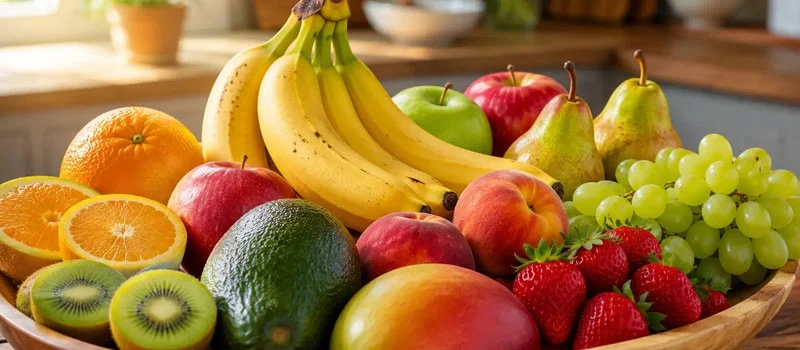
Commercial tomato, banana, and pineapple producers apply this regulator to synchronize maturity across entire crops. This enables efficient harvest scheduling, reduces post-harvest losses, and improves uniformity for export markets demanding specific color and firmness specifications.
Cereal Lodging Prevention
Wheat and barley growers apply ethephon 85% powder at low doses during early stem elongation to shorten internodes and thicken stem walls. This structural modification protects against wind and rain damage during critical grain-filling stages, preserving both yield quantity and grain quality.
The compound's versatility across diverse crops explains its sustained global demand despite newer chemical alternatives entering the market.
Regional Market Dynamics: Supply and Demand Analysis
Southeast Asia: Manufacturing Hub and Growing Consumption
A lot of things can be made in places like Malaysia, Thailand, and Vietnam, and their farming economies are growing. On oil palm farms, growth factors are sometimes used to control when fruit bunches ripen. Farmers try different ways to keep rice from lodging. The area has factories that make chemicals, skilled composition teams, and easy access to major shipping routes.
Plantation crops that are being mechanised, government aid to modernise agriculture, and the growth of export agricultural sectors are all things that are making demand go up. In Malaysia, registration requirements are very strict (about the same as European norms), but in other places, approval processes are less strict.
Africa: Emerging Demand with Infrastructure Challenges
Defoliation programs are being used more and more in places like Benin, Burkina Faso, and Mali that grow cotton. Fruit producers from South Africa use ripening agents on a lot of their citrus and wild fruit. East African coffee and tea farms can use apps that handle blooms and harvesting at the same time.
Some problems with supply are restricted local production, relying too much on foreign goods, and transport networks that don't work as planned. Better roads and regional trade agreements are slowly making it easier to move goods. Prices are still very sensitive, so it's more common to buy in bulk through cooperatives or government programs than for just one farm.
Middle East: Specialty Applications in Controlled Environments
Growers of date palms in all Gulf countries use growth regulators to keep the fruit from getting too ripe and to make picking easier. Businesses that grow vegetables in greenhouses in Israel, Jordan, and the UAE follow exact recipes and rules. In a time when water is scarce, any technology that can make a resource work better is welcome.
In this area, buyers want products that are stable at high temperatures, can be used with salty irrigation water, and come with a lot of expert support. It's more common for distributors to carry a range of products rather than just plant growth regulators because the market is smaller.
Europe: Mature Market with Stringent Standards
High hurdles to entry (because of European Union legislation) yet consistent products. Growth regulators are often used in apple and pear orchards for thinning and ripening. In the north, cereal growers commonly employ anti-lodging treatments.
The market prefers established brands with thorough regulatory files. Generic goods fail without a complete data package on effectiveness and residue investigations. Traceability standards are strict, with complete lot tracing from manufacture to distribution.
Central America: Tropical Fruit Focus
Banana plantations in Costa Rica, Honduras, and Guatemala represent major consumption centers. Pineapple operations use ripening agents to coordinate harvest with shipping schedules. Coffee producers experiment with flowering synchronization programs.
Supply chains often involve multinational fruit companies with dedicated agronomist teams who specify exact formulations and application protocols. Smaller producers typically purchase through agricultural cooperatives or regional distributors who provide technical advice alongside products.
Sourcing Channels: Comparing Your Options
Selecting the appropriate procurement channel depends on your purchase volume, technical expertise, regulatory requirements, and risk tolerance. Each pathway offers distinct trade-offs between price, service, and control.
| Channel Type | Advantages | Disadvantages | Best Suited For |
|---|---|---|---|
| Direct Manufacturer | Lowest pricing; customized formulations; OEM/ODM options; technical support; stable supply | High MOQ (typically 1-5 tons); payment terms favor supplier; longer lead times; requires regulatory knowledge | Large agribusinesses; distributors; formulators; buyers with established import procedures |
| Regional Distributors | Local stock availability; smaller package sizes; established regulatory compliance; credit terms; application support | Higher unit costs; limited formulation options; potential supply interruptions; margin pressure affects service | Medium-scale farms; agricultural cooperatives; first-time buyers; markets requiring frequent small deliveries |
| B2B Platforms | Supplier comparison tools; verified business credentials; escrow payment options; transparent pricing | Quality verification challenges; communication barriers; varying reliability; platform fees affect pricing | Exploratory sourcing; benchmarking prices; identifying new suppliers; lower-risk initial orders |
| Agricultural Cooperatives | Collective buying power; shared technical resources; peer knowledge exchange; simplified logistics | Limited product selection; slower decision processes; variable member commitment; potential quality inconsistency | Smallholder farmers; regional producer groups; buyers prioritizing community support |
| Specialty Trading Companies | Market expertise; regulatory navigation; logistics management; flexible terms; multi-product sourcing | Additional margin layer; less direct manufacturer relationship; dependency on intermediary | Buyers requiring full-service support; complex multi-country shipments; preference for consolidated supply chains |
Direct relationships with manufacturers are best for buyers with technical skills and volume of ethephon 85% powder. Hebei province is the home of numerous long-established producers of organo-phosphorus chemistry and plant growth regulators.
Application and regulatory compliance support command premium pricing, and regional distributors survive. Because they are local, they can respond rapidly to crop-specific problems and fluctuations in seasonal demand.
B2B platforms are wonderful instruments for exploration but require validation of suppliers and products. Their first market assessment is not long-term supply contracts.
Practical Supplier Verification Strategies
Avoiding substandard products and unreliable partners requires systematic evaluation across multiple dimensions. Price alone provides insufficient information for sound procurement decisions.
Documentation Review
Request full technical data sheets indicating active ingredient concentration, formulation type, pH range, and storage requirements. A reliable vendor will provide you a Certificate of Analysis for each batch, which will reveal the purity levels. Usually, the technical concentrates are 98%, and the soluble liquids are 40%.
Make sure to check for any applicable registrations in your market of interest. EU purchasers require items registered on permitted substance registries. Many African countries need National Agricultural Registration for lawful selling. Missing paperwork may cause compliance issues.
Sample Testing Protocol
Think tiny amounts before ordering big amounts. Independent lab analysis to verify stated specifications and to discover adulterants. Important metrics include HPLC quantification of active ingredient, pH, specific gravity, and alkalinity testing.
Physical examination demonstrates the purity of the formulation, homogeneous liquids with no silt, powders with uniform particle size, no bulging of sealed containers (which would indicate breakdown and gas evolution).
Factory Audit Considerations
Serious buyers benefit from visiting production facilities when feasible. Observe manufacturing processes, quality control laboratories, storage conditions, and waste management systems. ISO 9001 certification indicates systematic quality management, though it doesn't guarantee technical competence in agrochemical formulation.
Evaluate technical staff expertise through discussions about synthesis pathways, formulation challenges, and application techniques. Knowledgeable teams readily explain pH buffering strategies, surfactant selection rationale, and temperature stability data.
Reference Verification
Request contact information for existing customers in similar agricultural sectors. Direct conversations reveal supplier reliability regarding delivery schedules, product consistency across batches, responsiveness to technical questions, and problem resolution approaches.
Online research supplements direct references but requires careful interpretation. Prioritize verified buyer reviews over marketing claims on company websites.
Payment Terms and Trade Assurance
Initial transactions typically require Letters of Credit or secure escrow arrangements. Established relationships may progress to open account terms with 30-60 day payment windows. Be cautious of suppliers demanding full advance payment without credible trade assurance mechanisms.
Understand Incoterms clearly—FOB, CIF, and DDP options allocate risk and cost differently. Factor insurance, inland transportation, customs clearance, and storage into total landed cost calculations.
Key Quality Control Points and Common Pitfalls
Even after selecting a reputable supplier, maintaining quality requires ongoing vigilance throughout the supply chain.
Storage and Handling Requirements
In alkaline environments and at high temperatures, this chemical breaks down. The places where things are stored should be cool (ideally below 25°C), out of direct sunlight, and free of compounds that are made of lime. If you see containers that are bulging, that means the food is breaking down and building up pressure. These batches should be thrown away right away.
Keeping an eye on humidity is especially important for powder mixes. Hygroscopic powders will cake up and stop working if they get wet. This way of breaking down is stopped by multi-layer metal foil packing with desiccants.
Application Timing and Environmental Factors
The temperature at the time of use has a big effect on performance. It's not useful to use ethylene below 16°C because it releases too slowly. If the release happens too quickly over 32°C, it could hurt plants and burn the leaves. The best temperature range is 18°C to 25°C.
If the product is washed off in less than 4 to 6 hours after application, it has not been absorbed well enough. If treatments are planned based on weather predictions, no materials will be lost, and crops will not respond poorly.
Tank Mix Compatibility
Never combine this organophosphorus regulator with alkaline substances like Bordeaux mixture, lime sulfur, or other high-pH pesticides. Alkaline conditions trigger immediate ethylene release in spray tanks, rendering the application completely ineffective and creating potential safety hazards.
Compatibility with neutral or slightly acidic fungicides and insecticides generally poses no problems, but always conduct jar tests before mixing full tank volumes.
Pre-Harvest Interval Compliance
Residue limits vary by crop and destination market. Export-oriented producers must verify Maximum Residue Limits for specific importing countries. Typical pre-harvest intervals range from seven days for vegetables to 14-21 days for cereals. Violating these intervals risks shipment rejection and loss of market access.
Concentration and Dosage Precision
Serious crop damage is caused by overdosing: bark necrosis in rubber trees, premature senescence in fruits, high lodging susceptibility in cereals. Underdosing is a waste of money, since it has no physiologic benefit. Calibration of spray equipment and dilution calculations must be performed accurately.
Conclusion
To get high-quality Ethephon 85% powder, one has to understand the global market dynamics, analyse the various procurement channels, and adhere to tight supplier verification protocols. Southeast Asia offers vast manufacturing and affordable pricing. Africa's markets are maturing, but there are infrastructure challenges. Consumers in the Middle East want extremes to be stable. European suppliers do well on regulations. Central American wholesalers specialise in tropical fruits. Successful procurement balances cost, quality, regulatory compliance and logistics. Direct manufacturer relationships are good for experienced buyers with volume demands. Regional distributors provide local support and flexible terms. Documentation review, sample testing, checking of references: thorough verification keeps out substandard items and unreliable partners.
FAQ
1. How can I verify the actual purity of Ethephon products?
Independent laboratory analysis using High-Performance Liquid Chromatography (HPLC) provides accurate quantification. Request Certificates of Analysis for each batch, showing the active ingredient percentage. Legitimate 98% technical concentrates or 40% soluble liquids meet these specifications consistently. Physical inspection checks for sediment, unusual coloration, or container bulging indicating decomposition.
2. What minimum order quantities should I expect from manufacturers?
Direct manufacturers typically require 1-5 metric tons per order, equivalent to roughly 1,000-5,000 liters of formulated product. Some established suppliers offer flexibility for first-time buyers, accepting smaller trial orders of 200-500 kilograms. Regional distributors accommodate package sizes from 1-liter bottles to 200-liter drums without high minimum thresholds.
3. Which formulation works better for cotton defoliation programs?
Soluble liquid formulations at 40% concentration are standard for cotton applications. They mix readily in spray tanks, provide consistent performance, and allow precise calibration. Powder formulations at 85% concentration offer advantages for aerial application due to reduced water volume requirements but need careful dissolution procedures.
4. How does climate affect product shelf life during storage?
High temperatures accelerate chemical degradation. Storage below 25°C maintains stability for two to three years in unopened containers. Tropical climates require climate-controlled warehouses. Once containers open, humidity exposure affects powder formulations particularly severely, causing caking and efficacy loss within weeks.
Get Reliable Ethephon Supply from a Trusted Manufacturer
Hebei Hontai Biotech Co., Ltd specializes in manufacturing high-purity Ethephon 85% powder formulations—98% technical concentrate and 40% soluble liquid—meeting international quality standards for diverse agricultural applications. Our skilled technical team provides comprehensive application guidance for cotton defoliation, rubber latex stimulation, fruit ripening coordination, and cereal lodging prevention. We offer flexible customization, including private labeling, dosage form adaptation, and packaging options tailored to your market requirements. Fast global logistics ensure stable supply chains supporting your production schedules across Southeast Asia, Africa, the Middle East, Europe, and Central America. Our professional after-sales service system addresses technical questions promptly, helping you optimize application protocols for maximum crop performance. Contact our experienced sales team at admin@hontai-biotech.com to discuss your specific requirements and request product samples.
References
1. Agricultural Chemical Regulation Directorate, "Plant Growth Regulators in Modern Agriculture: Efficacy and Safety Standards," Ministry of Agriculture Technical Bulletin Series, 2022.
2. International Cotton Advisory Committee, "Mechanical Harvesting Technologies and Chemical Defoliation Practices," Annual Production Efficiency Report, 2021.
3. Journal of Plant Physiology and Biochemistry, "Ethylene Release Mechanisms and Crop Response Dynamics in Controlled Environment Studies," Vol. 158, 2023.
4. Global Agrochemical Trade Association, "Regional Market Analysis: Plant Growth Regulator Distribution Networks in Emerging Markets," Industry White Paper, 2022.
5. Food and Agriculture Organization of the United Nations, "Post-Harvest Loss Reduction Through Ripening Agent Application in Tropical Fruit Chains," Technical Guidelines Series, 2023.
6. European Chemical Agency, "Regulatory Framework for Organophosphorus Plant Growth Regulators: Registration Requirements and Maximum Residue Limits," Compliance Handbook, 2022.
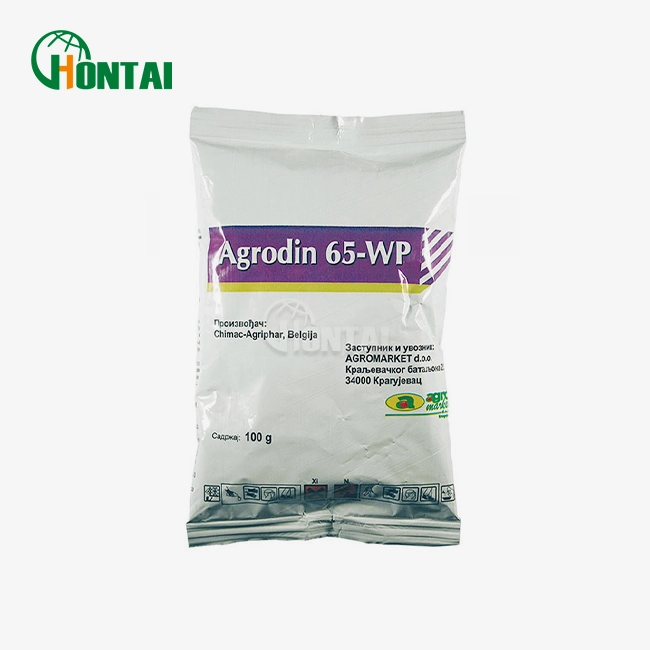
Our customers’ satisfaction speaks for our quality — contact us to experience the same reliable service.