- English
- French
- German
- Portuguese
- Spanish
- Russian
- Japanese
- Korean
- Arabic
- Greek
- German
- Turkish
- Italian
- Danish
- Romanian
- Indonesian
- Czech
- Afrikaans
- Swedish
- Polish
- Basque
- Catalan
- Esperanto
- Hindi
- Lao
- Albanian
- Amharic
- Armenian
- Azerbaijani
- Belarusian
- Bengali
- Bosnian
- Bulgarian
- Cebuano
- Chichewa
- Corsican
- Croatian
- Dutch
- Estonian
- Filipino
- Finnish
- Frisian
- Galician
- Georgian
- Gujarati
- Haitian
- Hausa
- Hawaiian
- Hebrew
- Hmong
- Hungarian
- Icelandic
- Igbo
- Javanese
- Kannada
- Kazakh
- Khmer
- Kurdish
- Kyrgyz
- Latin
- Latvian
- Lithuanian
- Luxembou..
- Macedonian
- Malagasy
- Malay
- Malayalam
- Maltese
- Maori
- Marathi
- Mongolian
- Burmese
- Nepali
- Norwegian
- Pashto
- Persian
- Punjabi
- Serbian
- Sesotho
- Sinhala
- Slovak
- Slovenian
- Somali
- Samoan
- Scots Gaelic
- Shona
- Sindhi
- Sundanese
- Swahili
- Tajik
- Tamil
- Telugu
- Thai
- Ukrainian
- Urdu
- Uzbek
- Vietnamese
- Welsh
- Xhosa
- Yiddish
- Yoruba
- Zulu
What is the use of pyridaben insecticide?
share:
Acaricide Pyridaben is a strong chemical that can be used to get rid of some of agriculture's biggest problems, like mites and some sucking insects. This drug is a pyridazinone, and it works by making contact with target pests and stopping the flow of electrons in their mitochondria. This active ingredient is used by farmers and agrochemical distributors all over the world to keep high-value crops like apples, citrus, vegetables, and ornamental plants safe from pests that can destroy whole harvests in just a few weeks.
Understanding the Core Properties That Make This Compound Essential
It is important to know what makes certain chemicals special when we speak about efficient crop protection. This miticide in particular is very lipophilic, which means it attaches very well to the waxy surfaces of leaves. It has a LogP value of around 6.37, meaning that after it dries on leaves it is resistant to washing away by rain, a key benefit in tropical and subtropical locations where unexpected downpours are prevalent.
According to FAO criteria, the technical concentration usually includes 95% or greater purity. Manufacturers then mix this into a range of end-use products. Emulsifiable concentrates at 15-20%. Suspension concentrates or wettable powders. Each formulation is intended for specialised use in various agricultural situations.
Melting point is 111-112°C, which implies thermal stability during storage and transportation. The water solubility is still very poor (0.012mg/L), which is why formulation scientists need to formulate it into a field-ready product using organic solvents or surfactants. It is stable at pH 4-9 but quickly decomposes at strongly alkaline pH or under high UV irradiation in the absence of appropriate stabilisers.
Seven Critical Applications Transforming Agricultural Operations
Controlling Spider Mites in Citrus Orchards
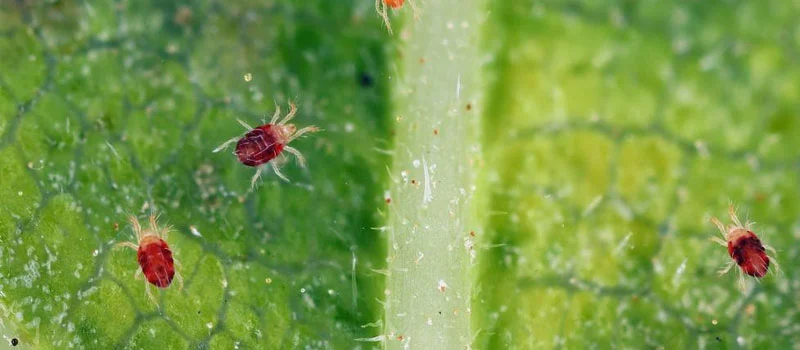
Two-spotted spider mites and citrus red mites are a constant threat to the commercial citrus industry. These tiny arachnids puncture the cells of plants and drain the essential fluids, causing bronze-colored stippling on leaves. Severe infection causes early senescence of leaves, thereby decreasing photosynthetic potential and affecting fruit quality.
Acaricide formulation with 20-30 grams of active ingredient per acre gives quick knockdown. The chemical moves translaminar, meaning it moves into leaf tissue and may reach mites feeding on undersides where spray coverage might be poor. A single treatment may keep pests suppressed for 30-40 days, decreasing the number of seasonal treatments from eight to three or four.
This residual activity deals with an important economic issue, that of the labour costs of frequent spraying. Large-scale producers, who have thousands of hectares, like the decreased fuel use, equipment wear, and worker exposure dangers.
Managing Resistant Mite Populations in Greenhouse Vegetables
Protected farming areas are good conditions for the fast multiplication of pests. Mite populations of greenhouse tomatoes, cucumbers, and peppers are able to complete a generation cycle in as little as seven days in warm, humid circumstances. Many operations face populations that are no longer responsive to previous chemistries such as organophosphates or synthetic pyrethroids.
METI (Mitochondrial Electron Transport Inhibitor) method of action provides an alternative biological target. Even groups resistant to other classes have significant death rates. The efficacy is maintained by rotating this medication with lipid synthesis inhibitors or growth regulators every two to three applications, which is the standard practice in the rotation protocols.
Greenhouse managers appreciate the non-phytotoxic profile of Acaricide Pyridaben at suggested rates. No leaf burn or stunting occurs on delicate crops, and they remain marketable. The ovicidal activity decreases egg viability, hence preventing population rebounds between sprays.
Protecting Apple and Pear Production from Rust Mites
European red mites and rust mites are major pests of pome fruit quality. The bugs induce russeting, rough brown areas that lower fruit from premium to processing grades. The disparity in pricing might be more than 60% and make lucrative blocks marginal activities.
Timing applications during petal fall and initial cover spray phases hinders early-season colonisation. The compound must be rainfast in areas like Central Europe, which see 80- 100 mm of rain per month in spring. Properly dried deposits retain biological activity, unlike water-soluble options that need to be reapplied after storms.
Integrated pest control strategies also include monitoring thresholds. The action threshold is five mites per leaf before bloom. Such accuracy allows us to avoid superfluous applications and to intervene before any economic harm happens.
Controlling Broad Mites in High-Value Ornamental Production
Roses, gerberas, and other ornamentals grown in nurseries have zero tolerance criteria for insect damage. Any shipments with mite scarring or distortion are rejected by export markets in Europe and the Middle East. Twisted, brittle foliage and bud abortion caused by broad mites (Polyphagotarsonemus latus) attacking developing tips
Typical application rates are 40-50 ppm in spray solutions used with fine misting equipment to guarantee coverage of shoot terminals. The chemical has contact activity that kills adult mites on touch, and its impact on eggs hinders the establishment of the following generation.
Production managers time the treatments to the vegetative stages of development and avoid open blooms to minimise residues on collected stems. Quality assurance testing ensures residues are below importing nations' set Maximum Residue Limits, usually between 0.5 and 2.0 parts per million, which varies with the crop.
Addressing Whitefly and Leafhopper Infestations
While primarily marketed as a miticide, this compound demonstrates useful activity against certain sucking insects. Greenhouse whiteflies (Trialeurodes vaporariorum) and leafhoppers respond to contact applications, though at slightly higher rates than required for mites.
Cotton and vegetable producers appreciate this broad-spectrum capability when dealing with mixed pest complexes. Rather than tank-mixing multiple actives—which risks compatibility issues—a single product addresses several problems. This simplification reduces formulation errors and inventory complexity.
The compound works particularly well against nymphal stages of leafhoppers, which remain stationary on leaf undersides during feeding. Adequate spray volume and pressure ensure penetration into the crop canopy where these pests concentrate.
Managing Pear Leafsuckers in Commercial Orchards
Pear psylla (Cacopsylla pyricola) causes serious problems in commercial pear production across Africa and the Middle East. Heavy infestations produce copious honeydew that supports sooty mold growth, rendering fruit unmarketable. The pests also vector pear decline phytoplasma, a disease that can kill trees within two to three seasons.
Application timing focuses on delayed dormant and pre-bloom periods, targeting overwintered adults before they lay eggs. Rates of 15-25 grams active ingredient per 100 liters provide 85-95% control of adults and nymphs. The compound's low mammalian toxicity allows safe application near harvest with minimal pre-harvest intervals—typically 14-21 days depending on crop and regional regulations.
Controlling Scale Insects and Mealybugs
Armored scales like mussel scale (Lepidosaphes ulmi) and soft scales challenge fruit and ornamental growers. These pests secrete waxy coverings that protect them from many insecticides. The lipophilic nature of Acaricide Pyridaben allows it to penetrate scale coverings more effectively than hydrophilic alternatives.
Crawler stages show highest susceptibility, so application timing synchronizes with degree-day models predicting egg hatch. Horticultural oil tank-mixes enhance cuticle penetration, improving control rates by 15-20% compared to solo applications.
Citrus operations in Southeast Asia use this strategy to manage citrus snow scale and red scale, which cause premature fruit drop and reduce packout percentages. The economic impact of improved scale control often exceeds $500 per hectare in premium export markets.
Quality Standards That Ensure Consistent Field Performance
Purchasing managers and formulation scientists consider six essential aspects while obtaining technical material. Analysis of the active component concentration, by HPLC, confirms that purity satisfies criteria of a minimum of 95% for technical concentrates and 15-20% for prepared products.
Moisture content is tightly regulated at < 0.5% using Karl Fischer titration procedures. Excess water stimulates hydrolytic breakdown, therefore lowering field effectiveness and shelf life. Manufacturers use nitrogen-purged packing and include desiccant to keep things dry in storage.
Stable at pH 5-8 under normal spray tank settings. Acid to neutral conditions prevent the alkaline hydrolysis that kills the active molecule. Formulation chemists use pH buffers to stabilise mixed solutions, particularly in areas where water quality fluctuates greatly.
Emulsion stability testing of EC formulations includes examination for cream separation, coalescence of oil droplets or crystal formation following storage for 24 hr at 54°C. CIPAC requirements require products to be free of phase separation or sediment. This leads to correct dosing via spray equipment and no clogging of the nozzle upon application.
Suspensibility of the wettable powders and suspension concentrates must be tested to verify that not less than 70% of the active substance is suspended after dilution. Poor suspensibility results in inconsistent insect control and possible phytotoxicity from concentrated deposits. Particle size study verifies D90 values below 5 microns to maximise the surface area for biological activity.
Advantages That Address Real Production Challenges
This molecule is unique in that it is temperature independent in its effectiveness, unlike alternatives such as fenpyroximate that are less effective at temperatures over 30°C. Consistent performance has been shown at ambient temperatures from 20°C to 38°C in field testing spanning Africa and the Middle East. Such dependability is crucial in tropical agriculture because spray windows typically occur in the heat of noon.
Extended residual control decreases treatment frequency and seasonal crop protection expenses by 25-35% vs shorter-acting options. Fewer interventions also mean less tractor traffic in fields, which means less soil compaction and harm to crops. The labour demand drops in proportion, alleviating the staff availability issue that many enterprises encounter during peak seasons.
It is compatible with integrated pest control systems since it selectively favours predatory mites and beneficial insects. When applied at the right time, they are poisonous to pest mites but does not affect populations of Phytoseiulus persimilis and other biological control agents. This selectivity is helpful in the resistance management measures that are crucial to sustained production.
Worker safety procedures are easier to manage than with previous, more hazardous chemistries due to a low mammalian toxicity profile (LD50 >2000 mg/kg oral in rats). Reduced operational interruption due to shorter limited access times means field staff return to work sooner following treatments.
Making Informed Sourcing Decisions
Agrochemical distributors judge producers on the quality and uniformity of regulatory documents. For export operations, Certificate of Analysis, Material Safety Data Sheets and registration dossiers are required to meet the requirements of the country of destination. Experienced vendors have a portfolio of documentation for CIPAC methodologies, FAO requirements and regional regulations in Southeast Asia, Africa, the Middle East, Europe and Central America.
“Supply chain reliability is critical during peak agricultural seasons when demand surges. Manufacturers with specialised manufacturing capacity and raw material inventory buffers avoid stockouts that interrupt distribution networks. Distributors may effectively manage their inventory with lead times that are consistent at 15 to 30 days from order to shipping without the need for additional safety stock.
Flexible packaging alternatives are designed to serve a wide range of market requirements. Bulk drums (200L) are suited to big formulation processes, whereas 25kg fibre drums are for regional distributors. With private label and OEM services, distributors may establish brand value and use manufacturing knowledge that they lack internally.
It’s technical support that separates premium providers from commodity vendors. Distributors may be a valuable resource to their farmer clients by providing access to application rate recommendations, compatibility charts, resistance management procedures, and field troubleshooting assistance. This technological relationship creates brand loyalty and repeat business.
Conclusion
The broad spectrum of this Acaricide Pyridaben chemical in a variety of agricultural situations, from commercial citrus to protected ornamental production, illustrates its utility in current crop protection strategies. Its long residual action, temperature stability, and compliance with resistance control tactics solve actual practical issues faced by producers and distributors. This instrument continues to be useful for the management of economically important pest species in support of sustainable agricultural intensification via quality manufacturing standards, correct application methods, and smart sourcing alliances.
FAQ
1. How does this compound differ from older mite control products?
The mode of action targets mitochondrial respiration through a different mechanism than organophosphates, carbamates, or synthetic pyrethroids. This biochemical distinction makes it effective against populations resistant to those older chemistries. The METI classification (IRAC Group 21A) allows strategic rotation to preserve susceptibility across multiple chemical classes.
2. What environmental considerations apply to field use?
Aquatic toxicity requires buffer zones near water bodies—typically 10-30 meters depending on application method and regional regulations. The compound binds strongly to soil particles with minimal leaching potential, reducing groundwater contamination risk. Photodegradation proceeds rapidly in surface water, with half-lives under five days in sunlight. Bioaccumulation potential remains low due to metabolic breakdown in organisms.
3. Can this product be tank-mixed with other crop protection inputs?
Compatibility with most fungicides, insecticides, and liquid fertilizers has been demonstrated through physical compatibility testing. Alkaline materials like lime sulfur or Bordeaux mixture should be avoided due to hydrolysis risk. Always conduct jar tests before mixing full tank volumes, especially with unfamiliar product combinations.
4. What resistance management strategies preserve long-term effectiveness?
Rotating between different IRAC mode of action groups every generation prevents selection pressure on single biochemical targets. Alternating this METI compound with lipid synthesis inhibitors, chitin synthesis inhibitors, or growth regulators maintains population susceptibility. Refuge areas where no pesticides are applied allow susceptible individuals to persist in the population, diluting resistant genes.
Partner with Hontai for Your Agrochemical Supply Needs
Hebei Hontai Biotech Co., Ltd. operates as an established Acaricide Pyridaben supplier delivering technical material and custom formulations to distributors, formulators, and large-scale agricultural operations across global markets. Our manufacturing facilities maintain strict quality control protocols following FAO and CIPAC standards, ensuring every shipment meets the technical specifications your customers demand.
We understand timing matters in agriculture. Our logistics network supports efficient shipping with reliable lead times, preventing the supply disruptions that damage your market reputation. Whether you need 200L drums for commercial formulation or custom packaging for regional distribution, our flexible production capacity scales to your requirements. Contact our team at admin@hontai-biotech.com to discuss technical specifications, regulatory documentation, and supply terms tailored to your market.
References
1. Van Leeuwen, T., Vontas, J., Tsagkarakou, A., Dermauw, W., & Tirry, L. (2010). Acaricide resistance mechanisms in the two-spotted spider mite Tetranychus urticae and other important Acari: A review. Insect Biochemistry and Molecular Biology, 40(8), 563-572.
2. Dekeyser, M. A. (2005). Acaricide mode of action. Pest Management Science, 61(2), 103-110.
3. Campos, F., Krupa, D., & Dybas, R. A. (1996). Susceptibility of populations of two-spotted spider mites to insecticides in strawberry plants. Journal of Economic Entomology, 89(2), 293-298.
4. Ay, R., & Kara, F. E. (2011). Toxicity and residual activity of pyridaben against Tetranychus urticae (Koch) (Acari: Tetranychidae). International Journal of Acarology, 37(4), 348-353.
5. Nauen, R., & Smagghe, G. (2006). Mode of action of insecticides and acaricides. In Insecticides Design Using Advanced Technologies (pp. 153-175). Berlin: Springer.
6. Kim, Y. J., Park, H. M., Cho, J. R., & Ahn, Y. J. (2004). Multiple resistance and biochemical mechanisms of pyridaben resistance in Tetranychus urticae (Acari: Tetranychidae). Journal of Economic Entomology, 97(3), 954-960.
Our customers’ satisfaction speaks for our quality — contact us to experience the same reliable service.