- English
- French
- German
- Portuguese
- Spanish
- Russian
- Japanese
- Korean
- Arabic
- Greek
- German
- Turkish
- Italian
- Danish
- Romanian
- Indonesian
- Czech
- Afrikaans
- Swedish
- Polish
- Basque
- Catalan
- Esperanto
- Hindi
- Lao
- Albanian
- Amharic
- Armenian
- Azerbaijani
- Belarusian
- Bengali
- Bosnian
- Bulgarian
- Cebuano
- Chichewa
- Corsican
- Croatian
- Dutch
- Estonian
- Filipino
- Finnish
- Frisian
- Galician
- Georgian
- Gujarati
- Haitian
- Hausa
- Hawaiian
- Hebrew
- Hmong
- Hungarian
- Icelandic
- Igbo
- Javanese
- Kannada
- Kazakh
- Khmer
- Kurdish
- Kyrgyz
- Latin
- Latvian
- Lithuanian
- Luxembou..
- Macedonian
- Malagasy
- Malay
- Malayalam
- Maltese
- Maori
- Marathi
- Mongolian
- Burmese
- Nepali
- Norwegian
- Pashto
- Persian
- Punjabi
- Serbian
- Sesotho
- Sinhala
- Slovak
- Slovenian
- Somali
- Samoan
- Scots Gaelic
- Shona
- Sindhi
- Sundanese
- Swahili
- Tajik
- Tamil
- Telugu
- Thai
- Ukrainian
- Urdu
- Uzbek
- Vietnamese
- Welsh
- Xhosa
- Yiddish
- Yoruba
- Zulu
What is tricyclazole used for?
share:
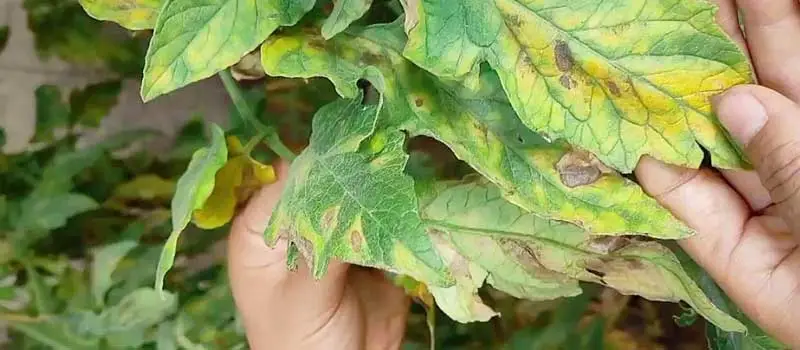
Tricyclazole is a systemic pesticide that was made to fight rice blast disease, which is one of the worst fungal problems the world's rice crop faces. The thiazole chemical family includes this melanin biosynthesis inhibitor, which stops the fungus disease Magnaporthe oryzae from making melanin. By stopping the production of melanin, tricyclazole stops the fungus from building up the strength it needs to get into the cells of the rice plant. This stops the infection before it starts. Because of this protective process, tricyclazole is very useful for keeping rice yields high during important growth stages, especially from the time seedlings are established until they start to head.
Understanding Tricyclazole: Key Chemical and Functional Properties
Chemical Composition and Molecular Structure
Tricyclazole is C9H7N3S. The EINECS number is 255-559-5. White crystalline powder is the chemical's technical concentration. Pure 95% TC and 97% TC, and formulated 20% WP and 75% WP are available. A triazole ring and benzothiazole system form the chemical structure. This provides the molecule with its particular biological effect. This particular molecular design targets just fungal diseases while being safe for the user and other creatures if you follow the label.
Mechanism of Action Against Rice Blast
Tricyclazole kills fungus by inhibiting Magnaporthe oryzae's melanin-making enzyme, polyhydroxynaphthalene reductase. The melanised appressoria of rice blast fungus shatter plant stems by applying mechanical pressure. Appressoria without melanin are unstable and can't enter host cells. Tricyclazole prevents this infection pathway by blocking the conversion of 1,3,8-trihydroxynaphthalene to vermelone, a key melanin-making step. Tricyclazole is effective as a preventative but not a curative because biochemical interference occurs early in the infection cycle. Due to its systemic nature, tricyclazole moves acropetally via xylem. This implies it protects young leaves and panicles following application.
Benefits for Crop Yield and Quality
Rice blast may destroy crops if not stopped. In severe epidemics, yields might drop 100%. Tricyclazole reduces leaf blast, node blast, and most importantly, neck blast, which affects grain formation. Protecting rice plants maintains their food production. It produces fuller grains and improved outputs. Neck blast infections during flowering may topple panicles; late booting to heading treatments are crucial. Tricyclazole at the correct time may rescue 15–40% of blast disease-damaged industrial rice yields, according to studies. This immediately boosts large-scale agricultural income.
Safety Profile and Environmental Considerations
Tricyclazole 97% TC is somewhat toxic to animals; thus, mixing and administering it properly is crucial. Different soil and weather affect how long an environmental contaminant lasts. Half-lives in the field are generally weeks to months. The substance doesn't harm beneficial insects at recommended rates. It may be utilised with integrated pest management approaches that employ natural enemies to control pests. Workers should consider aquatic toxins and buffer zones around waterways to prevent pollution. Tricyclazole 97% TC residues in rice grain normally break down below regulatory maximum residue limits (MRLs) during pre-harvest. Tricyclazole 97% TC may be used in rice cultivation to manage infections and protect the environment due to its safety rating.
Comparing Tricyclazole with Other Fungicides: Making Informed Choices
Efficacy Comparison with Common Alternatives
After long-term usage, blast-resistant fungi develop immunity to benzimidazoles, yet tricyclazole kills them better than carbendazim. A strobilurin fungicide, azoxystrobin, kills more fungi. It cures fungus effectively, although rice-growing regions are becoming more tolerant. Tricyclazole suppresses melanin formation, making it particular to rice blast. It lacks the multi-site fungicides' broad-spectrum effects. In field studies evaluating these active components at the same economic levels, tricyclazole consistently exhibited 75–90% disease control as a prophylactic intervention, competing with carbendazim and azoxystrobin under high disease pressure. To prevent diseases, tricyclazole must be used alongside other crop protection techniques due to its restricted range. This limited range also reduces selection pressure on non-target fungi.
Cost-Effectiveness and Bulk Purchasing Considerations
Pricing for tricyclazole depends on product type and purity. Later preparation frequently begins with technical concentration (97% TC). Prices depend on production and raw material costs. Wettable powder (75% WP) costs vary by package size and sale method. When cost per hectare is considered, tricyclazole is frequently cheaper than other fungicides. This applies particularly to bulk purchases for large-scale industrial activity. Bulk purchases allow distributors to negotiate better pricing schemes, which boosts profits and lowers shop prices. Tricyclazole lasts 14–21 days in favourable circumstances, thus it doesn't need to be sprayed as regularly as protectant fungicides. Seasonally, this saves on labour, fuel, and equipment wear. Large farms that manage thousands of acres may treat illnesses cost-effectively by buying tricyclazole in bulk.
Formulation Varieties and Regulatory Status
Industry produces tricyclazole in many forms for diverse applications. The 97% TC is for producers and formulators who label their blends or products. With the correct detergents, the 75% WP version works well for foliar spraying with boom or backpack sprayers. Coverage and spreadability are excellent. Small-scale users or areas that want less active ingredient may utilise the 20% WP. Tricyclazole is permitted for rice cultivation in Asian, African, and Latin American regions where rice blast is a persistent concern. But regulatory recognition differs by nation. Importers and distributors must verify the registration status in the countries they wish to sell to and deliver commodities with safety data sheets, certificates of analysis, and local agricultural labels. Famous enterprises like Hontai provide comprehensive regulatory assistance, including documentation packages to help overseas purchasers cross customs and enter the market.
Application Guidelines and Resistance Management for Optimal Use
Timing and Dosage Recommendations
Tricyclazole 97% TC works best when sprayed at the proper time and dosage, based on crop stage and disease presence. Preventative treatments occur during tillering, late booting, and early heading. The formulation concentration and disease severity determine the active ingredient used per acre, which ranges from 200 to 400 grams. Treating seedling boxes or soaking roots before transporting provides early-season protection. This allows the plant's systemic defences to protect new plants during vulnerable establishment. This strategy is ideal for automated transplanting systems when early field sprays are difficult to organise. Foliar treatments should cover all leaf surfaces and starting panicles. Use 200–400 litres of spray per acre to evenly distribute the active ingredient. Spray intervals of 10–14 days may be needed when humidity or rain encourages blasts to develop. However, 14–21 days may work for minor disease pressure.
Resistance Management Methods
Tricyclazole loses effectiveness over time if taken repeatedly without modifying its mechanism (FRAC Code 16.1). This is because it just impacts one location. Tricyclazole must be blended or alternated with fungicides such as azoxystrobin (FRAC 11), tebuconazole (FRAC 3), or multi-site protectants like chlorothalonil to overcome resistance. Long-term efficacy is increased by utilising fungicides from various FRAC groups and limiting tricyclazole dosages to two or three each season. Checking regions for less effective control may detect emerging resistance and adjust fungicide rotation. Integrated disease management measures, including resistant rice, nitrogen fertilisation optimisation, and water management that reduces leaf wetness, combine with chemical control to lessen fungal population selection pressure. Agronomic service providers working with large-scale farmers should build all-season disease management strategies and utilise tricyclazole as part of a complex control strategy.
Sustainability and Long-Term Effectiveness
Sustainable tricyclazole usage balances disease management with product efficiency for future seasons. Avoiding excessive rates reduces external loading and residue and prevents underdosing, which promotes tolerance development. Systems monitor field and season-specific fungicide usage to enable farmers and experts to rotate crops and adjust plans. Tricyclazole has a favourable environmental footprint when used appropriately, hence it should be utilised in sustainable production processes that minimise off-target impacts and costs. Decision support methods include weather-based disease forecasting models and tricyclazole treatments that enhance spray scheduling, allowing fewer annual applications without compromising protection. This extends the lifespan of tricyclazole for blast control and follows industry trends toward lower-input farming.
Procurement Insights: How and Where to Source Tricyclazole
Manufacturer Profiles and Quality Assurance
Trustworthy tricyclazole comes from manufacturers with excellent quality standards and heaps of documentation. Shijiazhuang-based Hebei Hontai Biotech Co., Ltd. was created in 2021. It manufactures and ships fungicides, herbicides, and plant growth regulators to global agricultural markets. To ensure product quality, follow the FAO and CIPAC active ingredient measuring criteria. To ensure minimal purity, HPLC analysis is performed. Suspensibility testing keeps spray tanks mixing wettable powder combinations. Standards typically need 85–90% suspensibility after 30 minutes. Particle size distribution studies demonstrate that 98% of particles pass through 45-micron sieves, making them bioavailable and coated. Product caking is prevented by keeping moisture below 2% during storage and shipping. With shelf-life guarantees, certificates of analysis for each manufacturing lot, and the ability to trace back to the original batch, manufacturers demonstrate quality management systems that match professional purchasing requirements.
Sourcing Strategies for Bulk Purchases
Business-to-business customers who require tricyclazole for large-scale agricultural or distribution networks benefit from direct manufacturer relationships. Minimum order quantities (MOQ) vary per formulation from 500 kilograms to several tonnes. A volume commitment generally gets you better pricing. By creating annual supply contracts, prices keep consistent throughout growth seasons, and supplies are always accessible when demand is strong. To ensure a supplier can accommodate agricultural market seasonal purchasing patterns, check their production capacity, wait times, and inventory management. Payment terms, dispute resolution quality, and technical support impact the total cost of ownership in addition to unit pricing. Distributors with many regional markets may be able to negotiate flexible package choices like OEM/ODM services that help private marketing create local awareness. For container transportation abroad, documentation must be arranged. This comprises phytosanitary certifications, commercial invoices, and bills of lading that follow the target nation's import laws.
Regulatory Compliance and Documentation
If customs authorities and farm managers are comfortable with international pesticide trading, there must be plenty of documentation. Manufacturers should provide complete regulatory support packages, including GHS-formatted safety data sheets (SDS), certificates of analysis that verify product specifications, and registration paperwork that proves the product is legal to sell in target markets. Labels must incorporate product use instructions, safety warnings, and environmental hazards in the local language. Suppliers that know how to export agrochemicals with the necessary UN hazard classification, packaging group, and labelling for sea or air shipment benefit importers. Pre-shipment inspections and third-party verification services reduce the risk of costly arrival port rejections for high-value cargo. Famous enterprises that have exported previously might speed up these stages by advising on how to respect the requirements and monitoring changes in the largest agricultural markets.
Conclusion
Tricyclazole is a tried-and-true way to stop rice blasts, and its unique melanin biosynthesis blocking method protects the whole plant. Because the compound works to protect rice yields and works with integrated disease control systems, it is useful for business farmers, crop protection service providers, and wholesalers. Responsible use practices, such as applying at the right time, managing resistance by switching between modes of action, and sticking to the rates listed on the label, ensure long-term effectiveness. When buying tricyclazole, people in charge of procurement should give priority to manufacturers that can show consistent quality, support for legal compliance, and stable supply chain skills. Blast disease is still a problem for rice production around the world. Tricyclazole is still an important tool for protecting food security and farming profits when carefully added to overall crop protection plans.
FAQ
1. What crops can be treated with tricyclazole?
Tricyclazole is licensed and labeled to be used on rice farms to control blast disease (Magnaporthe oryzae). The product should only be used on rice as directed on the box, and it will not help with fungal problems in other types of crops. Off-label use could lead to the control not working properly and possible regulatory violations.
2. How should tricyclazole be stored and transported?
Keep tricyclazole in its original, tightly sealed containers in a cool, dry place out of direct sunlight and away from water. To keep things from breaking down, temperatures should stay below 30°C. Stay far away from food, water, and feed. During delivery, keep containers from getting damaged and make sure they follow the rules for moving hazardous materials that apply to pesticides.
3. Can tricyclazole be tank-mixed with other crop protection products?
Before mixing in the tank, physical compatibility tests should be done to stop any chemical reactions or precipitation. Tricyclazole usually mixes well with a lot of pesticides and fungicides, but materials that are very alkaline may break it down. Adding wettable powders to partly full spray drums before liquid mixtures is important, and agitation should continue during application.
Partner with Hontai for Reliable Tricyclazole Supply
Hontai Biotech offers high-quality tricyclazole formulations with strict quality control, reasonable prices for big orders, and full technical support that is suited to the needs of distributors and large-scale farming operations. At our factory in Hebei Province, we make formulas with 97% TC, 75% WP, and 20% WP that meet international quality standards. We also provide all the necessary legal paperwork to make the import process go smoothly. We know how hard it is for pesticide providers to keep up a steady supply during busy times and to deal with the complicated rules that apply to different markets. Our professional team offers quick contact, flexible packaging options, including OEM partnerships, and dependable global services that make sure your plants get delivered on time. Hontai has the product quality, supply security, and service excellence that will help your business grow in the long term, whether you are an established distributor looking for a reliable tricyclazole manufacturer or a farming business trying to get the most out of your direct buying strategy. Email our team at admin@hontai-biotech.com to talk about your needs and find out how our tricyclazole products can help you protect your crops better.
References
1. Fisher, M.C., Henk, D.A., Briggs, C.J., et al. "Emerging fungal threats to animal, plant and ecosystem health." Nature 484 (2012): 186-194.
2. Zhang, H., Liu, K., Zhang, X., et al. "Melanin biosynthesis inhibitors: effective tools for rice blast disease management." Crop Protection 98 (2017): 135-142.
3. Yamaguchi, J., Hirose, T., Takahashi, H. "Tricyclazole—a melanin biosynthesis inhibitor for controlling rice blast disease." Pesticide Biochemistry and Physiology 61.1 (1998): 11-22.
4. Fungicide Resistance Action Committee. "FRAC Code List: Fungicides sorted by mode of action." FRAC Publications, 2023 Edition.
5. Skamnioti, P., Gurr, S.J. "Against the grain: safeguarding rice from rice blast disease." Trends in Biotechnology 27.3 (2009): 141-150.
6. Food and Agriculture Organization of the United Nations. "FAO Specifications and Evaluations for Agricultural Pesticides: Tricyclazole." FAO Plant Production and Protection Paper, Rome, 2015.
Our customers’ satisfaction speaks for our quality — contact us to experience the same reliable service.