- English
- French
- German
- Portuguese
- Spanish
- Russian
- Japanese
- Korean
- Arabic
- Greek
- German
- Turkish
- Italian
- Danish
- Romanian
- Indonesian
- Czech
- Afrikaans
- Swedish
- Polish
- Basque
- Catalan
- Esperanto
- Hindi
- Lao
- Albanian
- Amharic
- Armenian
- Azerbaijani
- Belarusian
- Bengali
- Bosnian
- Bulgarian
- Cebuano
- Chichewa
- Corsican
- Croatian
- Dutch
- Estonian
- Filipino
- Finnish
- Frisian
- Galician
- Georgian
- Gujarati
- Haitian
- Hausa
- Hawaiian
- Hebrew
- Hmong
- Hungarian
- Icelandic
- Igbo
- Javanese
- Kannada
- Kazakh
- Khmer
- Kurdish
- Kyrgyz
- Latin
- Latvian
- Lithuanian
- Luxembou..
- Macedonian
- Malagasy
- Malay
- Malayalam
- Maltese
- Maori
- Marathi
- Mongolian
- Burmese
- Nepali
- Norwegian
- Pashto
- Persian
- Punjabi
- Serbian
- Sesotho
- Sinhala
- Slovak
- Slovenian
- Somali
- Samoan
- Scots Gaelic
- Shona
- Sindhi
- Sundanese
- Swahili
- Tajik
- Tamil
- Telugu
- Thai
- Ukrainian
- Urdu
- Uzbek
- Vietnamese
- Welsh
- Xhosa
- Yiddish
- Yoruba
- Zulu
How does propiconazole work?
share:
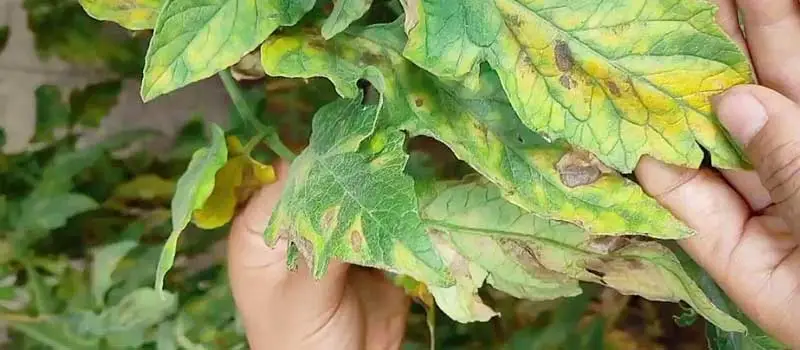
As a systemic triazole fungicide, propiconazole stops ergosterol production in fungal cells. It does this by stopping the C14-demethylase enzyme that changes lanosterol to ergosterol. This messes up the structure of the fungal cell wall, which stops pathogens from growing and reproducing. Like its triazole cousin difenoconazole, propiconazole protects and heals plants once it gets into their cells through their leaves. Its chemical formula, C15H17Cl2N3O2, allows for fast uptake and long-lasting activity, which makes it very useful for controlling resistant strains in grains, fruits, and specialty crops. Knowing how this biological process works helps procurement professionals choose fungicides such as difenoconazole that keep diseases at bay while causing as little damage to crops as possible.
Understanding Propiconazole: Mode of Action and Chemical Properties
Biochemical Mechanism of Fungal Inhibition
Propiconazole hits a key part of the sterol biosynthesis process. Ergosterol is needed by fungi to keep their cell membranes fluid and permeable. When propiconazole stops C14-demethylase from working, it causes abnormal sterol precursors to build up inside fungus cells, which damages the membranes. Spores can't germinate, hyphae can't get longer, and mycelial growth is stopped by this molecular breakdown. This active ingredient works throughout the body, so it can move up and down through xylem tissues and protect new plant growth even when it's applied to old leaves.
Systemic Activity and Translocation Characteristics
Propiconazole's lipophilic features make it easier for the skin to break through and for blood vessels to move around. Within two to four hours of spraying, concentrations can be measured in parts of plants that have not been handled. This movement through the body's systems both stops illnesses before they happen and heals them in their early stages, usually within 48 hours of the virus entering the body. This kind of dual functioning is very helpful when the weather is uncertain, and protectant fungicides alone might not work.
Chemical Stability and Residual Performance
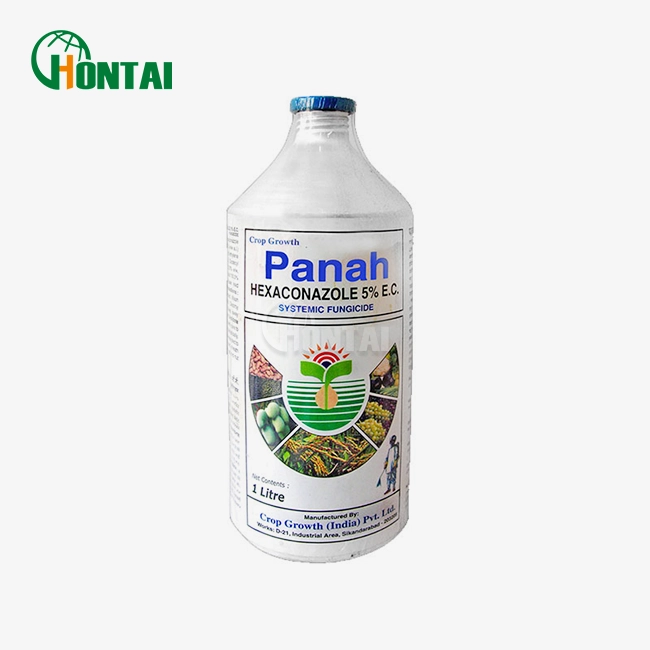
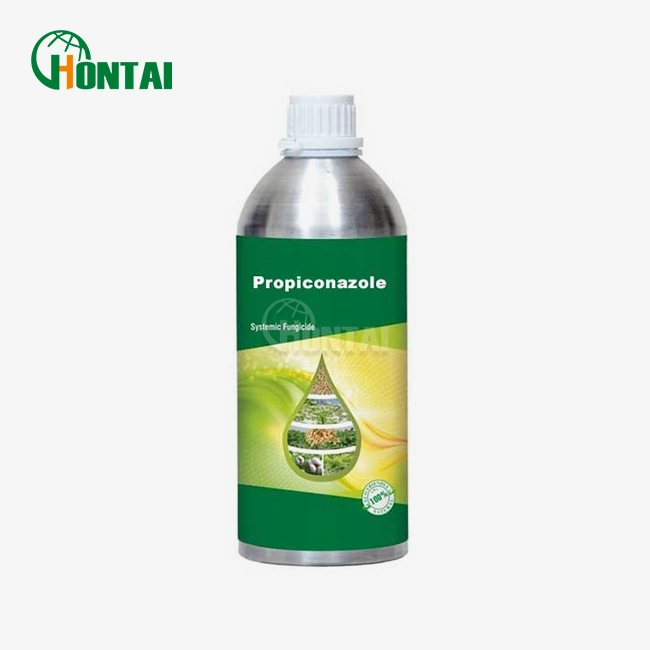
Propiconazole products, especially the 25% EC (emulsifiable concentrate) and 97% TC (technical concentrate) types sold by Hebei Hontai Biotech Co., Ltd., are very stable at high temperatures and in sunlight. The product keeps its biological activity even when the pH level of a spray tank blend changes. The residual effect lasts for 14 to 28 days, based on the number of diseases, the crop's structure, and weather conditions like temperature and rainfall. This longer protection window means that it doesn't have to be applied as often, which saves money on work and makes things run more smoothly for large-scale agricultural farmers. Difenoconazole works alongside propiconazole to enhance disease control and extend protection.
Propiconazole vs. Difenoconazole: Comparative Analysis for Effective Pest Control
Spectrum of Disease Control
Both triazole fungicides stop sterol demethylation, but they work against diseases in very different ways. At rates of 100 to 150 g/ha, propiconazole works very well against grain diseases like Erysiphe graminis (powdery mildew), Septoria species (leaf blotch), and Rhynchosporium secalis (scald). Difenoconazole works better than other drugs to treat Alternaria leaf spots and some Cercospora infections that are common in crop production. Agronomists use these subtle differences to help them choose the right product for each crop type and disease complex that is common.
Curative Action Window and Kick-Back Effect
Difenoconazole has a great "kick-back" effect that stops diseases that are already there within 24 to 48 hours of being applied. Propiconazole can also cure infections, but it usually needs to be used earlier, ideally during the pathogen's entry phase, instead of after symptoms start to show. This sensitivity to time affects choices about when to spray, especially for distributors who serve clients whose scouting skills and labor availability vary.
Resistance Management Strategies
Fungicide resistance is becoming a bigger problem in integrated pest control systems. Both chemicals are in FRAC Group 3, which means they have a medium resistance risk when used constantly. Changes between propiconazole and difenoconazole, or mixing them with multi-site fungicides like chlorothalonil, lower the pressure on disease populations to evolve. End users should be told about these cycle procedures by procurement managers, who should stress that reducing resistance protects long-term product effectiveness and return on agrochemical investment.
Best Practices for Propiconazole Application: Usage Guidelines and Safety Considerations
Dosage Optimization Across Crop Categories
Application rates depend on the food, the pathogen being targeted, and how bad the illness is. To protect against diseases like Cochliobolus sativus (spot blotch) and Leptosphaeria nodorum (glume blotch), cereal crops usually need 100 to 150 g/ha. The fight against Mycosphaerella musicola and Mycosphaerella fijiensis var. difformis does better when the same rates are used every 21 days during times of high humidity. When turf managers treat Sclerotinia homoeocarpa (dollar spot) and Puccinia species (rust), they change the doses based on how sensitive the grass species is and how much people use the area for fun. Propiconazole works well in rice paddies with Rhizoctonia solani (sheath blight) and in corn fields with Helminthosporium pressure when it is part of larger plans to control diseases, and difenoconazole can be integrated to enhance broad-spectrum disease management.
Application Timing and Environmental Conditions
The best time to do something is when a disease is first noticed or when preventative gaps are found by predictive models. Spraying leaves when it's calm outside and the temperature is between 15°C and 25°C is the best way to get the most coverage and uptake. Triazole fungicides are moderately harmful to bees, so don't use them when flowers are blooming to protect pollinators. If it rains within two hours of application, it may not work as well, but the systemic qualities of propiconazole make it less likely to wash off in the rain after absorption.
Safety Protocols and Environmental Stewardship
When they are mixing or spraying, applicators should wear the right safety gear, like gloves, shields, and respirators. Propiconazole is poisonous to some fish species, so keep safety zones around bodies of water to keep them from getting dirty. Follow the pre-harvest intervals (PHI) listed on the product labels to make sure that residue levels stay below the Maximum Residue Limits (MRLs) set by export officials in the countries you want to sell your goods. These steps protect the health of operators, the climate, and the ability of gathered goods to get to markets.
Procurement Insights: Sourcing Propiconazole and Related Products Globally
Evaluating Manufacturer Credentials and Product Quality
Checking the manufacturer's licenses and quality control standards is the first step in reliable buying. Hontai Biotech makes propiconazole products that meet international standards. Their technical concentrate is 97% pure, and their emulsifiable concentrate has 25% active ingredient. Adhering strictly to FAO and CIPAC analysis methods, such as HPLC purity verification and emulsion stability testing, ensures that the products are always the same. To make sure the product is real and works well, people who are in charge of buying things should ask for Certificates of Analysis (COA) and quality paperwork that is specific to each batch.
Formulation Selection and Packaging Flexibility
Which formulation type to use relies on the application tools, the storage infrastructure, and the tastes of the end user. The 25% EC formulation is easy to mix and spreads quickly in spray tanks. The 97% TC formulation, on the other hand, lets formulators make custom products or products with their own labels. Hontai offers a variety of packaging choices that can be used for both bulk sales from wholesalers and custom labeling on bottles for retail outlets. This flexibility helps a lot of different types of businesses, from big agribusinesses that buy directly from farmers to regional distributor networks that serve smaller groups.
Logistics and Regulatory Compliance
Getting propiconazole from another country means figuring out complicated shipping rules and what paperwork is needed for imports. Hontai's expert transportation team manages the shipping of containers, the labeling of dangerous materials, and the customs clearance process in many different countries. When goods are shipped, they come with Safety Data Sheets (SDS), registration papers (if needed), and phytosanitary certificates that make crossing borders easier. Fast global operations make sure that deliveries happen on time and in line with the yearly needs for crop protection. This keeps the supply chain from getting messed up, which could hurt disease management results.
Strategic Decision-Making: Choosing Propiconazole for Your Crop Protection Needs
Matching Product Attributes to Crop Requirements
Propiconazole can be used in a wide range of farming situations because it has broad-spectrum action. It works against multiple foliar diseases in a single dose, which saves cereal farmers time and money by cutting down on spraying frequently. Growers of bananas like that it works all over the plant, even on the upper canopy leaves that contact fungicides can't reach. Turf managers like that it kills both fungi and rust bacteria, which keeps golf courses and sports fields looking nice. When buyers know about these crop-specific benefits, they can choose products that are best for their needs and the levels of disease threat in their area.
Integration into Resistance Management Programs
To keep diseases under control in the long term, fungicides need to have different ways of working, and products that work together are needed. Propiconazole works well with strobilurin fungicides (FRAC Group 11) and multi-site protectants to make stacked defense systems that slow the growth of resistance. Growers should be taught by distributors about these cycle plans, with propiconazole being seen as an important part of complete fungicide programs rather than an answer on its own. This helpful method helps farmers stay in business for a long time and keeps customers coming back.
Economic Considerations and Return on Investment
Cost-effectiveness is more than just the price of a product per acre. It also includes things like protecting yields, getting better quality, and saving money on reapplication. Propiconazole's long-lasting effects mean that it doesn't need to be sprayed as often as shorter-acting options. This saves money on fuel, labor, and equipment replacement. Disease control leads to higher yields and better food quality measures, like test weight and protein content for cereals, or fewer flaws in fruit crops, which are qualities that earn higher prices in commodity markets. When considering fungicide choices, procurement managers should look at the total cost of ownership instead of just the unit price.
Conclusion
Propiconazole works by precisely stopping the production of ergosterol by fungi. It does this by protecting and healing the whole plant and every type of disease. It is a good choice for business growers, distributors, and crop protection service providers because it is chemically stable, works on a wide range of pests, and can be used with integrated pest control programs. When you look at propiconazole next to other options like difenoconazole, you can see that they have strengths that work well together in certain farming situations and for managing resistance. To make an application work, you need to pay attention to the right dose, the safety of the surroundings, and follow the rules. When making a purchase choice, it's helpful to look at the quality standards, formulation flexibility, and logistical skills of the maker to make sure that the supply chain works consistently. Adding propiconazole strategically to cycle programs strikes a balance between the need to control diseases right away and the need to achieve long-term sustainability goals.
FAQ
1. Can propiconazole be tank-mixed with other agrochemicals?
Most insecticides, pesticides, and fungicides that are used in crop production methods don't react physically with propiconazole. Mixing strobilurin fungicides or multi-site protectants in the tank improves disease control while lowering the risk of resistance. It is best not to mix triazole with highly alkaline mixtures like Bordeaux mixture, as this can make it less stable. Before mixing on a big scale, test the emulsion in a jar to make sure it is stable and there is no flocculation or phase separation.
2. What is the pre-harvest interval for propiconazole on major crops?
Pre-harvest times are different for each crop and each region's rules. For cereals, it usually takes 35 to 40 days from the end of treatment to the harvest. Depending on the type of fruit and where it will be sold, fruit crops may take 14 to 21 days. Always check the labels and local registration papers to make sure you're following the Maximum Residue Limit rules in the markets you're going to, especially for products that are meant to be exported.
3. How does environmental temperature affect how well propiconazole works?
Propiconazole stays active in living things at a lot of different temperatures, but uptake and movement rates speed up when it's hot (20–25°C). Do not apply fungicides when temperatures are above 30°C, as this can stress plants and make it harder for them to absorb the chemicals. Temperatures below 10°C slow down metabolism, which could make healing take longer. When applications happen at the same time as busy plant growth and mild ambient temperatures, performance is at its best.
Partner with Hontai for Reliable Triazole Fungicide Supply
Hontai Biotech is a reliable difenoconazole maker and propiconazole seller that agricultural businesses all over the world count on for consistent quality and performance. Our 25% EC and 97% TC formulations meet international standards and come with full technical data and legal support to make global purchasing easy. Hontai's skilled staff can help you choose the right product, follow the right application steps, and come up with resistance control methods that are specific to your crop protection needs. We offer flexible packing, custom labeling, and difenoconazole guidance for optimal results, and efficient transportation to make sure deliveries happen on time to support important planting and spraying windows. You can email our experienced agrochemical experts at admin@hontai-biotech.com to talk about buying propiconazole in bulk, customizing the formulation, or asking technical questions about how to use it in your disease control plans.
References
1. Mueller, D. S., and Wise, K. A. (2020). Fungicide Efficacy for Control of Wheat Diseases. Purdue University Extension Publication BP-160-W.
2. Brent, K. J., and Hollomon, D. W. (2007). Fungicide Resistance: The Assessment of Risk. FRAC Monograph No. 2, Global Crop Protection Federation, Brussels.
3. Hewitt, H. G. (1998). Fungicides in Crop Protection. CAB International, Wallingford, United Kingdom.
4. Latin, R. (2011). A Practical Guide to Turfgrass Fungicides. American Phytopathological Society Press, St. Paul, Minnesota.
5. van den Bosch, F., Paveley, N., Shaw, M., Hobbelen, P., and Oliver, R. (2011). The Dose Rate Debate: Does the Risk of Fungicide Resistance Increase or Decrease with Dose? Plant Pathology, 60(4), 597-606.
6. Tomlin, C. D. S. (2009). The Pesticide Manual: A World Compendium, 15th Edition. British Crop Protection Council, Alton, Hampshire, United Kingdom.
Our customers’ satisfaction speaks for our quality — contact us to experience the same reliable service.