- English
- French
- German
- Portuguese
- Spanish
- Russian
- Japanese
- Korean
- Arabic
- Greek
- German
- Turkish
- Italian
- Danish
- Romanian
- Indonesian
- Czech
- Afrikaans
- Swedish
- Polish
- Basque
- Catalan
- Esperanto
- Hindi
- Lao
- Albanian
- Amharic
- Armenian
- Azerbaijani
- Belarusian
- Bengali
- Bosnian
- Bulgarian
- Cebuano
- Chichewa
- Corsican
- Croatian
- Dutch
- Estonian
- Filipino
- Finnish
- Frisian
- Galician
- Georgian
- Gujarati
- Haitian
- Hausa
- Hawaiian
- Hebrew
- Hmong
- Hungarian
- Icelandic
- Igbo
- Javanese
- Kannada
- Kazakh
- Khmer
- Kurdish
- Kyrgyz
- Latin
- Latvian
- Lithuanian
- Luxembou..
- Macedonian
- Malagasy
- Malay
- Malayalam
- Maltese
- Maori
- Marathi
- Mongolian
- Burmese
- Nepali
- Norwegian
- Pashto
- Persian
- Punjabi
- Serbian
- Sesotho
- Sinhala
- Slovak
- Slovenian
- Somali
- Samoan
- Scots Gaelic
- Shona
- Sindhi
- Sundanese
- Swahili
- Tajik
- Tamil
- Telugu
- Thai
- Ukrainian
- Urdu
- Uzbek
- Vietnamese
- Welsh
- Xhosa
- Yiddish
- Yoruba
- Zulu
What is the use of Azamethiphos?
share:
Azamethiphos is a strong organophosphate insecticide that is designed to get rid of certain pests in tough industrial settings. When there are a lot of animals, this active ingredient works well to keep fly populations down. In aquaculture facilities, it gets rid of sea lice, and in agricultural areas, it deals with insect species that are resistant to chemicals. Acetylcholinesterase enzymes in pests are blocked, which stops nerve signals from going out. This quickly paralyzes and kills the pests. Companies that sell agrochemicals, farms that raise fish, and pest control companies all depend on this compound to keep production systems safe in places where regular pyrethroids and carbamates don't work anymore because pests are resistant.
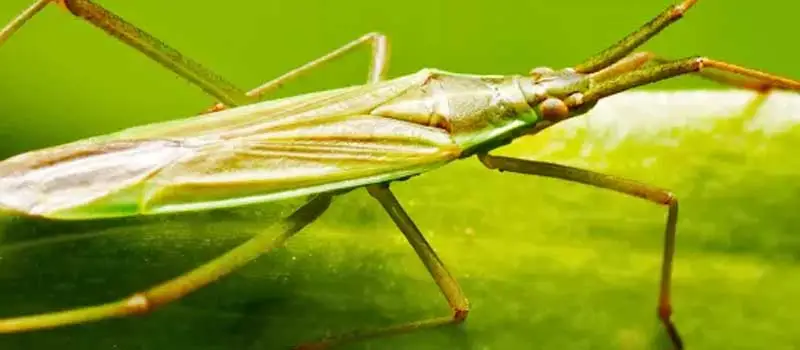
Understanding Azamethiphos: Chemical Properties and Mode of Action
Chemical Composition and Classification
Azamethiphos is an insecticide in the organophosphate class with the chemical name S-6-chloro-2,3-dihydro-2-oxo-1,3-oxazolo[4,5-b]pyridin-3-ylmethyl. Chemical formula C9H10ClN2O5PS shows how complicated its structure is. This helps explain why it is only toxic to certain things. The CAS number for this compound is 35575-96-3, and the EINECS number is 252-626-0. When kept in the right way in a dry place, it stays stable. Hontai makes this active ingredient in several different forms, such as 1% granules, 10% wettable powder, and 98% technical concentrate. The customer can choose how to use it and what size business they have.
Mechanism of Pest Elimination
The poison works by sticking to acetylcholinesterase enzymes in the nervous systems of the bugs it wants to kill and staying there. Acetylcholine can't break down because of this biochemical mess. This keeps stimulating nerves, which leads to seizures, muscle spasms, and finally death. This mode of action is different from contact-only insecticides because it works by being absorbed by the skin and eaten by insects. Because of this, it works very well at getting rid of houseflies (Musca domestica), stable flies (Stomoxys calcitrans), and sea lice (Lepeophtheirus salmonis). The cholinesterase inhibition mechanism is very useful for getting rid of pests that are metabolically resistant to other types of chemicals.
Safety Profile and Environmental Considerations
Even though operators are very good at killing their targets with Fly Killing Bait Insecticide Azamethiphos 1%, they still need to be careful and follow the right steps. You need to wear full safety gear when mixing and applying organophosphates, like gloves that can handle chemicals, masks, and clothes that keep you safe. It is the job of procurement managers to make sure that suppliers give them full Material Safety Data Sheets and technical guidance documents. This organophosphate doesn't last as long in the environment as some others that came before it. It is broken down by water and microbes, as well as through hydrolysis. If the directions for use are followed correctly, this biodegradability feature helps protect the environment in the long run. As part of plans to keep working against new generations of pests, different chemical groups of insecticides should be used every four to eight weeks.
Comparing Azamethiphos with Other Insecticides: Making Informed Decisions
Performance Against Conventional Alternatives
Finding out how different pest control options compare in terms of how well they work helps purchasing teams make the best investment decisions. Another organophosphate that works in a wide range of situations is chlorpyrifos. However, it is being regulated less and less in many places because people are worried about how long it will stay in the environment. Synthetic pyrethroids, such as permethrin and deltamethrin, kill insects quickly, but many fly populations are now resistant to repeated use. Azamethiphos is effective against many strains that are resistant because of its unique chemical makeup. It's a good choice for integrated pest management programs because it can work with other plants to get rid of pests. Tests done on dairy farms have shown that bait products that are made correctly can keep fly populations low for six to eight weeks after just one use. As a general rule, pyrethroid-based solutions only work for two to three weeks.
Cost-Benefit Analysis for Bulk Procurement
Large commercial buyers have to weigh the cost per unit against how long the treatment will last and how much work it will require. Tech-grade material might cost more per kilogram than some pyrethroids, but it lasts longer and doesn't need to be used as often, so the program costs less overall. The 1% granular formula can treat about 5,000 square meters at the recommended rate of two grams per square meter. A 10-kilogram order of this formula can do this. When big farmers buy directly from companies like Hontai, they can often get discounts for buying in bulk that lower the prices even more. People who sell goods and want to add more should look at the growing need for compounds that break down resistance. This makes more money than generic insecticides, which are becoming less valuable as more companies start selling them.
Application Suitability Across Sectors
Taking care of sea lice in aquaculture is very different from taking care of fly populations in livestock operations. For salmon farming, bath treatments need precise dosing calculations based on how much water is used and how hot or cold it is. Most treatments last between 30 and 60 minutes. The compound stays stable in marine environments during treatment windows when used according to veterinary protocols. It kills parasites effectively without putting too much stress on fish stocks. One use in agriculture is to keep flies away from places where animals are kept. The granular and wettable powder forms can be used in many ways, such as painting on surfaces or as scatter baits. For example, chicken farmers need to manage housing systems with walls, and pig farms need to manage manure areas outside. This flexibility meets the operational needs of all of these different customer groups.
Practical Usage Guidelines for Azamethiphos in Industrial Pest Control
Recommended Application Methods
With Hontai's granular formulation, you can pick from three tried-and-true ways to deploy that are perfect for your needs. With this method, you put about two grams of product per square meter on raised-edge pieces of paper or cardboard and put them in places where flies like to hang out. This method works well around the edges of barns, near feeding stations, and near areas where manure is collected. Small amounts of water, milk, or beer added to the surface before application greatly improve the attractant properties. This makes it easier for the pests you want to get rid of to get to the treated areas faster. One more way is to put the item on wet corrugated cardboard and let it dry, then remove it. After that, the boards are hung all over the building. By putting off deployment in this way, the product will normally last an extra six to eight weeks. This saves money on labor costs that come with having to reapply it so often.
For vertical surfaces where flies rest between meals, paint-on methods that use powders that can be mixed with water work well. Wet the 10% concentrate with water to make a paste. Use a brush or a roller to paint the paste on walls, fence posts, and window frames. This method puts the active ingredient in places where a lot of people walk, while also cutting down on waste and the chance of animals getting exposed. The procurement manager should be clear with suppliers about the formulation type based on how the facility is set up and what the operations team wants.
Storage and Handling Protocols
Following the right storage conditions all along the supply chain is important to keep the product's quality. Technical concentrates and formulated products should be kept in their original, sealed containers. They should also be kept somewhere dry, out of direct sunlight, and away from temperatures that are too high or too low. Conditions should be watched to make sure that moisture doesn't get in places that don't have climate-controlled storage. Moisture speeds up hydrolytic degradation and makes the product less useful. Because they lose their strength quickly in water, ready-made spray solutions should be used within 24 hours of being diluted. Distribution centers that handle inventory for more than one customer must set up rotation procedures to make sure that older stock ships before new materials arrive. People who live in places with bad logistics infrastructure should think about these handling issues when they plan to buy something.
Resistance Management Strategies
If you want to keep working over several seasons, you need to stop resisting. When you change chemical groups, you stop the pressure on pest populations to gain more genes that protect them. Once in a while, organophosphates like Azamethiphos are switched out for neonicotinoids, spinosyns, or insect growth regulators on a good rotation schedule. Keep an eye on knockdown times and death rates with tracking programs. These can spot new resistance early and allow control strategies to be changed in time. If an agricultural service provider offers full programs for getting rid of pests, they should include these rotation rules in their technical advice. This will add more value to the offer than just selling things. Customers can get the most out of their investments in agrochemicals with the help of technical information and advice from Hontai and other companies like it.
Procurement Insights: How to Buy Azamethiphos for Your Business?
Identifying Reliable Manufacturers and Suppliers
Finding good suppliers is the first thing that needs to be done for procurement to go well. Customers should give sellers more weight if they can show consistent quality control standards. This can be shown by testing certifications and audits of the production facility done by a third party. Shijiazhuang is home to the Hebei Hontai Biotech Co., Ltd., which was set up in 2021. It is a fully integrated farming business that makes pesticides and has strict quality control systems in place. When you're evaluating potential suppliers, make sure they give you full product details, like purity analysis, impurity profiles, and batch consistency data from several production runs. Manufacturers you can trust are open about how they handle documentation and are happy to give full technical dossiers that help markets follow the rules.
Regulatory Compliance and Documentation
Pay close attention to the rules that say how to bring chemicals into the country, distribute them, and use them if you want to trade pesticides with other countries. The teams in charge of buying things need to check that the Material Safety Data Sheets that suppliers give them are complete and follow the Globally Harmonized System of Classification and Labeling of Chemicals. By showing proof that the product is registered in the destination country, you can avoid shipping delays and possible legal issues. The bare minimum of paperwork needed to legally trade is to be registered with the Environmental Protection Agency (EPA) in the US, to follow the EU Biocidal Products Regulation in European markets, and to get similar permissions in other places. Taiwan has export teams with a lot of experience that know these rules. This makes it easier for customers from other countries to get their goods through customs and get regulatory approval.
Pricing Structures and Order Logistics
The smallest production batches that are cost-effective and the best sizes for shipping containers are usually what the minimum order quantities are. People who want to buy something should check to see if the price they are given includes shipping, packaging, and the cost of export paperwork. Higher prices are given for bigger commitments based on volume. Depending on the density of the mixture, the breakpoints are usually at 500 kg, 1,000 kg, and full container loads of 10,000 to 20,000 kg. If you want to ship a stock formulation, it usually takes two to four weeks. If you need to ship a custom formulation that needs special packaging or private labeling, it takes six to eight weeks. Framework agreements with Hontai and other suppliers make it easier to place repeat orders because the terms have already been agreed upon. That makes it easier to keep track of things and makes sure that supplies don't run out when demand is high.
Building Trust: Why Choose Hontai Azamethiphos Products?
Manufacturing Excellence and Quality Assurance
Factory workers in Hontai follow strict rules for quality control all the way through the production process, from checking the raw materials to testing and packing the finished product. A full analysis of each production batch is done to make sure that the concentration of the active ingredient meets the standards. For technical grades, these standards are usually within 0.5% of the labeled content. Standards are used to check the physical properties of the mixtures, like the particle size distribution for granular mixtures and the susceptibility characteristics for powders that can be mixed with water. By following this organized method, both procurement professionals and end users can be sure that each order will be handled the same way. Since the company can do sales, research, and development all in one, the products are always getting better, and the company can quickly change to meet the needs of new customers as their pest control needs change.
Customization Capabilities and Technical Support
Hontai has standard formulations as well as the ability to make changes to fit the needs of specific operations. When distributors use private label packaging programs, they can sell goods under their own brands while still using formulation chemistry and manufacturing know-how that has worked well in the past. There are different concentration levels, packaging sizes, and ways to use the product that can be made just for big buyers with specific needs. People who buy from the company can talk to their professional technical team to make sure that the application protocols will work best for their building designs and pest problems. Support lasts for as long as the product does. After-sales service takes care of any questions or issues that come up with how it works or how to use it after the sale. This level of help is what makes real strategic partners in pest control programs different from chemical suppliers.
Global Service Network and Supply Reliability
When it comes to farming, schedules are very strict, and how well the business does is directly related to how many products like Fly Killing Bait Insecticide Azamethiphos 1% are available. Hong Kong has set up distribution networks that reach markets in Asia, Africa, Europe, and the Americas. These networks are made possible by partnerships with logistics companies that make sure shipping is fast and stable. When you place an order, you get the goods faster thanks to fast global logistics. This is very important when pest problems suddenly get worse. The company promises to always have enough inventory on hand so that customers are not affected by supply problems that might happen during busy times for pest control programs. Since products are always available, this makes it easier for distributors and large agricultural producers to meet their customer service and planning needs.
Conclusion
Azamethiphos is a useful weapon for pest control jobs that need to deal with bug populations that are resistant to chemicals and strict rules. Even when other chemicals have failed, it has been shown to kill flies in farms with animals and sea lice in gardens with fish. If you follow the safety rules and use the product in the best way possible, it will work better and keep you safe. To do a good job of procurement, you need to work with manufacturers that can show they can provide consistent quality, know the rules, and offer full technical support. All of these things affect how well a program works in the long term and how much money businesses of all sizes get back on their agrochemical investments.
FAQ
Q1: Is Azamethiphos safe to use around livestock and fish?
If the compound is used as directed on the label, Azamethiphos can be used safely in animal facilities that are already full. You can keep the active ingredient away from animals by putting it on the surface of places where they can rest. You can also keep feed and water from getting dirty if you put them in the right place. To get rid of parasites in aquaculture bath treatments while keeping the fish safe, dosage calculations and treatment time guidelines are used.
Q2: How does resistance management work with this insecticide?
If you want to stop resistance for good, you need to use more than one active ingredient and switch between chemical classes. Every four to eight weeks, you can change the chemicals you use from neonicotinoids to pyrethroids, insect growth regulators, and organophosphates. This will stop the selection pressure that makes resistance genes grow. You can spot early signs of resistance by keeping an eye on death rates. This lets you make changes to your strategy.
Q3: What documentation should buyers request from suppliers?
The full set of procurement documents includes tests to prove the purity of the products, Material Safety Data Sheets that meet GHS standards, certificates of analysis for specific batches, proof that the target markets are registered, and certifications for the manufacturing facility. These materials come from dependable suppliers, which helps with quality control and following the rules all along the supply chain.
Partner with a Trusted Azamethiphos Supplier
Hebei Hontai Biotech Co., Ltd. sells reliable organophosphate insecticides that are well-made and come with full technical support. Farmers, distributors, and people who work in pest control can depend on our Azamethiphos formulations to get consistent results, even when things get tough at work. We can make changes to your order in several ways, offer low prices for bulk orders, and ship quickly around the world to ensure your supply stays steady. Our sales team can be reached at admin@hontai-biotech.com to talk about your needs, get full product information, and learn how our pest control services can help your business.
References
1. Environmental Protection Agency. (2018). Organophosphate Insecticides: Mode of Action and Resistance Management Strategies. EPA Publications on Pesticide Safety.
2. Food and Agriculture Organization. (2020). Guidelines for Pesticide Procurement in Agricultural Operations. FAO Integrated Pest Management Technical Series.
3. International Journal of Pest Management. (2019). "Efficacy of Azamethiphos Against Resistant Fly Populations in Livestock Facilities." Volume 65, Issue 3, pp. 234-248.
4. Marine Aquaculture Technology Review. (2021). "Sea Lice Control Methods in Commercial Salmon Farming: Chemical and Biological Approaches." Annual Industry Report.
5. Society of Chemical Manufacturers. (2020). Best Practices for Agrochemical Storage and Handling in Distribution Networks. SCM Technical Bulletin Series.
6. World Organisation for Animal Health. (2022). Veterinary Parasiticides: Regulatory Requirements and Safety Guidelines for Aquaculture Applications. OIE Standards Documentation.
Our customers’ satisfaction speaks for our quality — contact us to experience the same reliable service.