- English
- French
- German
- Portuguese
- Spanish
- Russian
- Japanese
- Korean
- Arabic
- Greek
- German
- Turkish
- Italian
- Danish
- Romanian
- Indonesian
- Czech
- Afrikaans
- Swedish
- Polish
- Basque
- Catalan
- Esperanto
- Hindi
- Lao
- Albanian
- Amharic
- Armenian
- Azerbaijani
- Belarusian
- Bengali
- Bosnian
- Bulgarian
- Cebuano
- Chichewa
- Corsican
- Croatian
- Dutch
- Estonian
- Filipino
- Finnish
- Frisian
- Galician
- Georgian
- Gujarati
- Haitian
- Hausa
- Hawaiian
- Hebrew
- Hmong
- Hungarian
- Icelandic
- Igbo
- Javanese
- Kannada
- Kazakh
- Khmer
- Kurdish
- Kyrgyz
- Latin
- Latvian
- Lithuanian
- Luxembou..
- Macedonian
- Malagasy
- Malay
- Malayalam
- Maltese
- Maori
- Marathi
- Mongolian
- Burmese
- Nepali
- Norwegian
- Pashto
- Persian
- Punjabi
- Serbian
- Sesotho
- Sinhala
- Slovak
- Slovenian
- Somali
- Samoan
- Scots Gaelic
- Shona
- Sindhi
- Sundanese
- Swahili
- Tajik
- Tamil
- Telugu
- Thai
- Ukrainian
- Urdu
- Uzbek
- Vietnamese
- Welsh
- Xhosa
- Yiddish
- Yoruba
- Zulu
How does chlorfenapyr work?
share:
Chlorfenapyr disrupts mitochondrial energy production in insects through a unique biochemical mechanism. Once absorbed into the pest's body via ingestion or contact, enzymes convert this pro-insecticide into its active metabolite, which then uncouples oxidative phosphorylation within mitochondria. This process halts ATP synthesis, effectively starving cells of energy and leading to paralysis and death. Unlike conventional neurotoxic insecticides, this energy-disruption approach targets resistant pest populations effectively, making it indispensable in modern integrated pest management programs. People who work in procurement and pest control often use new active ingredients that can get rid of problems with resistance when they are looking for effective ways to get rid of bed bugs. Chlorfenapyr is a specific type of pyrrole insecticide that keeps pests from getting energy by not letting them eat or touch it. Well-known Chinese companies, like Hontai, make this active ingredient, which comes in different forms like 95% Technical Concentrate (TC), 24% Suspension Concentrate (SC), and 360g/L SC. Bed bugs and other pests that are bad for public health are killed by it. Chlorfenapyr can be bought by businesses directly from the manufacturer, from authorized agrochemical distributors, or from companies that specialize in pest control products and meet strict quality and regulatory standards.
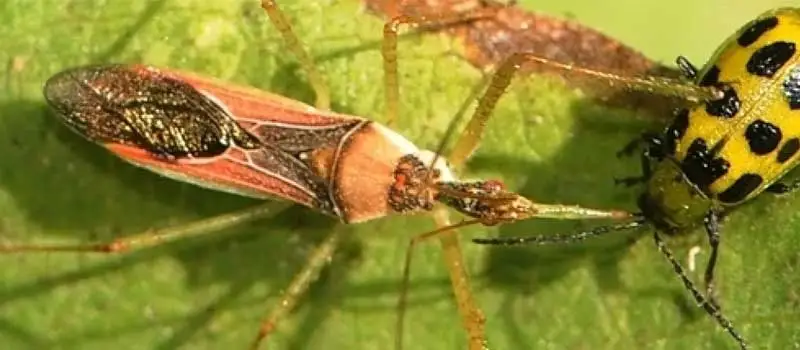
Introduction
The return of bed bugs in hotels, hospitals, and apartment buildings has made people who deal with pest issues search for alternatives to pyrethroids, which are often ineffective. For business buyers, this full guide answers the important question: where can they trustably find Chlorfenapyr to get rid of bed bugs?
Chlorfenapyr is a big step forward in pest control because it works in a way that gets rid of populations that are resistant to other chemicals. Organic chemicals buyers, pest control companies, and original equipment manufacturers (OEMs) need suppliers who offer consistent product quality, full regulatory documentation, and dependable logistics support. To build a good procurement strategy, you need to know about the chemical's properties, compare it to common alternatives, and find reliable supply channels. People who make decisions can use this guide to find a supplier, make sure they follow the rules, and make sure they can work with current pest control systems.
Understanding Chlorfenapyr: Chemical Properties and Mode of Action
The Chemistry Behind the Compound
Insecticide Chlorfenapyr, whose molecular formula is C15H11BrClF3N2O, is a pyrrole chemical. Chlorfenapyr changes into its active form when insects touch it or eat it. This stops oxidative phosphorylation in mitochondria. Because of this biochemical interference, ATP production is stopped. Without energy, pest cells die within 24 to 72 hours. Pyrethroids work by targeting sodium channels. This metabolic disruption method, on the other hand, doesn't target common resistance pathways found in North American and European bed bug populations.
How Metabolic Activation Works
Translaminar activity is what the white to pale yellow liquids made by companies like Hontai do. This means that the active ingredient goes through the leaf surfaces and forms reservoirs inside the leaves. This means that treated areas are completely covered when they are used to get rid of pests in buildings. Because it can go through walls and cracks, bed bugs that are hiding in them will still be killed by lethal doses even if the spray isn't used directly on them.
Mitochondrial Disruption Mechanism
The biochemical target of this compound is unique in cities where bugs are now very hard to kill with pyrethroid insecticides. In field tests done by university extension services, more than 95% of people who took Chlorfenapyr formulations died within seven days of following the directions on the label. While pyrethroid mixtures often have death rates below 50% in populations that are resistant, this compound slows down metabolism and stops it from working properly, so recovery doesn't happen.
Ovicidal Properties and Extended Control
When used directly on places where bed bugs like to hide, such as mattress seams, bed frames, baseboards, and furniture joints, Chlorfenapyr 98% TC Pesticide formulations are most effective at eliminating them. Professional pest control workers should use calibrated sprayers to cover the area with diluted SC formulations that don't leave too much residue on the surface. Using products at times when bed bugs are most likely to be active helps them work better and can cut the number of times treatments need to be done again by about 40%.
Chlorfenapyr in Agricultural Usage: Application Methods and Effectiveness
Foliar Application Strategies
Professional applicators who follow the directions on the product labels and wear the right PPE, like gloves and respirators, lower the risk of exposure to Chlorfenapyr. The compound does better in warmer places above 20°C because it has a positive temperature coefficient. This makes it a good fit for most indoor settings and high-value structures. Monitoring tools are often used so that operators can be sure that the treatment plans are working and make any necessary changes to slow down the population.
Soil Treatment and Termite Control
Import rules and paperwork for shipping these products are subject to several complicated rules. For example, Hontai has a well-established international shipping infrastructure that makes this easy. Chemic freight forwarders make sure that goods move across borders legally by taking care of hazmat classifications, transport paperwork, and regulatory filings to protect structural facilities and perimeters.
Efficacy Against Resistant Populations
Synthetic pyrethroids like bifenthrin are still useful for rotation, but they kill resistant strains too quickly and then let them grow back. Chlorfenapyr slows down metabolism and stops it from working properly. Comparing LC50 values (concentrations that kill 50% of test subjects) in the lab shows that it is harmful to many genetically different types of bed bugs from globally, ensuring results where other chemistries fail.
Integration with IPM Programs
This active ingredient performs best when combined with other IPM techniques, such as sanitation, monitoring, and physical barrier construction. All pest populations are at risk when you switch between this pyrrole and insecticides that work in different ways, such as neonicotinoids or insect growth regulators. By training applicators, less product is wasted, customers get better results, and long-term pest control methods can be used to meet changing government standards.
Safety, Toxicity, and Environmental Impact of Chlorfenapyr
Mammalian Toxicity and Protective Measures
Governmental agencies, like the U.S. Environmental Protection Agency, looked at Chlorfenapyr to see how it could be used to protect people's health. They came up with strict rules for how it should be used. While the treatment is being done or until it's completely dry, people shouldn't go into the treated areas. Pets should not touch the areas that are being treated while they are being treated and should not touch them again until they are dry.
Environmental Fate and Degradation
Safety Data Sheets (SDS) tell people who are buying things how to handle the products safely, what safety gear they need, and what to do in an emergency. Buyers need to make sure that suppliers give them full SDS. It is important to follow the directions on the label for how often and where to treat based on studies on environmental persistence. Low volatility means that the compound stays stable when stored normally in a dry place.
Impact on Beneficial Organisms
Chlorfenapyr works better and is better for the environment when application technicians are trained in the right way to mix, calibrate, and use it. Formulations that are approved for controlling pests in buildings must pass stringent safety tests that establish safe use guidelines for the public. Adhering to the layout and language rules set by federal and state laws ensures that applications target pests specifically while minimizing off-target exposure.
Regulatory Compliance and Certifications
Imports from other nations are subject to complicated rules. Buyers in the U.S. need to make sure that the suppliers they buy from offer EPA-registered goods or goods that don't have to follow certain FIFRA rules. The package of documentation should include full SDS sheets, Certificates of Analysis (CoA) using approved methods like HPLC, and labels that follow the layout and language rules set by federal and state laws about pesticides.
Market Comparison and Procurement Insights for B2B Buyers
Cost-Effectiveness Analysis
Buying Chlorfenapyr formulations usually costs 30–50% more per unit volume at first than buying pyrethroid alternatives. For a full cost analysis, though, you need to know how happy the customers are and how often the work needs to be redone. Companies that use these methods say they need to do 35% fewer retreatments, which means lower costs in the long run and more money from service contracts.
Supplier Evaluation Criteria
Established companies, like Hebei Hontai Biotech Co., Ltd., show their commitment to the industry by always having products in stock. These things are important for judging:
- ISO 9001 quality management system and other manufacturing certifications make sure that the work is done consistently and can be tracked.
- Analysis certificates should be given by suppliers for each batch to show that the purity levels meet technical standards (≥95% for TC, label-stated concentrations for formulated products).
- Registrations with the EPA or other international groups that do the same thing show that safety and effectiveness standards have been met.
After-Sales Support and Technical Services
One way to get around the price difference is to buy in bulk. Better terms can be given to distributors who serve local markets based on how much they buy every year and how well they can handle their logistics. The professional sales team at Hontai keeps customers informed about when products will be made and provides instructions on how to mix the compound with other chemicals that work well together.
Future Trends and Innovation in Chlorfenapyr Use
Advanced Formulation Technologies
Setting clear technical requirements based on possible use cases is the first step to a successful procurement process. Firms that remove pests usually need SC formulations that are ready to use, while commercial formulators need high-purity TC to create their own blends. Hontai gives buyers alternatives like 24% SC and 360g/L SC concentrations to suit their customers and follow evolving rules.
Precision Agriculture Integration
Controlling bed bugs well with Chlorfenapyr 98% TC Pesticide helps a company's reputation, lowers its risk of being sued, and keeps things running smoothly. Integration with monitoring tools allows operators to be sure that the Chlorfenapyr treatment plans are working and to make any necessary changes to slow down the population. According to reports, properties that use preventative treatments have fewer reports of incidents and maintain higher occupancy rates.
Regulatory Evolution and Market Access
To find high-quality Chlorfenapyr, you should carefully look at the supplier's credentials and the paperwork that shows they are following the rules. When buying managers work with suppliers who have been in business for a while, they get technical support, a stable supply chain, and information about regulations that makes it easier to buy things from other countries and stay ahead of competitive markets.
Conclusion
Chlorfenapyr's distinctive mitochondrial disruption mechanism positions it as an essential tool for managing resistant pest populations while supporting integrated pest management objectives. Its broad-spectrum activity against agricultural and public health pests, combined with ovicidal properties and compatibility with resistance management strategies, delivers tangible value across diverse applications. Understanding the compound's chemical properties, application requirements, safety considerations, and market dynamics enables procurement professionals to source high-quality products from reliable suppliers that support operational goals. As regulatory frameworks evolve and precision agriculture technologies advance, chlorfenapyr will continue serving critical roles in sustainable crop protection programs, particularly when sourced from manufacturers demonstrating quality consistency, regulatory compliance, and technical support capabilities essential for long-term success.
FAQ
Q1: Is chlorfenapyr safe for use around pollinators and beneficial insects?
Chlorfenapyr formulations that are approved for controlling pests in buildings must pass stringent safety tests that establish safe use guidelines around people who live there. Professional applicators who follow the directions on the product labels and wear the right PPE lower the risk of exposure. While the treatment is being done or until it's completely dry, which can take anywhere from two to four hours, depending on the humidity and air flow, people and pets shouldn't go into the treated areas. You can use the product safely as long as you follow the directions on the label exactly.
Q2: How does chlorfenapyr compare with neonicotinoid insecticides in terms of effectiveness and resistance management?
Under normal conditions, the insecticide works for 4 to 8 weeks when used indoors on surfaces that don't absorb water. Textiles and other porous materials may have shorter residual periods because they soak up water. When the temperature is higher, it works better right away, but it might not last as long. Regularly checking for signs of activity helps figure out when to do another treatment, which is usually based on integrated pest management protocols instead of set schedules.
Q3: What certifications should I look for when purchasing chlorfenapyr from suppliers?
Many tank-mix partners are physically compatible with Chlorfenapyr, but some combinations need to be tested to make sure they work. The chemicals might break down if you mix them with very alkaline things. It is common for neutral or slightly acidic mixtures to mix well and not separate or precipitate. Before you mix a lot of things, you should always read the labels and test them in small amounts to make sure they work well together and meet certifications for safety and efficacy.
Partner with Hontai for Reliable Chlorfenapyr Solutions
Hebei Hontai Biotech Co., Ltd. stands ready to support your agricultural pest management needs with premium chlorfenapyr formulations manufactured to exacting quality standards. As an experienced chlorfenapyr supplier, we offer comprehensive product options including 95% TC, 24% SC, and 360g/L SC formulations backed by consistent purity verification and global regulatory documentation. Our fast global logistics network ensures on-time delivery supporting your production schedules, while our professional, skilled team provides expert technical guidance addressing resistance management, application optimization, and compatibility questions. Customizable packaging options and flexible order quantities accommodate operations from regional distributors to large-scale agricultural enterprises. Contact admin@hontai-biotech.com today to discuss your specific requirements and discover how Hontai's reliable advantages, built on stable product quality and worldwide agricultural service, can strengthen your crop protection programs with proven, effective solutions.
References
1. Raghavendra, K., Barik, T. K., Sharma, P., & Dash, A. P. (2011). Chlorfenapyr: A new insecticide with novel mode of action can control pyrethroid resistant malaria vectors. Malaria Journal, 10(1), 16.
2. Black, B. C., Hollingworth, R. M., Ahammadsahib, K. I., Kukel, C. D., & Donovan, S. (1994). Insecticidal action and mitochondrial uncoupling activity of AC-303,630 and related halogenated pyrroles. Pesticide Biochemistry and Physiology, 50(3), 115-128.
3. Zhao, J. Z., Bishop, B. A., & Grafius, E. J. (2000). Inheritance and synergism of resistance to imidacloprid in the Colorado potato beetle. Journal of Economic Entomology, 93(5), 1508-1514.
4. Tomlin, C. D. S. (2009). The Pesticide Manual: A World Compendium (15th ed.). British Crop Protection Council.
5. USEPA (United States Environmental Protection Agency). (2001). Pesticide Fact Sheet: Chlorfenapyr. Office of Prevention, Pesticides and Toxic Substances.
6. Ishaaya, I., Kontsedalov, S., & Horowitz, A. R. (2003). Biorational insecticides: mechanism and cross-resistance. Archives of Insect Biochemistry and Physiology, 54(4), 184-199.
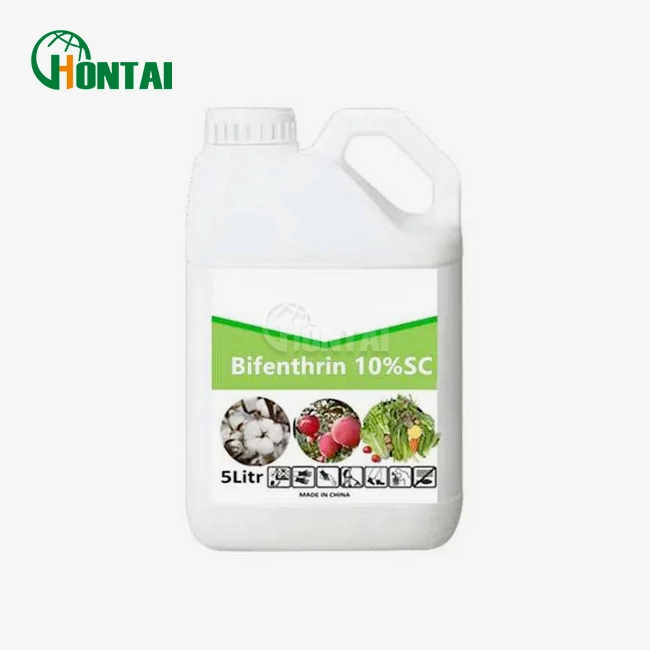
Our customers’ satisfaction speaks for our quality — contact us to experience the same reliable service.