- English
- French
- German
- Portuguese
- Spanish
- Russian
- Japanese
- Korean
- Arabic
- Greek
- German
- Turkish
- Italian
- Danish
- Romanian
- Indonesian
- Czech
- Afrikaans
- Swedish
- Polish
- Basque
- Catalan
- Esperanto
- Hindi
- Lao
- Albanian
- Amharic
- Armenian
- Azerbaijani
- Belarusian
- Bengali
- Bosnian
- Bulgarian
- Cebuano
- Chichewa
- Corsican
- Croatian
- Dutch
- Estonian
- Filipino
- Finnish
- Frisian
- Galician
- Georgian
- Gujarati
- Haitian
- Hausa
- Hawaiian
- Hebrew
- Hmong
- Hungarian
- Icelandic
- Igbo
- Javanese
- Kannada
- Kazakh
- Khmer
- Kurdish
- Kyrgyz
- Latin
- Latvian
- Lithuanian
- Luxembou..
- Macedonian
- Malagasy
- Malay
- Malayalam
- Maltese
- Maori
- Marathi
- Mongolian
- Burmese
- Nepali
- Norwegian
- Pashto
- Persian
- Punjabi
- Serbian
- Sesotho
- Sinhala
- Slovak
- Slovenian
- Somali
- Samoan
- Scots Gaelic
- Shona
- Sindhi
- Sundanese
- Swahili
- Tajik
- Tamil
- Telugu
- Thai
- Ukrainian
- Urdu
- Uzbek
- Vietnamese
- Welsh
- Xhosa
- Yiddish
- Yoruba
- Zulu
What is the difference between flumethrin and deltamethrin?
share:
It's important to know the main differences between flumethrin and deltamethrin before you buy pyrethroid drugs for growing or getting rid of pests. The chemicals in question are both pyrethroids, which are man-made versions of natural pyrethrins from chrysanthemum flowers. They are not the same, though, and that changes how well they work and what you can do with them. Because of its alpha-cyano group, Deltamethrin, a Type II pyrethroid, is more poisonous. It kills more bugs and stays active longer than flumethrin, which makes it great for protecting crops and vector control programs that need to get rid of pests fast.
Introduction to Flumethrin and Deltamethrin
In the field of manufactured pyrethroids, both flumethrin and deltamethrin are big steps forward. They are very important all over the world because they keep pests from hurting animals, food, and goods. Today, these chemicals are important parts of plans to get rid of pests, especially in business-to-business (B2B) settings where farms and wholesalers want reliable, low-cost choices.
What these pyrethroids are and how they are used are important things to know before you buy something in many areas. Chemicals like these are used by farms that work on hundreds to thousands of fields to keep food quality and yield high while also making sure they follow the constantly changing safety rules and laws.
Strategic Importance in Global Markets
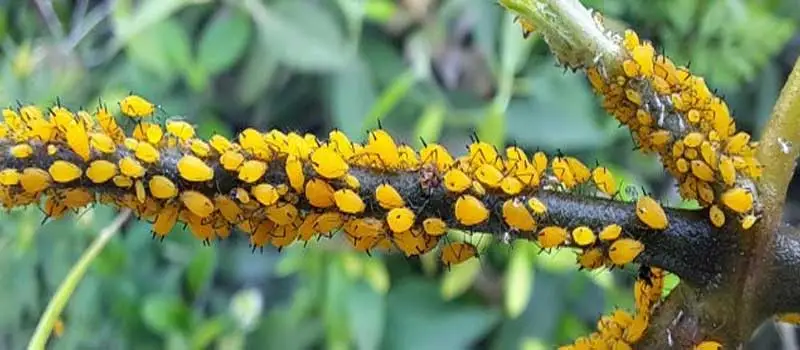
Pyrethroid pesticides, such as deltamethrin, are used on a large scale, which shows that they can solve many business problems at once. Big farmers like how well they get rid of a lot of different kinds of pest insects, like aphids and other moving insects that hurt food yields. For the same reason, public health groups use these poisons to get rid of insects and other arthropods that spread disease as part of programs called vector control.
People who work in buying know that choosing the right pyrethroid compound has a direct impact on how well a business runs, how well it meets legal requirements, and how well it meets its long-term green goals. Which one to use—flumethrin or deltamethrin—depends on the purpose, the environment, the type of bug that needs to be managed, and the cost. All of these factors are very different in different farming and pest control situations.
Chemical and Mode of Action Differences
When we look at flumethrin and deltamethrin's molecules, we can see that they are very different in key ways that change how they work and what they can be used for. When buying from a seller, buying teams need to think about these fundamental differences because they affect how well the product works, how it reacts to its surroundings, and the formulation options they have.
Molecular Structure and Stability Characteristics
With the molecular formula C₂₂H₁₉Br₂NO₃, deltamethrin is a Type II pyrethroid. Because it has an alpha-cyano group, it is much more dangerous to insects. Because of this part of its makeup, deltamethrin is more photostable than many other pyrethroids. This means that it can work in the field for longer.
For the most part, memethrin has the same structure as pyrethroids. However, it doesn't have this alpha-cyano group and is less stable. When not in direct UV light, the mix stays strong for a long time. However, it may break down faster than deltamethrin when it's in direct sunlight. These changes in security have a big impact on when to use the item, how much room it needs, and how well it works in different settings.
Neurotoxic Action Mechanisms
That's what both poisons do, but they get rid of pests in different ways that change how well they work. In insect nerve membranes, deltamethrin prevents voltage-gated sodium channels from closing. This repeatedly sends nerve impulses, paralyzing the person and killing them quickly, which is the result that is wanted in business.
The enhanced neurotoxicity of Deltamethrin allows for lower rates while still being very effective at killing pests because of its greater cytotoxicity. For this reason, fewer poisons are put into the environment, and events that involve a lot of people can save money. It's kind of like how permethrin works, but you need to use more of it to get the same effect, especially on pests that are resistant.
Environmental Fate and Degradation Pathways
When buying, teams know how the world works, and they can think about things like safety and following the rules for the long term. Deltamethrin doesn't stay in the ground for very long. It can break down in a few weeks to a few months, depending on the temperature, how wet it is, and the amount of microbial activity.
The photostability of the substance is very useful in gardening, where surfaces are left in the sun for long periods of time. Deltamethrin, similarly, shows photostability. Flumethrin shows faster degradation under UV conditions but may persist longer in places that are protected. In other words, the risk-benefit factors are different for every use case.
Efficacy and Safety Profiles for Industrial Use
You can tell how well pyrethroids work in factories by how long they keep pests away, how safe they are, and how well they handle being pushed back against. When these things happen, they change what farms and pest control companies buy and how well they do in the long run.
Residual Activity and Knockdown Efficiency
Deltamethrin sticks to a lot of different objects really well. On non-porous surfaces inside, it lasts three to six months. Outside, it lasts a few weeks, based on the weather. Since there is more time to act, the application doesn't have to be made as many times, which saves time and money. This is very good for companies' bottom lines.
Because the substance stops working quickly, it is great for cases where getting rid of pests right away is important. Agricultural producers facing acute pest pressure often rely on deltamethrin's combination of quick action and prolonged residual control to protect valuable crops during critical growth periods.
Deltamethrin 2.5% Ec Pest Control, while Bug Killer Flumethrin works well, needs to be used more often to keep up the same level of safety. When running a big business, this difference is very important because application fees and time limits directly affect how profitable and effective the company is.
Toxicological Safety Profiles
Pesticide rules today need a lot of safety data, and both chemicals have been through a lot of tests to see how dangerous they are. Deltamethrin is not very dangerous to animals as long as it is used properly and as directed on the label. Safety limits have been set for farm workers and applicators for a long time.
The chemical is safe for the environment because it breaks down quickly. This means that it is less likely to build up in living things than older choices like organochlorine or organophosphate. Pest control methods can last a long time and still follow strict rules in foreign markets because of these qualities.
To use it for work, you need to wear the right safety gear and follow the rules for safety. Deltamethrin is still low risk for business use, though, as long as it is handled by trained workers who follow best practices in the field.
Resistance Management Strategies
If you want pesticides to last a long time, you need to take into account how they work, how often you need to use them, and the principles of integrated pest control. Due to its strong nature, Deltamethrin can be used with other pesticides. This helps keep certain bug populations from becoming immune to the chemicals.
There are different kinds of pyrethroid-resistant bugs that the chemical can kill, but because it is stronger, it is often useful after other pyrethroids have stopped working. This trait helps businesses that have to deal with large pest numbers that are tough to control in the usual ways.
Product Formulations and Usage Guidelines
It is best to know the different types and how to use them correctly in order to get the best results while still following the rules in all market groups. Because deltamethrin formulations are so adaptable, they can be used with a variety of tools and in a wide range of conditions.
Available Formulation Types
There are various amounts of deltamethrin available, including a 98% technical concentrate (TC) and a 2.5% emulsifiable concentrate (EC). Users can pick the amount that works best for them and their needs. The EC version can be used right away in the field, while the TC version can be used as a base for making your own formulas.
A lot of good things about emulsifiable concentrates are that they work with regular spray tools, get into pests fast thanks to solvent carriers, and spread out evenly when mixed with water. The 2.5% EC recipe is a good balance between safety and efficiency. It's strong enough to get rid of most pests while still being easy to work with.
Customers can choose from different box sizes, labels that are made just for them, and ratios that change based on local tastes or government rules. This is called "custom formulation."
Application Scenarios and Dosage Guidelines
Depending on the type of crop and bugs that need to be tamed, Deltamethrin 2.5% EC Pest Control is typically applied to plant leaves at rates of 10 to 20 grams of active ingredient per acre. Pests that hurt crops like caterpillars, aphids, whiteflies, and different types of beetles that eat corn, wheat, soybeans, and veggies can be killed by this material.
Vector control programs utilize deltamethrin for indoor residual spraying (IRS) against malaria and dengue vectors. How much deltamethrin is used relies on the area and what is around it. Because the substance stays active on treated surfaces for longer, the safety period is longer. This means that it doesn't have to be sprayed as often, which saves money.
When it comes to shops, food processing plants, and other places where following the rules and making sure products are of good quality is important, commercial pest control companies use deltamethrin for border treatments, crack and crevice applications, and spot treatments.
Regulatory Compliance Considerations
For products to be registered with the US Environmental Protection Agency (EPA), they must have certain signs, safety data sheets, and use limits that change for each product type and how it is meant to be used. Deltamethrin products need to stay registered in all the states that matter and follow the maximum residue limits (MRLs) for farm goods.
Some goods must meet extra requirements before they can be sold in foreign markets. These include having Good Manufacturing Practice (GMP) certifications, danger classification signs, and records of the quality control steps taken during production. Countries can trade with each other more easily because of these rules and laws. They also make sure that goods are safe and uniform.
Procurement Considerations and Supplier Insights
People who work in the supply chain need to be skilled, the goods need to be good, and the processes need to be reliable for the chain to work better. These things have a big impact on the long-term growth and cost control of businesses that use pyrethroid pesticides.
Manufacturer Evaluation and Quality Assurance
One big company that makes deltamethrin goods is Hebei Hontai Biotech Co., Ltd. They offer scientific concentrates and items that have been mixed together that are of high quality and meet international standards. The company runs a plant in Shijiazhuang, Hebei province, that makes sure there is a steady flow of goods, that those goods are of high quality, and that all the paperwork is taken care of.
When choosing a seller, you should look at their manufacturing certifications, how they control quality, how well they do analytical tests, and how long they've been in business. Large, well-known businesses have very complicated quality control systems that make sure every batch is the same, and they follow the rules for all sorts of customers.
A third-party lab checking the product specs is another way to make sure of the quality. This is very important for big projects where the success of the product has a direct effect on business results and customer satisfaction.
Pricing Dynamics and Procurement Strategies
Deltamethrin's price changes based on the market, how hard it is to make, how much the rules cost, and how much the raw materials cost. You often save a lot of money when you buy a lot. For farm dealers and big business owners who know exactly how much they need to buy, this is very important.
Long-term deals on supplies can help keep prices fixed and make sure there is a steady supply when demand is high. People who buy and sell goods benefit from these deals because they make it easier to plan production and keep track of supplies.
There are many things that can cause prices to change in the market, such as the supply of raw materials, changes in rules, the way competition works, and the different yearly trends of demand in the pest control and farming markets.
Logistics and International Trade Considerations
In order to get deltamethrin from another country, shipping plans, customs paperwork, and regulatory approvals need to be carefully organized to make sure the drug arrives on time and meets all the requirements for importation. People who have sold goods abroad before can help you with everything, from the right way to package your goods to how to fill out the paperwork and give you tips on the rules.
For long shipping times, keeping the temperature fixed may require temperature-controlled storage and transport. This is especially true for packages going from one climate zone to another in other countries. Sending chemicals across foreign borders is legal as long as the right package is used.
Deltamethrin 2.5 EC availability changes from region to region based on official records, the growth of the delivery network, and the needs of the local market. One way to make sure that customers can regularly get your products in a lot of different places is to work with sellers you can trust who can ship their goods all over the world.
Conclusion
In the end, the decision between flumethrin and deltamethrin depends on the specific needs, performance goals, and operational limits of each purchase. Deltamethrin is great for hard farming and controlling vectors because it kills more effectively, stays active longer, and doesn't break down when exposed to light. Because it can be made in different ways, with different amounts of TC and EC, it can be used in many situations and keeps costs low for large-scale processes. If procurement workers know these basic differences, they can make decisions that get rid of pests better while still following the rules and running their businesses smoothly.
FAQ
1. What makes deltamethrin more effective than flumethrin?
Deltamethrin possesses an alpha-cyano group that enhances neurotoxicity, providing superior knockdown speed and residual activity compared to flumethrin. This structural advantage allows for lower application rates while achieving better pest control results, making it more cost-effective for large-scale operations.
2. How long does deltamethrin remain effective after application?
On non-porous indoor surfaces, deltamethrin maintains effectiveness for three to six months. Outdoor applications typically provide control for two to four weeks, depending on UV exposure and environmental conditions. The compound's photostability gives it an advantage over many other pyrethroids in field conditions.
3. Can deltamethrin be mixed with other pesticides?
Deltamethrin shows compatibility with most fungicides and insecticides for tank mixing applications. However, it should not be combined with strongly alkaline products like Bordeaux mixture, as alkaline conditions cause rapid degradation of the active ingredient.
4. What safety precautions are required when handling deltamethrin?
Professional applications require personal protective equipment, including gloves, protective clothing, and respiratory protection when necessary. Treated areas should remain vacant until spray deposits dry completely and adequate ventilation is achieved, typically requiring two to four hours for indoor applications.
Ready to Source Premium Deltamethrin Solutions?
Hebei Hontai Biotech Co., Ltd. delivers reliable deltamethrin manufacturer capabilities with proven expertise in agricultural pest control solutions. Our comprehensive product portfolio includes 98% TC and 2.5% EC formulations manufactured under strict quality control standards, backed by three-year shelf life guarantees and flexible packaging options. Leveraging our professionally skilled team and worldwide agricultural service network, we provide fast global logistics and customized solutions that address your specific pest management challenges. Contact our expert sales team at admin@hontai-biotech.com to discuss your deltamethrin requirements and discover how our reliable advantages can optimize your agricultural operations.
References
1. Soderlund, D.M., Clark, J.M., Sheets, L.P., Mullin, L.S., Piccirillo, V.J., Sargent, D., Stevens, J.T., Weiner, M.L. "Mechanisms of pyrethroid neurotoxicity: implications for cumulative risk assessment." Toxicology, 171(1), 3-59.
2. Davies, T.G.E., Field, L.M., Usherwood, P.N.R., Williamson, M.S. "DDT, pyrethrins, pyrethroids and insect sodium channels." IUBMB Life, 59(3), 151-162.
3. Shafer, T.J., Meyer, D.A., Crofton, K.M. "Developmental neurotoxicity of pyrethroid insecticides: critical review and future research needs." Environmental Health Perspectives, 113(2), 123-136.
4. World Health Organization. "Pesticide residues in food: deltamethrin." WHO Technical Report Series, No. 856, Geneva.
5. Bradberry, S.M., Cage, S.A., Proudfoot, A.T., Vale, J.A. "Poisoning due to pyrethroids." Toxicological Reviews, 24(2), 93-106.
6. Jiang, W., Gan, J., Haver, D. "Sorption and desorption of pyrethroid insecticides in urban surface sediments." Environmental Toxicology and Chemistry, 30(2), 295-301.
Our customers’ satisfaction speaks for our quality — contact us to experience the same reliable service.