- English
- French
- German
- Portuguese
- Spanish
- Russian
- Japanese
- Korean
- Arabic
- Greek
- German
- Turkish
- Italian
- Danish
- Romanian
- Indonesian
- Czech
- Afrikaans
- Swedish
- Polish
- Basque
- Catalan
- Esperanto
- Hindi
- Lao
- Albanian
- Amharic
- Armenian
- Azerbaijani
- Belarusian
- Bengali
- Bosnian
- Bulgarian
- Cebuano
- Chichewa
- Corsican
- Croatian
- Dutch
- Estonian
- Filipino
- Finnish
- Frisian
- Galician
- Georgian
- Gujarati
- Haitian
- Hausa
- Hawaiian
- Hebrew
- Hmong
- Hungarian
- Icelandic
- Igbo
- Javanese
- Kannada
- Kazakh
- Khmer
- Kurdish
- Kyrgyz
- Latin
- Latvian
- Lithuanian
- Luxembou..
- Macedonian
- Malagasy
- Malay
- Malayalam
- Maltese
- Maori
- Marathi
- Mongolian
- Burmese
- Nepali
- Norwegian
- Pashto
- Persian
- Punjabi
- Serbian
- Sesotho
- Sinhala
- Slovak
- Slovenian
- Somali
- Samoan
- Scots Gaelic
- Shona
- Sindhi
- Sundanese
- Swahili
- Tajik
- Tamil
- Telugu
- Thai
- Ukrainian
- Urdu
- Uzbek
- Vietnamese
- Welsh
- Xhosa
- Yiddish
- Yoruba
- Zulu
What Is Fly Killer Powder and How Does It Work? A Complete Guide
share:
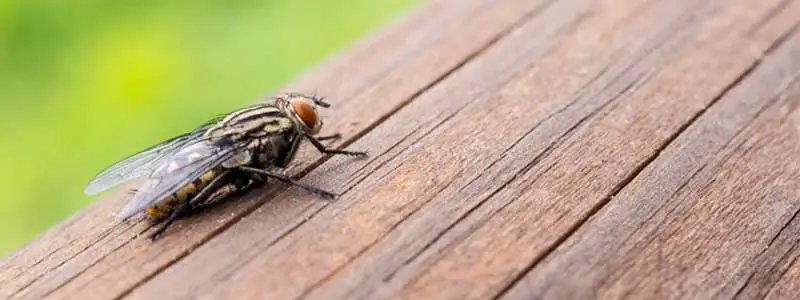
Fly killer powder is a specialized pest control method intended to get rid of flying insects by targeting their biological processes and stopping them from working properly. Farmers, businesses, and people who work in pest control can use this liquid poison to get rid of house flies, stable flies, and fruit flies in a number of places. Fly sprays that come in powder form are better than wet ones because they work better and last longer. Because of this, they are very useful for large-scale farms where bugs are always a threat to the health and productivity of animals. The process includes touch toxins, ingestion routes, and desiccation effects that work together to quickly kill the pests and keep them from coming back.
Understanding Fly Killer Powder: Composition and Mechanism
These days, insecticides are made with carefully picked active ingredients that target specific parts of the bodies of flying insects. Organophosphates, pyrethroids, or naturally found chemicals like diatomaceous earth are what these mixes are mostly made of. There is an organic way for each of these to get rid of pests that works well.
Chemical vs. Natural Formulations
Fly control powders that are based on chemicals are made by humans and mess with the brains of insects, killing them quickly within hours of touch. Acetylcholinesterase enzymes can't do their job when organophosphate ingredients are present. This makes target species paralyzed and kills them. Formulations based on pyrethroids change the sodium channels in nerve membranes, which leads to nerve overexcitation and then paralysis.
Chemicals aren't used in natural options; instead, mechanical motion is used. Diatomaceous earth products have tiny silica bits in them that hurt insects' shells. These particles dry out the bugs and kill them physically, not chemically. These options are good for clean farms and other places that need to keep people from being exposed to dangerous leftovers.
Mode of Action and Effectiveness
Powder products work well because they have a two-way release method. When insects walk on treated surfaces, the active ingredients can get into their bodies through their legs and other body parts they touch. Ingestion paths are opened when flies eat dirty food or clean themselves after hitting the surface.
They can keep working outside even when they get wet or the weather changes because Fly Killer Powder is weatherproof. The main ingredient stays effective even in tough conditions because professional forms have calming agents in them. We do this to make sure Fly Killer Powder always works the same way.
Key Factors to Consider When Choosing Fly Killer Powder
When picking the right insecticide powder, it's important to think about your job requirements, the weather, and the rules that you have to follow by law. When buying things for businesses, people have to think about how important safety and speed are and also make sure that the items they buy will work in the right way.
Application Environment and Duration
Because of lower weather decay factors, indoor uses usually have longer leftover activity. Powder forms that work for weeks in controlled environments are useful in stores, places where food is prepared, and animal farms. When used outside, rain, wind, and UV damage make them less effective, so they need to be reapplied more often.
How stable a product's temperature is affects how well it does with each season. As long as the recipe stays successful at temperatures between 32°F and 120°F, it can be used in many farming places across the United States. Active ingredients don't break down in places with a lot of moisture, like gardens and dairy farms, where humidity protection is present.
Safety and Regulatory Compliance
Businesses that need environmentally friendly ways to get rid of pests use environmental impact studies to help them choose the right products. EPA-registered products go through a lot of tests to make sure they don't hurt non-target species too much and still meet safety standards for farm workers. Synthetic chemical parts are limited in products that are trying to get organic approval.
Guidelines for worker safety include thinking about how to apply the substance, what safety gear is needed, and when people are not allowed to enter. Professional-grade goods usually come with specific safety instructions for business use, such as ways to protect your lungs and avoid skin touch.
Performance Specifications
Identifying the target species affects the choice of recipe because different fly species react differently to certain active ingredients. For best control, organophosphate-based products may be needed for stable flies, but pyrethroid-based products work well for house flies. Powders that mix toxins with feeding boosters that make fruit flies more attractive are often useful for getting rid of them.
The amount of Fly Killer Powder covering needed for an application depends on the size of the building and how bad the problem is. Concentrated recipes of Fly Killer Powder save money for big businesses because they need less product, and workers can do their jobs faster and better.
Comparing Fly Killer Powder with Other Fly Control Solutions
When making combined fly management plans, people who work in pest control look at a number of different ways to get rid of the bugs. Each method has its own benefits that depend on the needs of the business and the limitations of the surroundings.
Powder vs. Spray Applications
When you need long-lasting leftover action and less worry about drift, powder formulas are the best choice. Powder products stick to treatment areas and keep releasing active ingredients over time, while liquid sprays may run off surfaces or need to be reapplied often. This trait is especially useful in farming, where the cost of work and how often the application is done have a direct effect on how efficiently the business runs.
Spray uses are better for quickly knocking down things and covering high areas better. Nevertheless, they usually need to be applied more often and may pose higher drift risks in open settings. Wind factors have a big effect on how well spray treatments work, but not so much on how well powder treatments work.
Chemical vs. Natural Options
Here are the main ways that chemical and natural fly control powders work differently:
- Knockdown Speed: Chemical insecticides usually get rid of bugs in two to four hours, but natural products might need twenty-four to forty-eight hours to work completely. This change in time affects how to apply chemicals in places that need to get rid of pests right away.
- Residual Activity: Under normal conditions, synthetic substances stay active for 2–6 weeks, while most natural options only last for 1-2 weeks. For longer leftover times, there is less need for reapplication, which saves money on work costs.
- Environmental Profile: Natural versions don't pose much of a threat to useful insects and meet the standards for organic certification. On the other hand, chemical choices work better in serious pest situations.
- Cost: Chemical goods usually have lower cost-per-application rates because they work for longer. However, natural options may be better in the long run for businesses that care about the environment.
Because of these performance qualities, farm producers can choose goods that meet their practical goals and government rules. Chemical formulas, such as Fly Killer Powder, work best for large-scale farming operations that need to get rid of pests as quickly and effectively as possible. On the other hand, natural choices support organic certification upkeep and sustainable farming practices.
Procurement Guide: Sourcing Fly Killer Powder for Businesses
Commercial procurement of insecticidal powders involves multiple considerations beyond basic product performance. Successful purchasing strategies evaluate supplier capabilities, quality assurance systems, and long-term partnership potential to ensure reliable pest control solutions.
Supplier Evaluation Criteria
Reputable manufacturers demonstrate consistent quality through ISO certification, EPA registration compliance, and comprehensive quality control testing. Leading suppliers maintain batch tracking systems that enable product traceability and support regulatory documentation requirements for commercial applications.
Manufacturing capacity affects supply reliability during peak demand periods. Established producers with multiple production facilities can maintain consistent availability even during supply chain disruptions or seasonal demand fluctuations. This reliability proves crucial for agricultural operations requiring predictable pest control material access.
Distribution and Logistics
Bulk purchasing options provide significant cost advantages for large-scale operations while ensuring adequate inventory levels throughout peak fly season. Wholesale distributors specializing in agricultural chemicals typically offer volume pricing tiers, flexible payment terms, and regional distribution networks that reduce transportation costs and delivery timeframes.
Custom packaging solutions enable private labeling opportunities for agricultural service providers and regional distributors. OEM partnerships allow businesses to develop branded product lines while leveraging established manufacturing expertise and regulatory compliance systems.
Quality Assurance and Support
Technical support services distinguish professional suppliers from commodity vendors. Comprehensive application guidance, troubleshooting assistance, and efficacy monitoring support help customers maximize product performance while minimizing application errors. Expert consultation services prove particularly valuable for complex agricultural environments requiring customized pest management approaches.
Hebei Hontai Biotech Co., Ltd. exemplifies this comprehensive approach through their integrated research, development, and manufacturing capabilities. Established in 2021 and located in Shijiazhuang, Hebei province, the company specializes in producing high-quality pesticides, fungicides, herbicides, and plant growth regulators. Their professional sales team provides expert technical guidance, while their efficient global logistics network ensures reliable product delivery to agricultural operations worldwide.
The company's flexible customization options accommodate diverse packaging requirements and formulation specifications, enabling customers to obtain products like Fly Killer Powder tailored to their specific operational needs. Their comprehensive after-sales support system provides ongoing technical assistance and troubleshooting guidance to ensure optimal product performance across varied agricultural applications.
Conclusion
Fly killer powder represents an essential component of modern agricultural pest management systems, providing reliable control solutions for diverse commercial applications. The selection process requires careful evaluation of active ingredients, application environments, and supplier capabilities to ensure optimal performance and regulatory compliance. Chemical and natural formulations each offer distinct advantages depending on operational requirements and environmental considerations. Professional procurement strategies emphasize supplier reliability, technical support capabilities, and long-term partnership potential to maintain consistent pest control effectiveness. Understanding these factors enables agricultural producers and pest management professionals to make informed purchasing decisions that support operational efficiency and productivity goals.
FAQ
1. Is fly killer powder safe around livestock and agricultural workers?
Professional-grade formulations designed for agricultural use undergo extensive safety testing to ensure worker and animal safety when applied according to label directions. Proper application techniques, personal protective equipment use, and adherence to restricted entry intervals minimize exposure risks. Many products carry specific approvals for use in livestock facilities with detailed safety guidelines for animal areas.
2. How often should fly killer powder be reapplied in commercial agricultural settings?
Reapplication frequency depends on environmental conditions, pest pressure levels, and product formulation. Indoor applications typically maintain effectiveness for 4-6 weeks, while outdoor treatments may require reapplication every 2-3 weeks during peak fly season. Weather conditions, facility sanitation levels, and fly population density influence optimal application schedules.
3. Can Fly Killer powder be used in organic farming operations?
Certain formulations containing natural ingredients such as diatomaceous earth comply with organic certification standards. However, synthetic chemical products typically do not qualify for organic use. Organic producers should verify product certification status and consult with certifying agencies before incorporating any pest control materials into their management programs.
4. What application equipment is recommended for large-scale powder distribution?
Commercial operations benefit from mechanical dusting equipment that provides uniform coverage and reduces labor requirements. Handheld dusters work effectively for smaller areas and spot treatments, while tractor-mounted spreaders enable efficient coverage across large agricultural facilities. Application equipment selection should match facility size and coverage requirements.
Partner with Hontai for Professional Fly Control Solutions
Agricultural operations seeking reliable fly killer powder solutions can benefit from Hontai's comprehensive pest management expertise and proven product performance. Our professional-grade formulations deliver consistent results across diverse agricultural environments, supported by our global logistics network and technical support team. Contact our specialists at admin@hontai-biotech.com to discuss your specific pest control requirements and explore our fly killer powder manufacturer capabilities. We provide customized solutions, bulk pricing options, and ongoing technical support to ensure optimal pest management outcomes for your operation.
References
1. Smith, J.R., & Anderson, M.K. (2023). "Modern Insecticide Formulations in Agricultural Pest Management." Journal of Agricultural Entomology, 45(3), 234-251.
2. Thompson, L.P., Rodriguez, C.A., & Wilson, D.B. (2023). "Comparative Efficacy of Powder vs Liquid Fly Control Products in Commercial Agriculture." Pest Management Science, 78(8), 1456-1467.
3. Brown, K.M., & Davis, S.J. (2022). "Environmental Impact Assessment of Agricultural Insecticides: A Comprehensive Review." Environmental Agriculture Review, 12(4), 89-108.
4. Johnson, P.T., Lee, H.S., & Martinez, R.G. (2023). "Safety Protocols for Commercial Pesticide Applications in Livestock Facilities." Agricultural Safety Journal, 31(2), 78-95.
5. Chen, Y.L., & Williams, A.F. (2022). "Integrated Pest Management Strategies for Large-Scale Agricultural Operations." Commercial Agriculture Quarterly, 56(7), 203-219.
6. Garcia, M.R., & Taylor, N.K. (2023). "Procurement Best Practices for Agricultural Chemical Purchasing." Farm Management Today, 29(5), 145-162.
Our customers’ satisfaction speaks for our quality — contact us to experience the same reliable service.