- English
- French
- German
- Portuguese
- Spanish
- Russian
- Japanese
- Korean
- Arabic
- Greek
- German
- Turkish
- Italian
- Danish
- Romanian
- Indonesian
- Czech
- Afrikaans
- Swedish
- Polish
- Basque
- Catalan
- Esperanto
- Hindi
- Lao
- Albanian
- Amharic
- Armenian
- Azerbaijani
- Belarusian
- Bengali
- Bosnian
- Bulgarian
- Cebuano
- Chichewa
- Corsican
- Croatian
- Dutch
- Estonian
- Filipino
- Finnish
- Frisian
- Galician
- Georgian
- Gujarati
- Haitian
- Hausa
- Hawaiian
- Hebrew
- Hmong
- Hungarian
- Icelandic
- Igbo
- Javanese
- Kannada
- Kazakh
- Khmer
- Kurdish
- Kyrgyz
- Latin
- Latvian
- Lithuanian
- Luxembou..
- Macedonian
- Malagasy
- Malay
- Malayalam
- Maltese
- Maori
- Marathi
- Mongolian
- Burmese
- Nepali
- Norwegian
- Pashto
- Persian
- Punjabi
- Serbian
- Sesotho
- Sinhala
- Slovak
- Slovenian
- Somali
- Samoan
- Scots Gaelic
- Shona
- Sindhi
- Sundanese
- Swahili
- Tajik
- Tamil
- Telugu
- Thai
- Ukrainian
- Urdu
- Uzbek
- Vietnamese
- Welsh
- Xhosa
- Yiddish
- Yoruba
- Zulu
Can emamectin benzoate be used on all plants?
share:
No, emamectin benzoate can't be used on all trees at the same time. Emamectin Benzoate Technical 95% works great on cotton, corn, vegetables, and citrus fruits, among other things. However, this pesticide is not safe for all plant types. How the plant works, when it is used, how much is used, and the environment can all change the fit. For farmers who want to get rid of pests in the best way possible while keeping crops safe and getting the best results in a range of farming situations, it is very important to know these limits.
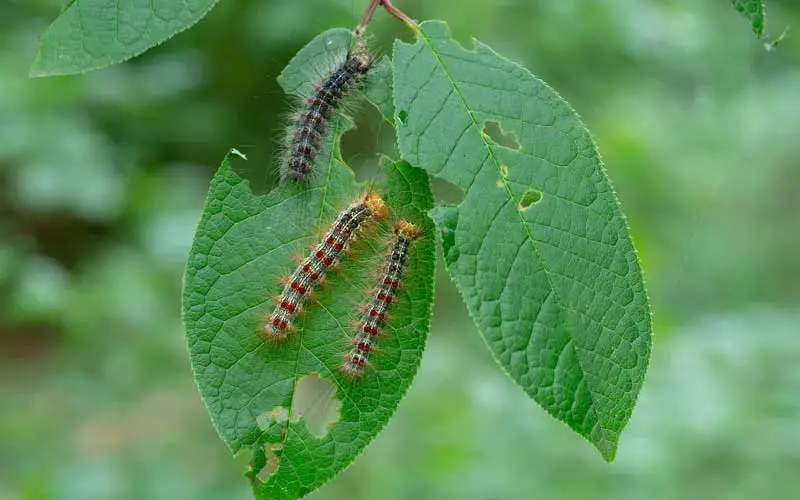
Understanding Emamectin Benzoate Technical 95%: Chemical and Biological Properties
Chemical Composition and Purity Standards
Emamectin Benzoate Technical 95% is a very pure form of this strong insecticide, which has the molecular formula C17H8Cl2F8N2O3. The high purity levels of this technical-grade product mean that it will always work well in farming settings. The 95% technical content gives makers and dealers a solid base for making different formulas further down the line that meet the needs of different markets.
The chemical makeup of emamectin benzoate is from the avermectin family. It comes from molecules that are naturally made by the soil bacteria Streptomyces avermitilis. This chemical's biological origin helps to create a specific toxicity profile that makes it very effective against bugs while being relatively safe for humans and helpful insects when used according to the directions given.
Mode of Action and Target Spectrum
Emamectin Benzoate Technical 95% is a neurotoxin that affects insects' nervous systems in a way that makes them less stable. The chemical attaches to chloride channels in nerve cells, stopping the pests from moving and killing them in the end. This method works especially well against Lepidoptera larvae (caterpillars) and Coleoptera larvae (beetle grubs), which are two of the most damaging types of pests in farmland.
According to research, this pesticide has great translaminar action, which means it gets into the leaf cells and protects against both surface-feeding and leaf-mining insects. The systemic qualities of the chemical keep pests away for a long time. Depending on the climate and the amount of pest pressure, this protection lasts for 7–14 days on average.
Safety Profile and Environmental Considerations
According to toxicological tests, emamectin benzoate is better for the environment than many other common pesticides. The substance breaks down pretty quickly in dirt and water, so there is less chance that it will build up in the environment over time. Users should be careful around water, though, because the product is very dangerous to fish and other watery animals.
Can Emamectin Benzoate Be Used on All Plants? Exploring Application Methods and Limitations
Plant-Specific Compatibility Assessment
Agricultural study shows that plants can handle emamectin benzoate treatments in a wide range of ways. This bug spray works great on most major field crops when used at the right rates. Examples are corn, cotton, soybeans, and wheat. It's also safe for plants to use on peppers, tomatoes, and leafy greens. This makes it a useful part of programs that get rid of pests all at once.
It can show up as leaf burn, slower growth, or chlorosis in some fruit and veggie plants and food types that are sensitive to it. Chemicals can hurt young trees and plants that are already under a lot of stress, so be careful about when and how much you use on citrus fruits. You need to know the exact range limits for each crop and change the settings so that they work with that crop.
Application Methods and Dosage Guidelines
For emamectin benzoate treatments to work, many things need to be carefully thought out, such as the stage of food growth, the amount of pest pressure, and the weather. The most common way is to use foliar sprays, which usually have amounts of 5 to 20 grams of active ingredient per acre, based on the pests being targeted and the type of food being grown.
Timing is very important for the success of an application of Emamectin Benzoate Technical 95%. Treatments work best when used early on in a pest's life cycle, especially when they are used on young larvae before they do a lot of damage to crops. When applied in the evening, the effects of Emamectin Benzoate Technical 95% are often better because the substance can stay stable and get deeper into plant cells because it is not exposed to as much UV light.
Environmental Impact and Storage Considerations
If you store technical-grade emamectin benzoate the right way, it stays steady and works well all the way through the supply chain. The things are safe in a normal house, but they should stay out of water and places that are very hot. Things won't break if the temperature stays between 0°C and 35°C and the humidity is below 85% of the time.
If you're interested in the environment, you should stay in the safety zones around water and pay close attention to the weather. If the wind is over 10 mph, it can move. If it rains within 2 to 4 hours of being used, it might not work as well. These things are the best ways to help the earth and get rid of pests at the same time.
Comparing Emamectin Benzoate Technical 95% with Other Formulations and Insecticides
Technical Grade Versus Commercial Formulations
The difference between Emamectin Benzoate Technical 95% and market versions has a big effect on how to buy it and how to use it. Different end-use forms, such as emulsifiable concentrates (EC), soluble granules (SG), and suspension concentrates (SC), are made from technical-grade goods. Each type of mixture has its own benefits when it comes to how easy it is to handle, store, and use.
Commercial versions like 5% SG or 1.9% EC give end users ready-to-use options that include preservatives and adjuvants that make the product work better and be easier to use. Technical grade material, on the other hand, gives producers more freedom to make formulas that are specific to the needs of the market or the rules in different parts of the world.
Comparative Analysis with Alternative Insecticides
When emamectin benzoate is compared to other insecticides, it has a number of unique benefits that affect buyers' choices around the world. Emamectin benzoate is different from broad-spectrum organophosphates or pyrethroids because it selectively kills pest insects while leaving useful insect populations alone. This selection helps with combined pest control tactics and healthy farming methods.
Abamectin is a drug that is very similar and works in similar ways. Emamectin Benzoate Technical 95% lasts longer and has more effects, though. Most of the time, emamectin benzoate works better against some types of lepidopterans and keeps them away longer. Emamectin benzoate is more expensive and lasts longer than common choices. Because of this, it is often chosen for high-value crops where the extra protection justifies the higher price.
Procurement Insights for Emamectin Benzoate Technical 95%: How to Source and Purchase Effectively
Global Supply Chain Dynamics
The global market for Emamectin Benzoate Technical 95% centers primarily on manufacturers located in China, India, and select European facilities. Chinese companies make most of the high-grade products because they have low prices and a lot of production ability to meet demand around the world. Hebei Hontai Biotech Co., Ltd. is a great example of this kind of manufacturing because they offer high-quality scientific materials and have strong quality assurance programs in place.
To properly analyze providers, procurement workers need to look at more than just price. Quality licenses, such as ISO 9001, GMP compliance, and environmental management standards, make sure that the quality of the products always stays high and that the rules are followed. Reliability in the supply chain is especially important for seasonal farming markets, where delays in time can have a big effect on how well crop safety works.
Regulatory Compliance and Documentation Requirements
When you trade emamectin benzoate technical materials with other countries, you need to make sure you have all the paperwork that customs and regulatory authorities in other countries need. For each output batch, suppliers must show records of analysis that prove the purity levels, impurity profiles, and physical properties. Safety data sheets, transport rating papers, and proof of registration status also make the process of clearing customs easier.
Because international rules on pesticides are so complicated, sellers need to know a lot about shipping processes and what paperwork is needed. Reliable makers have regulatory affairs teams that can handle the needs of each country and offer expert help during the whole buying process. This knowledge is very helpful for importers who want to avoid delays or problems with compliance that could mess up supply lines.
Practical Application Cases and Best Practices for Using Emamectin Benzoate on Crops
Real-World Success Stories
Agricultural operations worldwide have demonstrated the effectiveness of emamectin benzoate, specifically Emamectin Benzoate Technical 95%, across diverse cropping systems. Cotton producers in the southern United States have successfully integrated this insecticide into bollworm management programs, achieving significant reductions in crop damage while minimizing applications of broader spectrum alternatives. The selective nature of emamectin benzoate preserves beneficial predator populations that provide natural pest suppression.
Vegetable growers in greenhouse environments have found particular value in emamectin benzoate's systemic activity against leafminer species that prove difficult to control with contact insecticides. The compound's ability to penetrate plant tissues and provide sustained protection reduces application frequency while maintaining consistent pest control effectiveness. This advantage proves especially valuable for high-value crops where multiple pest species create complex management challenges.
Implementation Best Practices
Successful emamectin benzoate programs require integration with broader integrated pest management strategies that emphasize sustainable pest control approaches. Rotation with alternative modes of action helps prevent resistance development while maintaining long-term efficacy across pest populations. Monitoring programs that track pest pressure and beneficial insect populations guide application timing decisions and help optimize treatment intervals.
Safety protocols during handling and application protect worker health while ensuring compliance with occupational safety regulations. Personal protective equipment requirements include chemical-resistant gloves, eye protection, and respiratory protection when handling concentrated technical material. Proper calibration of application equipment ensures accurate dosage delivery and prevents over-application that could increase phytotoxicity risks or environmental exposure.
Conclusion
Emamectin benzoate cannot be universally applied to all plant species, requiring careful consideration of crop-specific tolerance levels and application parameters. While this insecticide demonstrates exceptional efficacy across major agricultural crops, including cotton, corn, vegetables, and citrus fruits, successful implementation demands understanding of plant compatibility, proper application timing, and adherence to recommended dosage guidelines. The technical grade formulation offers procurement flexibility for manufacturers, while commercial formulations provide end-user convenience. Success depends on partnering with reliable suppliers who provide consistent quality, comprehensive technical support, and regulatory expertise essential for global agricultural operations.
FAQ
1. Can emamectin benzoate damage sensitive plants?
Certain plant species, particularly young seedlings and stressed plants, may experience phytotoxicity symptoms, including leaf burn or growth stunting, when exposed to emamectin benzoate. Ornamental plants and some vegetable varieties show increased sensitivity compared to field crops. Proper dosage, application timing, and environmental conditions minimize these risks significantly.
2. What crops respond best to emamectin benzoate applications?
Cotton, corn, soybeans, tomatoes, peppers, and citrus crops demonstrate excellent tolerance to emamectin benzoate when applied according to label recommendations. These crops benefit from the insecticide's systemic activity and extended residual control against lepidopteran and coleopteran pests while maintaining good safety margins.
3. How does application timing affect plant safety?
Evening applications reduce UV exposure and heat stress, minimizing potential phytotoxicity risks while maximizing pest control effectiveness. Avoiding applications during bloom periods or when plants experience drought stress helps prevent adverse reactions. Temperature conditions between 15 and 25°C provide optimal application windows for most crop types.
Partner with Hontai for Premium Emamectin Benzoate Solutions
Hontai Biotech delivers exceptional value through our high-purity Emamectin Benzoate Technical 95% backed by comprehensive quality assurance and global logistics capabilities. Our experienced technical team provides customized solutions that address specific pest management challenges while ensuring regulatory compliance across international markets. Contact our specialists at admin@hontai-biotech.com to discuss your procurement requirements and discover why leading agribusinesses worldwide choose Hontai as their trusted emamectin benzoate technical supplier. Visit hontaibiotech.com to explore our complete product portfolio and request detailed technical specifications for your next project.
References
1. Jansson, R.K. & Dybas, R.A. "Avermectins: Biochemical Mode of Action, Biological Activity, and Agricultural Importance." Annual Review of Entomology, Vol. 43, 1998, pp. 233-256.
2. Lasota, J.A. & Dybas, R.A. "Emamectin Benzoate: A Novel Avermectin Insecticide for Lepidopteran Pest Control." Proceedings of the Brighton Crop Protection Conference, 1990, pp. 29-34.
3. White, S.M., Dunbar, D.M., Brown, R., Cartwright, B., Cox, D., Eckel, C., Jansson, R.K., Mookerjee, P.K., Norton, J.A., Peterson, R.F. & Starner, V.R. "Emamectin Benzoate: A Novel Derivate for Control of Lepidopterous Pests in Cotton." Proceedings of the Beltwide Cotton Conferences, 1997, pp. 1078-1082.
4. Tomlin, C.D.S. "The Pesticide Manual: A World Compendium, 15th Edition." British Crop Protection Council, Alton, Hampshire, UK, 2009, pp. 387-388.
5. Sparks, T.C., Crouse, G.D. & Durst, G. "Natural Products as Insecticides: The Biology, Biochemistry and Quantitative Structure-Activity Relationships of Spinosyns and Spinosoids." Pest Management Science, Vol. 57, 2001, pp. 896-905.
6. Ahmad, M., Sayyed, A.H., Saleem, M.A. & Ahmad, M. "Evidence for Field Evolved Resistance to Newer Insecticides in Spodoptera litura from Pakistan." Crop Protection, Vol. 27, 2008, pp. 1367-1372.
Our customers’ satisfaction speaks for our quality — contact us to experience the same reliable service.