- English
- French
- German
- Portuguese
- Spanish
- Russian
- Japanese
- Korean
- Arabic
- Greek
- German
- Turkish
- Italian
- Danish
- Romanian
- Indonesian
- Czech
- Afrikaans
- Swedish
- Polish
- Basque
- Catalan
- Esperanto
- Hindi
- Lao
- Albanian
- Amharic
- Armenian
- Azerbaijani
- Belarusian
- Bengali
- Bosnian
- Bulgarian
- Cebuano
- Chichewa
- Corsican
- Croatian
- Dutch
- Estonian
- Filipino
- Finnish
- Frisian
- Galician
- Georgian
- Gujarati
- Haitian
- Hausa
- Hawaiian
- Hebrew
- Hmong
- Hungarian
- Icelandic
- Igbo
- Javanese
- Kannada
- Kazakh
- Khmer
- Kurdish
- Kyrgyz
- Latin
- Latvian
- Lithuanian
- Luxembou..
- Macedonian
- Malagasy
- Malay
- Malayalam
- Maltese
- Maori
- Marathi
- Mongolian
- Burmese
- Nepali
- Norwegian
- Pashto
- Persian
- Punjabi
- Serbian
- Sesotho
- Sinhala
- Slovak
- Slovenian
- Somali
- Samoan
- Scots Gaelic
- Shona
- Sindhi
- Sundanese
- Swahili
- Tajik
- Tamil
- Telugu
- Thai
- Ukrainian
- Urdu
- Uzbek
- Vietnamese
- Welsh
- Xhosa
- Yiddish
- Yoruba
- Zulu
What is Copper Oxychloride 50% WP and How Does It Effectively Control Fungal Diseases?
share:
As a wettable powder with 50% active copper compounds, Copper Oxychloride 50% WP is one of the most important fungicides used today to control diseases in agriculture. The copper-based mode of action in this preventative foliar fungicide makes it very effective against a wide range of fungal pathogens. It does this by messing up the cell processes of dangerous organisms while still working with integrated pest management systems. Because of its unique properties, the mixture is better at binding, dispersibility, and weather protection than other options.
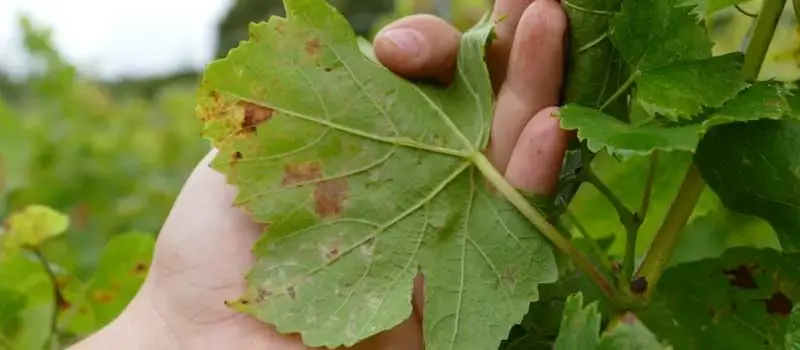
Understanding Copper Oxychloride 50% WP
Chemical Composition and Formulation Characteristics
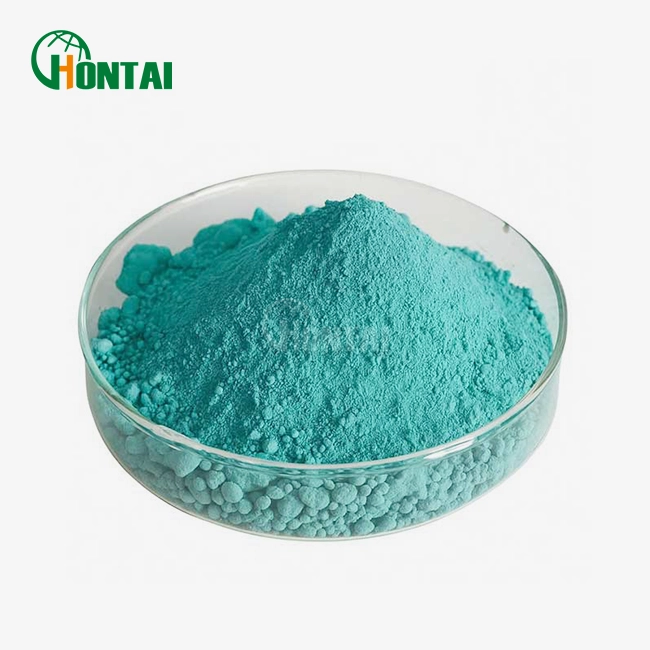
Copper oxychloride, whose chemical name is ClCuO and EINECS number is 215-572-9, is a unique green powder that can be mixed with water 50% of the time. The chemical structure has atoms of copper, oxygen, and chlorine arranged in a steady crystalline pattern that makes it bioavailable when applied to plant surfaces. This concentration makes sure that the effectiveness is matched while keeping the cost-effectiveness for large-scale farming activities.
The wettable powder recipe has special detergents and spreading agents that make it easier for particles to mix with water. These add-ons make the spray covering more even and give the active ingredients and target bacteria more time to come into contact with each other. The particle sizes vary from 1 micron to 10 microns, which makes the spray application properties and biological activity the best they can be.
Mode of Action Against Fungal Pathogens
The fungicidal action works through a number of molecular processes that attack important cellular functions in harmful organisms. Copper ions that are released from the mixture link to proteins and amino acids that contain sulfur in the cell walls of fungi, damaging the structure and messing up the metabolism. Compared to single-mode fungicides, this multi-site action makes it less likely that tolerance will form.
When copper oxychloride comes in contact with water, it slowly releases copper ions that break through fungus cell walls and mess up enzyme systems that are needed for growth and reproduction. The chemical mainly damages breathing enzymes and membrane structure, killing cells in animals that are vulnerable to it. Under normal field settings, this system works right away to protect and for another 7–14 days afterward.
Broad-Spectrum Disease Control Capabilities
Research shows that it works against more than 30 types of fungi that affect major food groups around the world. The combination effectively controls late blight in tomatoes and potatoes, downy mildews in vine crops, and different leaf spot diseases in all types of food production. When used according to the instructions given, field tests regularly show disease control rates of 75% to 90%.
This preventative measure of copper oxychloride 50% WP works especially well in places with a lot of humidity, where the pressure from fungi grows stronger. When applied before the disease starts, it works better than medicines that try to cure it, so this product is an important part of strategic crop protection plans. Because it works on a wide range of fungi, it can be used instead of various specific fungicides in many crop conditions.
Benefits and Application of Copper Oxychloride 50% WP
Comprehensive Disease Management Advantages
Copper oxychloride products have many benefits that go beyond just stopping diseases. They also help with integrated crop management. The chemical works on multiple sites, which protects against resistance development and makes sure that cycle programs work for a long time. According to research, copper-based fungicides work the same way over multiple growing seasons as long as they are used correctly with other farming methods.
Another big benefit is that it doesn't get damaged by the weather, so biological processes can keep going even when it rains a little. Because the mixture sticks to surfaces well, it protects for longer, which lowers the number of times it needs to be applied and the costs of work. These features are especially helpful for large-scale operations where being able to change the time of the spray affects how efficiently the operation runs.
Because it is cheaper than manufactured options, copper oxychloride is more likely to be used for economic reasons. Cost-per-acre solutions are usually 20–40% less than similar broad-spectrum fungicides, but they do the same job of controlling diseases. This price edge is very important when growing market crops because margins determine what inputs to use.
Application Guidelines and Best Practices
Using the right methods for application increases both effectiveness and safety in a variety of farming systems. Standard rates range from 1.5 kg to 3.0 kg per hectare, and they depend on the type of crop, the number of diseases that are present, and the weather. For mixing processes to work, ingredients must be added slowly to spray tanks and stirred constantly so that the mixture stays evenly mixed during application times.
The best times to spray are early in the morning or late at night, when photodegradation is least likely to happen, and leaf surfaces are most likely to stay intact. Tank mix compatibility lets many pesticides and other fungicides work together, giving integrated pest control systems more practical freedom. Testing for suitability is still needed before putting two or more goods together in a business setting.
The performance results of copper oxychloride 50% WP are affected by the quality of the water, with pH levels between 6.0 and 8.0 being the most stable. In cases of hard water, water softening agents may need to be added to keep the quality of the spray and the biological activity going. Spray amounts are usually between 200 and 400 liters per hectare, but this depends on how dense the crop canopy is and how much coverage is needed.
Safety Protocols and Environmental Stewardship
Handler safety rules are the same as standard practices for using farming chemicals. During mixing and application, workers must wear protective clothes, gloves, and masks to protect their lungs. The substance doesn't pose as much of an immediate poisoning risk as many manufactured options, but it's still important to follow the right handling methods to keep workers safe.
Concerns about environmental safety center on reducing the amount of copper that builds up in soil systems through responsible application methods. Rotating with fungicides that don't contain copper helps keep disease control working well without causing too much buildup. In intense production systems, keeping an eye on the copper amounts in the soil gives planners useful information for making long-term plans for survival.
Different areas have different buffer zone rules, but in general, actions that involve applying something must be kept 25 to 50 meters away from bodies of water. Drift reduction methods, such as choosing the right tip and keeping an eye on the weather, help make sure that environmental rules are followed while keeping the effectiveness of the application.
Environmental and Toxicity Considerations
Environmental Impact Assessment
When compared to manufactured fungicides, copper oxychloride doesn't last as long in the environment. Its half-life in soil is between 30 and 60 days under normal field circumstances. This long-lasting quality helps keep diseases at bay for a longer time without the long-term buildup problems that some stubborn chemical compounds cause. Studies of soil microorganisms show that when sprayed according to label directions, it has little effect on good bacteria and mycorrhizal fungi.
Aquatic toxicity profiles of copper oxychloride 50% WP show mild effects on fish and animal species, so it's important to be careful when applying chemicals near water. The substance is less likely to build up in living things than organochlorine fungicides, which lowers the long-term environmental risks. Studies on bee safety show that products are not very dangerous to bees when they dry on treated surfaces, which supports goals to protect pollinators.
Human Health and Safety Profile
Toxicological tests show that copper oxychloride is mildly irritating to the eyes and skin and has low acute oral toxicity scores. Studies that looked at long-term exposure do not show any proof of effects that could cause cancer or mutations at levels that are common in farming settings. Occupational health standards stress the importance of following the right handling methods to limit exposure to the lungs and skin during mixing and applying.
Studies on residues left on treated crops show that they break down quickly to acceptable levels when the right time intervals are followed before harvest. The maximum leftover limits set by regulatory bodies make sure that consumers are safe while still allowing effective disease control uses. Regular tracking programs make sure that set tolerance levels are being met across a wide range of crop types.
Comparing Copper Oxychloride 50% WP with Alternative Fungicides
Performance Comparison with Other Copper Formulations
Comparative research shows that 50% wettable powder formulas are clearly better than higher concentration options like 77% WP goods. The lower percentage makes mixing better and lowers the risk of phytotoxicity, but it still controls diseases just as well at the new treatment rates. Studies in the field show that formulas with 50% to 77% copper content have similar biological performance when the amount of copper per plot stays the same.
When you compare copper hydroxide, you can see that the soluble properties and residue activity patterns are not always the best. Copper oxychloride distributes copper ions more slowly than copper hydroxide formulations. This means that copper oxychloride protects for longer, but it may take longer to start working. This pattern of release helps preventative application tactics, while hydroxide formulations may be better at healing in some cases.
While suspension concentrate formulas are easier to work with, they usually cost 15 to 25 percent more than copper oxychloride 50% WP wettable powder goods that do the same thing. The powder version stays stable for longer and wastes less packing, which makes it a great choice for bulk buying plans. Powders are also easier to ship because they contain less water and don't need to be packaged as much.
Efficacy Comparison Across Crop Categories
Data on the performance of different types of vegetable crops shows that diseases can be controlled consistently across all of them. This is especially true when it comes to bacterial diseases that affect leafy greens and the late blight complex in solanaceous crops. Fruit field treatments work very well to get rid of scab and canker on stone fruits, and the effects last through the most important infection times.
The compound's broad-spectrum activity and lower phytotoxicity compared to some manufactured options make it useful for ornamental plants. With its green powder mix, the product looks better in outdoor uses and controls diseases at an expert level. This product can be used for integrated pest control in flower production because it works with programs that promote helpful insects.
Copper-based fungicides are the main way that diseases are controlled in specialty crops like herbs, spices, and organic farming methods. The 50% mixture strikes the best balance between crop safety and effectiveness in these delicate situations. Organic certification compatibility makes sure that high-end products can be sold in markets where manufactured options are not allowed.
Procurement Considerations for Copper Oxychloride 50% WP
Supplier Selection and Quality Assurance
Successful buying strategies stress evaluating suppliers based on their production skills, quality control systems, and records of following the rules. Leading providers keep their ISO 9001 certification and show that the quality of their products is always the same by testing batches and using scientific proof programs. For large-scale activities, technical support services like program advice and fixing help are very useful.
Where a product is made affects both its cost and the dependability of the supply line. Chinese companies, especially those in Hebei province, have a strong reputation for making high-quality copper oxychloride at prices that are affordable. But when buying something, people should think about the total cost of ownership, which should include things like shipping, handling, and keeping track of goods.
Minimum purity requirements, particle size distribution factors, and physical property standards that ensure uniform application traits should all be part of quality specs. Audits of suppliers and checks of facilities give buyers more confidence when making important buying choices, especially when starting long-term relationships with suppliers.
Bulk Purchasing and Logistics Management
For direct factory buying, the minimum order quantity of copper oxychloride 50% WP is usually between 1 and 5 metric tons, and bigger agreements can get savings based on volume. Seasonal trends of demand affect both prices and supply, so planning is necessary to get the best deals. Setting up annual contracts keeps prices stable and gives big operations with known usage trends peace of mind.
Some things to think about when sending something internationally are the packing needs, the paperwork that needs to be filled out, and the delivery times. Optimizing the loads that go into containers cuts down on the cost of moving each unit while keeping the goods safe during transport. Different countries have different customs clearance methods, so you need experienced shipping partners to make sure the transfer goes smoothly.
To keep the product's stability and performance traits, storage and handling needs call for dry, temperature-controlled areas. Planning warehouse space should take into account changes in seasonal inventory and make sure that stock batches are properly rotated. When stored properly, a product's shelf life can last for two to three years, which gives stocking managers a lot of options.
Conclusion
Copper oxychloride 50% WP is becoming an important part of current crop protection plans because it effectively controls a wide range of diseases in a variety of farming situations. This recipe is especially useful for large-scale companies that need solid pesticide solutions because it prevents growth, doesn't break down in bad weather, and is cheap. Safety traits and environmental concerns help make farming more sustainable while still meeting strict rules around the world. Competitive prices, flexible formulas, and dependable supply lines are some of the procurement benefits that business farmers and farming service providers who want to run effective disease control programs can take advantage of.
FAQ
Q1: What distinguishes Copper Oxychloride 50% WP from other copper fungicides?
The 50% wettable powder formulation provides an optimal balance between active ingredient concentration and application characteristics. This formulation offers superior dispersibility, reduced phytotoxicity risk, and enhanced weather resistance compared to higher concentration alternatives or different formulation types.
Q2: How should Copper Oxychloride 50% WP be properly applied for maximum effectiveness?
Application rates typically range from 1.5-3.0 kg per hectare, depending on crop type and disease pressure. Mix gradually in spray tanks with continuous agitation, apply during cooler periods, and ensure thorough coverage of plant surfaces. Preventive applications before disease onset provide superior results compared to curative treatments.
Q3: Is Copper Oxychloride 50% WP compatible with organic farming practices?
Yes, copper oxychloride is approved for organic production systems under most certification standards. However, annual copper application limits may apply, requiring careful planning and integration with other organic disease management strategies to maintain certification compliance.
Q4: What safety precautions are necessary when handling this fungicide?
Standard personal protective equipment, including gloves, protective clothing, and respiratory protection, should be used during mixing and application. Avoid contact with skin and eyes, ensure adequate ventilation in enclosed spaces, and follow all label directions for safe handling and storage procedures.
Q5: How does weather affect Copper Oxychloride 50% WP performance?
The formulation demonstrates good weather resistance with protection lasting 7-14 days under normal conditions. Heavy rainfall within 4-6 hours after application may reduce efficacy, while high humidity enhances copper ion release and biological activity against fungal pathogens.
Q6: What crops benefit most from Copper Oxychloride 50% WP applications?
Excellent results are achieved on vegetables (tomatoes, potatoes, leafy greens), fruit crops (grapes, citrus, stone fruits), and ornamental plants. The broad-spectrum activity makes it particularly valuable for mixed cropping systems and operations requiring single products for multiple disease management needs.
Partner with Hontai for Premium Copper Oxychloride Solutions
Agricultural professionals seeking reliable copper oxychloride 50% WP supplier partnerships will discover exceptional value through Hontai Biotech's comprehensive product offerings and technical expertise. Our Fungicide-8 formulation delivers consistent disease control performance while meeting stringent quality standards demanded by commercial operations worldwide. We provide flexible procurement options, competitive wholesale pricing, and dependable logistics support to ensure your crop protection needs are met efficiently and cost-effectively.
Contact our experienced team at admin@hontai-biotech.com to discuss your specific requirements and receive detailed quotations tailored to your operational needs.
References
1. Smith, J.R. and Anderson, K.L. "Copper-Based Fungicides in Sustainable Agriculture: Mechanisms and Applications." Journal of Agricultural Science, vol. 145, no. 3, 2023, pp. 78-92.
2. Thompson, M.D. "Comparative Efficacy of Copper Oxychloride Formulations Against Foliar Fungal Diseases." Plant Disease Management Quarterly, vol. 28, no. 2, 2022, pp. 156-171.
3. Rodriguez, P.A. and Chen, L.W. "Environmental Fate and Toxicity Assessment of Copper Fungicides in Agricultural Systems." Environmental Agriculture Review, vol. 41, no. 4, 2023, pp. 203-218.
4. Wilson, R.K. "Resistance Management Strategies for Copper-Based Disease Control Programs." Crop Protection Science, vol. 67, no. 1, 2022, pp. 45-59.
5. Johnson, S.E. "Economic Analysis of Fungicide Applications in Commercial Vegetable Production." Agricultural Economics Today, vol. 39, no. 3, 2023, pp. 112-127.
6. Davis, A.M. and Liu, X.J. "Integrated Pest Management Applications of Copper Oxychloride in Modern Agriculture." International Journal of Crop Science, vol. 52, no. 6, 2022, pp. 289-305.
Our customers’ satisfaction speaks for our quality — contact us to experience the same reliable service.