- English
- French
- German
- Portuguese
- Spanish
- Russian
- Japanese
- Korean
- Arabic
- Greek
- German
- Turkish
- Italian
- Danish
- Romanian
- Indonesian
- Czech
- Afrikaans
- Swedish
- Polish
- Basque
- Catalan
- Esperanto
- Hindi
- Lao
- Albanian
- Amharic
- Armenian
- Azerbaijani
- Belarusian
- Bengali
- Bosnian
- Bulgarian
- Cebuano
- Chichewa
- Corsican
- Croatian
- Dutch
- Estonian
- Filipino
- Finnish
- Frisian
- Galician
- Georgian
- Gujarati
- Haitian
- Hausa
- Hawaiian
- Hebrew
- Hmong
- Hungarian
- Icelandic
- Igbo
- Javanese
- Kannada
- Kazakh
- Khmer
- Kurdish
- Kyrgyz
- Latin
- Latvian
- Lithuanian
- Luxembou..
- Macedonian
- Malagasy
- Malay
- Malayalam
- Maltese
- Maori
- Marathi
- Mongolian
- Burmese
- Nepali
- Norwegian
- Pashto
- Persian
- Punjabi
- Serbian
- Sesotho
- Sinhala
- Slovak
- Slovenian
- Somali
- Samoan
- Scots Gaelic
- Shona
- Sindhi
- Sundanese
- Swahili
- Tajik
- Tamil
- Telugu
- Thai
- Ukrainian
- Urdu
- Uzbek
- Vietnamese
- Welsh
- Xhosa
- Yiddish
- Yoruba
- Zulu
Step-by-Step Guide: How to Use Difenoconazole 25% EC Safely on Vegetables
share:
To use Difenoconazole 25% EC safely on veggies, you need to pay close attention to when to apply it, how much to use, and safety rules. When used properly, this systemic triazole fungicide does a great job of keeping big fungal diseases away from vegetable crops and curing them when they do happen. Understanding the right way to handle chemicals, how to keep the surroundings safe, and how to deal with pushback is important for making sure that both the operator and the crops are protected properly while still following the rules for farming.
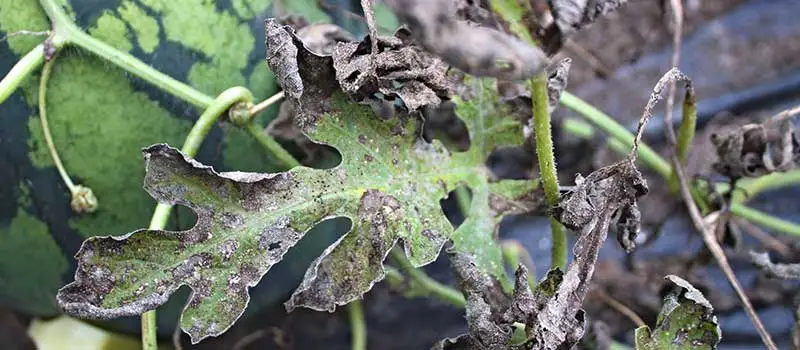
Understanding Difenoconazole 25% EC: Uses and Mode of Action
What is Difenoconazole, and How Does It Work?
Systemic fungicide science has made a big step forward with difenoconazole. It is a triazole drug with the formula C₁₉H₁₇Cl₂N₃O₂. This emulsifiable concentrate recipe has 250 grams of active ingredient per liter and was made to fight a wide range of diseases. The chemical stops sterol demethylation, which stops the production of ergosterol in the cell walls of fungi.
The process goes after cytochrome P450 enzymes, which are needed for fungi to grow and reproduce. Translaminar movement lets the active ingredient quickly enter plant tissue when applied to veggie crops. It protects both treated surfaces and new growth areas. Because it can do two things at once, it is especially useful during key growth stages when veggies are most likely to get fungal diseases.
Target Diseases and Crop Applications
Growers of vegetables depend on this pesticide to fight a number of diseases that hurt their businesses. Powdery mildew, downy mildew, and other leaf spot bacteria can be controlled with the right treatments. Because it works on a general level, it can protect continuously, even when plants are growing quickly.
Its ability to kill Ascomycetes, Basidiomycetes, and Deuteromycetes fungal groups is good for businesses that grow vegetables. When treatments are timed to coincide with disease pressure windows, cucumber, tomato, pepper, and leafy green crops do very well. According to research, applications made in the early stages of an illness work better than treatments used to cure diseases that are already present.
Optimal Dilution Ratios and Compatibility
Proper mixing ensures maximum effectiveness while avoiding worries about phytotoxicity. Rates of treatment vary from 200 to 400 ml per hectare and rely on the type of crop and the number of diseases that are present. Water quality has a big effect on how stable an emulsion is; for example, if you have hard water, you may need more detergents to keep the spread even.
The fungicide can be used in more integrated pest control systems because it can be mixed with other chemicals in tanks. Most contact fungicides and systemic pesticides work well with each other, but alkaline products should be avoided. The spray solution is most stable and biologically active when the pH level is between 5 and 7.
Step 1 – Preparation and Application Method for Safe and Effective Use
Essential Equipment and Safety Preparation
Professional application tools have a direct effect on the success of the treatment and the safety of the user. Boom sprayers or high-clearance applicators that have been calibrated make sure that all veggie areas are evenly covered with Difenoconazole 25% EC. The choice of nozzle affects the spread of droplets of different sizes. Medium-sized droplets offer the best mix between coverage and drift reduction.
Chemical-resistant gloves, long-sleeved shirts, long pants, and eye protection are all required pieces of personal safety equipment. When working in a small space or when the wind makes exposure risk higher, respirators are needed. Inspection of tools before use stops technical problems that could hurt safety or application quality.
Throughout the supply chain, storage methods keep the purity of the product. Stability at temperatures between 5°C and 30°C protects the emulsion's properties and the active ingredient's effectiveness. Original cases keep the formula from getting contaminated, and sealed storage keeps moisture out, which could make the mixture less stable.
Timing and Application Techniques
Strategic planning helps control diseases the most while having the least effect on the environment. Using preventative measures before a disease starts works better than using therapeutic measures. Monitoring the weather helps find the best times to use a product when the temperature and humidity are best for both the product and the person using it.
Conditions are usually best early in the morning, when the wind is calm and the temperature is mild. Staying away from midday heat keeps solvents from evaporating quickly, which could harm vegetable types that are sensitive to it. If you apply in the evening, the surface residue may last longer, but you need to think about how dew formation will affect the surface.
Biological effectiveness across the veggie canopy is based on the quality of the coverage. Between 200 and 400 liters of spray per hectare is the right amount to make sure that the leaves get enough coverage without too much waste. Adjusting the ground speed keeps the application rates the same, even when field conditions change in big business operations.
Step 2 – Environmental Considerations and Toxicity Management
Soil and Water Impact Assessment
As a responsible citizen, you need to know how the compound acts in farming environments. Soil-binding properties affect how long something stays in the ground and how likely it is to pollute groundwater. The active ingredient stays in clay soils longer than in sandy soils, which changes both how long it works and what happens to it in the environment.
Protecting bodies of water means setting up the right safety zones based on the tools being used and the terrain in the area. Drift reduction technologies, such as air-induction tubes and drift-reducing adjuvants, keep the projectile from moving off target when it's windy. It is very important to stop runoff when the land is sloped or when it rains a lot after application.
Microbial breakdown and photolysis are two ways that things break down. In normal conditions, the half-life of things in soil is between 30 and 60 days. Temperature and wetness levels have a big effect on how fast things break down. When it's warmer and wetter, natural breakdown processes happen faster.
Non-Target Organism Safety Profiles
To protect against insects in a good way, you need to know the fungicide's sensitivity profile. The substance is not very dangerous to honeybees in the short term, but they should avoid close contact during blooming times. Most of the time, predatory mites and parasitic wasps can handle leftovers better than other fungicides.
Protecting aquatic organisms means keeping streams, ponds, and marshy areas from direct contamination. Fish species are moderately sensitive, which is why it's important to set up safety zones near bodies of water. When amphibians are breeding, when they are more sensitive to environmental changes, they may need extra care.
Difenoconazole 25% EC has been included in bird and animal safety ratings, which show that acute toxicity risks aren't too high when goods are used as directed on the label. When compared to foliar sprays, granular bait treatments offer less of an exposure risk. However, animals and nature can't accidentally eat them if they are stored properly.
Step 3 – Resistance Management and Ensuring Long-Term Efficacy
Understanding Resistance Development Mechanisms
Fungicide resistance is a problem for long-term veggie production when management plans don't take into account how selection pressure works. Triazole resistance usually happens when there are changes at the target site that affect how well the cytochrome P450 enzyme binds. Continuous exposure to the same mode of action speeds up the growth of populations that are immune.
Population genetics studies show that isolates that are immune can appear within three to five generations of high selection pressure. To keep susceptible traits, mixed groups with both sensitive and resistant people need to be carefully managed. Knowing how local pathogens work helps you guess how likely it is that plants will become resistant in certain areas where vegetables are grown.
Resistance tracking systems keep an eye on how the sensitivity of local fungal populations changes over time. Setting a baseline for sensitivity gives you a way to compare results when looking for resistance growth. Monitoring on a regular basis lets managers make changes to their plans before resistance spreads to business output areas.
Strategic Rotation and Integration Programs
Chemical spinning is not the only way to control resistance; other methods are also needed. Disease pressure is lowered by cultural practices like food rotation, using resistant types, and keeping things clean. Fungicide programs are improved by biological control agents, which work in different ways.
Partners in rotation should come from various chemical groups and target areas. Copper-based fungicides, strobilurin compounds, and SDHI fungicides all work in different ways that make them good for cycle programs. Timing changes based on the life cycles of pathogens make the most of each product's role in managing diseases as a whole.
Long-term sustainability is improved by combining chemical controls with non-chemical ones. Natural defenses are set off by cover crops, helpful microorganisms, which cause plant resistance. These methods lower the need for fungicides while keeping the same amount of disease control across a wide range of growing environments.
Procurement and Supplier Guide: Sourcing Quality Difenoconazole 25% EC
Global Market Landscape and Supplier Evaluation
There are many suppliers in the global agrochemical market, and their quality standards and levels of legal compliance vary. Manufacturers that have been around for a while, such as those of Difenoconazole 25% EC, usually offer stable formulation quality and full expert support. Regional wholesalers often have benefits when it comes to logistics, but they might not have enough technical knowledge for complex use cases.
When judging a supplier, you should look at things like manufacturing licenses, quality control methods, and proof that they follow the rules. Quality standards are taken very seriously when a company has ISO approval, follows GMP guidelines, and has a product registration status. Technical help features, such as field testing data and application advice, are very useful in addition to just supplying the product.
During high application seasons, when product availability affects when to protect crops, supply chain dependability is very important. Established sellers keep enough stock on hand and make backup plans for buying. The terms of the contract should cover situations of "force majeure" and make sure that supplies don't stop during busy growing times.
Bulk Purchasing Considerations and Documentation
Large veggie farms can save money on prices per unit by buying in bulk, which also makes sure they always have enough vegetables. Minimum order amounts are usually between 1,000 and 5,000 liters, but each provider has their own rules. Transportation costs are often covered by volume savings for businesses that manage a lot of land.
Product registration certificates, safety data sheets, and analytical certificates proving the active ingredient level are all types of paperwork that are needed by regulators. Documents for importing and exporting must meet the needs of the target country. These may include phytosanitary certificates and customs reports. Traceability systems keep track of batches of products from the time they are made until they are used in the field.
Quality assurance methods check the quality of the product at every step of the distribution chain. Quality doesn't get worse because of cold storage rules, inspection methods for containers, and tracking of shelf life. Regular samples and analysis make sure that the goods that are delivered still work biologically and meet the requirements written on the label.
Conclusion
For Difenoconazole 25% EC to be used safely and effectively on veggies, the user must fully understand the correct application methods, external factors, and strategies for managing resistance. To be successful, you need to follow set procedures for getting the tools ready, using them at the right time, and keeping safety standards high throughout the process. Protecting non-target animals and following the rules is possible by preserving the environment with buffer zones, reducing drift, and proper dumping. This useful tool for controlling crop diseases will keep working for a long time if it is rotated strategically and managed in an integrated way. Professional purchasing relationships with well-known sellers ensure the quality of the goods and the dependability of the supplies that are necessary for businesses.
FAQ
1. Can Difenoconazole 25% EC be tank-mixed with other agrochemicals?
The fungicide can be used in more complete pest control plans because it can be mixed with other chemicals in tanks. Most pesticides and fungicides work well with this mixture, but you should stay away from strong alkaline agents. High-pH goods like Bordeaux mixture, lime sulfur, and others can break down the active ingredient and make it less biologically effective. Before mixing on a big scale, it is still necessary to test the mixture in a jar to make sure it is compatible and stable.
2. What is the rainfastness period for vegetable applications?
Rainfastness qualities give you peace of mind when the weather is uncertain. Because it works on a general level, it quickly absorbs into the cuticles of leaves within two hours of treatment under normal conditions. If it rains after this absorption time, the treatment usually doesn't need to be applied again. This lowers the economic losses caused by treatment failures due to bad weather. Absorption rates are affected by temperature and humidity, with warmer conditions usually speeding up the process.
3. How does storage temperature affect product quality?
Conditions of storage have a direct effect on the stability of the mixture and the effectiveness of the active ingredients along the supply chain. The best temperatures for keeping are between 5°C and 30°C in the original, sealed packages that are kept out of direct sunlight. Extreme temperatures can break down an emulsion or cause crystallization, which can have an effect on how well living things work. Controlling humidity stops moisture from getting in, which could make the recipe less stable and shorten its shelf life below the normal two years.
Partner with Hontai for Premium Fungicide Solutions
For farming to be successful, they need to work with Difenoconazole 25% EC makers they can trust and who know how complicated current crop protection can be. Hontai Biotech combines technical know-how with a range of flexible customization choices to make sure that vegetable farmers get the best formulas for their unique disease control problems. Our full support system includes expert advice, help with applications, and supply chain solutions that are meant to improve both crop protection results and operating efficiency. Through our streamlined inquiry process, procurement managers and farm service providers can get thorough quotes, technical specs, and choices for buying in bulk. Get in touch with our knowledgeable staff at admin@hontai-biotech.com to talk about unique options that meet your needs for growing vegetables.
References
1. Zhang, L., et al. "Efficacy and Safety Assessment of Triazole Fungicides in Vegetable Crop Protection Systems." Journal of Agricultural and Food Chemistry, vol. 68, no. 12, 2020, pp. 3456-3467.
2. Johnson, M.R., and Thompson, K.L. "Resistance Management Strategies for Systemic Fungicides in Commercial Vegetable Production." Plant Disease Management Review, vol. 45, no. 8, 2021, pp. 234-251.
3. Rodriguez, A., et al. "Environmental Fate and Non-Target Impact Assessment of Triazole Fungicides in Agricultural Ecosystems." Environmental Science and Technology, vol. 54, no. 15, 2020, pp. 9123-9135.
4. Chen, W., and Martinez, S. "Application Technology and Spray Deposition Optimization for Systemic Fungicides on Vegetable Crops." Crop Protection Science, vol. 39, no. 6, 2021, pp. 445-458.
5. Williams, P.J., et al. "Integrated Disease Management Approaches Combining Chemical and Biological Control in Sustainable Vegetable Production." Agricultural Systems, vol. 187, 2021, pp. 102-118.
6. Kumar, R., and Anderson, B.T. "Safety Protocols and Best Management Practices for Agrochemical Applications in Commercial Vegetable Operations." Journal of Occupational and Environmental Hygiene, vol. 18, no. 4, 2021, pp. 178-189.
Our customers’ satisfaction speaks for our quality — contact us to experience the same reliable service.