- English
- French
- German
- Portuguese
- Spanish
- Russian
- Japanese
- Korean
- Arabic
- Greek
- German
- Turkish
- Italian
- Danish
- Romanian
- Indonesian
- Czech
- Afrikaans
- Swedish
- Polish
- Basque
- Catalan
- Esperanto
- Hindi
- Lao
- Albanian
- Amharic
- Armenian
- Azerbaijani
- Belarusian
- Bengali
- Bosnian
- Bulgarian
- Cebuano
- Chichewa
- Corsican
- Croatian
- Dutch
- Estonian
- Filipino
- Finnish
- Frisian
- Galician
- Georgian
- Gujarati
- Haitian
- Hausa
- Hawaiian
- Hebrew
- Hmong
- Hungarian
- Icelandic
- Igbo
- Javanese
- Kannada
- Kazakh
- Khmer
- Kurdish
- Kyrgyz
- Latin
- Latvian
- Lithuanian
- Luxembou..
- Macedonian
- Malagasy
- Malay
- Malayalam
- Maltese
- Maori
- Marathi
- Mongolian
- Burmese
- Nepali
- Norwegian
- Pashto
- Persian
- Punjabi
- Serbian
- Sesotho
- Sinhala
- Slovak
- Slovenian
- Somali
- Samoan
- Scots Gaelic
- Shona
- Sindhi
- Sundanese
- Swahili
- Tajik
- Tamil
- Telugu
- Thai
- Ukrainian
- Urdu
- Uzbek
- Vietnamese
- Welsh
- Xhosa
- Yiddish
- Yoruba
- Zulu
What is clofentezine?
share:
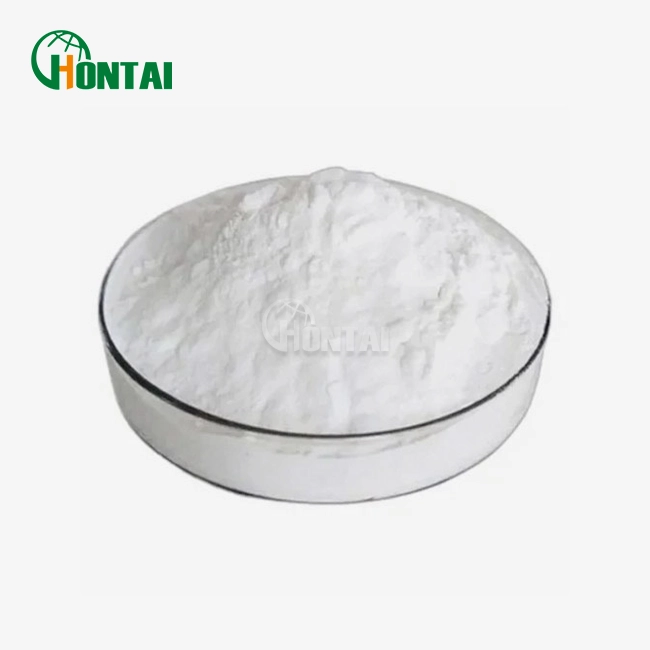
The chemical class of tetrazines includes Clofentezine, a contact acaricide. Phytophagous mites live on both food crops and ornamental plants, and this is meant to kill them. The formula for it is C14H8Cl2N4, and its CAS number is 74115-24-5. Even though it gets in touch with people, it doesn't kill them. Its main job is to kill mite eggs and larvae. It is useful for integrated pest management because it controls pests for a long time and helps industrial growers keep their food systems healthy with fewer uses. This is because it works in a way that no other product does. Being effective against a wide range of mite species, it is a good choice for large-scale farms seeking long-lasting, low-cost pest control.
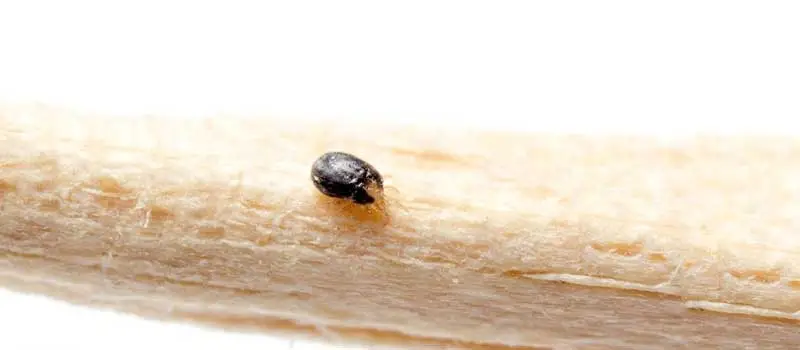
Understanding Clofentezine: Chemical Properties and Mode of Action
Chemical Structure and Stability
Clofentezine, also known as 3,6-bis(2-chlorophenyl)-1,2,4,5-tetrazine, has a special chemical structure that makes it efficient at destroying acaroids. The product is a pink to red solid powder that is 97% pure. Since its freezing point is between 182°C and 186°C, it stays solid at high temperatures and can be used in many ways to prepare food. For outdoor use, you need the suspension concentrate (SC) or wettable powder (WP) form because it dissolves very slowly in water (less than 1 mg/L). It comes in a few different forms in Hontai, including 97% TC, 50% WP, and 50% SC. Customers can choose based on the tools they use and what their crops need. The stable nature of this acaricide shows that it doesn't break down easily in neutral or acidic conditions. This means that it works well in a lot of different pH levels of soil. In alkaline environments, degradation happens more slowly, which changes how long things last. This gene changes how waste is managed, which helps farmers plan treatments that meet government rules and wait until right before harvest. How long something stays in the environment depends on the type of soil, the amount of organic matter in the soil, and the weather. This is something that people who work in procurement need to remember when they think about durability and the environment.
Mode of Action: Disrupting Mite Development
Clofentezine stops the growth of eggs and the molting process in young mites, whereas most knockdown poisons hurt the nerves of adult insects. Getting close to acari, going through the egg chorion, and stopping the coat from forming in its early stages kills them. This killing of eggs and larvae stops the next generation from hatching or growing up. This stops the circle of reproduction before there are too many. On the surface, the mix doesn't seem to bother adult bugs much, which could be a problem. In Integrated Pest Management (IPM) methods, on the other hand, this kind of detail works in their favor. If you use it to stop mites from reproducing as soon as they start to, the population will not grow. This will not affect the populations of good hunter mites that naturally control adult pest mites. This choice makes it less likely that secondary cases will happen because of harm that isn't targeted, which is something that often happens with broad-spectrum miticides.
Long Residual Activity
One of the best things about Acaricide Clofentezine 97%Tc this acaricide is that Clofentezine 97%Tc it works for a long time. On plants that have been treated, the effect usually lasts between 60 and 90 days. Because it lasts longer, treatments don't need to be done as often during the growing season. For big businesses, this saves money on fuel and work. Clofentezine sticks well to the sticky surface of leaves because it is lipophilic. Once it's dry, rain won't wash it off. The material stays active on plant surfaces even when it rains or when water is sprayed from above to keep mites away all the time. With this trait, animals can live on business farms that take care of hundreds to thousands of acres. This is because how resources are used directly impacts how much money the farm makes.
Clofentezine Applications and Crop Compatibility
Target Mite Species and Crop Range
Clofentezine is effective against a wide variety of economically damaging mites, including the European red mite (Panonychus ulmi), the two-spotted spider mite (Tetranychus urticae), and the orange rust mite (Phyllocoptruta oleivora). Pests like these are very bad for many types of veggies, fruit trees, cotton, and peas. The acaricide is great for those who run mixed farming systems or area wholesalers who serve a lot of different agricultural markets because it works well on a lot of different types of crops. Treating fruit trees early in the season with things that kill overwintering eggs is very good for apples, pears, oranges, and stone fruits. To prevent valuable plants from being harmed by mites that eat them, beautiful gardens use Clofentezine. As part of their plans to get rid of pests, cotton and bean farmers use it to protect their crops and the quality of the fibers they grow. People who sell agrochemicals want a wide range of goods, and companies that protect crops need standard formulas that can be used in many cases. This property lets them work with most industrial crops.
Application Rates and Timing
Between 50 and 150 grams of active ingredient per acre is usually the best amount to use. However, this can change depending on the type of crop, the number of mites in the area, and the farming methods used there. It's very important to know when to use ovicidal to get the best results. It's best to apply the poison before the plant blooms or as soon as you see the first signs of mite eggs being laid, before the maggots start to live on the plant. Taking precautions at the start of the growing season is meant to help the first generation of kids who hatch from eggs left over the winter. Later, this stops the population from growing at a very fast rate. On a large scale, farmers often use Clofentezine as part of planned spraying plans that take into account the stages of plant growth and data from pest studies. To get rid of a lot of adult mites quickly, use an adulticide like abamectin or bifenthrin in the tank. This will kill all of the adults right away, and Clofentezine will kill any eggs or larvae that are still there. This mix method works better for managing mites because it covers all stages of life.
Crop Safety and Residue Management
It has good crop safety scores, and when used according to the directions, it has been shown to have little effect on the plants that are mentioned. With the suspension concentrate mix, you don't have to worry about the solvents that come with emulsifiable concentrates. This makes it less likely that when it gets hot, the leaves will burn. To make sure that doses stay safe, spray tools should be properly adjusted, and rates should be followed exactly as written on the package.It is known how the chemical breaks down, and major export markets have set maximum residue limits (MRLs) to make it easy to control residues. Pre-harvest windows are different for each crop, but most of the time they are 14 to 28 days. This gives farmers time to plan apps that follow the rules without losing their usefulness. It is easier for distributors and importers to get through customs and into markets when they have specific legal papers. This is something you should think about when doing business in another country.
Safety, Toxicity, and Environmental Impact of Clofentezine
Toxicological Profile and Worker Safety
Clofentezine is a chemical that isn't very dangerous to animals. The new acaricide is safer to eat or put on the skin than older ones like organophosphates and carbamates. Personal protective equipment (PPE) like gloves, long-sleeved shirts, Acaricide Clofentezine 97% Tc, and eye protection can help you deal with the risks of work interactions. The risk of taking in powder is low if you handle it properly, but you should wear a dust mask when working with powder recipes that can be wet. Agricultural service providers and field workers like these safety features because they make it easier to train and make them less worried about their health. Government agencies set limits on what workers can be exposed to. These limits make it easy to keep an eye on safety at work and help companies follow labor laws. Plus, the low level of animal poison makes it easier to sell to public health groups and pest control companies in cities that care about both human safety and efficiency.
Impact on Non-Target Organisms
A good thing about Clofentezine is that it only kills pest mites and not good bugs. Researchers in both the lab and the field have found that it doesn't hurt plant-eating mites like Phytoseiulus persimilis and Neoseiulus californicus very much. This deal with biological control agents makes IPM better because farms can now use both chemical and biological tools without worrying about how they will affect each other. It is not very dangerous to bees, and it doesn't hurt beehive colonies much when the product is used as directed on the box, and the bees aren't going out looking for food. More people are worried about pollinators' health, and this safety gap is in line with what the law says should happen in the US and EU. Limits on neonicotinoids have made people more aware of how poisons affect good bugs. The risk to aquatic species is low to moderate, and buffer zones and drift control methods can help lessen the effects on aquatic species that aren't the goal. Environmental risk studies done by regulatory agencies support the label's claims that Clofentezine is safe to use up to those levels. This makes buyers trust that the drug is safe for the earth.
Regulatory Approvals and Compliance
Clofentezine is available in a number of important agricultural areas, including the US, EU member states, and many Asian and Latin American nations. The US Environmental Protection Agency (EPA) has set limits on how much of different foods can be left over. This means that they can be used in the US and sent to other countries. The European Food Safety Authority (EFSA) has found that strict safety standards are being met. This makes it easier for goods that have been treated with this acaricide to get to market. It is easier to import goods when manufacturers like Hontai provide legal paperwork like Material Safety Data Sheets (MSDS), certificates of analysis, and registration dossiers. These papers help wholesalers stay in line and make the import process easier. When agrochemical importers have access to a lot of technical data, they can better deal with the complicated legal settings they work in. In this way, supply lines stay smooth, and goods are made ready for sale.
How to Procure Clofentezine: A B2B Buyer's Guide
Sourcing Strategies and Supplier Selection
Many things need to be thought about by the people who buy acaricides in bulk to make sure they get a steady supply and get the most for their money. You can save money and talk to makers more easily when you buy straight from them, especially when you have a lot of things to buy. The plant that Hontai has in Shijiazhuang, Hebei Province, gives them direct access to finished recipes and technical-grade materials. So, they can give different ways to pack their goods and make OEM/ODM products that meet their needs. When looking at providers, it's important to see their manufacturing licensing, how they keep an eye on quality, and proof that they follow the rules. You should try samples of the product in the field or in the lab to make sure the specs are the same as what the seller says they are. Having long-term partnerships with trustworthy manufacturers lowers the risks in the supply chain and helps keep the quality of the goods high all the time.
Documentation and Import Compliance
You need to pay close attention to import rules, phytosanitary certificates, Clofentezine, and customs paperwork when you buy agrochemicals from other countries. The Federal Insecticide, Fungicide, and Rodenticide Act (FIFRA) says that all Clofentezine sales must be listed with the EPA and have the right labels. Labeling, Classification, and Packaging (CLP) rules must be followed by all European goods. So must the rules for Registration, Evaluation, Authorization, and Restriction of Chemicals (REACH). Hontai helps with all aspects of exporting, such as providing Certificates of Analysis (COA), Phytosanitary Certificates, and Material Safety Data Sheets (MSDS) in a lot of different languages. It is easier to get through customs with this package of papers. They also make sure that buyers follow the rules of the country they are going to. This makes things faster and easier for shippers.
Logistics and Delivery Reliability
It is important for seasonal farming markets to be able to keep getting what they need, and global transportation is quick. Hontai has been working with foreign freight companies and shipping networks for a long time. This makes delivery quick and easy in North America, Europe, and other places around the world. Sometimes it takes longer or shorter than four to six weeks to get a big order, but it depends on where it's going and how much is being bought. This gives buyers time to plan their purchases around the best times to grow and use the products. Shipping terms that are open, like FOB, CIF, and DDP, can meet the needs of a wide range of buyers and their funds. Hontai's transportation team talks to buyers ahead of time and keeps track of packages in real time. This makes things clear and helps buyers set up good shipping operations and inventory management.
Conclusion
Clofentezine is a great acaricide for industrial agriculture because it kills both adults and young insects, has a long-lasting effect, and works with integrated pest control systems. Large-scale manufacturers, wholesalers, and crop security experts all care a lot about how stable its chemicals are and how little harm they do to humans and helpful animals. It is more appealing in global agricultural markets because it is cheaper and works better than regular miticides. To buy things well, you need to carefully consider your sources, keep good records, and have reliable transportation. Hontai works hard to ensure its goods are of high quality, follows all the rules, and gives farmers all over the world great service. That is why it is a good choice for people who want Clofentezine solutions that are good for the budget and the environment.
FAQ
1. Does Clofentezine Kill Adult Mites Immediately?
No, of course not. Clofentezine mostly works against mite eggs and early larvae, not adults. Because they work quickly, adulticides like abamectin and fenpyroximate should be added to the tank when there are a lot of adults. This will get rid of the adults that are already there. Clofentezine stops people from having children.
2. How Does Rainfall Affect Clofentezine Efficacy?
There is a good chance that Clofentezine will stay on leaves even after it rains because it is lipophilic and sticks well to leaf surfaces. Put it on at least four to six hours before it's meant to rain for the best effects. This gives the liquid concentrate enough time to dry and stick to the skin that is oily.
3. What Resistance Management Strategies Should Be Followed?
Clofentezine is in IRAC Group 10A, and it doesn't work when mixed with hexythiazox. It is important to switch between acaricides that work in different ways, such as uncouplers or METI inhibitors. For each generation and season, use only one treatment. To make it easier for mite populations to change, use biological control agents.
Source Reliable Clofentezine from a Trusted Manufacturer
Hontai is a good choice for farm workers who need to buy Clofentezine because they have a lot of experience and are committed to quality. Hong Kong is an expert in making agrochemicals, and they make three types of high-purity Clofentezine: 97% TC, 50% WP, and 50% SC. They do this while keeping a close eye on quality and following all the rules. Our fast shipping network around the world makes sure that your orders get to you on time so that you can keep up with your production calendar. Our skilled and professional team also offers quick technology help and advice after the sale. We at Hontai can meet your specific needs with tailored solutions, a range of packing choices, and low prices, whether you are in charge of large-scale farms or agrochemicals sold in local markets. Reach out to us right away at admin@hontai-biotech.com to talk about your Clofentezine needs and learn more about how our global farming service can help your business and keep pests away.
References
1. Campos, F., and Dybas, R.A. (1991). "Clofentezine: A Novel Acaricide with Ovicidal and Larvicidal Activity." Pesticide Science, Volume 33, Issue 4, pp. 387-398.
2. Van de Vrie, M., and Boersma, A. (1992). "The Mode of Action and Selectivity of Clofentezine in Spider Mite Control." Experimental and Applied Acarology, Volume 14, Issue 2, pp. 109-123.
3. Helle, W., and Sabelis, M.W. (1985). "Spider Mites: Their Biology, Natural Enemies and Control." Elsevier Science Publishers, Amsterdam, Netherlands.
4. IRAC International MoA Working Group (2021). "IRAC Mode of Action Classification Scheme." Insecticide Resistance Action Committee, Version 10.0.
5. Environmental Protection Agency (2018). "Reregistration Eligibility Decision for Clofentezine." U.S. EPA Office of Pesticide Programs, Washington, D.C.
6. European Food Safety Authority (2019). "Peer Review of the Pesticide Risk Assessment of the Active Substance Clofentezine." EFSA Journal, Volume 17, Issue 6, pp. 1-89.
Our customers’ satisfaction speaks for our quality — contact us to experience the same reliable service.