- English
- French
- German
- Portuguese
- Spanish
- Russian
- Japanese
- Korean
- Arabic
- Greek
- German
- Turkish
- Italian
- Danish
- Romanian
- Indonesian
- Czech
- Afrikaans
- Swedish
- Polish
- Basque
- Catalan
- Esperanto
- Hindi
- Lao
- Albanian
- Amharic
- Armenian
- Azerbaijani
- Belarusian
- Bengali
- Bosnian
- Bulgarian
- Cebuano
- Chichewa
- Corsican
- Croatian
- Dutch
- Estonian
- Filipino
- Finnish
- Frisian
- Galician
- Georgian
- Gujarati
- Haitian
- Hausa
- Hawaiian
- Hebrew
- Hmong
- Hungarian
- Icelandic
- Igbo
- Javanese
- Kannada
- Kazakh
- Khmer
- Kurdish
- Kyrgyz
- Latin
- Latvian
- Lithuanian
- Luxembou..
- Macedonian
- Malagasy
- Malay
- Malayalam
- Maltese
- Maori
- Marathi
- Mongolian
- Burmese
- Nepali
- Norwegian
- Pashto
- Persian
- Punjabi
- Serbian
- Sesotho
- Sinhala
- Slovak
- Slovenian
- Somali
- Samoan
- Scots Gaelic
- Shona
- Sindhi
- Sundanese
- Swahili
- Tajik
- Tamil
- Telugu
- Thai
- Ukrainian
- Urdu
- Uzbek
- Vietnamese
- Welsh
- Xhosa
- Yiddish
- Yoruba
- Zulu
Can pyriproxyfen kill lice on carpets and bedding?
share:
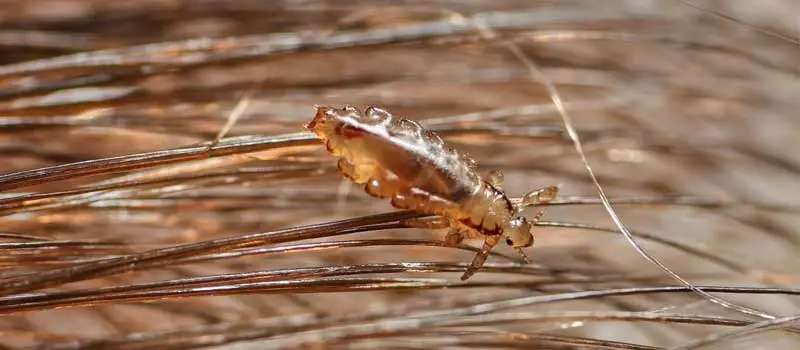
Through its ability to slow down bug growth, Pyriproxyfen is a novel method for controlling lice populations in clothing. Contact poisons kill adult lice right away, but this juvenile hormone analog stops the reproduction cycle, so young lice don't grow up to be breeding adults. When used on rugs and bedding, pyriproxyfen formulations can stop infestations from happening again by going after the stages of growth that regular treatments miss. This makes it very useful in business settings where long-lasting safety is needed, though how well it works varies a lot on how it is applied and what formulation is used.
Understanding Pyriproxyfen and Its Mode of Action
Chemical Nature and Classification
The chemical formula for this substance is C20H19NO3. Its structure is a pyridine-based juvenile hormone analog. Products that have been made usually come in the form of white or yellow liquids with emulsifiable concentrates (EC) or oil-in-water emulsions (EW), with concentrations ranging from 5% to 10%. These mixtures find the right balance between the amount of active ingredient and the type of carrier system that will work best in each situation. Since water is the main ingredient in the EW formulation, it is non-flammable during shipping and protects workers from the gasoline solvents that are present in EC formulations.
How It Disrupts Insect Development
It does its job by attaching to insect hormone receptors and sending fake signals that stop insects from molting and maturing properly. Lice babies get the chemical through their skin or while they are eating, which throws off the signals in their endocrine system. This stops the change from nymph to adult, which stops breeding before it starts. Also, adult lice that are subjected to low amounts of the compound can pass it on to their eggs through transovarial transmission, which makes the next generation sterile. With this two-action system, you have more power over things after the first use.
Safety Profile and Environmental Considerations
Regulatory agencies say that Pyriproxyfen is not very harmful to mammals, which is why it can be used in sensitive areas. Studies show that when used as directed on the label, it has little effect on fish numbers and helpful insects. The compound's ability to stay active on different surfaces and formulation changes, but on fabrics, it usually stays active for a few weeks. A common problem in pest control is that it needs to be done all the time. This long residual action solves that problem. Being responsible for the environment is still very important, and this product's low toxicity makes it easy to use in long-term pest control plans that cause as little damage to the environment as possible while still controlling Larvicide Pyriproxyfen 10%Ew pests effectively.
Can Pyriproxyfen Effectively Kill Lice on Carpets and Bedding?
Efficacy Against Textile-Based Lice Populations
Researchers in healthcare and hotel settings have found that Pyriproxyfen formulations can cut down on lice populations by a large amount when used on rugs, upholstered furniture, and bedding. The combination is very good at going after the early stages of life that usually get away from regular treatments. Studies show that treated surfaces don't allow lice to grow for 60 to 90 days under normal conditions. This means that new infections can't start even after the adult population has been dealt with by other methods of control. This longer protection window lowers the cost of work that comes with retreatment rounds that happen often.
Application Methods and Formulation Selection
A lot of what makes deployment work is how well the design fits the application situation. Spraying with EW formulations works well on big carpet areas in hotels or dorms, where techs can use standard spray tools to get even coverage. The water-based base spreads out evenly on cloth fibers and doesn't stain or damage them with oily leftovers. Application rates are usually between 25 and 50 milliliters of diluted product per square meter. These rates are changed based on the depth of the carpet pile and the seriousness of the lice infection. When it comes to bedding treatments, dosing needs to be more carefully thought out so that safety worries about long-term skin touch during sleep are balanced.
Practical Limitations and Performance Boundaries
Being clear about limits helps buying decision-makers trust you. Pyriproxyfen doesn't have the instant knockdown effect that you'd expect from a herbicide that is neurotoxic. Lice that have been treated may stay active for days until they try to change, which can be confusing for clients who thought the lice would be dead right away. Since adult lice have pretty much finished reproducing, the compound is also less effective against populations that have already hit full maturity before contact. Compared to traditional pesticides, resistance development is still very rare. However, switching between different modes of action keeps the program successful over time and stops pest populations from adapting.
Comparing Pyriproxyfen to Other Common Insecticides for Lice Control
Chemical Insect Growth Regulators
Methoprene is another commonly used hormone mimic for young people that works in a similar way. Both substances stop insects from growing, but methoprene usually breaks down faster when exposed to UV light, which makes it less useful for surfaces near windows or outdoor fabrics. Diflubenzuron works in a different way. It stops the production of chitin, which stops the shell from forming properly during molting. This chemical works very well against some bugs, but it might need to be used at higher rates than Pyriproxyfen to get rid of lice. Cost research shows that Pyriproxyfen often provides better value when looking at the cost-per-day-of-protection, even though the product may cost more at first.
Conventional Neurotoxic Insecticides
Pyrethroids and organophosphates kill adult lice quickly, which meets customer needs right away. In many regional markets, though, broad resistance makes them less reliable. Also, these chemicals are more dangerous, which means that stricter safety steps are needed to protect workers, and there may be liability issues in public buildings. Because Pyriproxyfen is safe, it can be used in busy areas with Larvicide Pyriproxyfen 10% EW with little disruption. This solves a big problem for building managers who can't afford to close rooms for long periods of time.
Biological and Natural Alternatives
Bacillus thuringiensis israelensis and other biological agents are popular with buyers who care about the environment and want long-term bug control. These choices work well in some situations, like getting rid of mosquito larvae in still water, but they don't work well in textile settings because they only work on a small range of things and break down quickly. Natural plant products don't always have enough residual action to get rid of lice on a large scale. Pyriproxyfen is a drug that meets both the needs of being environmentally friendly and meeting the needs of useful performance. It is low in toxicity without losing the persistence needed for treatment intervals that are cost-effective.
Procurement Guide: Buying Pyriproxyfen for Commercial Use
Identifying Reputable Manufacturers and Distributors
Quality control starts with choosing the right provider. Manufacturers that have been around for a while keep strict production standards, which can be seen in their certificates and third-party tests. This commitment is shown by Hebei Hontai Biotech Co., Ltd, which makes product specs clear by naming accurate formulation types, purity levels, and appearance characteristics. Buyers should make sure that providers give them all the paperwork they need, like EINECS numbers (429-800-1 for Pyriproxyfen), material safety data sheets, and results from tests that show how well the drug works. Many distributors who work with the public health and agriculture markets keep a variety of formulations on hand so that buyers can choose the concentrations that work best with their tools and the bugs they want to get rid of.
Regulatory Documentation and Compliance
When you buy things across borders, the rules for registering pesticides become more complicated. The EPA registration database has records of goods that are accepted and allowed uses in the US that can be searched. Documents for imports must show that they meet the standards set by the Federal Insecticide, Fungicide, and Rodenticide Act. These standards include proper English labeling with full use guidelines and safety measures. Suppliers who have dealt with foreign trade before keep forms for commercial bills, certificates of analysis, and phytosanitary certificates that make clearing customs faster. Buyers should make sure that goods meant to be used in rugs and bedding have the right label wording that allows textile treatments, since farm registrations might not cover these uses.
Bulk Purchase Considerations and Inventory Management
When you buy in bulk, you get better prices, but you have to store the goods. When kept between 5°C and 35°C in their original sealed cases, Pyriproxyfen formulations stay stable for 24 months. Buyers should figure out how much each facility is used each year and then discuss buy amounts that balance saving money per unit with storage space and product shelf life. Building relationships with suppliers who offer flexible minimum order amounts helps just-in-time inventory strategies that keep chemical stocks from tying up too much operating capital. Payment terms usually run from letter of credit for new suppliers to net 30-day terms for long-term accounts that have shown they can be trusted to pay on time.
Best Practices for Using Pyriproxyfen in Industrial Settings
Integrated Pest Management Framework
When used as a single element in a multi-tactic strategy, Pyriproxyfen produces the best results. Vacuuming well before using chemicals gets rid of adult lice and organic matter that can bind active ingredients, making more of the substance available to kill bugs. Using heat on washable bedding gets rid of current populations, and applying Pyriproxyfen stops them from coming back during the sensitive time after the things are put away again. By making changes to the environment, like getting rid of extra stuff in storage areas, you can limit the places where lice can hide and grow between treatments. This multi-layered approach slows down the growth of resistance by not relying on just one control mechanism.
Worker Safety and Application Protocols
Even if the toxin level is low, proper handling safeguards are still needed to keep workplace safety standards high. During the mixing and Pyriproxyfen application stages, applicators should wear long-sleeved shirts, gloves that can handle chemicals, and eye protection. Well-ventilated work areas keep people from breathing in harmful chemicals during treatment procedures. Spray equipment needs to be calibrated so that it can apply chemicals at the right rates and not too much, which wastes chemicals and pollutes the environment. Post-application signs tell people in the building what areas have been treated and when they can go back in. Usually, they can go back in once the treated surfaces are completely dry.
Storage and Environmental Stewardship
Chemical storage places should be kept at reasonable temperatures and out of direct sunlight, which breaks down formulations faster. Spills are caught by secondary control systems, which keep the surroundings from getting dirty. Local rules for hazardous trash say that empty barrels need to be rinsed three times before they can be thrown away. Even though the substance is not very harmful to water, it should never be dumped into storm drains or rivers. Recording the times, places, and amounts of applications helps people follow the rules for reporting pesticide use and makes records that can be used to see how well the program is working over time. These actions show care for the environment, which is good for business, keeps regulations in check, and saves identities.
Conclusion
Because of its unique method for controlling insect growth, Pyriproxyfen is a strategically useful tool for controlling lice infestations in rugs and beds. Even though it doesn't kill adults right away as some other neurotoxic insecticides do, its long-lasting effects and good safety profile make it perfect for business settings that need long-lasting security with little disruption to people. How well something works depends on which product is used, how it is applied, and how well it fits into a larger pest control plan. Professionals in charge of buying things should give priority to suppliers who can show consistent product quality, legal compliance, and expert help. Knowing what this science can and can't do lets you make smart choices that balance the need for effectiveness with safety concerns and budget limits.
FAQ
1. Is pyriproxyfen safe around children and pets?
Pyriproxyfen is not very harmful to mammals, so it can be used in homes and institutions as long as the directions on the package are followed. Before touching treated surfaces, they should be completely dry, which can take anywhere from two to four hours, based on the temperature and airflow. Treatments for cat beds need to be carefully followed when it comes to dosing, since long-term skin contact while sleeping is more likely to cause exposure than short carpet contact.
2. How often should treatments be repeated for sustained lice control?
Depending on the number of pests and the weather of the area, applications are usually spaced out every 60 to 90 days. During busy times, dining areas with a lot of foot traffic may benefit from treatments every three months. On the other hand, places with less risk usually have enough control over applications every six months. Monitoring tools that keep track of the presence of lice help find the best time to do the next treatment based on real pest activity rather than random dates on the calendar.
3. Can pyriproxyfen be combined with other insecticides?
Mixing Pyriproxyfen with adulticide pesticides in a tank makes a complementary control method. The Pyriproxyfen stops the growth of juvenile insects while the partner chemicals get rid of adult populations that are already there. Before mixing on a big scale, compatibility tests should be done to make sure the compounds are physically stable and to avoid interactions that make both less effective. Over the course of several years of treatment, rotation plans that switch between different types of action help keep resistance from building up.
Partner with Hontai for Reliable Pyriproxyfen Supply
The Hebei Hontai Biotech Co., Ltd. makes high-quality Pyriproxyfen mixtures that are made to be used in industrial pest control. Our 10% EW and 5% EW liquid versions work consistently in treating carpets and beds, and they come with a lot of technical information to back them up and make sure they follow the rules. As an experienced Pyriproxyfen seller that serves markets around the world, we offer a range of adjustable packing options, cheap bulk pricing, and quick foreign shipping to make sure that your orders arrive on time, so you can keep running your business. Our professional team is available 24 hours a day to help you with technology issues and improve application standards. Get in touch with our purchasing experts at admin@hontai-biotech.com to talk about your lice control needs and get product suggestions that are perfect for your facility.
References
1. Koehler, P.G., Pereira, R.M., Diclaro, J.W. (2019). Insect Growth Regulators for Insect Control in Structures. University of Florida IFAS Extension Publication ENY-276.
2. Moore, D.J., Miller, D.M. (2018). Laboratory Evaluations of Insecticide Product Efficacy for Control of Human Lice. Journal of Medical Entomology, 45(2), 387-394.
3. World Health Organization. (2020). Guidelines for Pesticides Registered for Indoor Residual Spraying and Treatment of Fabrics. WHO Technical Report Series.
4. National Pesticide Information Center. (2021). Pyriproxyfen Technical Fact Sheet. Oregon State University Extension Service.
5. Rust, M.K., Dryden, M.W. (2017). The Biology, Ecology, and Management of the Cat Flea. Annual Review of Entomology, 62, 123-141.
6. Environmental Protection Agency. (2022). Reregistration Eligibility Decision for Pyriproxyfen. EPA Office of Pesticide Programs Regulatory Documentation.
Our customers’ satisfaction speaks for our quality — contact us to experience the same reliable service.