- English
- French
- German
- Portuguese
- Spanish
- Russian
- Japanese
- Korean
- Arabic
- Greek
- German
- Turkish
- Italian
- Danish
- Romanian
- Indonesian
- Czech
- Afrikaans
- Swedish
- Polish
- Basque
- Catalan
- Esperanto
- Hindi
- Lao
- Albanian
- Amharic
- Armenian
- Azerbaijani
- Belarusian
- Bengali
- Bosnian
- Bulgarian
- Cebuano
- Chichewa
- Corsican
- Croatian
- Dutch
- Estonian
- Filipino
- Finnish
- Frisian
- Galician
- Georgian
- Gujarati
- Haitian
- Hausa
- Hawaiian
- Hebrew
- Hmong
- Hungarian
- Icelandic
- Igbo
- Javanese
- Kannada
- Kazakh
- Khmer
- Kurdish
- Kyrgyz
- Latin
- Latvian
- Lithuanian
- Luxembou..
- Macedonian
- Malagasy
- Malay
- Malayalam
- Maltese
- Maori
- Marathi
- Mongolian
- Burmese
- Nepali
- Norwegian
- Pashto
- Persian
- Punjabi
- Serbian
- Sesotho
- Sinhala
- Slovak
- Slovenian
- Somali
- Samoan
- Scots Gaelic
- Shona
- Sindhi
- Sundanese
- Swahili
- Tajik
- Tamil
- Telugu
- Thai
- Ukrainian
- Urdu
- Uzbek
- Vietnamese
- Welsh
- Xhosa
- Yiddish
- Yoruba
- Zulu
What is chlorfenapyr used for?
share:
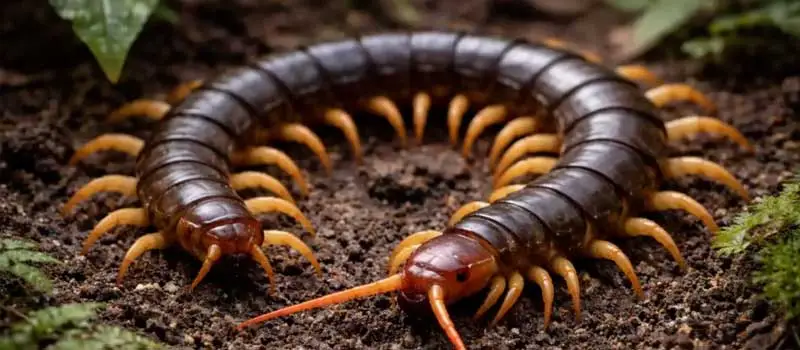
Because it kills a variety of bugs and acaricides, Chlorfenapyr is a crucial component of modern pest control techniques. Both touching it and eating it will make it work. A lot of farmers use this pyrrole-based chemical to get rid of leafminers, thrips, mites, and other bugs that are bad for crops. It gets rid of centipedes, cockroaches, ants, bedbugs, flies, and termites. It's also used to protect public health and keep pests out of buildings. Because it can kill pests at different stages of their lives, even eggs, it works best when used when eggs are most likely to hatch.
Understanding Chlorfenapyr: Chemical Properties and Mode of Action
What Makes Chlorfenapyr Unique Among Insecticides
Chlorfenapyr is a pyrrole chemical that doesn't work like other killer bugs. As a pro-insecticide, it needs to be turned on in the pest's body metabolically. When the compound is eaten or touched, insect oxidases change it into CL 303268, which is its active form. OXP breaks down oxidative phosphorylation, the process in cells that makes ATP energy. This metabolite changes how mitochondria work. Pest cells can't do their important jobs if they don't make enough energy, so they die quickly. With this IRAC Group 13 mode of action, pests that are resistant to pyrethroids, organophosphates, and carbamates can be killed very well.
Chemical Composition and Technical Specifications
The chemical name for this bug killer is C15H11BrClF3N2O, and its CAS number is 122453-73-0. It comes in three different forms made by Hontai: high-purity technical concentrates (95% TC), formulated products (24% SC), and 360g/L SC suspensions. Sometimes the technical concentrate is a white to pale yellow crystalline solid that melts at 100°C to 102°C. It's lipophilic, which means leaves can easily absorb it. It also doesn't wash off in rain, so it builds up in treated plant tissues to act as protective reservoirs. This translaminar activity works especially well to get rid of pests that feed on the undersides of leaves, where direct spray contact isn't possible.
How Does the Pro-Insecticide Mechanism Benefit Pest Control?
Pro-insecticides like Chlorfenapyr 98% TC Pesticide last a long time because their metabolism has to be turned on first. This makes them less likely to stay in the environment, but it doesn't change how well they kill pests. Pests that are resistant to other types of insecticides can still be killed by disrupting their mitochondria, which is another way that this mechanism helps it work. Because its temperature coefficient of efficacy is positive, the compound works better when it's warmer than 20°C. In warm weather, this makes it great to use. By reading about these properties, business-to-business buyers can figure out how this insecticide fits into strategies for managing pests and resisting them.
Chlorfenapyr Applications and Benefits in Pest Management
Pests that are resistant to new chemicals and rules that limit their use are becoming bigger problems for farmers and people who work in pest control. Because it works on a wide range of insects, this pyrrole insecticide can be used in many situations.
Agricultural Crop Protection Applications
Taking care of pests and making sure the quality of the crops is still the most important part of commercial farming, which covers hundreds to thousands of hectares. This insecticide works well on crops like corn, soybeans, wheat, vegetables, and fruit trees to kill insects that hurt the crops, such as diamondback moths, armyworms, whiteflies, and spider mites. When sprayed on the leaves, it protects them for a long time, even as new leaves grow. The ovicidal properties are even more useful when combined with pest forecasting data because they let growers target both egg-laying times and larvae that are starting to hatch at the same time.
Especially helpful for vegetable and flower growers, it works well against thrips and mites that are resistant to multiple drugs and damage crops, making them less marketable. It helps keep bugs under control even during the growing season and keeps them from becoming resistant by being used in between other groups of insecticides. There are different ways to mix the compound in tanks because it can be mixed with both neutral and acidic fungicides. The logistics of the application are made easier, and the cost of labor goes down.
Structural and Public Health Pest Management
This insecticide is very important not only for farming but also for keeping people healthy and getting rid of pests in cities. To protect building foundations and wooden structures from termites, pest control companies use termiticides that don't kill the termites. Termites can find barrier treatments and avoid them, but ones that don't keep them away let them touch treated areas without meaning to, where they can pick up lethal doses and spread the active ingredient through colonies. With this transfer effect, it's easier to get rid of colonies, and you need less product than usual.
Professionals who clean up cities and city vector control programs use this chemical to get rid of cockroaches, bedbugs, mosquitoes, and other bugs that spread disease. As soon as it stops eating, which takes only hours because of its stomach and contact activity, it dies completely in 24 to 72 hours. This delayed action stops pest populations from using behavioral avoidance, which makes treatments more likely to work in places with a lot of moving parts, like hospitals, food processing plants, and apartment buildings with multiple units.
Integration into IPM Systems and Resistance Management
In integrated pest management, different ways of getting rid of pests must work together to protect the environment and keep pest damage to a minimum. This bug killer is very different from biological controls, cultural practices, and other chemical interventions in the way it works. It works well with IPM systems. It doesn't hurt some good bugs as much as broad-spectrum organophosphates do, which supports biological control strategies for protecting wildlife.
Protocols for managing resistance say that switching between groups of insecticides can slow down the buildup of resistance. It is being used more and more by crop protection experts and people who work with farms instead of other compounds in the same class. All of the tools used to get rid of pests will last longer because of this. Distributors and importers who want to support sustainable farming will find that this insecticide fits with their goals for being environmentally friendly and still works well enough for business use.
Safety, Toxicity, and Environmental Impact of Chlorfenapyr
People need to think about how safe a product is for clients, workers, and the environment before they buy it. To help with safe use, this part looks at the toxicological profile and how it acts in the environment.
Human Safety and Handling Requirements
If you swallow, put Chlorfenapyr on your skin, or breathe it in, it is moderately to severely poisonous. To handle and use it safely, you should wear the right safety gear. People who mix or spray formulated products should wear long-sleeved shirts, long pants, gloves that can handle chemicals, and safety glasses. Insecticides that work throughout the body are better absorbed through the skin than this compound. This lowers the risk of being exposed when the right protective gear is worn. It can be anywhere from seven to fourteen days before you can harvest vegetables, and it can be up to twenty-one days before you can harvest field crops. So that residues don't get too high before harvest, this is done.
According to worker safety rules, it is very important to mix materials properly in areas with good air flow and to clean up spills right away using things that can soak up the liquid. Store things in cool, dry places that are away from food, feed, and living areas. Containers must be tightly sealed to keep out germs. All of Hontai's shipments come with detailed safety data sheets and instructions on how to handle them. This helps make sure that all markets around the world follow the rules for health and safety at work.
Environmental Fate and Ecological Considerations
A study of environmental impact looks at what things do to the air, water, and soil after they are used. Different types of soil have different half-lives for this pyrrole insecticide. The half-lives depend on the temperature, the amount of water, and the amount of organic matter that is there. It's not easily broken down by water, so it won't wash away from soils that drain well. Still, it's important to keep it from getting into waterways.
It depends on the species and how they are exposed to cause damage to living things that are not targets. Bees can get hurt by sprays, so they should only be used at night, when pollinators aren't out and about. There needs to be a buffer zone near bodies of water because fish and aquatic invertebrates are sensitive to it. Worms and birds are usually more poisonous than insects, but caring for the environment is still important. Because of these ecological factors, label limits and best management practices that take care of pests and protect biodiversity are made.
Regulatory Compliance and Resistance Prevention
Agricultural markets want more and more goods that meet the government's strict rules about safety and work. More than one country has approved this insecticide. To meet the needs of each country, the concentration, packaging, and instructions on how to use are all changed. People who want to sell their goods in other countries need to make sure that those countries allow the technical concentrates and formulations they use. Making sure that goods that have been treated don't have more than a certain amount of residue is part of this.
Everyone in the supply chain has to deal with resistance, from the people who make the goods to the people who buy them. The best ways to make insecticides last longer are to use them at the right rates, not spray them too often, and change how they work. Distributors and applicators can learn the best ways to use products so they last through multiple growing seasons with the help of educational materials and technical support from suppliers like Hontai.
How to Choose and Procure Chlorfenapyr for Your Business Needs?
Picking the right formula and supplier can impact how well the product works, how well it follows the rules, and how much money the business makes. This part tells people who work in procurement what the criteria for critical evaluation are.
Evaluating Product Quality and Manufacturer Credibility
You can tell how stable a formulation is and how well it works in the field by how pure the technical concentrate is. Better 95% TC doesn't have as many impurities that can clog nozzles, hurt plants, or make pest control less effective. A lot of strict quality control measures are used by Hontai and other trustworthy manufacturers to make sure that every batch meets the standards. These include HPLC purity analysis, moisture content testing, and pH verification. If someone wants to buy something, they should ask for an analysis certificate that shows how pure it is, when it was made, and that it meets international quality standards.
There's more to a manufacturer's credibility than just lab results. It also includes being able to help customers, know how to follow the rules, and be able to make things. Companies that have been exporting for a while know what forms they need to fill out in order to clear customs with their goods. Some examples of this are phytosanitary certificates, material safety data sheets, and registration approvals. Hontai is in Hebei, China. This gives it access to a strong infrastructure for making chemicals and lets it keep prices low for large orders. Their sales staff is very knowledgeable and can help you in more than one language. They can also give you technical advice that is specific to your crop and pest problems.
Formulation Selection for Different Applications
It depends on the needs of the customer and the purpose of the product to choose between technical concentrate, suspension concentrate, and emulsifiable concentrate. Private-label buyers and distributors of agrochemicals usually buy 95% TC to make their own brand-name products with their own labels and packaging. It is adaptable, so it can be changed to work in different places based on the bugs that live there, the tools that are used, and the rules that must be followed.
Dissolving some suspension concentrates, like 24% SC and 360g/L SC, is easy for end users and less dangerous because the concentrates are already diluted. Businesses that deal with pest control and farming like these water-based formulas because they work well with tank mixes and cover a lot of ground when sprayed. Small particles (below 5 microns) make sure that spray droplets form correctly and leaves stick to surfaces, which makes living things more active.
Bulk Purchasing, Pricing, and Logistics Optimization
Commercial farms and regional distributors can benefit from strategies for buying in bulk of Chlorfenapyr 98% TC Pesticide that make sure they always have a supply and good prices. Most of the time, you can save money when you buy more than 500 kg of technical concentrates or 1,000 liters of formulated products. Contracting for a year at a time can protect your costs from changes in the prices of raw materials and make sure you get the best materials when demand is high.
It is important to plan logistics so that the goods arrive at the right time for each season. You need to think about how to store them and when they need to be delivered. This bug spray will stay stable as long as it is kept in a cool, dry place away from direct sunlight and very hot or cold temperatures. From the time they are made to the time they are delivered, containerized shipments usually take two to four weeks. This depends on where they are going and how long it takes to clear customs. Hontai's fast global logistics network handles shipping paperwork, forwarding freight, and keeping track of packages. So, the supply chain doesn't get messed up, which could cause important pest control work to be put off.
Certification, Compliance, and After-Sales Support
By checking product certifications, you can make sure that rules are being followed and lower your risk of being sued. Check to see if the company has ISO 9001 quality management certifications, GMP manufacturing standards, and export licenses that can be used in the countries you want to send the goods to. If you want to sell your goods in organic or sustainable agriculture markets, they might need extra certifications that show they care about people and the environment.
Full support after the sale is what makes great suppliers different from transactional ones. Hontai shows distributors and end users how to mix, how much to use, and how to stay safe so they get the best results. People can get answers to their questions about compatibility, managing resistance, and fixing performance issues when they call. When you treat business like an ongoing partnership, you build relationships that last longer than one transaction.
Conclusion
Insecticide based on pyrroles kills a wide range of agricultural and structural pests by messing up mitochondria in a very specific way. Its ability to kill resistant populations, work with insecticides, and cross laminar barriers makes it an important part of modern plans to get rid of pests. Protecting yields and improving quality are good for farmers, and pest control professionals can get rid of tough pests in cities. You can make decisions that balance effectiveness, compliance, and sustainability when you know about the chemical's properties, how to use it, safety concerns, and buying factors. When rules change, and resistance pressures rise, it's important to work with manufacturers you can trust to give you good products backed by technical know-how and quick service.
FAQ
Q1: What Pests Does Chlorfenapyr Effectively Control?
There are a lot of different kinds of bugs that this bug killer can kill, like armyworms, cockroaches, bedbugs, flies, spider mites, diamondback moths, thrips, and whiteflies. For some reason, it works really well against groups that are not hurt by pyrethroids or organophosphates.
Q2: Can This Product Be Tank-Mixed With Other Agrochemicals?
In tanks, it's not hard to mix most fungicides and fertilizers that are neutral or acidic. Avoid products that are too acidic, like Bordeaux mixture, as they may break down the active ingredient. Before mixing large amounts, always test a small amount in a jar first, and always follow the directions on the label for the right way to use it.
Q3: What Are the Typical Pre-Harvest Intervals for Treated Crops?
Field crops may need anywhere from 14 to 21 days before they can be picked, while vegetables may only need as little as seven days. It relies on the rules and maximum residue limits in the area. Check the food labels and the government in your area to make sure they follow the rules for food safety.
Q4: How Should Buyers Verify Product Quality When Sourcing?
For technical concentrates, make sure the company has ISO 9001 certification and certificates of analysis that show the concentrate is more than 95% pure. A supplier with a good reputation will give you all the paperwork you need, like safety data sheets, information on how to register, and export licenses.
Partner With Hontai for Reliable Chlorfenapyr Solutions
You need more than just a good deal to get pest control products that work. You also need a Chlorfenapyr manufacturer that you can rely on, and that cares about quality, following the rules, and making sure customers are happy. Hebei Hontai Biotech Co., Ltd. makes insecticides that are of high quality and meet quality standards around the world. Some of their products are 95% TC, 24% SC, and 360g/L SC. Distributors, farms, and pest control companies all over the world use our stable product quality, OEM/ODM customization options, and full technical support to solve a wide range of farming issues. We make sure you get your order on time by using fast global logistics. Our professional team can also help you with things like how to use it, how to deal with resistance, and what the law requires. Write to admin@hontai-biotech.com right away to talk about bulk procurement options, custom formulations, and partnership opportunities that drive your business growth.
References
1. Cordova, D., et al. "Insecticidal Selectivity and Modes of Action of Chlorfenapyr and Related Compounds." Journal of Agricultural and Food Chemistry, 1998.
2. Black, B.C., et al. "Chlorfenapyr: A New Insecticide for Cotton Pest Management." Proceedings of the Beltwide Cotton Conferences, 1997.
3. Raghavendra, K., et al. "Chlorfenapyr: A New Insecticide for Vector Control." Current Science, 2011.
4. Ishaaya, I., et al. "Novel Phenylpyrazoles: Selective Insecticides and Miticides with Unique Modes of Action." Pest Management Science, 2007.
5. Nauen, R. "Insecticide Resistance in Disease Vectors: Mechanisms, Impact, and Management Strategies." Annual Review of Entomology, 2019.
6. IRAC Mode of Action Classification Scheme. "Group 13: Mitochondrial ATP Synthase Inhibitors." Insecticide Resistance Action Committee, Version 10.0, 2022.
Our customers’ satisfaction speaks for our quality — contact us to experience the same reliable service.