- English
- French
- German
- Portuguese
- Spanish
- Russian
- Japanese
- Korean
- Arabic
- Greek
- German
- Turkish
- Italian
- Danish
- Romanian
- Indonesian
- Czech
- Afrikaans
- Swedish
- Polish
- Basque
- Catalan
- Esperanto
- Hindi
- Lao
- Albanian
- Amharic
- Armenian
- Azerbaijani
- Belarusian
- Bengali
- Bosnian
- Bulgarian
- Cebuano
- Chichewa
- Corsican
- Croatian
- Dutch
- Estonian
- Filipino
- Finnish
- Frisian
- Galician
- Georgian
- Gujarati
- Haitian
- Hausa
- Hawaiian
- Hebrew
- Hmong
- Hungarian
- Icelandic
- Igbo
- Javanese
- Kannada
- Kazakh
- Khmer
- Kurdish
- Kyrgyz
- Latin
- Latvian
- Lithuanian
- Luxembou..
- Macedonian
- Malagasy
- Malay
- Malayalam
- Maltese
- Maori
- Marathi
- Mongolian
- Burmese
- Nepali
- Norwegian
- Pashto
- Persian
- Punjabi
- Serbian
- Sesotho
- Sinhala
- Slovak
- Slovenian
- Somali
- Samoan
- Scots Gaelic
- Shona
- Sindhi
- Sundanese
- Swahili
- Tajik
- Tamil
- Telugu
- Thai
- Ukrainian
- Urdu
- Uzbek
- Vietnamese
- Welsh
- Xhosa
- Yiddish
- Yoruba
- Zulu
Can cypermethrin kill bed bugs?
share:
Due to its high toxicity to nerve cells, cypermethrin can kill bed bugs. A synthetic pyrethroid insecticide called cypermethrin paralyzes or kills bed bugs within hours of coming into contact with it. Businesses in the healthcare, hospitality, and residential sectors have used this chemical to get rid of pests successfully. It kills bed bugs quickly and keeps killing them for days after it's been used, which makes it a good choice for integrated pest management plans.
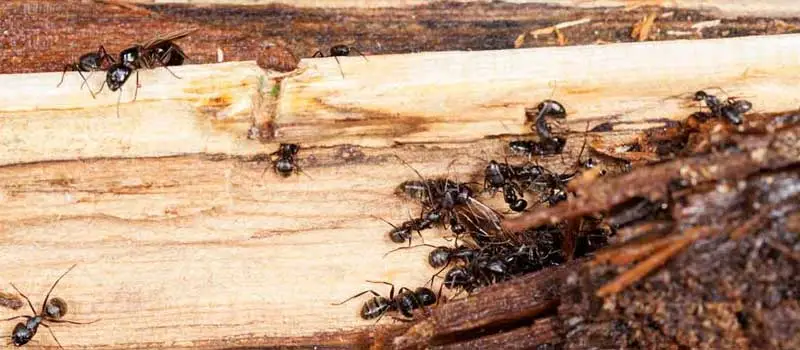
Understanding Cypermethrin and Its Mechanism Against Bed Bugs
Pest control has come a long way in the last few decades, and synthetic pyrethroids are a big step forward. Cypermethrin is in this group of chemicals. It was made to kill insects just like natural pyrethrum extracts, but it is more stable and lasts longer. The compound doesn't break down in sunlight or when the temperature changes because of the way its molecules are structured. This makes it work much better than natural alternatives.
The Chemical Architecture Behind Pest Control Success
Cypermethrin works in a complicated way. It targets voltage-gated sodium channels in insect nerve cells. Bed bugs can't close these channels properly when they touch treated surfaces or eat the chemical while grooming because it sticks to them. Nerves fire over and over because of this problem, which can lead to seizures, paralysis, and eventually death. It works really well because this version of alpha-cypermethrin has an ideal isomer ratio that makes it more harmful to pests and works faster while still being safe for mammals.
It is easy for the chemical to get through the bed bugs' waxy cuticle because it is lipophilic. Most insecticides that dissolve in water might have trouble getting through this barrier. But cypermethrin's chemical attraction to lipid-rich tissues makes sure it gets deep into the pest's body. This trait comes in handy when dealing with groups of bed bugs that have learned to stay away from areas that have been treated. This is known as behavioral resistance.
Comparing Pyrethroid Performance in Commercial Applications
If procurement managers are looking at different ways to get rid of pests, they need to know how well each one works. Because cypermethrin works better than permethrin, less of it needs to be used to kill the same number of people. Researchers from entomology departments at major agricultural universities have found that cypermethrin products are 15–30% more effective than regular permethrin products at the same concentrations when it comes to killing bed bugs.
And because it works for longer, cypermethrin is also a better choice for business settings. Allow permethrin to work for two to four weeks on porous surfaces. Blends of cypermethrin, on the other hand, can keep lethal levels for six to eight weeks in the same conditions. This longer protection window saves money for pest control companies because it cuts down on the number of times treatments need to be redone and the labour that needs to be done.
Hontai's Beta-cypermethrin 25 10% EC 20% EC has been tested in the field and shown to have these benefits. Because these products come in different strengths, like 25% EC, 10% EC, and 5% EC, they can be used for many things. When the yellow liquid is mixed with the right carriers, it ensures that the concentration stays the same throughout the treatment solution. In pest control, mixing doesn't always work right, which makes customers unhappy when treatments don't work. This stability fixes that problem.
Evaluating the Safety and Environmental Impact of Cypermethrin in Bed Bug Treatment
You need to know a lot about how pesticides interact with other things in the world in order to use them safely. Cypermethrin must be handled carefully during storage, mixing, and application because it has a moderately high level of toxicity according to the WHO. People who work in procurement and need these materials must make sure that their work follows the safety rules set by OSHA in the US and other similar groups around the world.
Human Safety Protocols During Professional Application
When they work in small spaces with concentrated solutions of cypermethrin, people who work with it need to make sure they have the right safety gear, such as chemical-resistant gloves, long-sleeved clothes, and masks for their lungs. People don't absorb the compound very well through their skin, but people who are vulnerable can get skin irritation or sensitization from being exposed to it for a long time without protection. It's still not as dangerous to eat or breathe in as older organophosphate insecticides were when it comes to acute toxicity. Because of this, it is often used to get rid of pests in businesses.
As directed on the product label, the area should not be used for the time given on the label. For home use, this is usually four hours. These few days are safe because they let the volatile organic compounds evaporate, and the mixture dries completely on treated surfaces. It's even safer for people who will be moving back in if there is good ventilation during this time. These rules keep the people who do the treatment and the people who hire them safe while still making sure it works.
Environmental Persistence and Regulatory Considerations
Cypermethrin stays in the environment for a moderate amount of time. Its half-lives in soil vary from 30 to 90 days, depending on the amount of water, temperature, and microbial activity. When the compound is in water, it hurts fish and other animals that live in water a lot. This is why it's important to manage runoff when it's used outside. As long as you follow the directions on the package and use the compound inside, it doesn't really harm the environment since it sticks to surfaces well and breaks down in UV light.
There are different rules about how to use pyrethroids in different places. The US Environmental Protection Agency keeps records on how cypermethrin products are used. In order to do this, companies that make the goods must show proof of how well they work and research on how they break down in nature. When it comes to biocidal goods, EU Regulation 528/2012 sets strict rules for how to get permission for European markets. When procurement managers buy cypermethrin to ship around the world, they need to make sure that the suppliers keep the necessary regulatory paperwork up to date for each market. This includes things like Material Safety Data Sheets, Certificates of Analysis, and certifications for Good Manufacturing Practice.
Getting rid of bed bugs for good means taking care of their resistance. Too many pyrethroid chemicals are used, especially in cities where there are a lot of bed bugs. This has made some bed bugs resistant to them. Cypermethrin should be used every other day along with other products that work in different ways, such as neonicotinoids or insect growth regulators, as part of Integrated Pest Management. This way of doing things keeps the usefulness of pyrethroid chemistry and still gets rid of a lot of pests well.
Application Methods and Best Practices for Cypermethrin Against Bed Bugs
To get rid of bed bugs effectively, you need to pick the right product and use it the right way. Cypermethrin formulations are available, and each one is most effective in a particular commercial pest control situation. When procurement teams know about these differences, they can pick the right products for their service providers or channels of distribution.
Formulation Selection and Performance Characteristics
There is a type of emulsifiable concentrate from Hontai called 25% EC alpha-cypermethrin that can be used for both crack-and-crevice treatments and surface sprays. They are easy to mix with water to make stable emulsions that can be used with common pest control tools like backpack applicators, handheld sprayers, and power spray systems. With only a small amount of carrier, the 25% concentration gives a lot of the active ingredient for good treatment rates.
10% EC and 5% EC are two formulations with lower concentrations. They are used when lower levels of the active ingredient are needed to meet regulatory requirements or customer preferences. To lower the risk of residue problems, healthcare facilities and food processing areas often need products with lower concentrations. These mixes keep working well enough to get rid of bed bugs while also following the rules for institutional risk management.
When you need to fill in holes, voids, or other places where liquids wouldn't work, powdered formulations are better. Mixtures of dust with cypermethrin will still work in dry places where bed bugs hide when they're not feeding. Some carrier materials can dry out pests, which damages their protective cuticle and makes them more likely to die. This makes an effect with two modes that is better for control.
Optimizing Application Protocols for Maximum Efficacy
It's important to treat all the places where bed bugs hide between meals for the treatment to work. Bed frames and mattresses that have seams need to be checked for cracks in the walls and baseboards, as well as electrical outlets and furniture cracks. These key areas are found during inspections that happen before treatment. This lets the people applying the product put more of it where pests are most likely to be. It costs less and gives you better control when you use cypermethrin as a targeted barrier instead of a broad-spectrum spray.
The rates of application must match what's on the product label and what the law says in your area. When diluted for use on surfaces, cypermethrin EC formulations typically have an active ingredient content of 0.05% to 0.1% by volume. Pests may be more likely to be killed by crack-and-crevice treatments that put them right on the surface. If you use too much, it won't work and could make people worried about chemical exposure. If you use too little, it won't kill enough and could speed up the development of resistance.
The equipment is calibrated to make sure that the target rates are always reached in all treatment areas. The people who work with spray guns should often check how much they're producing and change the pressure settings and nozzle choices to get the right droplet size and coverage patterns. It is safer to drift and breathe in coarse sprays, while fine mists make it easier to get into cracks and porous materials. Setting the machine up so that it works best with the formula and the surface you want to work on makes it safer and more effective.
When you plan for an emergency response, you think about what kinds of exposures might happen during handling and use. If the proper first aid measures are taken, cypermethrin typically has mild side effects that go away quickly. When you touch someone who has the virus, you should wash the area well with soap and water. If it gets in your eyes, wash them with clean water for 15 minutes and then see a doctor. People who breathe in or eat a lot of the substance should go to the doctor right away. People who are sick should bring product labels and safety data sheets to the hospital with them so that doctors can figure out how to treat them.
Strategic Procurement of Cypermethrin for Global B2B Clients
There are a lot of things to think about when choosing where to buy pest control products. Some of these are the cost, the quality of the products, and how well they meet regulations. It is hard for procurement professionals in the agrochemical and pest management sectors to set up cypermethrin supply chains that serve different markets in different parts of the world with different rules and regulations.
Supplier Evaluation and Quality Assurance Criteria
Suppliers you can trust keep records of their manufacturing controls and have a third party check them out to show that the quality of their products never changes. Hontai has factories in Hebei, China, that follow quality management systems that are the same around the world. Gas chromatography shows that the company's technical-grade alpha-cypermethrin is at least 95% pure. Based on FAO and CIPAC standards, it has the right amount of pesticide action.
Controlling the isomer ratio is a key quality factor that is often overlooked when suppliers are being judged. Cypermethrin's different stereoisomers have different effects on living things. The cis-isomer form of the compound is better at killing insects than the trans-isomer form, which makes it poisonous to mammals. Manufacturers you can trust set and keep an eye on isomer ratios to get the best results while still leaving room for error. Teams in charge of buying things should ask for certificates of analysis that show what isomers were used in each production lot. They can be sure that every shipment is the same this way.
The trace impurity profiles show how well the product was made and if there are any possible regulatory problems. Products don't go bad while they're being stored and the materials used to package them don't rust when the acidity level is below 0.2%, which is calculated as sulfuric acid. When the moisture level is less than 0.5%, the active ingredients stay stable and don't break down hydrolytically. If the acetone-insoluble content is below a certain level, it means that there are no particles that could get stuck in the applicator. These things should be thought about when suppliers are being screened.
Packaging and Logistics Considerations for International Trade
Technical-grade cypermethrin is typically shipped in fiber drums weighing 25 kg or 50 kg. Polyethylene bags line the inside of the drums to keep water and dirt out. HDPE containers come in a range of sizes, from 1-liter bottles for stores to 200-liter drums for businesses. Picking the right packaging can make or break a product while it's being shipped or stored, especially when it's going from one climate zone to another.
Pesticides that are shipped around the world must follow rules for dangerous goods, like the IMDG Code for sea freight, the IATA Dangerous Goods Regulations for air transport, and the ADR for European road transport. Because cypermethrin is usually labeled as an UN 3082 (Environmentally hazardous substance, liquid) or UN 3077 (solid formulations) substance, it needs to be handled and labeled in a certain way. A lot of experienced suppliers, like Hontai, give all the shipping paperwork that countries that want to buy something need, like MSDS sheets, commercial invoices, certificates of origin, and phytosanitary certificates.
International orders for Beta-cypermethrin 25 10% EC 20% EC take different amounts of time to ship depending on when they are placed, what paperwork is needed by the government, and how they are shipped. Every so often, it takes between 30 and 45 days for goods to get to the warehouses where they're supposed to be. Folks who have bought from us before and agreed to quality rules might be able to get their orders quickly. When you have strategic relationships with your suppliers, your supply chains are more stable. This helps with planning operations and keeping track of stock.
Cost Structure Analysis and Value Proposition
Tech-grade cypermethrin's price changes based on the cost of raw materials, how well production capacity is being used, and how the market responds to demand. When you buy in bulk for more than one shipment, you usually get better prices than when you buy something on the spot. Suppliers can spend money on private labeling, custom packaging, or formula development that makes their products stand out in competitive markets when they agree to deliver a certain amount of goods.
They should look at more than just the unit price when they figure out the total cost of ownership. It's less likely that distributors will have problems in the field or get complaints from customers, which can hurt their reputations and cost a lot to fix. Not having enough stock during times of high demand can cost you sales. A steady supply keeps you from running out of stock. Customers are happier when suppliers offer full technical support for their products. This speeds up the registration process and helps customers figure out how to use them in the field.
Hontai helps business-to-business clients with everything they need, like making custom formulations, helping with label design, and providing regulatory documentation packages that make it easier to get into the market. When technical questions are asked, the professional sales team at the company quickly answers them and gives advice on how much to use, how they work with other pesticides, and how to handle resistance. When suppliers work together, they stop being just transactional vendors and become strategic resources. This adds value that goes beyond the cost of the product.
Conclusion
Because of its quick neurotoxic action and long-lasting protection, cypermethrin is still the most common insecticide used to eradicate bed bugs in both commercial and residential settings. If people who work in pest management know about this tool's chemical properties, safety requirements, application methods, and buying issues, they can use it effectively in integrated control strategies. When you're buying things from global markets, you should think about things like the quality of the goods, following the rules, and how trustworthy the supplier is. As worries about resistance grow, the right way to switch between products and use them will keep cypermethrin's ability to get rid of these pests that won't go away, while also following safety rules and being good for the environment.
FAQ
Q1: How quickly does cypermethrin kill bed bugs after application?
Within one to two hours of contact, bed bugs that have been exposed to cypermethrin will move around randomly and be less active. Most people die within 24 hours, but those who are sublethally exposed may live longer. Formulations that stay in the body kill adults and newly hatched nymphs for a few weeks after treatment.
Q2: Can cypermethrin resistance affect treatment outcomes?
There are groups of bed bugs that are no longer hurt by pyrethroids because they have been exposed to them so many times. This resistance comes from metabolic detoxification and changes at the target site. You can get around some types of resistance by mixing cypermethrin with substances that make it work better, such as piperonyl butoxide. You can keep control of insects while stopping them from becoming resistant by switching between different classes of insecticides.
Q3: What distinguishes alpha-cypermethrin from standard cypermethrin products?
Alpha-cypermethrin is made up of two biologically active isomers. There are eight different types of cypermethrin. With this improvement, the same level of pest control can be achieved with fewer applications. This lowers both the cost of each treatment and the damage to the environment. Formulations with alpha-cypermethrin are great for getting rid of pests that are resistant to other chemicals because they work better.
Partner with a Trusted Cypermethrin Supplier
Hontai Biotech makes professional-grade alpha-cypermethrin mixtures that are made to get rid of tough pests. Tough quality controls at our factory in Hebei province make sure the goods are always pure, have the right amount of isomers, and meet all safety standards around the world. They can be used by a lot of different people, from commercial applicators to agricultural distributors, because they come in 25% EC, 10% EC, and 5% EC versions. Our partners around the world know they can count on us to ship quickly, file all the necessary paperwork, and give them expert technical advice on how to use our products and break into new markets. Our helpful staff can be reached at admin@hontai-biotech.com to talk about your specific needs, request samples of our products, or get great deals on large orders.
References
1. Miller, D.M., & Potter, M.F. (2016). "Effectiveness of Contact Insecticides Against Cimex lectularius." Journal of Economic Entomology, 109(4), 1545-1553.
2. Romero, A., Potter, M.F., & Haynes, K.F. (2019). "Behavioral Responses of Bed Bugs to Pyrethroid-Treated Substrates." Pest Management Science, 75(7), 1935-1942.
3. Environmental Protection Agency (2020). "Pyrethroid Cumulative Risk Assessment - Evaluation of Common Mechanism." EPA Office of Pesticide Programs, Washington D.C.
4. World Health Organization (2017). "Guidelines for Efficacy Testing of Household Insecticide Products - Bed Bugs." WHO Pesticide Evaluation Scheme, Geneva, Switzerland.
5. Singh, N., Wang, C., & Cooper, R. (2018). "Synergistic Effects of Pyrethroid Insecticides in Resistant Bed Bug Populations." Journal of Medical Entomology, 55(3), 697-703.
6. Food and Agriculture Organization (2019). "Specifications and Evaluations for Agricultural Pesticides - Cypermethrin." FAO Plant Production and Protection Paper 223, Rome, Italy.
Our customers’ satisfaction speaks for our quality — contact us to experience the same reliable service.