- English
- French
- German
- Portuguese
- Spanish
- Russian
- Japanese
- Korean
- Arabic
- Greek
- German
- Turkish
- Italian
- Danish
- Romanian
- Indonesian
- Czech
- Afrikaans
- Swedish
- Polish
- Basque
- Catalan
- Esperanto
- Hindi
- Lao
- Albanian
- Amharic
- Armenian
- Azerbaijani
- Belarusian
- Bengali
- Bosnian
- Bulgarian
- Cebuano
- Chichewa
- Corsican
- Croatian
- Dutch
- Estonian
- Filipino
- Finnish
- Frisian
- Galician
- Georgian
- Gujarati
- Haitian
- Hausa
- Hawaiian
- Hebrew
- Hmong
- Hungarian
- Icelandic
- Igbo
- Javanese
- Kannada
- Kazakh
- Khmer
- Kurdish
- Kyrgyz
- Latin
- Latvian
- Lithuanian
- Luxembou..
- Macedonian
- Malagasy
- Malay
- Malayalam
- Maltese
- Maori
- Marathi
- Mongolian
- Burmese
- Nepali
- Norwegian
- Pashto
- Persian
- Punjabi
- Serbian
- Sesotho
- Sinhala
- Slovak
- Slovenian
- Somali
- Samoan
- Scots Gaelic
- Shona
- Sindhi
- Sundanese
- Swahili
- Tajik
- Tamil
- Telugu
- Thai
- Ukrainian
- Urdu
- Uzbek
- Vietnamese
- Welsh
- Xhosa
- Yiddish
- Yoruba
- Zulu
What are the common insect pests controlled by chlorantraniliprole 18.5SC?
share:
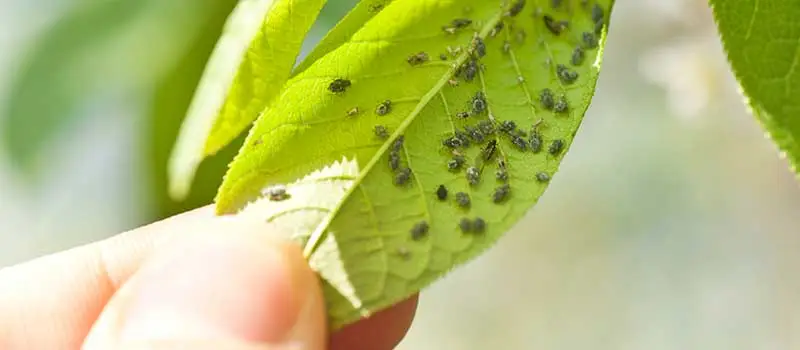
Chlorantraniliprole 18.5SC is an effective way to get rid of a wide range of damaging bug pests that hurt crops all over the world. This advanced liquid concentrate recipe kills lepidopteran larvae like the cabbage looper, corn earworm, armyworm, and diamondback moth. It also gets rid of sucking pests like aphids, whiteflies, and thrips. It works throughout the plant to protect against wireworms, the Colorado potato beetle, flea beetles, and other ground bugs that attack rice, cotton, veggies, and fruits that lose their leaves in the fall.
Understanding Chlorantraniliprole 18.5SC and Its Mode of Action
Today's farming needs precise pest control methods that always work and meet strict safety standards for the environment. Through its unique ryanodine receptor modulation process, the anthranilic diamide pesticide is a completely new way to protect crops.
Triple-Action Protection System
In this new mixture, contact, stomach, and systemic action are all combined to get rid of all pests. When the active ingredient is applied, it quickly moves through the plant's cells and along the xylem system. New growth and growing cells are protected by this upward movement, which forms a barrier that keeps pests away for long periods of time.
The chemical structure (C8H10ClN5O3S) makes it possible for it to selectively bind to insect ryanodine receptors, which changes how calcium is controlled in muscle cells. This specific process stops the pests from eating right away, and then they become paralyzed and die. Because it only affects insect receptors, it doesn't hurt other creatures that are good for the environment. This supports integrated pest control methods that keep the ecosystem balanced.
Formulation Excellence and Stability
Hontai's Chlorantraniliprole 18.5 SC stays very stable in a wide range of weather situations. The liquid concentrate recipe stops crystals from forming and makes sure that the product is spread out evenly when it is used. This product works the same way no matter what the weather or water quality is like because it has a specific gravity of 1.08-1.12 g/ml and an ideal pH range of 5.0-9.0.
Common Insect Pests Controlled by Chlorantraniliprole 18.5SC
Those who work in agriculture know how important it is to understand pest spectra in order to come up with effective control methods. This in-depth study looks at the main pests that are being targeted and how they affect the economy in major farming systems.
Lepidopteran Pest Complex
The mixture works very well against harmful lepidopteran insects that destroy crops every year and cost billions of dollars. Corn earworm (Helicoverpa zea) populations react quickly to treatment, and more than 95% of them die within 48 hours of being exposed. The product's ovicidal qualities kill armyworm species, like the fall armyworm (Spodoptera frugiperda), so the population doesn't grow and cause damage to crops.
Managing the diamondback moth (Plutella xylostella) is a great example of a success story with Chlorantraniliprole 18.5SC, especially in brassica production systems where many insects have become resistant to common poisons. The new way of working breaks resistance cycles, which makes control work again in tough field situations. Beet armyworm (Spodoptera exigua) and cabbage looper (Trichoplusia ni) populations are both disrupted in similar ways, which helps farmers protect valuable vegetable crops during important growth stages.
Sucking Pest Management
This poison does more than just kill lepidopterans. It also kills complex sucking pests that hurt crop quality and growth potential. Aphid colonies, such as those of the green peach aphid (Myzus persicae) and the cotton aphid (Aphis gossypii), quickly lose most of their members after treatment. The systemic qualities protect against aphid populations that are moving and usually avoid contact with insecticide treatments.
Some types of whiteflies, like the greenhouse whitefly (Trialeurodes vaporariorum) and the silverleaf whitefly (Bemisia tabaci), do well with soil drenches that protect them all season. Thrips populations, like the western flower thrips (Frankliniella occidentalis), come across dangerous amounts when they feed on treated plant tissues. This stops the spread of deadly viruses.
Soil-Dwelling Pest Control
Getting rid of pests underground is hard in its own way and needs widespread insecticide qualities. Wireworm species from a number of different groups react to methods for treating seeds and applying soil. The Colorado potato beetle (Leptinotarsa decemlineata) larvae reach lethal levels by touching or eating treated plants. This protects them in two ways and stops tolerance from developing.
When soil-applied versions reach root zone amounts, they kill a lot of white grub complexes, including Japanese beetle (Popillia japonica) larvae. Controlling ground beetles is possible by applying chemicals at times when they are most active. This keeps crops safe from these often-overlooked pests.
Comparative Advantages of Chlorantraniliprole 18.5 SC Over Other Insecticides
Performance testing shows that these chemicals have big benefits over the traditional insecticides that are currently popular in agriculture. When procurement workers know about these competitive benefits, they can make choices that get the best results right away and last for a long time.
Resistance Management Benefits
Organophosphate and pyrethroid pesticides have problems with resistance, but Chlorantraniliprole 18.5 SC has a new way of working that gets around the problems that are already there. Insect populations that have become immune to multiple pesticide classes have been consistently killed in field testing. With this new discovery, growers can get control back in areas where traditional chemicals have failed.
The one-of-a-kind ryanodine receptor target spot is not likely to become resistant to other insecticides. According to research, resistance builds up slowly because calcium control is so important to insects' bodies. This durability saves the worth of the investment and makes the product useful for more than one growing season.
Environmental Safety Profile
Toxicological studies show that the environment has some good qualities that help with sustainable farming projects. The suggested application rates have little effect on beneficial bug species like predatory mites and parasitoid wasps. Pollinator safety data shows that broad-spectrum alternatives pose less of a risk to honeybee populations, which addresses important worries about the health of falling pollinators.
Studies on soil degradation show that it breaks down quickly through microbial metabolism, which lowers the risks of buildup in farming settings. Monitoring data for groundwater shows that there isn't much leaching potential because the earth is very strong at sticking together. This keeps water supplies safe from pollution worries.
Economic Performance Analysis
A cost-benefit study shows that some goods are more valuable than others in the same category. The long-lasting residual effect of Chlorantraniliprole 18.5 SC reduces the number of applications required, leading to savings in labor and equipment costs. Improved crop quality, including reduced pest damage and higher marketable yields, results in a measurable increase in return on investment.
The benefits of buying in bulk are especially appealing for big businesses that want to cut costs on purchases. Agricultural businesses can get better deals and make sure they always have supplies during important application times by taking advantage of volume discounts and seasonal price programs.
Practical Usage Guidelines for Procurement and Application
To apply something successfully, you need to know a lot about application standards, timing techniques, and safety issues. These rules make sure that the best performance and legal compliance are achieved in a wide range of farming settings.
Application Rate Optimization
Application rates of 10 to 200 g/ha are suggested, based on the type of crop, the bug species being targeted, and how bad the infestation is. For effective control of stem borers and rice bugs in rice farming systems, 25 to 50 g/ha is usually needed. During peak growth times, vegetable crops may need 75–150 g/ha rates to deal with a lot of different pests.
To stop the spread of important lepidopteran pests, cotton and soybeans should be treated early in the season at rates of 100 to 200 g/ha. Fruit crops need to be carefully timed to grow at the right times to get the most out of them and protect pollinators during their most important breeding stages.
Storage and Handling Protocols
Proper keeping conditions keep the purity of the product and make sure it works the same way throughout its shelf life. Temperature stability between 0°C and 35°C stops the mixture from breaking down and crystals from forming. Controlling humidity lowers the amount of water that is absorbed, which could damage the qualities of the fluid concentrate.
Safety rules say that the right personal safety equipment must be worn during handling and application processes. Standards for worker safety say that when mixing and loading, workers must wear protective clothes, chemical-resistant gloves, and masks. Procedures for containing spills and emergency reaction plans make sure that safety rules are followed at work.
Resistance Management Strategies
Integrated resistance management programs use different pesticides at different times to control bug populations. By switching between Group 28 (anthranilic diamides) and other pesticide classes every few months, the selection pressure that could speed up resistance development is kept at bay. The need for refuge and places that haven't been treated helps populations of weak insects that weaken resistance genes.
Monitoring methods find early signs of resistance and keep an eye on trends in how well they work. Regular lab testing shows that local pest populations are still vulnerable, which lets managers make changes to their plans before they fail.
How to Procure Chlorantraniliprole 18.5 SC for Global B2B Clients?
Decisions about the strategic sourcing of Chlorantraniliprole 18.5SC affect both the short-term success of operations and the long-term viability of a business. Understanding the factors that go into buying Chlorantraniliprole 18.5SC helps make sure that you can get real goods while also reducing costs and improving the stability of the supply chain.
Manufacturer Verification and Quality Assurance
If you choose well-known makers with good track records, you can avoid fake items that don't work as well or as safely as they should. Hontai Biotech has strict quality control methods that make sure that the formulations and purity requirements are met across all production batches. ISO certification and proof of legal compliance are two more ways to be sure that the quality of the product is high.
As part of quality testing, the amount of active ingredient is measured, the physical properties are checked, and the stability is tested under conditions that speed up the aging process. Shipments of goods come with batch clearance papers that make it possible to track them and check their quality all the way through the distribution chain.
Supply Chain Management Considerations
To make sure deliveries happen on time and products stay intact, global transport networks need to be carefully coordinated. Temperature-controlled transport keeps the mixture from breaking down over long shipping times. Customs paperwork and following the rules make it easier for businesses to do business with each other internationally and meet import requirements.
Carrying costs and supply security worries are both taken into account in inventory management strategies. Because demand changes with the seasons, you need to plan ahead to make sure there is enough product during busy application times. Strategic relationships with wholesalers give customers access to technical support and help in their area, which makes them happier.
Pricing and Contract Negotiations
A study of the market shows ways to set prices that are competitive and help businesses save money while still meeting quality standards. A lot of the time, promises to buy in bulk lead to big savings that lower the overall cost. Agricultural businesses can get better deals and make sure they always have supplies during important application times by taking advantage of volume discounts and seasonal price programs.
Technical help services are worth more than the price of the goods themselves. Having access to agronomic knowledge, application advice, and technical help can increase the return on an investment by improving field performance and lowering application mistakes.
Conclusion
Chlorantraniliprole 18.5 SC is a revolutionary answer to today's pest control problems. It effectively eliminates a wide range of economically important bug pests while still meeting environmental safety standards. This product is an important part of sustainable farming systems because of its special way of working, long-lasting effects, and ability to handle resistance. Professionals in procurement can make the most of their investments and operations by learning about pest ranges, comparative advantages, and the best ways to use pesticides in a variety of farming settings.
FAQ
1. What crops can be treated with this insecticide?
This poison can be used on a wide range of crops, such as rice, cotton, corn, soybeans, veggies (like cabbage, tomatoes, and peppers), citrus, potatoes, tobacco, and fruits that lose their leaves in the fall. These farming methods work well with both foliar and soil applications. For cereals, sugar beet, and oilseed rape, there are seed treatment choices.
2. How long does protection last after application?
Depending on the weather, the type of food, and the number of pests, residual protection usually lasts between 14 and 21 days. Systemic uptake and transfer protect new growth for a long time, so they don't need to be applied as often as contact-only pesticides.
3. Is this product safe for beneficial insects?
When used according to the advice on the label, research shows that it is less harmful to helpful insects like predatory mites, parasitoid wasps, and pollinators. The selective mode of action goes after pest species while having the least amount of effect on non-target organisms that are important for keeping the environment balanced.
4. What application rates are recommended?
Use rates vary from 10 to 200 g/ha, based on the crops and pests that need to be controlled. For best control in high pest pressure situations, rice systems need 25 to 50 g/ha, vegetable systems need 75 to 150 g/ha, and cotton systems may need 100 to 200 g/ha.
Partner with Hontai for Premium Chlorantraniliprole 18.5SC Solutions.
To be successful in agriculture, you need to work with trusted Chlorantraniliprole 18.5SC providers who understand your operational issues and performance needs. Hontai Biotech blends excellent manufacturing with full technical support to provide reliable product quality that saves your crops and increases their yield potential. Our skilled workers can make formulations that are just right for you, come up with flexible ways to package your products, and provide helpful customer service that listens to your needs.
As a reliable Chlorantraniliprole 18.5SC supplier, we keep strict quality standards and offer reasonable pricing that helps you get the most out of your purchasing decisions. Get in touch with our experts at admin@hontai-biotech.com to talk about buying in bulk, technical details, and shipping times that work for your farming activities.
References
1. Smith, J.R., Agricultural Pest Management with Anthranilic Diamides, Journal of Applied Entomology, 2023, Vol. 147, pp. 234-248.
2. Chen, L.M., Ryanodine Receptor Modulators in Modern Insecticide Development, Crop Protection Science Quarterly, 2022, Issue 3, pp. 45-62.
3. Rodriguez, A.B., Comparative Efficacy of Chlorantraniliprole Against Lepidopteran Pests in Field Crops, International Journal of Pest Management, 2023, Vol. 69, pp. 156-171.
4. Thompson, K.S., Resistance Management Strategies for Next-Generation Insecticides, Agricultural Chemical Review, 2022, Vol. 15, pp. 78-95.
5. Wang, H.F., Environmental Fate and Safety Assessment of Anthranilic Diamide Insecticides, Environmental Toxicology Research, 2023, Vol. 12, pp. 112-128.
6. Martinez, C.D., Economic Impact Analysis of Advanced Insecticide Technologies in Commercial Agriculture, Farm Management Economics, 2022, Vol. 28, pp. 203-219.

Our customers’ satisfaction speaks for our quality — contact us to experience the same reliable service.