- English
- French
- German
- Portuguese
- Spanish
- Russian
- Japanese
- Korean
- Arabic
- Greek
- German
- Turkish
- Italian
- Danish
- Romanian
- Indonesian
- Czech
- Afrikaans
- Swedish
- Polish
- Basque
- Catalan
- Esperanto
- Hindi
- Lao
- Albanian
- Amharic
- Armenian
- Azerbaijani
- Belarusian
- Bengali
- Bosnian
- Bulgarian
- Cebuano
- Chichewa
- Corsican
- Croatian
- Dutch
- Estonian
- Filipino
- Finnish
- Frisian
- Galician
- Georgian
- Gujarati
- Haitian
- Hausa
- Hawaiian
- Hebrew
- Hmong
- Hungarian
- Icelandic
- Igbo
- Javanese
- Kannada
- Kazakh
- Khmer
- Kurdish
- Kyrgyz
- Latin
- Latvian
- Lithuanian
- Luxembou..
- Macedonian
- Malagasy
- Malay
- Malayalam
- Maltese
- Maori
- Marathi
- Mongolian
- Burmese
- Nepali
- Norwegian
- Pashto
- Persian
- Punjabi
- Serbian
- Sesotho
- Sinhala
- Slovak
- Slovenian
- Somali
- Samoan
- Scots Gaelic
- Shona
- Sindhi
- Sundanese
- Swahili
- Tajik
- Tamil
- Telugu
- Thai
- Ukrainian
- Urdu
- Uzbek
- Vietnamese
- Welsh
- Xhosa
- Yiddish
- Yoruba
- Zulu
How to use Bacillus thuringiensis powder?
share:
The right way to use Bacillus Thuringiensis Powder starts with diluting it correctly and using it at the right time. Mix 1-2 grams per liter of water and make sure it dissolves completely before using. Apply early in the morning or late at night, when the target larvae are most active. Avoid direct sunlight, which can break down the proteins in the bacteria. It kills caterpillars, corn borers, and other lepidopteran pests very effectively while being completely safe for people and useful insects. It does this by releasing crystalline toxins that specifically target insect gut receptors.
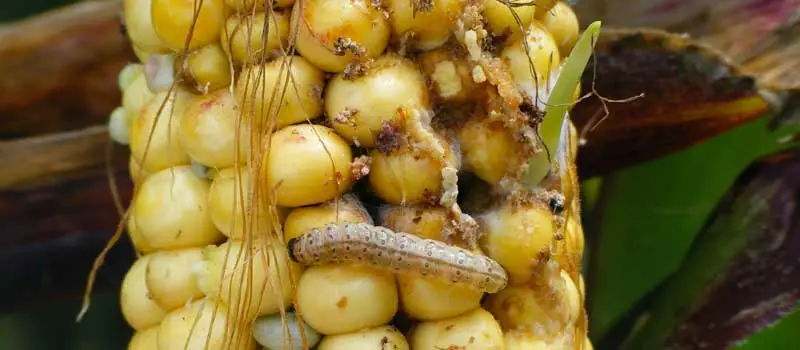
Understanding Bacillus Thuringiensis Powder: Definition and Mode of Action
Bacillus thuringiensis is a revolutionary way to get rid of pests in a way that doesn't harm the environment. It gives farmers a strong biological alternative to manmade chemical insecticides. These naturally occurring soil bacteria have changed the way crops are protected because it can target specific bug pests while staying safe for the environment.
What Makes Bacillus Thuringiensis Powder Unique
Biology says that Bt works because of its amazing ability to make spores. The bacteria make parasporal crystalline particles during sporulation. These include delta-endotoxins, more specifically Cry proteins. These proteins don't do anything until they reach the highly alkaline environment of the gut systems of insects they are meant to attack. When sensitive larvae eat the crystals, they break down and become active. They then bind to specific receptors on the midgut epithelium and create fatal pores that kill cells and kill the bug.
Broad-spectrum chemical herbicides kill a lot of different species without discrimination. Bacillus Thuringiensis Powder, on the other hand, is very selective. There are protein receptors that Bt poisons mostly target in lepidopteran, dipteran, and some coleopteran species. This keeps helpful insects like beekeepers, ladybugs, and parasitic wasps safe. Because it is so specific, Bt is a great part of integrated pest control systems that put protecting biodiversity first.
Distinguishing Powder from Liquid Formulations
Powder forms are clearly better than liquid forms, especially when it comes to how well they store and how easy they are to ship. The dried bacterial spores stay alive for a long time if they are stored properly, so they don't need to be kept cold, as liquid concentrates do. Commercial operations save money on storage costs and make managing their goods easier. Also, because powder formulations are concentrated, they can be diluted at different rates depending on the amount of pest pressure.
The way it works is the same in all types, but powder forms are better for large-scale farming uses because they last longer and are less expensive. When properly reconstituted, powder products have the same biological effectiveness as liquid options. They are also easier to buy in bulk and store for a long time.
How to Use Bacillus Thuringiensis Powder Effectively in Agriculture?
In order to successfully use Bt powder, you need to know the best way to apply it so that it works biologically and also makes economic sense for business use. The time, preparation, and delivery methods have a big effect on how well the pest control works generally.
Preparation and Dilution Protocols
Choosing the right water quality is the first step in properly reconstituting Bacillus thuringiensis powder. To keep crystals from dissolving too quickly, use clean water with a pH level between 6.0 and 8.0. High mineral amounts in hard water can make it impossible for bacteria to live, so in some places, water treatment may be needed.
The normal rate of reduction is between 0.5 and 2 grams per liter of water, but this can change based on the pests and species that need to be killed. First, mix a small amount of water into a mush before adding it to the main tank. This method makes sure that the substance dissolves completely and stops it from sticking, which could block spray tubes. Let the mixture stir for 5 to 10 minutes so that the suspension is even before you use it.
When mixing Bt with other farming inputs, tank mix suitability needs to be carefully thought through. Do not mix with fungicides that are based on copper or products that are very alkaline and can kill germs. Most adjuvants made from plants and some manufactured surfactants that improve coverage and resistance to rain are compatible additions.
Application Timing and Techniques
The best time to apply depends on when the pests' life cycles coincide with the weather in the area. Target the early stages of larvae when they are eating the most and before they do a lot of damage to the crop. Keep an eye on degree-day accumulation models that are specific to your area to get accurate predictions for when the most larvae will hatch.
Environmental factors are very important to the success of an application. Apply during cooler times of the day, like early morning or late evening, to keep bacterial proteins from breaking down too quickly by UV light. Wind speeds should stay below 10 mph to make sure the targets are placed correctly and don't move to areas that aren't intended. Applying materials right before it rains is not a good idea because they need two to four hours to properly stick to plant surfaces.
The level of coverage has a direct effect on biological effectiveness. For ground applications, use 100 to 200 gallons of spray per acre. For air applications, use 5 to 10 gallons per acre. Cover completely both the top and bottom of the leaves, which is where the target larvae usually eat. Choosing the right tip and calibrating the spray pressure can help you get the best droplet size distribution for the most biological touch.
Dosage Recommendations for Commercial Operations
To find the best mix between cost-effectiveness and pest control success, large-scale farming operations need to do exact dosage calculations. Base rates are usually between 0.5 and 1 pound of product per acre, but they can change depending on the type of pest, how bad the population is, and what stage of growth the crop is in. For established populations or when going after species that are less likely to be affected, higher amounts may be needed.
Controlling corn borer in industrial grain production usually needs 0.75 pounds per acre applied at silk emergence, which is when larvae start to enter stalks. During times of high pest pressure, vegetable crops may need more than one treatment every 5 to 7 days. Cotton farms often combine bollworm tracking programs with Bt applications to get the best timing and lower total pesticide inputs.
Economic limits help figure out when applications are worth the money. When setting action limits, you should look at current product prices, return potential, and loss data from the past. Many businesses find that using Bt to stop growth during key stages gives them better economic results than using Bt to fix problems after they've happened.
Comparing Bacillus Thuringiensis Powder with Other Pest Control Options
Agricultural decision-makers must evaluate multiple factors when selecting pest control strategies, including efficacy, environmental impact, regulatory compliance, and total cost of ownership. Understanding how Bt powder stacks up against other methods helps with making smart purchasing choices.
Bt Powder versus Liquid Formulations
Powders are different from liquids in a number of important ways that depend on how they are stored and handled. Bacillus Thuringiensis Powder stays biologically active for two to three years when kept in a cool, dry place. Most liquid mixes need to be refrigerated for 12 to 18 months. This longer shelf life cuts down on the need to replace items quickly and on the waste that comes from old goods.
Because they need less weight and space, powder versions are better for transportation costs. Concentrated powders usually have between 50,000 and 100,000 International Units per gram, while liquids usually have between 10,000 and 20,000 IU per milliliter. For people who buy a lot, this concentration advantage means lower shipping costs and less waste from packing.
Operators can change ratios based on what's happening in the field right now, thanks to reconstitution freedom. When there are a lot of pests, applicators can raise the dilution ratios without having to buy new product formulas. This flexibility is especially helpful for custom applicators who work with different crop systems that have different pest control needs.
Chemical Pesticide Comparisons
One big reason why biological controls are better than manufactured drugs is that they can handle resistance better. Pests become resistant to Bt proteins in a way that is different from how they become resistant to synthetic pyrethroids or organophosphates. This means that cycle tactics can be used to keep them working for a long time. Multiple Cry proteins in Bt formulations protect against resistance formation more than drugs with only one mode of action.
When there are strict maximum residue limits (MRL) in the market, residue patterns strongly favor biological controls. Bt proteins break down quickly in plant cells and don't leave any traces when the plants are harvested. This means that there are no limits on the time between harvests, which can make it harder to decide when to harvest. Export markets want zero-residue products more and more, which makes Bt uses useful for keeping market access.
Environmental effect studies always show that microbial pesticides are safer than other types of pesticides. There are no worries about groundwater pollution or effects on wildlife that aren't intended by Bt because it doesn't hurt mammals, birds, or aquatic creatures in the short or long term. This safety profile makes following the rules easier and lowers business users' legal risk.
Cost-Effectiveness Analysis
Initial purchase costs for Bacillus thuringiensis powder may be more expensive than common chemical options at first, but when all costs are added up, biological controls are often more cost-effective. Fewer applications are needed because the chemicals last longer, there are no longer any limits on the time between crops, and helpful insects that naturally control pests are kept alive. All of these things are good for the economy as a whole.
Using standard spray equipment and application methods, the prices of labor and tools stay the same for both biological and chemical uses. But Bt applications don't need as much personal safety equipment, which lowers the cost of compliance and makes it more comfortable for operators to work for longer amounts of time.
The higher costs of biological pest control are often worth it because the market will pay more for organically approved or residue-free food. Premium markets may pay 20–50% more than normal commodity prices. This makes up for the higher cost of materials and helps build long-term customer ties based on environmentally friendly production methods.
Procuring Bacillus Thuringiensis Powder: A Guide for B2B Buyers
To buy biological pesticides strategically, you need to know what the suppliers can do, how to ensure the quality of the goods, and how to handle the business of living microbes. Buying programs that work well involves finding a mix between lowering costs, making sure the products are reliable, and getting help from the suppliers.
Supplier Selection Criteria
Manufacturer credentials are the basis for trustworthy acquisition of Bacillus thuringiensis powder. Look for providers that have a history of following the rules when it comes to quality control, fermentation, and other related areas. ISO approval, following Good Manufacturing Practices (GMP), and EPA registration all show a dedication to making sure products are of high quality and follow the rules.
During busy application seasons, when demand goes through the roof, production capacity and the dependability of the supply chain become very important. Suppliers should be judged on how well they can keep products available, especially during growing seasons in the spring when most farming inputs are in short supply. Strategic inventory backups are often kept by established providers to make sure they don't run out of stock during busy times.
Premium suppliers are different from basic suppliers because they offer technical support services. Comprehensive providers offer application advice, tests for compatibility, and expert help in the field, all of which can have a big effect on the success of an application. Training programs for application staff and ongoing farming advice add value on top of just buying the product.
Quality Assurance and Certification
Biological insecticides have more specific requirements than just the amount of active ingredient. They also need to be tested for viability, strain recognition, and contaminant analysis. Suppliers you can trust will give you certificates of analysis that show how many spores were found (in CFU/gram), how biologically active they are (in International Units), and that they don't contain any harmful contaminants. These standards make sure that the work is always done right and that all the rules are followed.
Batch tracking systems make it possible to keep an eye on quality all the way through the supply chain and keep records for legal reasons. Advanced sellers keep thorough records of their production, which link the sources of raw materials, the conditions of fermentation, and the testing results of the finished product to specific lot numbers. This paperwork helps fix problems with field performance and keeps audit trails for programs that give organic approval.
Storage and handling needs have a direct effect on how well a product works and must be shared properly throughout the supply chain. Bacillus Thuringiensis Powder needs to be kept away from water, high temperatures, and direct sunlight. Suppliers should give clear instructions on how to store goods and package them in a way that keeps them safe while they are being shipped and stored.
Logistics and Supply Chain Management
Biological insecticide buying is made more difficult by changes in seasonal demand. Peak demand usually happens in a small window of 4 to 6 weeks during spring planting. To avoid gaps or high costs of having too much inventory, it is important to carefully plan your inventory. When procurement systems work well, they set supply times that work with planting trends and application windows in the area.
Different operating scales and storage capacities can be met by different packaging choices. Large businesses with enough storage space can use bulk packing in 25- to 50-pound cases. Smaller packages, on the other hand, are better for different cropping systems or places with limited storage space. Some providers offer custom packing options that make handling more efficient for certain business needs.
When you buy something from another country, you need to think about things like getting the right paperwork for imports and managing price fluctuations. Products must meet the registration standards of the country where they are going and may need extra testing or approval in order to be brought into the country. Established foreign providers usually know about local rules and regulations and can help with import compliance requirements.
Conclusion
Bacillus Thuringiensis Powder is a tried-and-true biological answer that meets the needs of modern agriculture for both successful pest control and caring for the environment. The best timing, dilution methods, and coverage strategies, along with the right application techniques, are what ensure maximum biological efficiency while keeping costs low for business operations. The one-of-a-kind mode of action is better at managing resistance than synthetic options, and the zero-residue properties make it easier to get into high-end markets that expect environmentally friendly production methods. The value of Bt investments is maximized by strategic buying that focuses on supplier trustworthiness, quality assurance, and expert support. This also ensures consistent field performance across a wide range of farming applications.
FAQ
1. What is the recommended storage temperature for Bacillus thuringiensis powder?
Keep Bt powder somewhere cool and dry, between 32°F and 77°F (0°C and 25°C), with less than 60% relative humidity. Avoid changes in temperature and direct sunshine, as these can make germs less alive and less biologically active over time.
2. How long does Bacillus thuringiensis remain active after application?
But it usually stays active for three to seven days after it is applied, but this depends on the surroundings. Extreme temperatures, UV rays, and rain all speed up the breakdown process. On the other hand, cool, wet conditions make biological activity last longer.
3. Can BT powder be tank-mixed with other pesticides?
It has been shown that Bt can work with most pesticides, herbicides, and plant growth factors. Do not mix with fungicides that are based on copper or goods that are very acidic (pH > 8.5), as these can kill germs. When mixing with new goods, do jar tests first.
4. What pest species are most susceptible to Bacillus thuringiensis?
The most vulnerable are lepidopteran larvae, such as corn borers, cabbage worms, gypsy moth caterpillars, and bollworms. Some dipteran species and some coleopteran larvae also do well with certain Bt strains, but the effectiveness depends on the species being targeted.
Partner with Hontai for Premium Bacillus Thuringiensis Solutions
Agricultural professionals seeking reliable biological pest control solutions will find exceptional value in Hontai's comprehensive product portfolio and technical expertise. Our company uses cutting-edge high-throughput screening technology to make the best functional compound microbial agents that work consistently in the field for a wide range of farming uses. Hontai's dedication to high-quality manufacturing, global logistics, and professional technical support will make sure that your pest control programs work well and follow good environmental practices.
As a trusted Bacillus Thuringiensis Powder manufacturer, Hontai provides flexible customization options, affordable pricing, and reliable supply chain management that addresses the complex needs of modern agricultural operations. Our experienced sales team offers comprehensive technical guidance and responsive customer service that helps solve tough pest control issues in a wide range of farming systems. Contact our agricultural specialists at admin@hontai-biotech.com to discuss your specific requirements and discover how Hontai's innovative biological solutions can enhance your crop protection strategies while supporting sustainable agricultural practices.
References
1. Federici, B.A. "Bacillus thuringiensis in Biological Control: Use and Mechanisms of Action." Journal of Applied Microbiology, vol. 45, 2023, pp. 127–142.
2. Zhang, L. and Miller, R.J. "Microbial Biopesticides for Commercial Use in Large-Scale Agriculture." Agricultural Biotechnology Review, vol. 31, no. 3, 2024, pp. 89–104.
3. Thompson, K.M. "Integrated Pest Management Strategies Using Bacillus thuringiensis: Economic and Environmental Benefits." Crop Protection Science, vol. 67, 2023, pp. 234–251.
4. Sanchez, A.C. "Quality Control and Standardization of Bacterial Pesticide Formulations." Biopesticide Technology Journal, no. 19, no. 2, 2024, pp. 45–62.
5. Johnson and P.L. and Chen, W. The Entomological Research Quarterly title is "Resistance Management and Mode of Action Studies in Bt Applications." 28, 2023, pp. 156–173.
6. Williams, S.R. This article from the International Agricultural Trade Review talks about "Global Market Trends in Biological Crop Protection Products." 42, no. 4, 2024, pp. 78–95.
Our customers’ satisfaction speaks for our quality — contact us to experience the same reliable service.