- English
- French
- German
- Portuguese
- Spanish
- Russian
- Japanese
- Korean
- Arabic
- Greek
- German
- Turkish
- Italian
- Danish
- Romanian
- Indonesian
- Czech
- Afrikaans
- Swedish
- Polish
- Basque
- Catalan
- Esperanto
- Hindi
- Lao
- Albanian
- Amharic
- Armenian
- Azerbaijani
- Belarusian
- Bengali
- Bosnian
- Bulgarian
- Cebuano
- Chichewa
- Corsican
- Croatian
- Dutch
- Estonian
- Filipino
- Finnish
- Frisian
- Galician
- Georgian
- Gujarati
- Haitian
- Hausa
- Hawaiian
- Hebrew
- Hmong
- Hungarian
- Icelandic
- Igbo
- Javanese
- Kannada
- Kazakh
- Khmer
- Kurdish
- Kyrgyz
- Latin
- Latvian
- Lithuanian
- Luxembou..
- Macedonian
- Malagasy
- Malay
- Malayalam
- Maltese
- Maori
- Marathi
- Mongolian
- Burmese
- Nepali
- Norwegian
- Pashto
- Persian
- Punjabi
- Serbian
- Sesotho
- Sinhala
- Slovak
- Slovenian
- Somali
- Samoan
- Scots Gaelic
- Shona
- Sindhi
- Sundanese
- Swahili
- Tajik
- Tamil
- Telugu
- Thai
- Ukrainian
- Urdu
- Uzbek
- Vietnamese
- Welsh
- Xhosa
- Yiddish
- Yoruba
- Zulu
Tricyclazole 95%Tc: An Effective Solution For Pest Management
share:
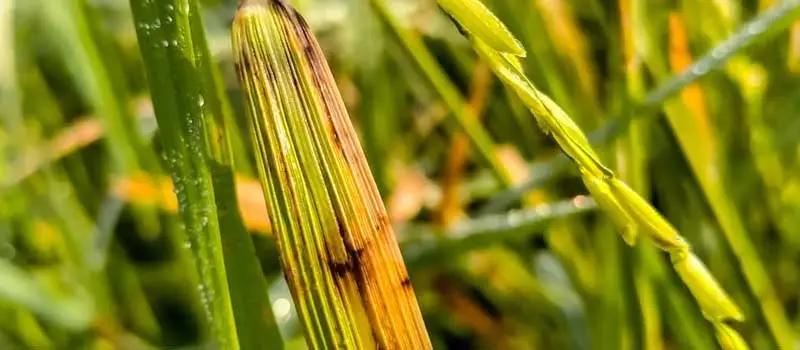
The fungal pathogen Magnaporthe oryzae is the cause of rice blast disease, and Tricyclazole 95%TC is a high-purity scientific concentrate formulation designed to fight it. This systemic fungicide stops the production of melanin in fungus cells. This stops the growth of appressoria that are needed to reach plant tissue. Tricyclazole has been shown to work well in a variety of rice farming systems. It meets the immediate need for reliable, low-cost disease control methods that protect yield quality and maximize profits for both commercial farmers and agrochemical wholesalers.
Introduction
Rice blast disease is a major economic threat to rice production worldwide. With proper growth conditions, it may reduce harvests by 30–50%. Strong, time- and money-saving, and legal fungicidal treatments are needed to overcome this issue. Due to its mechanism of action and excellent technical specifications, tricyclazole 95%TC fits these criteria.
We understand the stress that large-scale farmers, agrochemical sellers, and crop protectors face. Successful contemporary agricultural partnerships need high-quality products, reliable supply lines, competitive pricing, and skilled assistance. Our tricyclazole supply strategy considers these aims, so buyers receive a product and a complete solution supported by experienced expertise and excellent service.
This complete information covers chemical features, application, competitive advantages, and purchase procedures to help you choose tricyclazole for pest management. This paper will assist agricultural supply chain members in understanding how this fungicide offers value, whether they manage thousands of acres or service small markets.
Understanding Tricyclazole: Composition, Mode of Action, and Properties
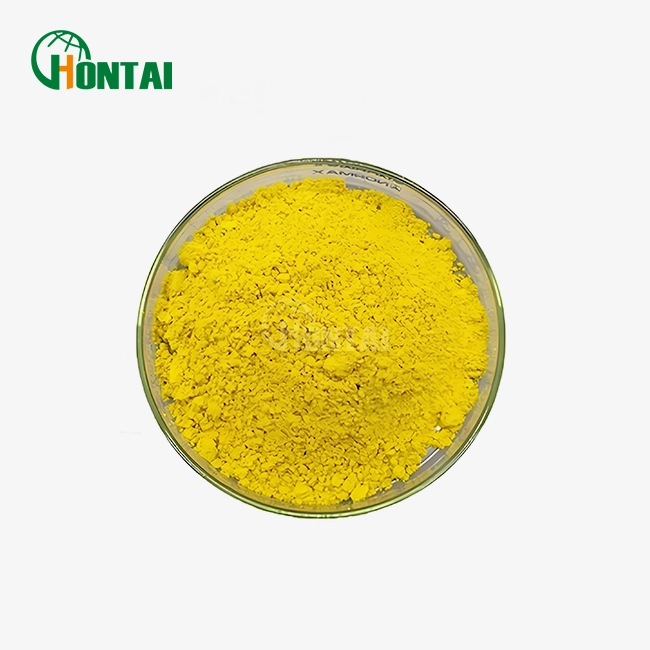
Tricyclazole is a chemical that is in the triazolo-benzothiazole group. Its EINECS number is 255-559-5, and its molecular formula is C₉H₇N₃S. The 95%TC standard means that the technical concentrate is very pure. It gives the highest amount of active ingredient that can be mixed to make wettable powders, suspension concentrates, and other goods that are ready to use.
Chemical Mechanism and Fungal Inhibition
The herbicide Tricyclazole 95%Tc inhibits melanin formation by targeting the reductase enzyme that converts 1,3,8-trihydroxynaphthalene to vermelone. Without melanin, the fungus can't build strong appressoria to break the rice plant's skin. Infections are prevented before they develop symptoms, protecting the plant throughout the seedling, tillering, and heading. Tricyclazole 95%Tc travels through xylem tissues and covers new growth acropetally, unlike contact fungicides, which must be sprayed many times.
Physical and Chemical Properties
Knowing tricyclazole's fundamental properties assists with handling, storage, and formulation. White or off-white crystalline powder with a freezing point between 187 and 188°C. It will remain stable at high temperatures during storage or transit. Solubility in water is 1.6 g/L at 25°C, allowing suspension formation with little environmental movement. It may be used with agrochemicals in tanks since it is stable at neutral, acidic, and alkaline pH levels. These features immediately assist practical applications, including decreased deterioration during storage, constant performance under various climatic conditions, and versatility in combination spray systems.
Advantages of Tricyclazole in Agricultural Pest Management
Fungicides that meet safety, environmental, and economic standards are needed in commercial agriculture because they need to work consistently. Tricyclazole stands out thanks to a number of important performance features that meet all of these needs.
Superior Disease Control Efficacy
Field tests in major rice-growing areas regularly show that tricyclazole works against all stages of blast growth, including leaf blast, node blast, and the economically important neck blast that affects grain fill and quality. When applied at the suggested rate of 200 to 400g of active ingredient per hectare, it stops 75 to 90% of diseases when there is a moderate to high infection load. The systemic activity makes sure that the protection covers leaf surfaces and panicles that grow after the spraying, which means that the program doesn't have to be reapplied as often and costs less overall.
Favorable Safety and Environmental Profile
According to WHO rules, tricyclazole is moderately dangerous when treated according to normal practices for agricultural chemicals. Exposure risks are kept to a minimum by wearing the right safety gear while mixing and applying. Studies on environmental breakdown show that the compound is broken down by microbes in soil and water, and the half-lives vary from 14 to 30 days based on the conditions. Compared to chemicals that last longer, this biodegradation pattern makes long-term waste buildup less of a problem. Because tricyclazole meets the standards of major farming markets, it stays on the approved list, which makes it easier to trade internationally and get into markets.
Resistance Management and IPM Integration
Resistance is becoming a bigger problem for all types of fungicides. Tricyclazole works differently from benzimidazoles, triazoles, and strobilurins because it targets melanin biosynthesis. This makes it useful in cycle tactics meant to delay the start of resistance. We suggest combining the use of tricyclazole with fungicides that work in different ways, especially in places where rice is grown in large amounts. Using integrated IPM systems that include resistant varieties, better water management, and a balanced diet increases long-term success while lowering the need for chemicals.
Application Methods and Best Practices for Tricyclazole 95%TC
To get the most out of tricyclazole, you need to follow application methods that have been proven to work by science and are based on the growth stage, disease pressure, and environmental factors. When implemented correctly, it has a direct effect on return on investment by reducing sickness more effectively and wasting less.
Foliar Spray Applications
Foliar spraying is the principal blast control method for established rice stands. Time is crucial during late booting and early heading, when panicles initially arise and are more prone to having neck blast infections. About 200 to 400 grams of Tricyclazole 95%Tc per hectare should be blended with 200 to 400 litres of water to cover the canopy. Spray coating and absorption are optimum when the weather is calm, the temperature is 15°C to 30°C, and the relative humidity is below 85%. Avoid wash-off losses by not applying the compound before rain. Once dried on plant surfaces, Tricyclazole 95%Tc's quick leaf absorption (1-2 hours) renders it mostly rainproof.
Seedling and Root Zone Treatments
Nursery box treatments and root dips before transplanting provide 3–4 weeks of early-season protection. This strategy saves money and works well in automated agricultural systems that prepare plants centrally. Treating seedlings with 50 to 100 grams of tricyclazole active ingredient per 100 kg of seeds or 1000 seedling trays provides systemic protection as they develop. Root dip treatments soak immature roots with fungicide before transplanting. This ensures fungicide absorption during establishment.
Storage, Handling, and Safety Protocols
Proper storage preserves product quality and keeps supply chain personnel safe. Tricyclazole 95%TC should be stored in sealed, dry, well-ventilated containers out of direct sunlight and heat. Keep storage temperatures between 5 and 35°C to avoid breaking down or crystallising. Mixers and packers must wear gloves, protective clothing, and masks to protect their lungs. Avoid polluting water sources while preparing or cleaning instruments. Local rules require empty containers to be washed three times and disposed of properly. These procedures maintain product performance and safeguard workers and the environment.
Procurement Guide: Buying Tricyclazole 95%TC for B2B Clients
Choosing where to get things has a direct effect on the success of a program because it affects the quality of the products, the dependability of the supplies, and the total cost of ownership. When you do strategic buying, you have to look at more than just the initial unit price.
Supplier Evaluation Criteria
Reliable supply ties start with certified makers who have well-established quality management systems. Checking that possible sellers keep their ISO certifications, follow good manufacturing practices, and have product registrations in the right places is something we suggest. Ask for batch analysis certificates that say the purity standards meet or go beyond the 95%TC level and that there are no flaws or isomers that could hurt performance or safety. Track records of suppliers for on-time delivery, batch regularity, and quick technical help show the difference between long-term partners and transactional sellers. Checking references with current customers is a great way to learn about how well a company really does in the real world.
Pricing Structures and Negotiation Strategies
Order number, shipping conditions, packaging requirements, and market conditions all affect the price of Tricyclazole 95%TC. For big technical materials that weigh more than 500 kg, the current market rates are usually between $12 and $18 per kilogram. At limits of 1000 kg, 5000 kg, and 10,000 kg, volume discounts become available. At bigger numbers, savings of 8–15% are possible. By negotiating yearly supply deals with scheduled deliveries, you can often get better prices and make sure that the product is available during busy application times. Knowing how much you use each year helps you make smart purchases that combine the costs of keeping inventory with the benefits of buying in bulk.
Documentation and Regulatory Compliance
When you buy something from another country, you need to provide a lot of paperwork to help with customs clearing, quality checks, and following the rules. Important papers to have are the Certificate of Analysis for each batch, Material Safety Data Sheets (MSDS), phytosanitary certificates (if needed), and product registration paperwork that shows the product is approved in the places it will be sold. Suppliers should help customers figure out how to deal with each country's import rules, marking laws, and maximum leftover limits that affect final uses. This framework for paperwork protects buyers from shipment delays, regulatory violations, and product rejections that could stop the supply chain.
Why Tricyclazole 95%TC Is the Preferred Choice for Rice Blast Management
You must assess several performance parameters against operational realities and strategy objectives to pick the optimal fungicide. Tricyclazole is routinely the top option among company manufacturers and distributors due to its field performance and practical value delivery.
The material only acts on rice blast, so it may be utilised in certain conditions without covering a larger area, which can be costly and risky. This tailored approach reduces environmental pollutants while effectively preventing illnesses. Farms may utilise a variety of management systems and automation levels since they are compatible with foliar sprays and plant treatments. The favourable safety profile makes training easy and reduces concerns compared to more harmful compounds that need additional safety precautions.
New formulas and distribution techniques are being studied to make the product waterproof, longer-lasting, and simpler to apply. These modifications make tricyclazole one of the next generation of ecologically acceptable agricultural inputs that fulfil high output and environmental demands. Aligning rules in key rice-producing nations maintains market entrance, supporting long-term investments in application tools and operator training. Tricyclazole's well-known resistance control profile makes it effective in rotation strategies that extend the life of many fungicide classes.
Profitability comes from yield protection, food quality, and program cost reduction. Field evidence from intensive rice systems in Asia, Latin America, and the US supports tricyclazole's economic benefit in many growth conditions. These real-world outcomes give customers the confidence to make significant purchases and software integration commitments.
Conclusion
Tricyclazole 95%TC has been shown to effectively control rice blast through its melanin biosynthesis blocking mechanism. This protects the whole plant and keeps the yield potential high during sensitive crop stages. The compound's technical properties—high purity, temperature stability, systemic movement, and wide range of applications—meet the needs of commercial agriculture while still having good safety and environmental qualities. Strategic buying from certified makers guarantees the quality of the products, compliance with regulations, and supply stability that are needed for long-term integration into pest control programs to work well. Agricultural workers can get the most out of their tricyclazole investments and work toward long-term disease control goals by learning about application methods, resistance management principles, and best practices for sourcing.
FAQ
1. What is the recommended pre-harvest interval for tricyclazole applications?
Depending on the formulation, treatment rate, and local rules, pre-harvest gaps for tricyclazole are usually between 14 and 30 days. Always check the labels and area rules to make sure you're following the maximum residue limits in the places you're going to. Producers who want to export should check the MRL standards of the countries they are buying from because some markets have stricter rules that require longer intervals.
2. Can tricyclazole be tank-mixed with other agrochemicals?
In general, tricyclazole works well with popular poisons used on rice and other types of fungicides. Before mixing on a big scale, we suggest doing tests in a jar. This is especially important when mixing with emulsifiable concentrates that could change the structure of the suspension. Keep the right amount of movement going while applying to keep it from sticking. Do not mix with materials that are very alkaline because they could speed up the breakdown process.
3. How should bulk tricyclazole shipments be stored to maintain quality?
Keep technical equipment in its original, sealed cases in climate-controlled areas that keep the temperature between 5 and 35°C and the relative humidity below 70%. Make sure there is enough air flow and that the area is kept away from food, animal feed, and other things that won't work together. Implement store movement to get rid of older items first. Tricyclazole 95%TC stays in good quality for 24 to 36 months after it was made, as long as it is stored properly.
Partner With Hontai for Reliable Tricyclazole Supply Solutions
The company Hebei Hontai Biotech Co., Ltd. makes high-purity tricyclazole 95%TC and goods that meet world quality standards. Our expert concentrates go through strict quality control to make sure that it always meets the purity standards, has low impurity rates, and works at their best. As a company with a lot of experience making tricyclazole, we help industrial makers, agrochemical wholesalers, and crop protection companies by offering a variety of packing choices, low bulk prices, and all the paperwork needed for foreign trade.
Our trained sales team can help you choose the right product, follow the right application processes, and make sure you're following all the rules. They can do this while keeping your operational needs in mind. Fast global transportation infrastructure makes sure that arrival times are reliable and match up with important application windows during planting seasons. We offer private labeling, customizable formulation development, and technical help that lasts beyond the original release of the product to make sure it works well in the field.
Get in touch with our experts at admin@hontai-biotech.com to talk about your rice blast control needs and find out how our tricyclazole solutions can help your business. We build long-lasting relationships based on high-quality products, reliable supplies, and a shared desire to see agriculture succeed.
References
1. Yamaguchi, I., & Fujimura, M. (2005). Recent topics on the action mechanisms of fungicides. Journal of Pesticide Science, 30(4), 67-74.
2. Kato, T., & Kawase, Y. (1985). Mode of action of tricyclazole: Mechanism of melanin biosynthesis inhibition. Journal of Agricultural and Food Chemistry, 33(3), 416-421.
3. Castroagudín, V. L., Ceresini, P. C., & Oliveira, S. C. (2015). Resistance to QoI fungicides is the main risk factor for field control failure of rice blast. Plant Disease, 99(8), 1063-1070.
4. Webster, R. K., & Gunnell, P. S. (1992). Compendium of Rice Diseases. St. Paul: American Phytopathological Society Press.
5. Ou, S. H. (1985). Rice Diseases (2nd Edition). Commonwealth Mycological Institute, Kew, Surrey, England.
6. Howard, R. J., Ferrari, M. A., Roach, D. H., & Money, N. P. (1991). Penetration of hard substrates by a fungus employing enormous turgor pressures. Proceedings of the National Academy of Sciences, 88(24), 11281-11284.
Our customers’ satisfaction speaks for our quality — contact us to experience the same reliable service.