- English
- French
- German
- Portuguese
- Spanish
- Russian
- Japanese
- Korean
- Arabic
- Greek
- German
- Turkish
- Italian
- Danish
- Romanian
- Indonesian
- Czech
- Afrikaans
- Swedish
- Polish
- Basque
- Catalan
- Esperanto
- Hindi
- Lao
- Albanian
- Amharic
- Armenian
- Azerbaijani
- Belarusian
- Bengali
- Bosnian
- Bulgarian
- Cebuano
- Chichewa
- Corsican
- Croatian
- Dutch
- Estonian
- Filipino
- Finnish
- Frisian
- Galician
- Georgian
- Gujarati
- Haitian
- Hausa
- Hawaiian
- Hebrew
- Hmong
- Hungarian
- Icelandic
- Igbo
- Javanese
- Kannada
- Kazakh
- Khmer
- Kurdish
- Kyrgyz
- Latin
- Latvian
- Lithuanian
- Luxembou..
- Macedonian
- Malagasy
- Malay
- Malayalam
- Maltese
- Maori
- Marathi
- Mongolian
- Burmese
- Nepali
- Norwegian
- Pashto
- Persian
- Punjabi
- Serbian
- Sesotho
- Sinhala
- Slovak
- Slovenian
- Somali
- Samoan
- Scots Gaelic
- Shona
- Sindhi
- Sundanese
- Swahili
- Tajik
- Tamil
- Telugu
- Thai
- Ukrainian
- Urdu
- Uzbek
- Vietnamese
- Welsh
- Xhosa
- Yiddish
- Yoruba
- Zulu
Kresoxim-methyl Fungicide for High-Value Crop Disease Control
share:
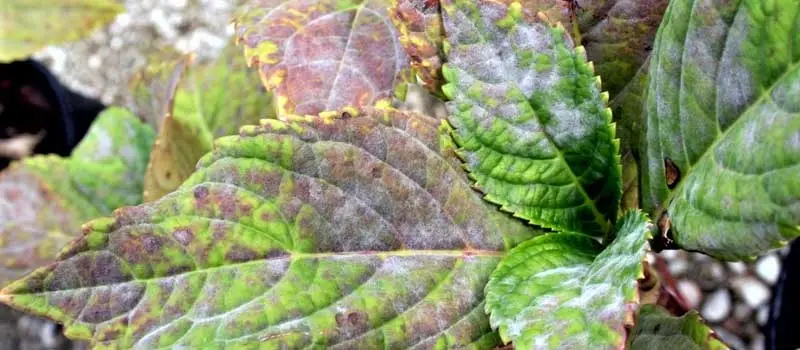
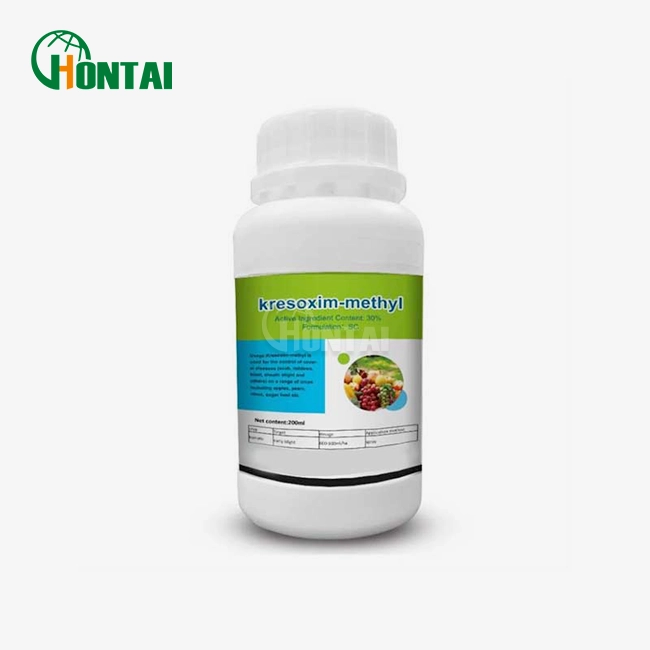
This is a strobilurin fungicide called Kresoxim-methyl. It was created to protect, heal, and get rid of fungal illnesses that threaten valuable crops. This broad-spectrum treatment stops spores from germinating by stopping mitochondrial respiration in pathogenic fungi, which controls diseases for a long time. Its special vapour-phase redistribution ability protects even raw plant surfaces. This makes it very useful for controlling scab on apples and pears, powdery mildew on many crops, like grapes and cucurbits, and different types of mildew that affect grains and sugar beets. Hontai has high-quality Kresoxim-methyl formulations—50% WDG and 30% SC—that come from Hebei, China. These are solid options for large-scale farmers, wholesalers, and crop protection experts who want products that work and follow the rules.
Understanding Kresoxim-Methyl Fungicide: Composition, Mode of Action, and Benefits
Chemical Structure and Formulation Versatility
Kresoxim-methyl (C18H19NO4) advances synthetic strobilurin research. It used mushroom compounds that decompose wood. Hontai's formulas meet 50% purity, the maximum required for active ingredient efficacy. White, crystalline granules of the chemical are meticulously processed into transport systems adapted for varied agricultural environments.
Business has two major formats. Water Dispersible Granules (WDG) eliminate dust and distribute swiftly and evenly in tanks. This greatly benefits automated spray systems that cover hundreds of hectares. SCs discharge small particles into water-based solid carriers. This extends their shelf life and treatment possibilities. WDG prevents high-pressure equipment nozzles from clogging, while SC provides even coverage without the phytotoxicity hazards of solvent-heavy products.
Mechanism of Disease Suppression
The herbicide targets the fungus's mitochondrial cytochrome bc1 complex as a Quinone outside Inhibitor (QoI). This molecular process prevents cells from producing energy, preventing spores from developing into a disease. The mesostemic chemical sticks to leaf wax layers and moves with gas activity. This two-step procedure protects practically the whole plant, reaching untreated portions and creating safe spaces even in dense trees where spraying is difficult.
Besides battling sickness, the chemical provides physiological advantages that are typically overlooked in buying requirements. Field experiments often indicate a "greening effect"—increased nitrate reductase activity that boosts photosynthesis under biotic stress. Leaf senescence is prolonged on commercial wheat fields, extending grain filling and increasing yields even when disease load is minimal.
Broad-Spectrum Efficacy Across Crop Systems
Kresoxim-methyl kills fungal infections in several crops. Apple scab (Venturia inaequalis) and powdery mildew (Podosphaera leucotricha) are controlled in pome fruit farms to maintain the fruit's high-quality finish for premium market placement. Its ability to destroy Uncinula necator helps grape farmers maintain usable harvests in humid locations. The capacity to defend against cucurbit powdery mildew (Sphaerotheca fuliginea) helps vegetable farmers prolong harvest dates and reduce post-harvest losses.
Cereals attack many microorganisms. The chemical Kresoxim-methyl 10% treats wheat and barley eyespot, Septoria leaf blotch, and rust. Sugar beetroot growers use the proper pesticides at the right time to battle Erysiphe betae. This protects the leaf cover during sugar accumulation. Wholesalers can serve several agricultural markets while keeping stock low.
Optimizing Application: Usage Guidelines, Dosage, and Tank Mix Compatibility
Strategic Timing and Crop-Specific Dosage
Application success requires carefully timed pathogen vulnerability windows. Preventative programs treat before symptoms appear using the compound's spore-preventing capacity. Orchardists use it from leaf green to petal fall. Shields prevent primary scab infections. Cereal farmers seek flag leaf sprouting during rust-prone periods.
Crop type and disease severity determine dosage. Apple and pear orchards require 200 to 300 grams of active ingredient per hectare, distributed every 7 to 14 days depending on conditions. Grape treatments range from 150 to 200 g/ha, adjusted for canopy density and mildew frequency. Wheat programs utilize 100–150 g/ha to balance disease prevention and resistance. For field crops, 300–600 litres per hectare and 800–1500 litres for high-density trees are recommended to provide coverage.
Tank Mixing Considerations and Compatibility
Kresoxim-methyl increases integrated disease control and application efficiency when coupled with compatible agrochemicals. The chemical works well with various herbicides, fungicides, and leaf fertilizers. Combining triazole fungicides prevents resistance and kills more infections. It's extremely useful for cultivating expensive foods.
Consider compatibility concerns. Organosilicone adjuvants and other emulsifiable extracts may increase leaf penetration, harming susceptible plants. Before using, McIntosh, Gala, and Cox apples must be tested for variety since they are more sensitive. Jar testing is still needed for new tank mix partners. These tests demonstrate physical stability over 30 minutes.
Rainfastness affects application scheduling. It absorbs fast into waxy skin because it is lipophilic. It normally loses waterproofness after one to two hours. This feature reduces thunderstorm losses by giving you more scheduling choices than fully contact fungicides.
Storage and Handling Protocols
Products must be well-maintained from the warehouse to the field to maintain investment value and performance. Formulations should be stored in their original, covered containers between 0°C and 35°C, free of direct sunlight and dampness. Water Dispersible Granules (WDG) products can endure temperature variations better than liquid concentrates, which helps enterprises without climate-controlled storage facilities.
Standard agrochemical handling follows worker safety guidelines. When mixing and packaging chemicals, chemical-resistant gloves, eye protection, and long-sleeved garments safeguard your skin. Adequate airflow in mixing regions reduces particle exposure. Even while WDG combinations create less dust than conventional wettable powders, this is crucial.
Kresoxim-Methyl Resistance Management and Environmental Impact
Integrated Resistance Mitigation Strategies
Kresoxim-methyl, a FRAC Group 11 fungicide, must be monitored for resistance. Single-point cytochrome b gene alterations make fungal populations resistant. Under selection pressure, resistant forms proliferate swiftly. Rotation is required since this product has a moderate to high resistance risk compared to multi-site contact fungicides.
We employ fungicides with diverse modes of action every two to three treatments throughout the growing season to reduce resistance. Triazole fungicides (FRAC Group 3) limit ergosterol formation via biological processes as rotation partners. Through their broad effect, multisite protectants like Kresoxim-methyl 10% increase pathogen diversity and slow tolerance.
High-value crop systems benefit from tank-mixing Kresoxim-methyl with many mechanisms of action in one dosage. This prevents disease spread and reduces the selection pressure on the defence mechanism. This method protects grain yield potential throughout critical development phases without employing all chemical instruments.
Monitoring techniques detect resistance before it spreads. Baseline changes are examined in sensitivity testing programs for pathogen groupings. This offers management early warnings to adapt. Distributors make diagnostic services simpler to acquire when they partner with agricultural service providers. This strengthens client relationships with scientific backing.
Environmental Fate and Safety Profile
This insecticide is greener than previous ones. In soil, degradation occurs swiftly, with half-lives of 10–30 days depending on microbial activity and water content. This brief duration reduces accumulation dangers while allowing disease management. In open water, photolysis and microbiological activity break down items in one to seven days.
According to the packaging instructions, it is harmless for non-target organisms. The toxicity levels for mammals are moderately safe, which means that normal safety steps are needed instead of special ones. Examine aquatic organism effects attentively. Buffer zones must be put up near sensitive water bodies since the material is moderately toxic to fish and aquatic animals. Sprayers shouldn't be used during busy bloom periods; pollinator safety ratings reveal minimal bee contact toxicity.
Worker return times vary by field and application rate, but are generally 12–24 hours. Pre-harvest periods vary from 3 days for vegetables to 35 days for fruits. This ensures nearly minimal crop residues after harvest. These variables fulfil international trade requirements with maximum residual limits (MRLs).
Comparing Kresoxim-Methyl with Other Leading Fungicides in the Market
Performance Benchmarking Against Alternative Strobilurins
Azoxystrobin and trifloxystrobin are the primary strobilurin competitors, each with its specific performance characteristics. Kresoxim-methyl provides greater vapour-phase transfer, which helps in areas with heavy canopies and poor spray penetration. This characteristic is important in ancient apple farms and thickly planted grapevines, where air circulation indirectly protects interior leaves.
Azoxystrobin moves more freely and heals faster when taken immediately after an illness. This attribute aids operations that can't precisely time their applications or cope with unpredictable weather. Trifloxystrobin has long-lasting impacts on various crop systems, thus it's less needed in low-disease areas.
Cross-resistance patterns occur throughout the strobilurin class; those resistant to one are frequently less susceptible to others. This biological fact shows that class-level alteration is necessary to switch strobilurin products. Procurement managers must emphasize this while training customers about integrated disease management.
Cost Analysis and Procurement Considerations
Bulk pricing considerably impacts seasonal disease control expenses. When purchased in bulk, Kresoxim-methyl formulations cost $25–$40 per litre for 30% SC or per kilogram for 50% WDG. Order quantity, payment method, and shipping method determine prices. Three to five treatments cost $60 to $120 per hectare, depending on dose rates and formulations, to protect high-value crops like apples and grapes all season.
Comparing cost-per-hectare to disease control efficiency shows how competitive the chemical is. It's not the cheapest per application, but curing illnesses and improving health provides it a clear return on investment via greater quality and yields. Fruit growers appreciate the compound because it keeps the finish quality good enough to sell, resulting in price differences greater than input costs.
In addition to product pricing, procurement managers should consider supply chain expenses. Shipping efficiency, durability, and handling ease impact operational efficiency. When you buy many WDG formulation containers, you save on shipping and stock space since each active component takes up less space.
How to Procure Kresoxim-Methyl Fungicide: Supplier Selection and Purchase Tips
Evaluating Manufacturer Credentials and Quality Assurance
Supplier reliability is crucial to strong purchasing agreements. Manufacturers who follow ISO, GMP, and quality control standards ensure that all their goods operate the same. Hontai, situated in Hebei, China, has regulatory certifications like PD20090969 that demonstrate its commitment to international standards.
Product documentation normally comprises safety data sheets, certificates of analysis, and government approvals, although market requirements vary. When suppliers provide detailed technical data sheets on physical attributes, stability, and usage, customs clearance and product delivery are easy. Clients who need to follow export and government procurement laws benefit from this documentation.
Sample review tools allow you to try them before investing. Trustworthy dealers provide samples from current manufacturing batches. This allows physical product inspection and field testing. Test programs identify spray programs that may not operate and increase supplier stability.
Logistics Planning for Bulk Orders
International packages need coordination with many people and locations. Most money is saved by optimizing container loads. Each 20-foot container can accommodate 80 to 100 200-litre drums of liquid Kresoxim-methyl SC formulations and 10 to 12 tonnes of Kresoxim-methyl WDG formulation in 25-kilogram bags. From order confirmation to port arrival, lead times are 30–45 days. It involves organizing manufacturing, shipping to the beginning port within the nation, crossing the ocean, and passing customs.
Kresoxim-methyl formulations don't require temperature-controlled shipping since they're stable. Handling is easier than delivering temperature-sensitive agrochemicals. This makes shipping arrangements more flexible and less reliant on seasonal refrigerated container supply difficulties.
Plan for adequate storage at the ultimate destination to keep items in excellent condition till distribution. Facilities should protect individuals from severe temperatures and dampness and provide adequate air to prevent vapour buildup in confined spaces. Distributors with numerous product lines may minimize cross-contamination by separating fungicides and manure.
Building Strategic Supplier Partnerships
Long-term supplier relationships benefit both parties beyond pricing. When suppliers can understand what consumers want, they can plan production and procure raw materials more effectively, resulting in more competitive prices. Buyers may gain priority during supply shortages, get professional support, and collaborate to build new goods for growing markets.
Customization makes firms stand out. OEM and ODM enable you to utilize your own brand and customize packages for your market. These arrangements benefit local distributors who want to expand their brands while using the maker's technical expertise and manufacturing scale.
Technical support enhances end-user value. When suppliers give agricultural, application, and resistance control guidance, customers benefit most. Hontai's specialist sales staff and technical expertise aid industrial farmers worldwide with a wide variety of agricultural issues.
Conclusion
Through its unique mix of preventing, treating, and getting rid of diseases, Kresoxim-methyl provides complete disease control for high-value farming systems. The compound works in more than one way. It stops spores from germinating and changes the spread of vapour. This gives solid control over a wide range of pathogen problems that affect grains, fruits, veggies, and specialty crops. For rollout to go well, you need to know about application timing, how to calibrate the dosage, and how to integrate it into resistance management systems that keep the long-term effectiveness. When procurement workers look at supply sources, they should give more weight to manufacturers that can show consistent quality, full legal compliance, and expert help. The compound is good for the environment and has been shown to help crops. This makes it a great choice for businesses that need to protect crops effectively and use sustainable farming methods that keep up with changing market needs.
FAQ
1. What crops benefit most from kresoxim-methyl applications?
Treatments with Kresoxim-methyl are very good for high-value crops like apples, pears, grapes, and many types of veggies. The chemical is very good at getting rid of scab diseases in pome fruits, powdery mildew in many types of crops, and different rust and leaf spot pathogens that hurt grains. Its defensive properties are especially valuable for crops that need a high-end finish for sales at the fresh market. The compound's natural benefits include better photosynthesis and later senescence, which are helpful for even crops that don't have many diseases.
2. How does kresoxim-methyl compare to other fungicides regarding worker safety?
The safety rating of Kresoxim-methyl is better than that of many older fungal chemicals. Because it is moderately acutely toxic, normal personal protective equipment, like chemical-resistant gloves, eye protection, and protective clothes, must be worn when handling and applying it. Like most modern fungicides, reentry times are usually between 12 and 24 hours, based on the crop and the amount that was applied. When users follow the label's safety instructions, the chemical doesn't pose many long-term health risks. Environmental safety ratings show low toxicity to non-target organisms, but marine organisms need buffer zones to be set up near sensitive water bodies.
3. What resistance management strategies work best with kresoxim-methyl?
For effective resistance control, Kresoxim-methyl should only be used two to three times a season, and it should be alternated with fungicides from different FRAC groups. Triazole fungicides work in two different ways that work well together in rotation plans. Selection pressure is lowered even more by mixing multisite protectants in the tank or using different modes of action for each application. When you keep an eye on disease populations for changes in how sensitive they are, you can find tolerance developing early, before it affects a lot of people. These combined methods keep the compound's long-term usefulness in crop safety programs while keeping its ability to stop diseases.
Partner with Hontai for Premium Kresoxim-methyl Solutions
Finding a reliable Kresoxim-methyl provider will help you protect your crops with tried-and-true disease control technology. Hebei Hontai Biotech Co., Ltd. makes high-quality Kresoxim-methyl products that are 50% WDG and 30% SC. They do this by ensuring strict quality control and following all international rules and regulations. In addition to delivering products around the world, our agricultural service includes custom packaging options, detailed technical paperwork, and expert agronomic advice that is suited to the needs of your market. Fast global logistics make sure that shipments happen on time, which helps keep production plans on track in a number of growth areas. Our professional team is here to help you with your specific farming problems, whether you're a distributor looking to offer more products or a large-scale business trying to make disease control programs work better. Get in touch with us at admin@hontai-biotech.com to get product specifications, cheap quotes, or expert advice. We are a reliable Kresoxim-methyl manufacturer that wants your business to succeed.
References
1. Bartlett, D.W., Clough, J.M., Godwin, J.R., Hall, A.A., Hamer, M., and Parr-Dobrzanski, B. (2002). The strobilurin fungicides. Pest Management Science, 58(7), 649-662.
2. Fernández-Ortuño, D., Torés, J.A., de Vicente, A. y Pérez-García, A. (2008). Mechanisms of resistance to QoI fungicides in phytopathogenic fungi. International Microbiology, 11(1), 1-9.
3. Hewitt, H.G. (1998). Fungicides in Crop Protection. CAB International, Wallingford, United Kingdom.
4. Russell, P.E. (2005). A century of fungicide evolution. Journal of Agricultural Science, 143(1), 11-25.
5. Vincelli, P. and Dixon, E. (2002). Resistance to QoI (strobilurin-like) fungicides in isolates of Pyricularia grisea from perennial ryegrass. Plant Disease, 86(3), 235-240.
6. Gisi, U., Sierotzki, H., Cook, A., and McCaffery, A. (2002). Mechanisms influencing the evolution of resistance to Qo inhibitor fungicides. Pest Management Science, 58(9), 859-867.
Our customers’ satisfaction speaks for our quality — contact us to experience the same reliable service.