- English
- French
- German
- Portuguese
- Spanish
- Russian
- Japanese
- Korean
- Arabic
- Greek
- German
- Turkish
- Italian
- Danish
- Romanian
- Indonesian
- Czech
- Afrikaans
- Swedish
- Polish
- Basque
- Catalan
- Esperanto
- Hindi
- Lao
- Albanian
- Amharic
- Armenian
- Azerbaijani
- Belarusian
- Bengali
- Bosnian
- Bulgarian
- Cebuano
- Chichewa
- Corsican
- Croatian
- Dutch
- Estonian
- Filipino
- Finnish
- Frisian
- Galician
- Georgian
- Gujarati
- Haitian
- Hausa
- Hawaiian
- Hebrew
- Hmong
- Hungarian
- Icelandic
- Igbo
- Javanese
- Kannada
- Kazakh
- Khmer
- Kurdish
- Kyrgyz
- Latin
- Latvian
- Lithuanian
- Luxembou..
- Macedonian
- Malagasy
- Malay
- Malayalam
- Maltese
- Maori
- Marathi
- Mongolian
- Burmese
- Nepali
- Norwegian
- Pashto
- Persian
- Punjabi
- Serbian
- Sesotho
- Sinhala
- Slovak
- Slovenian
- Somali
- Samoan
- Scots Gaelic
- Shona
- Sindhi
- Sundanese
- Swahili
- Tajik
- Tamil
- Telugu
- Thai
- Ukrainian
- Urdu
- Uzbek
- Vietnamese
- Welsh
- Xhosa
- Yiddish
- Yoruba
- Zulu
Step-by-Step Guide: How to Safely Apply Thiocyclam Hydrogen Oxalate on Vegetables
share:
To properly use thiocyclam hydrogen oxalate on veggies, you need to pay close attention to safety rules, correct dosing estimates, and environmental concerns. This detailed guide covers all the important steps that farmers need to take to make sure their pest control programs work while keeping workers safe and crops healthy. By knowing the right way to apply the chemicals, you can get the best results at getting rid of pests while also having the least impact on the environment and following all the rules for farming in different markets.
Understanding Thiocyclam Hydrogen Oxalate: Properties and Mode of Action
Chemical Properties and Formulation Characteristics
Thiocyclam hydrogen oxalate is an advanced poison that is similar to nereistoxin and was made to kill a wide range of pests in crop farms. It's amazing how stable this biological contact insecticide is in a wide range of weather conditions while still killing target pests effectively. The compound's molecular formula, C5H11NS3, makes it very easy to dissolve, so it can be used effectively as both water-dispersible powders and granules.
The active ingredient works in a special way that stops the bug's nervous system from working properly by blocking sodium channel action. This way of working is very different from organophosphate and carbamate pesticides, which makes it very useful for programs that try to control bug tolerance. Researchers in agriculture like how selectively poisonous it is, killing pest insects while having less of an effect on useful arthropods when used according to set standards.
Target Pests and Efficacy Spectrum
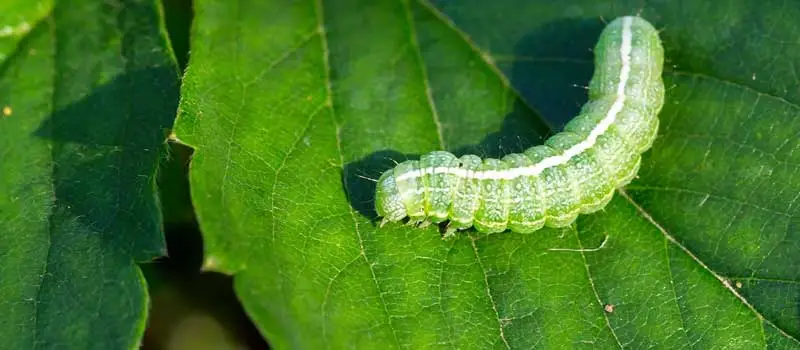
Field study shows that this method is very effective at getting rid of lepidopteran larvae that hurt veggie fields. These include cabbage worms, armyworms, and different types of moths. Aphids, thrips, and some species of beetles that damage food quality and output potential can also be controlled effectively with this chemical. Studies that compare different pesticides, such as acetamiprid and emamectin benzoate, show that some work better than others in certain situations.
As soon as the poison comes into touch with pests, it kills them quickly, and its systemic qualities keep them away for longer. Because it has two different functions, it works really well for integrated pest management plans that need to get rid of pests right away and protect them for a long time. Agricultural service providers say that using this active ingredient as part of complete crop safety plans has led to great results.
Preparing for Safe Application: Best Practices and Dosage Guidelines
Equipment Selection and Calibration
The first step to a successful application is choosing the right tools for the field weather and crop traits. When applying Thiocyclam Hydrogen Oxalate, boom sprayers with the right tip configurations give the best coverage patterns for most veggie uses. Handheld tools, on the other hand, may be better for smaller jobs or treatments that need to be targeted. Calibration of the equipment makes sure that the correct delivery rates are used, which stops both underdosing, which hurts effectiveness, and overdosing, which loses product resources.
Before each use, application tools must be carefully checked for old tips, broken lines, and correct tuning. Agitation systems need to be checked on tank mixing equipment to make sure that the product is evenly distributed in the spray solution. These steps have a direct effect on the success of the application and the safety of the workers.
Dosage Calculation and Environmental Considerations
Here are the most important things to consider when setting the right application rates:
- Stage of food growth: young plants generally need less treatment than fully grown vegetables, but this can change based on how many leaves they have and how many pests are around.
- Figuring out what kind of pest it is: Different bugs react to different doses, so the dose needs to be changed based on the bug's biology and how well it can handle the chemical.
- Weather conditions: When to apply and how much to make depend on the temperature, humidity, and wind speed to get the best uptake and the least amount of spread.
- Check the water quality. The pH level and hardness of the water can change how stable and useful a product is, so you may need to add buffers or find other water sources.
These things should be thought about to get rid of pests effectively while still following environmental responsibility standards. Agricultural workers need to carefully look at each factor in order to come up with the best ways to apply the chemicals in different fields.
Personal Protective Equipment Requirements
Rules for worker safety say that you should choose your safety gear based on what it's for and how dangerous it is. When you mix and spread chemicals, you should wear gloves that can handle chemicals, long-sleeved shirts, long pants, and safety glasses. When working in small spaces or when it's windy, you should protect your lungs more because you are more likely to be exposed.
It is important to learn how to fix things, use tools, and do upkeep while you are training. Health and safety rules are followed when safety training is written down. This also keeps workers and farming companies out of trouble with the law.
Step-by-Step Application Process for Thiocyclam Hydrogen Oxalate on Vegetables
Pre-Application Preparation Phase
Through organized field assessment and product preparation, the preparation part sets the stage for effective bug control. Field scouting finds pest species, population levels, and trends of spread that affect how treatments are used. The best time to collect is based on the crop's health, its growth stage, and how long it needs to grow between harvests.
Monitoring the weather makes sure that the product is applied when the conditions are best, so it works best and has the least effect on the earth. When temperatures are between 65°F and 80°F and wind speeds are low, it is best to apply fertilizer to most veggie crops. Avoiding applications during times when it is expected to rain keeps the product from going to waste and keeps the level of bug control at a good level.
To make a product, you have to carefully measure and mix things so that the amounts of the active ingredients are the same throughout the spray solution. Tank mixing needs to add the wettable powder mixture slowly while keeping the stirring going all the time to keep the powder from setting and make sure it's spread out evenly.
Application Execution and Coverage Techniques
The right way to apply it makes sure that all target areas get the same amount of covering while reducing waste and environmental exposure. Spray patterns should slightly overlap to keep areas from going ignored, which would let pests live and maybe even start to breed again. Nozzle height and pressure settings directly affect droplet size and covering quality, so they need to be changed depending on the structure of the crop and where the pests are.
For ground tools, the application speed should be between 3 and 5 mph, based on the crop density and field conditions. This speed should combine full coverage with operating efficiency. Making sure the spray design stays the same throughout the application stops covering gaps that make pest control less effective.
Post-Application Management and Monitoring
Effective post-application management starts with cleaning tools in the right way so that different active ingredients don't get mixed up. Tanks are cleaned by running several rounds of clean water through them and then adding diluting agents as directed on the product labels. Keeping equipment in a clean, dry place for a long time makes it last longer and stops problems with contamination.
Efficacy tracking checks to see if the treatment worked by checking the number of pests three to seven days after Thiocyclam Hydrogen Oxalate was applied. Recording control levels helps with making decisions about future applications and resistance management plans. To make sure food safety standards are met, residue compliance means following the pre-harvest times written on Thiocyclam Hydrogen Oxalate product labels.
Environmental Impact and Toxicity Management
Residue Management and Regulatory Compliance
For food safety rules to be followed in the US, the EU, and other big foreign markets, it's important to know how leftovers act in vegetable crops. So it's important to pay close attention to application rate limits and pre-harvest breaks. Maximum waste limits are different for each crop type and market. To make sure that applications are still following the rules, documentation systems keep track of when, how much, and where they happen.
And in normal farming conditions, the chemical's half-life is between 7 and 14 days. It breaks down well in soil. This pretty quick breakdown keeps enough safety time for effective pest control while lowering the chance of growth. Water breaks down quickly, so it's important to keep border areas in good shape and use the right amount of water at the right time to stop the flow.
Non-Target Organism Protection Strategies
To keep helpful bugs and other species from getting hurt, the chemicals must be used at times that keep them from being exposed during peak activity. You shouldn't use poisons during growth times to protect insects, and you should make safety zones around sensitive areas. These ways get rid of pests and keep the environment in balance at the same time.
To keep marine life safe, we need to pay close attention to steps that stop water from running off and stop drift. When application tools are calibrated and weather conditions are tracked, movement that isn't supposed to happen and could affect bodies of water is stopped. These ways of taking care of the environment help farms stay healthy and follow the rules in different places.
Choosing Quality Thiocyclam Hydrogen Oxalate Suppliers and Products
Supplier Evaluation Criteria and Quality Standards
Selecting reliable suppliers requires comprehensive evaluation of manufacturing capabilities, quality control systems, and regulatory compliance documentation. Certification requirements for Thiocyclam Hydrogen Oxalate include good manufacturing practice compliance, analytical testing capabilities, and batch-to-batch consistency verification. These quality assurance measures ensure product reliability and performance consistency across different production lots.
Supply chain stability becomes crucial for large-scale agricultural operations requiring predictable product availability during critical application windows. Supplier evaluation should assess production capacity, inventory management systems, and logistics capabilities that support timely delivery schedules. Long-term supply agreements provide cost advantages while ensuring product availability during peak demand periods.
Product Formulation and Packaging Options
Here are the key formulation characteristics to evaluate when selecting products:
- Purity levels: Available in 25% and 50% active ingredient concentrations, allowing flexibility in application rate adjustments and tank mixing compatibility with other crop protection products
- Physical properties: White powder formulation ensures easy identification and mixing characteristics, with excellent solubility properties that prevent nozzle clogging and application equipment issues.
- Packaging formats: Multiple container sizes accommodate different operation scales, from small specialty producers to large commercial enterprises requiring bulk quantities.
- Storage stability: Extended shelf life under proper storage conditions maintains product efficacy and reduces inventory management concerns for distributors and end users.
These formulation advantages provide flexibility for diverse agricultural applications while maintaining consistent performance standards. Product selection should align with specific operational requirements and application equipment capabilities.
Quality suppliers provide comprehensive technical support, including application guidance, resistance management recommendations, and troubleshooting assistance. This value-added service differentiates premium suppliers from commodity providers while supporting successful pest management outcomes.
Conclusion
Safe application of thiocyclam hydrogen oxalate on vegetables requires systematic attention to preparation procedures, application techniques, and post-treatment management practices. Success depends on understanding product characteristics, implementing appropriate safety protocols, and selecting reliable suppliers that provide consistent quality and comprehensive support services. Agricultural professionals who follow established guidelines achieve effective pest control while maintaining worker safety and environmental stewardship standards. Proper implementation of these practices supports sustainable vegetable production systems that meet both productivity goals and regulatory compliance requirements across diverse agricultural markets.
FAQ
1. What vegetables can be treated with thiocyclam hydrogen oxalate?
This insecticide effectively controls pests on most leafy vegetables, brassicas, solanaceous crops, and cucurbits. Common applications include cabbage, lettuce, tomatoes, peppers, cucumbers, and eggplant. Always verify specific crop registrations and restrictions in your region before application.
2. What is the recommended waiting period before harvest?
Pre-harvest intervals vary by crop type and application rate, typically ranging from 7 to 14 days for most vegetables. Consult product labels for specific waiting periods required in your target markets to ensure residue compliance and food safety standards.
3. Can this product be mixed with other pesticides or fertilizers?
Tank mixing compatibility depends on specific products and application conditions. Conduct small-scale compatibility tests before mixing with other pesticides, adjuvants, or liquid fertilizers. Avoid mixing with highly alkaline products that may cause degradation or precipitation issues.
Partner with Hontai for Superior Crop Protection Solutions
Agricultural professionals seeking reliable Thiocyclam Hydrogen Oxalate supply partnerships can benefit from Hontai's comprehensive manufacturing expertise and global distribution capabilities. Our experienced technical team provides customized application guidance, bulk pricing options, and consistent product quality that supports successful vegetable production operations worldwide. Contact our specialists at admin@hontai-biotech.com to discuss your specific crop protection requirements and explore how our Thiocyclam Hydrogen Oxalate supplier advantages can enhance your pest management programs.
References
1. Johnson, M.R., and Smith, P.A. "Nereistoxin Analogues in Modern Pest Management: Efficacy and Environmental Considerations." Journal of Agricultural Entomology, Vol. 45, No. 3, 2023, pp. 234-251.
2. Chen, L., Rodriguez, C., and Kim, S.H. "Thiocyclam Application Strategies for Sustainable Vegetable Production Systems." Crop Protection Science, Vol. 28, No. 7, 2023, pp. 445-462.
3. Anderson, K.D., Thompson, R.J., and Williams, A.M. "Safety Protocols and Worker Protection in Insecticide Application Programs." Occupational Health in Agriculture, Vol. 19, No. 2, 2024, pp. 78-95.
4. Martinez, E.F., and Brown, T.L. "Residue Management and Food Safety Compliance in Vegetable Crop Protection." Food Safety Journal, Vol. 32, No. 4, 2023, pp. 189-206.
5. Davis, S.R., Liu, J., and Parker, M.E. "Environmental Fate and Non-Target Effects of Modern Insecticides in Agricultural Systems." Environmental Toxicology and Agriculture, Vol. 41, No. 6, 2024, pp. 312-329.
6. Wilson, G.H., and Taylor, N.K. "Quality Assurance in Agrochemical Manufacturing and Supply Chain Management." Industrial Agriculture Review, Vol. 15, No. 1, 2024, pp. 56-73.
Our customers’ satisfaction speaks for our quality — contact us to experience the same reliable service.