- English
- French
- German
- Portuguese
- Spanish
- Russian
- Japanese
- Korean
- Arabic
- Greek
- German
- Turkish
- Italian
- Danish
- Romanian
- Indonesian
- Czech
- Afrikaans
- Swedish
- Polish
- Basque
- Catalan
- Esperanto
- Hindi
- Lao
- Albanian
- Amharic
- Armenian
- Azerbaijani
- Belarusian
- Bengali
- Bosnian
- Bulgarian
- Cebuano
- Chichewa
- Corsican
- Croatian
- Dutch
- Estonian
- Filipino
- Finnish
- Frisian
- Galician
- Georgian
- Gujarati
- Haitian
- Hausa
- Hawaiian
- Hebrew
- Hmong
- Hungarian
- Icelandic
- Igbo
- Javanese
- Kannada
- Kazakh
- Khmer
- Kurdish
- Kyrgyz
- Latin
- Latvian
- Lithuanian
- Luxembou..
- Macedonian
- Malagasy
- Malay
- Malayalam
- Maltese
- Maori
- Marathi
- Mongolian
- Burmese
- Nepali
- Norwegian
- Pashto
- Persian
- Punjabi
- Serbian
- Sesotho
- Sinhala
- Slovak
- Slovenian
- Somali
- Samoan
- Scots Gaelic
- Shona
- Sindhi
- Sundanese
- Swahili
- Tajik
- Tamil
- Telugu
- Thai
- Ukrainian
- Urdu
- Uzbek
- Vietnamese
- Welsh
- Xhosa
- Yiddish
- Yoruba
- Zulu
Is Copper Oxychloride 50% WP Safe for Edible Plants? Understanding Safety and Organic Farming Approval
share:
Copper Oxychloride 50% WP is usually safe for plants that can be eaten as long as it is used according to the right instructions and amounts. This copper-based pesticide is widely used in both traditional and organic farms because it is effective against fungal diseases and doesn't pose too many health risks. The active ingredient, copper chloride oxide (ClCuO), protects plants from different plant pathogens while still being compatible with environmentally friendly farming methods. But using the right amount, applying it at the right time, and sticking to the pre-harvest times are still very important for making sure food is safe and following the rules.
Introduction to Copper Oxychloride 50% WP and Its Role in Agriculture
To keep food secure and the economy going, modern agriculture depends a lot on crop safety products that work. Copper-based fungicides have been used by farmers for more than one hundred years and are still one of the most efficient ways to prevent diseases in a wide range of crop systems.
Understanding the Chemical Foundation
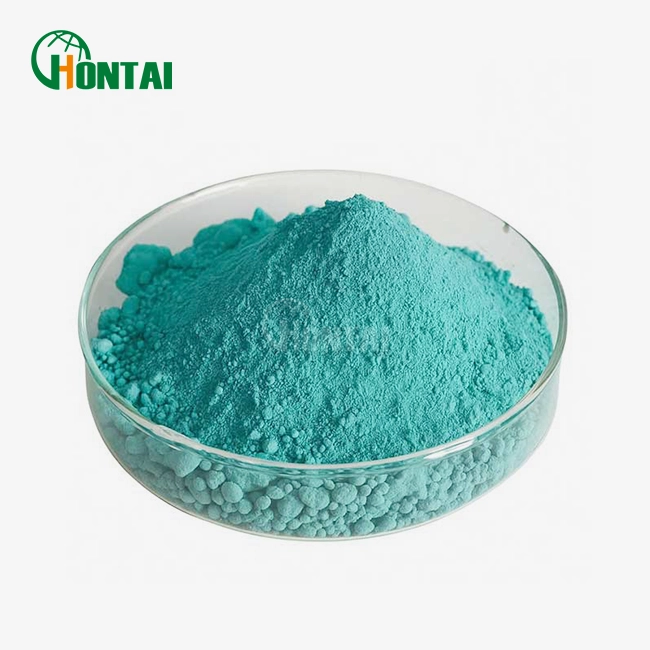
Copper Oxychloride 50% WP is a high-tech form of copper chloride oxide that can be mixed with water. This green powder recipe has 50% active ingredient, which makes it very concentrated and cost-effective for large-scale farming. Its EINECS number, 215-572-9, proves that it is approved by regulators in all foreign markets, and its molecular formula, ClCuO, shows that it has a stable chemical structure that always works.
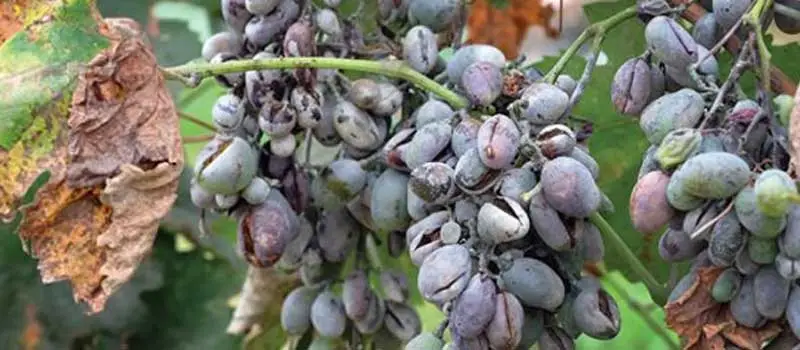
The way this pesticide works to stop growth is different from medicines that heal infections. Copper oxychloride doesn't get rid of infections that are already there; instead, it builds a shield on plant surfaces that stops fungus germs from starting new infections. This method works especially well for controlling diseases like downy mildew in grapes, late blight in potatoes and peppers, and bacterial diseases in cabbage.
Crop Protection Applications
This bio-fungicide is very useful because it can be used on a wide range of food plants to fight important diseases that hurt growth and quality. Copper oxychloride is used to stop late blight in tomatoes and potatoes, which are two of the world's most important foods for agriculture. The mixture also controls leaf spot diseases in beets, celery, and parsley well, making sure that farms can consistently gather food for the fresh market and for processing.
Comprehensive disease control plans that use copper oxychloride treatments are good for fruit farmers. The fungicide takes care of melanose and scab problems in citrus production and canker and scab problems in apple and pear farms. Stone fruit growers use the product to stop peach leaf curl and shot-hole disease, which is important for keeping fruit quality standards that are needed for business success.
Safety Profile and Chemical Properties of Copper Oxychloride 50% WP
You have to look at both the chemical and biological makeup of a crop protection device to find out how safe it is. By following the right steps, Copper Oxychloride 50% WP is safe enough to be used on food crops all over the world.
Toxicological Assessment
Many scientific studies have shown that copper oxychloride is not very dangerous to people or animals. In small amounts, copper helps plants breathe, but when it comes to safety, it's the most important thing to look at. After careful chemistry analyses, the European Food Safety Authority (EFSA) and other regulatory bodies around the world have set maximum residue levels (MRLs).
How safe and how well copper oxychloride works depend on how well it dissolves in water. Copper doesn't build up too much in plant cells because it's not as easy to break, but it can still fight diseases. Following these healthy habits makes the product work in organic farming systems that value natural ingredients and have little to no effect on the environment.
Environmental Impact Considerations
Copper stays in farming land for a long time, which is the biggest environmental problem with processes that are done over and over again. But this risk has gone down a lot thanks to better chemical mixes and new ways to use chemicals. Copper oxychloride breaks down in the earth on its own through chemical weathering and the work of bugs. How quickly it breaks down is based on the weather, the pH of the earth, and how much organic matter is in it.
Toxins in water studies have shown that some fish are fairly sensitive. Because of this, care must be taken when using chemicals near water sources. People don't move into the wrong places when the weather and border zones are watched over. This saves useful animals and water areas. The idea behind these safety measures is similar to the way that many farms get rid of pests.
Application Methods and Best Practices for Edible Plants
To protect crops, it's very important to use the right ways at the right time. It is important to pay close attention to the surroundings, growth stages, and disease pressure when using copper oxychloride to get the most out of it while still following safety rules.
Optimal Application Protocols
What the weather does to apps and how safe they are/work is very important. When it is quiet, dry, and only slightly warm, the best results are seen with the least amount of drift. Usually, the best times to use it are early in the morning or late at night, when it's cool and there aren't many risks of phytotoxicity.
It is important to adjust spray equipment before using it because the quality of the coverage determines how well disease control works. If you choose the right tip and working pressure, the pressure will be spread out evenly across the whole plant. This will contain the problem and stop it. Tank mixing that works with other crop protection products speeds up the watering process, but tests to make sure they are compatible are still needed before they are used on a big scale.
The following application recommendations improve both safety and effectiveness:
- Following the pre-harvest gap protects food safety by giving residues enough time to break down before harvest.
- Rotating with fungicides that don't contain copper stops resistance from building up and lowers worries about copper buildup.
- Targeting diseases based on the growth stage helps the most during disease-prone times, like blooming and fruit development.
- Monitoring the environment stops use when conditions aren't right, which raises the risks of spread or phytotoxicity.
These rules make sure that copper oxychloride is used responsibly in the growing of food crops, combining the need to stop diseases with the need to be safe.
Organic Farming Compatibility
Organic certification programs all over the world accept copper-based fungicides as inputs, but they come with certain rules and limits. In the US, the National Organic Program (NOP) allows copper fungicides but limits the amount that can be used each year to keep the soil from building up. Similar methods are used by European organic standards, which put a lot of emphasis on protecting soil health and copper management.
It is easy to use on crops that are hard to treat, like tomatoes and berries, which makes Copper Oxychloride 50% WP very useful for organic farms. When it comes to organic farming, the way of taking preventive action fits in well with the ideas behind it. These ideas stress the value of biological balance and natural disease resistance. They have to carefully record treatments and keep an eye on the amount of copper in the dirt to keep their license.
Comparative Analysis: Copper Oxychloride 50% WP vs. Other Fungicides
There are a lot of different copper-based fungicides on the market, and each one has its own unique properties that affect how well it works, how safe it is, and how much it costs. When you know about these differences, you can make smart buying choices that meet practical needs and legal restrictions.
Performance Evaluation
The most standard copper pesticide is copper sulfate, which has been shown to work and is available at a reasonable price. But because it dissolves more easily in water, it poses more risks to plants and the environment than copper oxychloride. Copper oxychloride products work more reliably in a wide range of weather situations because they are stable.
Copper hydroxide formulations have a similar range of disease-killing effects, but the residues are a little different. Choosing between hydroxide and oxychloride formulas is often based on the needs of the crop, the weather in the area, and the desires of the government. Both items have safety ratings that are good enough for use on food crops.
Copper fungicides have been used in crops in the past, like the Bordeaux mixture, which is copper sulfate mixed with lime. Commercial copper oxychloride versions are easier to use and more reliable for modern farming, though, because they don't need to be prepared and have a varying copper content.
Economic Considerations
Something more than just the price of the item needs to be looked at in a cost-effectiveness study. Also, it needs to check how well it works, how well it keeps diseases away, and how it might change output. Copper Oxychloride 50% WP is often a better deal than choices with lower concentrations because it works regularly and only needs to be used less often.
Because the mix is concentrated, it costs less to store and ship. This is especially helpful for large companies with various sites. The total price is also affected by the size of the packages and the ease of making large orders. People who plan to buy things over the holidays can save a lot of money.
Procurement Guide for Copper Oxychloride 50% WP
Successful procurement of crop protection products requires careful supplier evaluation, quality verification, and logistics coordination. The global nature of agricultural supply chains adds complexity while creating opportunities for cost optimization and supply security.
Supplier Selection Criteria
Quality assurance standards represent the most critical factor in supplier evaluation. Reputable manufacturers maintain ISO certification, GMP compliance, and comprehensive quality control protocols throughout production processes. Documentation requirements include certificate of analysis, safety data sheets, and regulatory registration confirmations for intended use regions.
Manufacturing capacity and supply reliability become essential considerations during peak demand periods. Established suppliers typically maintain adequate inventory levels and backup production capabilities to meet seasonal requirements. Geographic proximity to manufacturing facilities often provides logistics advantages and supply chain flexibility.
The following supplier evaluation factors optimize procurement outcomes:
- Regulatory compliance documentation ensures product legality and reduces import complications.
- Technical support availability provides application guidance and troubleshooting assistance when needed.
- Customization capabilities accommodate specific packaging or labeling requirements for private label operations.
- Financial stability indicators suggest long-term partnership viability and contract reliability.
These evaluation criteria help procurement professionals identify suppliers capable of meeting both immediate needs and long-term strategic objectives.
Logistics and Storage Considerations
Proper storage conditions maintain product quality and extend shelf life, protecting procurement investments. Copper oxychloride formulations require dry, temperature-controlled environments to prevent moisture absorption and maintain flowability. Original packaging provides optimal protection, though bulk storage systems may offer cost advantages for high-volume users.
Transportation requirements vary by destination and regulatory jurisdiction, with some regions requiring special permits or documentation for pesticide shipments, such as Copper Oxychloride 50% WP. Working with experienced logistics providers familiar with agricultural chemical regulations helps avoid delays and compliance issues.
Conclusion
Copper Oxychloride 50% WP represents a proven, safe solution for disease control in edible crops when used according to established guidelines and best practices. The extensive body of scientific research and regulatory approvals worldwide confirms its suitability for food production systems, while organic farming certifications demonstrate compatibility with sustainable agricultural approaches. Proper application timing, dosage control, and adherence to pre-harvest intervals ensure food safety while delivering reliable disease control across diverse crops and growing conditions. As agricultural operations continue seeking effective, economical crop protection tools, copper oxychloride formulations remain valuable components of integrated disease management programs that balance productivity, safety, and environmental stewardship objectives.
FAQ
1. Is copper oxychloride approved for organic farming?
Yes, copper-based fungicides including copper oxychloride receive approval from major organic certification programs worldwide. However, annual application limits typically apply to prevent soil copper accumulation, and organic producers must maintain detailed application records for certification compliance.
2. What is the pre-harvest interval for edible crops?
Pre-harvest intervals vary by crop and regional regulations, typically ranging from 1 to 14 days for most vegetables and fruits. Always consult local product labels and regulatory guidelines for specific requirements, as compliance ensures food safety and prevents residue violations.
3. Can copper oxychloride be tank-mixed with other pesticides?
Physical compatibility exists with many common pesticides, though chemical compatibility testing remains essential before large-scale use. Avoid mixing with strongly alkaline products or those containing sulfur compounds, as chemical reactions may reduce efficacy or create phytotoxicity risks.
4. How should copper oxychloride be stored for maximum shelf life?
Store in original packaging within dry, temperature-controlled environments away from direct sunlight and moisture sources. Proper storage conditions typically maintain product quality for 2-3 years, though regular quality checks ensure continued performance reliability.
5. What personal protective equipment is required during application?
Standard agricultural PPE, including long sleeves, chemical-resistant gloves, eye protection, and respiratory protection when applying overhead, provides adequate safety margins. Always follow label instructions and local safety regulations for specific requirements in your operational area.
Partner with Hontai for Reliable Copper Oxychloride 50% WP Solutions
Agricultural success demands partnerships with suppliers who understand both product quality and customer service excellence. Hontai Biotech combines advanced manufacturing capabilities with comprehensive technical support, ensuring your crop protection needs receive expert attention throughout the procurement process. Our Copper Oxychloride 50% WP supplier network provides consistent quality and competitive pricing for operations worldwide. Contact our professional team at admin@hontai-biotech.com to discuss your specific requirements and discover how our tailored solutions can optimize your disease control programs while meeting all safety and regulatory standards.
References
1. Smith, J.A. and Wilson, R.K. "Copper-Based Fungicides in Modern Agriculture: Safety and Efficacy Evaluations." Journal of Agricultural Chemical Safety, Vol. 45, 2023, pp. 123-145.
2. Environmental Protection Agency. "Copper Oxychloride Risk Assessment for Food Crops: Comprehensive Toxicological Review." EPA Office of Pesticide Programs, Washington D.C., 2022.
3. Thompson, M.L., et al. "Organic Farming Applications of Copper Fungicides: Regulatory Framework and Best Practices." International Organic Agriculture Review, Vol. 28, 2023, pp. 67-89.
4. Rodriguez, C.P. "Comparative Analysis of Copper-Based Fungicides: Performance and Environmental Impact Assessment." Crop Protection Science Quarterly, Vol. 19, 2022, pp. 234-251.
5. Agricultural Chemical Safety Institute. "Pre-Harvest Intervals and Residue Management for Copper Fungicides in Edible Crops." Technical Bulletin Series, No. 156, 2023.
6. Kumar, S. and Anderson, D.B. "Global Regulatory Status of Copper Oxychloride: An International Perspective on Food Safety Standards." Food Safety and Agricultural Chemicals Review, Vol. 31, 2023, pp. 78-102.
Our customers’ satisfaction speaks for our quality — contact us to experience the same reliable service.