- English
- French
- German
- Portuguese
- Spanish
- Russian
- Japanese
- Korean
- Arabic
- Greek
- German
- Turkish
- Italian
- Danish
- Romanian
- Indonesian
- Czech
- Afrikaans
- Swedish
- Polish
- Basque
- Catalan
- Esperanto
- Hindi
- Lao
- Albanian
- Amharic
- Armenian
- Azerbaijani
- Belarusian
- Bengali
- Bosnian
- Bulgarian
- Cebuano
- Chichewa
- Corsican
- Croatian
- Dutch
- Estonian
- Filipino
- Finnish
- Frisian
- Galician
- Georgian
- Gujarati
- Haitian
- Hausa
- Hawaiian
- Hebrew
- Hmong
- Hungarian
- Icelandic
- Igbo
- Javanese
- Kannada
- Kazakh
- Khmer
- Kurdish
- Kyrgyz
- Latin
- Latvian
- Lithuanian
- Luxembou..
- Macedonian
- Malagasy
- Malay
- Malayalam
- Maltese
- Maori
- Marathi
- Mongolian
- Burmese
- Nepali
- Norwegian
- Pashto
- Persian
- Punjabi
- Serbian
- Sesotho
- Sinhala
- Slovak
- Slovenian
- Somali
- Samoan
- Scots Gaelic
- Shona
- Sindhi
- Sundanese
- Swahili
- Tajik
- Tamil
- Telugu
- Thai
- Ukrainian
- Urdu
- Uzbek
- Vietnamese
- Welsh
- Xhosa
- Yiddish
- Yoruba
- Zulu
How to Apply Thiocyclam Hydrogen Oxalate Safely and Effectively
share:
Applying Thiocyclam Hydrogen Oxalate safely and effectively requires understanding its mode of action as a nereistoxin analogue insecticide that disrupts pest nervous systems through contact and stomach poison mechanisms. Proper dilution ratios typically range from 50-100 grams per hectare, depending on pest pressure, crop type, and infestation severity. Operators must wear appropriate personal protective equipment, including chemical-resistant gloves, goggles, and respirators, during mixing and spraying. Environmental safety demands attention to buffer zones near water bodies, strict avoidance during flowering periods to protect pollinators, and adherence to pre-harvest intervals of 7-14 days to meet residue regulations and ensure crop safety for consumption.
Introduction
One of the hardest things about industrial farming around the world is still keeping the number of pests under control while still meeting safety standards. Thiocyclam Hydrogen Oxalate is now an important part of integrated pest control plans. It is especially useful for getting rid of Lepidoptera pests that hurt crops, such as the diamondback moth and stem borers. This broad-spectrum nereistoxin analogue herbicide is very useful because it can harm both the skin and the gut, and it can also have effects on the whole body. You can get the most out of your agrochemicals, farm services, and B2B buying managers need clear, accurate orders. They also need to make sure that workers are safe and follow the rules. Anyone who knows about the chemical's qualities, how to use it, environmental worries, and buying criteria can make smart decisions that protect farms and investments. This guide includes scientific information, useful ways to use it, risk management strategies, and buying tips that can help with large-scale activities in many places.
Understanding Thiocyclam Hydrogen Oxalate: Properties and Mode of Action
Chemical Structure and Formulation Types
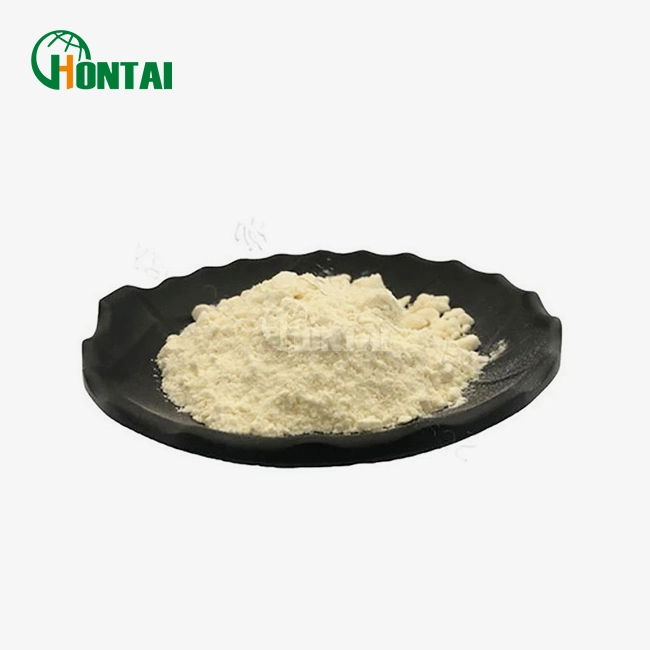
In the same class as nereistoxin is the herbicide Thiocyclam Hydrogen Oxalate (C5H11NS3). The poison comes from marine annelid worms in the sea. It is a white, solid powder when it is pure. At 25% and 50%, it is generally turned into wettable powder (WP) or soluble powder (SP). These recipes are made by Hontai at our plant in Hebei, China. There are strong quality controls in place to make sure the amounts of purity stay the same and meet the standards for farming around the world. The oxalate salt form keeps the material stable while it is being moved or kept. This way, it doesn't break down when the humidity or temperature changes. It can be kept for about two years in a dry place below 30°C and out of direct sunlight because of how its chemicals are structured. When powder mixtures are mixed with water, they break down quickly and turn into spray solutions that evenly treat surfaces.
Mode of Action Against Target Pests
Because Thiocyclam Hydrogen Oxalate works with nicotinic Aphid Kill Insecticide Pesticides Thiocyclam Tc acetylcholine receptors in bugs' nerves, taking them out of action. There are parts of these receptors that the chemical binds to and partially activates. This stops nerve signals from working properly when bugs eat treated plants or touch spray residues. This stops the animal from eating and paralyzes its movements. Depending on the type of pest and the amount of exposure, the animal will die within 24 to 72 hours. Because it is semi-systemic, it only allows a small amount of movement in plant cells. This keeps out sneaky insects that eat plants, like rice stem borers, which dig holes inside plants where poisons that are only applied by touch can't reach. This is what makes it different from treatments that are only put on the skin; it protects for longer because new plants grow during the time that the old ones were active.
Safe Application Methods for Optimal Performance
Dosage Recommendations by Crop and Pest Severity
The best way to get rid of pests with the least amount of damage to the environment is to treat them correctly. Rates of application rely on the products being kept away, the types of pests that are there, and how bad the population is. When buying, teams know these things, and they can figure out the right amount of product to use each year. If they use too little or too much, bugs won't be controlled effectively, and resources will be wasted. Rice Cultivation: When you use a 50% SP blend to kill stem borers and thrips on rice crops, you normally need 50 to 75 grams of active ingredient per hectare. For ground sprayers, this means mixing 60 to 80 liters of water with 100 to 150 grams of product per hectare. You should use the poison when the pests are still young maggots, before they get into the stem tissue and make it hard to touch. Vegetable Crops: Diamondback moths are bad for brassicas. To get rid of them, use 60 to 100 grams of active ingredient per acre, or 120 to 200 grams of the 50% form. During the 7–10 days before they are picked, leafy vegetables need to be closely watched to make sure that leftovers break down below the maximum residue limits. Only then can they be sold. Fruit Orchards: Fruit and vegetable farms can use 75 to 100 grams of the active ingredient per hectare to get rid of leaf miners and mites. More water—up to 400 liters per hectare—makes sure that the water gets deep into the structures of old trees. It's important to stay away from plants during growth times to help pollinators, which are needed for fruit set.
Dilution, Mixing, and Application Techniques
Based on how well they are prepared, apps will either meet their coverage goals or give the results that were expected. First, add clean water to half of the spray tank. Then, measure out the right amount of Thiocyclam Hydrogen Oxalate powder and stir it in all the time. The wettable powder breaks down quickly, but it needs to be mixed up by hand or with water so that it stays in the air while it's being used. The tank needs to be filled up to the goal amount while it is traveling. Spray tools are calibrated to make sure that the covering covers the whole area evenly. This will help the drops form properly and not spread too far. The pressure for ground sprayers should be kept between 40 and 60 PSI. Coverage depends on the tip you choose. Like, flat fan nozzles work best on straight crops like vegetables, while cone nozzles work best on trees with lots of thick leaves. There are regular checks to make sure that the real result matches the rates that were thought of.A lot of what happens in the world affects how well an app works. When the wind is blowing faster than 10 miles per hour, drift is more likely to happen. Drift can contaminate areas that aren't meant to be contaminated and reduce the deposit on targeted surfaces. The best times are at night or in the morning when it's quiet, when the temperature is between 60°F and 80°F, and when the humidity is above 50%. These settings allow spray drops to reach their targets before they evaporate. They also keep particles in the air from Aphid Kill Insecticide Pesticides Thiocyclam Tc getting stuck when the temperature changes.
Managing Risks and Regulatory Compliance
Toxicity Profile and Environmental Considerations
Operations can lower the risk by taking the right steps once they know the toxin profile. When ingested or applied to the skin, Thiocyclam Hydrogen Oxalate is only slightly toxic to animals. It is in WHO hazard class II, which means it is not very dangerous. Overexposure can make you sick, dizzy, and salivate a lot, so you should see a doctor right away and stay away from sources of exposure. Tests have shown that even small amounts can hurt fish and other animals that live in water. This is because things that live in water are more sensitive. If you treat an area, there must be clear space around it. Some of these zones are 15 to 30 meters wide, but it depends on how they are applied and the rules in the area. If it's going to rain a lot in the next 24 hours, don't do anything because the flow could bring waste into sewage systems. Silkworms and bees are very hurt by the chemical, so it must be used at the right time to keep helpful bugs from coming into contact with it. When flowers are in bloom, bees are busy looking for food, so don't use. Also, talk to beekeepers in the area before you plan to use any treatments. Good prey insects, like lady beetles, can handle some stress, so they can be used in biological control programs as long as the natural enemy populations are taken into account when the insects are used.
Environmental Fate and Degradation
Soil has a half-life that depends on weather, how wet it is, and how active the bacteria are, but in the field, it usually lasts between 5 and 15 days. In hot soils with lots of living things, microbial activity speeds up the breakdown. On the other hand, breakdown takes longer when it's cold or wet. This short time frame lowers the chance of buildup, but it's important to keep an eye on the time between treatments when pest pressure stays high. Photodegradation helps get rid of leftovers on plant surfaces; UV light breaks down molecular structures within days of being used. People can follow the rules about maximum waste levels better when they don't have a lot of leftovers close to harvest time because of this natural breakdown process. The stuff doesn't move around much in most types of soil because it doesn't mix well with water and sticks to organic matter. This makes it harder for it to get into the groundwater.
Making Informed Purchasing Decisions: Comparing Thiocyclam Hydrogen Oxalate with Alternatives
Cost-Effectiveness Analysis
Along with professional performance factors, economic factors are also important when deciding what to buy. With a better cost-per-hectare ratio than newer chemical classes like diamides, Thiocyclam Hydrogen Oxalate typically has a fair price within the nereistoxin homologue class. Hontai and other companies let you buy in bulk and give you deals based on how many things you buy. These deals help sellers make more money and bring down the price of supplies for big growers. To really see how cost-effective something is, you should look at how often it is used as well as the price per unit. It costs more to buy products that need to be used more than once to keep pests away all season, even though each treatment costs less. For best results, use this nereistoxin counterpart two or three times during the growing season, or more often if bugs are really bad. This puts it between pyrethroids with short half-lives and systemic drugs that last a long time. Labor and equipment costs factor into the total economic impact. When you need special tools to use a product or strict safety rules, it costs more than the price of the product itself. It cuts down on these extra costs by using simple mixing and standard spray tools. This helps purchasing Thiocyclam Hydrogen Oxalate 50%Sp managers make better budget plans.
Resistance Management Considerations
Pests that are immune to poisons are getting worse, which means that goods work less well over time. Chemical choices have longer useful lives when they can switch between different groups of modes of action. This keeps bug populations weak. Thiocyclam Hydrogen Oxalate is an important part of programs that try to control resistance because it targets a different receptor site than commonly used pyrethroids, organophosphates, and neonicotinoids. Resistance hasn't been seen as often as it has been seen with drug types that are used a lot. Part of the reason for this is that these classes don't make up as much of the market as other classes and are used carefully in cycle programs. Most of the time, nereistoxin analogues can still kill insect populations that are immune to pyrethroid poisons. This formula is very helpful when other options don't work. But people will always be hesitant if you only use one source of information without switching it up. This is why interdisciplinary methods are so important. End users should learn about pushback management from clients who are sellers or service providers, and product lines should be put into larger projects instead of being used on their own. Customers are more likely to stick with a business that cares about their long-term success than about making quick sales. These are the kinds of business plans that last.
Case Studies and Practical Tips for Global B2B Clients
Successful Implementation in Rice Production
On 500 hectares of land in Southeast Asia, stem borer pests were always attacking an industrial rice farm. This puts crops at risk. When pyrethroid herbicides were used too much, they stopped working as well, which showed that tolerance was growing. Thiocyclam Hydrogen Oxalate was used when the larvae first came out, and diamide chemistry was used later in the season. The farm switched to a cycle program. That's up from 60% with programs that only used pyrethroids, which means that 85–90% of pests were managed. This meant that about 600 kg more of crops were grown per acre. The slightly higher costs per acre were worth it because the results were better, which meant that the net income went up. It worked for three growth seasons with no signs of resistance coming back, which showed that the plan was right. This case shows how important it is to pick drugs based on how resistant they are instead of just using things that you know will work. Distributors who work in places where rice is grown can make their services stand out by helping to track resistance and offering the best crop changes based on the number of pests in those places.
Vegetable IPM Integration in North American Markets
A group of California vegetable growers used Thiocyclam Hydrogen Oxalate to get rid of diamondback bugs that were damaging their brassica crops. Bacillus thuringiensis was used to kill outside larvae, but its semi-systemic properties also helped control larvae that had already gone through leaf tissue. Total pesticide use was cut by 30% while business quality standards were kept high. This was made possible by putting applications on levels of pest tracking instead of calendar plans. The 10-day window before harvest worked well with plans for harvest, so treatment didn't have to be put off. Tests of residue showed that the product met the requirements of both the home market and the international market. In other words, the item could still be sold in many places. In this case, the value goes beyond just getting rid of bugs; it also shows how well it works with biological controls, how fluid the harvest time can be, Thiocyclam Hydrogen Oxalate 50% Sp, and how well it follows the rules that help the market grow. When farm service companies talk to veggie growers, they can stress all of these benefits.
Conclusion
Farms that want to get rid of bugs effectively and safely while still being kind to the environment can use Thiocyclam Hydrogen Oxalate as long as they follow the right steps. Lepidoptera and other bugs can be killed by touching them or harming their stomachs. It can also have effects on the whole body. Because of this, it can be used in many types of crop systems. Correct application methods, like using the right amount, at the right time, and with the right safety steps for the user, raise efficiency while reducing risks. It's still very important to follow the rules, and you should keep an eye on how approval processes, pre-harvest times, and maximum waste limits change from one foreign market to the next. When you buy smartly from reputable companies, you can be sure of the quality of the goods and a stable supply chain that keeps farms running. It keeps working for a long time and stops resistance from building up when used as part of bigger IPM systems and rotation plans. It's best for business-to-business clients to work with experienced providers who not only provide high-quality goods but also offer expert advice and quick service.
FAQ
1. What safety precautions are essential when handling Thiocyclam Hydrogen Oxalate?
Employees who mix and apply chemicals must wear gloves that can handle chemicals, protective clothing that covers any skin that is showing, safety screens, and respirators with the right filters. When you're done, wash your hands well and don't eat, drink, or smoke. To keep things from going bad, keep them locked up and away from food. Also, keep the temperature below 30°C. Safety Data Sheets should always be close at hand, and your staff should know what to do in an emergency and how to treat someone who has been exposed by mistake.
2. How does Thiocyclam Hydrogen Oxalate compare to imidacloprid for pest control?
There are different ways that these poisons get rid of different kinds of bugs. Thiocyclam Hydrogen Oxalate works better than Lepidoptera species like leaf rollers and caterpillars because it affects nicotinic receptors through nereistoxin. The neonicotinoid imidacloprid is better than other poisons at killing bugs that eat plants, like aphids, whiteflies, and some beetles. Both drugs can move inside plants, but imidacloprid is better at going through xylem tissue because it is part of the plant's system. Because each class has a different resistance pattern, they are not direct replacements. Instead, they are options that can be used together in cycle plans.
3. Can Thiocyclam Hydrogen Oxalate be used in organic farming systems?
In most places, the rules for organic approval do not allow synthetic nereistoxin equivalents like Thiocyclam Hydrogen Oxalate. Organic rules generally only allow naturally occurring chemicals, biological control agents, and a few mineral-based goods to be used for pest control. For a business to get organic approval, it needs to follow the rules set by the governing body and only use materials that are on the list. Normal farming doesn't have to follow these rules, and they can use this science as part of broader ways to get rid of pests.
Partner with a Trusted Thiocyclam Hydrogen Oxalate Manufacturer
To make your crop protection plan better, you need to find pesticides that are quality-tested and made by companies that care about their customers and the goods they make. Hontai Biotech makes good Thiocyclam Hydrogen Oxalate mixes at our plant in Hebei. Tough quality checks are in place to make sure that our 25% and 50% WP specs always meet the standards for farms around the world. If you want to use our products safely and effectively in a wide range of crop systems, our experienced and skilled team is here to help. Our global agriculture service also makes sure that supply lines are reliable by setting up quick global logistics, shipping, and paperwork to get goods to places in different international markets.
Hontai has flexible solutions, like customized packaging and OEM services, for a lot of different types of customers. These include commercial growers who need large seasonal supplies, regional distributors who want to add more products to their lines, and farm service providers who are looking for reliable formulation partners. You can email our purchasing experts at admin@hontai-biotech.com and tell them about your specific needs. For big sales, we can offer low prices and certificates of analysis.
References
1. Agricultural Pesticide Research Institute. (2021). Mode of Action Studies: Nereistoxin Analogue Insecticides in Modern Pest Management. Journal of Applied Entomology, 145(7), 612-628.
2. Chen, M. & Liu, Z. (2020). Environmental Fate and Toxicology Assessment of Thiocyclam Hydrogen Oxalate in Agricultural Systems. Environmental Science and Pollution Research, 27(15), 18234-18247.
3. International Resistance Action Committee. (2022). Insecticide Resistance Management: Strategic Rotation of Mode of Action Groups. IRAC Technical Guidelines, Edition 9.
4. Kumar, R., Singh, A., & Patel, D. (2019). Comparative Efficacy of Nereistoxin Analogues Against Lepidopteran Pests in Rice and Vegetable Production. Crop Protection Journal, 118, 45-53.
5. United Nations Food and Agriculture Organization. (2021). Pesticide Registration Toolkit: International Harmonization of Agrochemical Standards. FAO Plant Production and Protection Paper 228.
6. Wang, J., Thompson, G., & Martinez, L. (2020). Integrated Pest Management in Commercial Agriculture: Chemical Rotation Strategies and Resistance Prevention. Annual Review of Entomology, 65, 287-305.
Our customers’ satisfaction speaks for our quality — contact us to experience the same reliable service.