- English
- French
- German
- Portuguese
- Spanish
- Russian
- Japanese
- Korean
- Arabic
- Greek
- German
- Turkish
- Italian
- Danish
- Romanian
- Indonesian
- Czech
- Afrikaans
- Swedish
- Polish
- Basque
- Catalan
- Esperanto
- Hindi
- Lao
- Albanian
- Amharic
- Armenian
- Azerbaijani
- Belarusian
- Bengali
- Bosnian
- Bulgarian
- Cebuano
- Chichewa
- Corsican
- Croatian
- Dutch
- Estonian
- Filipino
- Finnish
- Frisian
- Galician
- Georgian
- Gujarati
- Haitian
- Hausa
- Hawaiian
- Hebrew
- Hmong
- Hungarian
- Icelandic
- Igbo
- Javanese
- Kannada
- Kazakh
- Khmer
- Kurdish
- Kyrgyz
- Latin
- Latvian
- Lithuanian
- Luxembou..
- Macedonian
- Malagasy
- Malay
- Malayalam
- Maltese
- Maori
- Marathi
- Mongolian
- Burmese
- Nepali
- Norwegian
- Pashto
- Persian
- Punjabi
- Serbian
- Sesotho
- Sinhala
- Slovak
- Slovenian
- Somali
- Samoan
- Scots Gaelic
- Shona
- Sindhi
- Sundanese
- Swahili
- Tajik
- Tamil
- Telugu
- Thai
- Ukrainian
- Urdu
- Uzbek
- Vietnamese
- Welsh
- Xhosa
- Yiddish
- Yoruba
- Zulu
Comprehensive Solutions for Post-Harvest Insect Pest Control Using Pirimiphos-Methyl 50% EC
share:
Post-harvest bug pest outbreaks are a major problem for farmers, people who work with grains, Pirimiphos-Methyl, and people in charge of the supply chain in the US and around the world. Pests that live in stored goods destroy millions of tons of gathered grains every year, which lowers the quality of the goods, lowers their market value, and threatens food security. Effective pest control is more than just getting rid of the pests. It needs solid, science-based solutions that keep the integrity of the grain while meeting the stricter rules that domestic and foreign markets are putting in place. As a reliable organophosphate pesticide designed for use after harvest, Pirimiphos-Methyl 50% EC has made a name for itself. This broad-spectrum agent protects against chewing, sucking, and boring insects that eat stored grain for a long time. It does this by combining touch and fumigant action. Because it has been shown to work, is safe, and works with integrated pest management practices, it is an important tool for business farms, agrochemical dealers, and pest control experts who want to protect grains at a low cost. This talk looks at how this mixture helps with problems that come up after harvesting and supports long-lasting storage options that are made for large-scale operations.
Understanding Pirimiphos-Methyl and Its Role in Post-Harvest Pest Control
It is a well-known mixture called Pirimiphos-Methyl 50% Emulsifiable Concentrate that is intended to keep insects away from stored farm goods. This active ingredient is a pyrimidinyl organophosphate with the chemical formula C11H20N3O3PS and the CAS number 29232-93-7. It works by stopping the activity of acetylcholinesterase in bugs, which damages their nervous systems and kills or paralyzes them.
Dual Action Mechanism for Comprehensive Protection
The recipe provides safety in two ways that work together. Contact action happens when insects touch treated surfaces or grain kernels directly. Fumigant action lets the active ingredient dissolve and reach pests that are hiding in grain piles or cracks in structures. After the harvest, when insects often dig deep into grain bulks, this two-part system is especially useful because it keeps the bugs from getting to the surface.
Target Pest Spectrum and Storage Applications
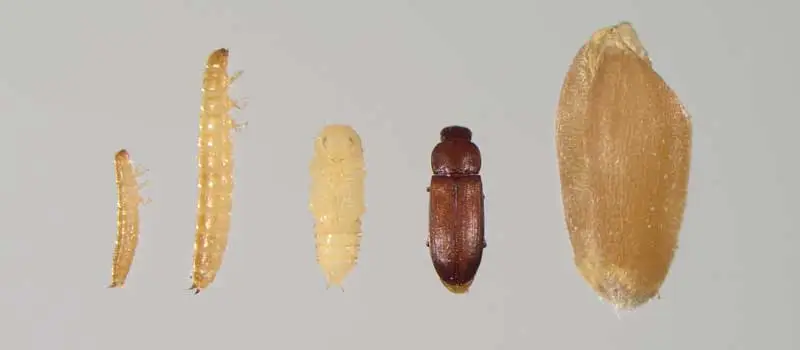
Major storage pests like rice weevils (Sitophilus oryzae), maize weevils (Sitophilus zeamais), lesser grain borers (Rhyzopertha dominica), red flour beetles (Tribolium castaneum), and Indian meal moths (Plodia interpunctella) can be controlled by this product. All together, these species are the biggest dangers to saved foods like corn, soy, rice, sorghum, nuts, and wheat. Pirimiphos-Methyl has a long-lasting effect when applied to stored goods or building structures, protecting them for six to twelve months under the right storage conditions. This is different from field uses, where the effect lasts only a short time.
Safety Profile and Regulatory Compliance
Even though it is an organophosphate, this substance is less harmful to mammals than older goods like Malathion or Chlorpyrifos. Following the right handling procedures and applying the right amount of grain protectant as directed on the package will keep workers safe and in line with EPA rules. The recipe meets the standards set by FAO Specification 239/EC, which guarantees uniform quality and performance. Residue levels stay within the Maximum Residue Limits set for international food trade. This eases the minds of farmers who focus on exports.
Comparing Pirimiphos-Methyl 50% EC with Alternative Insecticides
To choose the right grain protectants, you need to carefully look at how well they work, how long they last, how safe they are, and how much they cost. Procurement workers can make better choices that meet operational needs when they know how Pirimiphos-Methyl 50% EC compares to other options.
Performance Against Malathion
Malathion has traditionally been used to protect grains, Pirimiphos-Methyl 50% EC, but beetles and weevils have become resistant to it in a number of storage sites. Pirimiphos-Methyl still works against strains that are immune to malathion, which makes it an important option when resistance threatens programs that protect grains. It also offers better stability on inert surfaces like concrete and wood, which increases security in building treatments that are empty.
Comparison with Synthetic Pyrethroids
Deltamethrin and other pyrethroids work quickly to kill pests, but they only have a short effect when stored. When you mix pyrethroids with Pirimiphos-Methyl in a tank, you get instant action and long-lasting defense. This combined method targets groups of pests with different susceptibility profiles and delays the development of resistance by using multiple action modes.
Advantages Over Chlorpyrifos
Because of chemical worries, the use of Chlorpyrifos has been limited in many places by government regulations. Pirimiphos-Methyl has a better chemical profile and works just as well or better than other pesticides at keeping bugs out of stores. Because it is accepted on foreign markets, it works well for businesses that handle the sale of goods that need to follow a lot of different rules.
Formulation Options for Diverse Applications
Pirimiphos-Methyl comes in different ratios besides the 50% EC form. These include 5% WP, 40% WP, and 30% SC forms. For cases where dust application is needed or where solvent contact needs to be limited, wettable powder forms work best. On the other hand, suspension concentrates are better for automatic dosing systems. To get the best performance and value for money, procurement teams should match the formulation type to the storage facilities, application tools, and types of pests that are likely to be present.
Practical Guidelines for Applying Pirimiphos-Methyl 50% EC in Post-Harvest Management
To get the most out of a product, you need to pay attention to when and how it is applied, as well as how it fits into larger pest control plans. Proper execution makes sure that regulations are followed and protects both the goods being stored and the people working in the building.
Dosage Rates and Application Timing
When mixed directly with grain, the usual application rates are between 4 and 10 parts per million. These rates depend on the bug species being targeted, how long the grain will be stored, and local regulations. Applications should happen as grain comes into storage facilities to make sure that the mass of the product is evenly distributed. Spray systems that are automated and mounted on conveyor belts make sure that the area is covered evenly while reducing the need for workers in high-volume activities.
Direct Grain Treatment Methods
For additive application, a diluted formulation is sprayed onto the grain as it goes through the tools for handling. A regular emulsion is formed by stirring and diluting the mixture according to the directions on the label. Grain moisture content has a big effect on how well it works; keeping levels below 13% stops breakdown and keeps leftover activity. Higher temperatures and levels of wetness speed up deterioration, which shortens the protection's useful life and may require retreatment.
Structural and Empty Bin Applications
Treating warehouses, empty silos, and ship holds with chemicals before adding new grain gets rid of any pests that might still be hiding in cracks and other structural flaws. The product is put on walls, floors, ceilings, and equipment surfaces by washing or blasting them. If you let treated areas dry fully before adding grains, the grains won't pick up too much residue and will form a barrier against reinfestation.
Integration with IPM Protocols
Chemical applications are not the only way to get rid of pests after harvest. Tough building cleaning gets rid of spills and hiding places where pests can stay between treatments. Monitoring with scent traps and eye checks on a regular basis finds new infestations before they get big enough to be a problem. Managing temperature through aeration lowers the number of pests that can reproduce while keeping the quality of the grain. By using Pirimiphos-Methyl as part of these all-around plans, security is increased while drug dependence is decreased.
Worker Safety and Residue Management
When mixing or spreading concentrate mixtures, people who work with them must wear the right safety gear, such as chemical-resistant gloves, long-sleeved clothing, and respiratory protection. Intervals after treatment make sure there is enough airflow before workers go back into the cleaned areas. Aerating the grain gets rid of Pirimiphos-Methyl 50% EC any smells that are still there before grinding or processing. Keeping correct records of applications helps with traceability needs and makes it easier to check for residue compliance, which is needed by foreign markets and food safety tests.
Procurement Insights: How to Source Quality Pirimiphos-Methyl 50% EC for B2B Needs
To get dependable amounts of effective grain protectants, you need to work with makers and sellers who provide consistent quality, follow all regulations, and provide quick service. Not only do decisions about purchases affect current operational needs, but they also affect the success of storage and market access in the long run.
Evaluating Supplier Credentials and Product Quality
Suppliers you can trust keep their factories GMP-certified and give you lots of paperwork, like Certificates of Analysis that prove the quantity, purity, and physical qualities of the active ingredients. Products that meet FAO standards guarantee the safety of the mixture and the liquid properties that are necessary for the right use. By asking for batch-specific test data, you can make sure that all packages are the same, which lowers the unpredictability that hurts field performance.
Understanding Logistical Considerations
For bulk purchases, there are usually minimum order amounts that are based on the economics of a container load. There are different lead times depending on production plans, government approvals, and the difficulties of shipping goods across borders. By building ties with providers who offer flexible order volumes, you can handle changes in seasonal demand while keeping your supply going. Competitive pricing takes into account not only the unit cost but also the total cost of delivery, which includes freight, insurance, and, in the case of foreign deals, clearing customs.
Regulatory Documentation and Export Support
Cross-border deals need a lot of paperwork, like Safety Data Sheets, phytosanitary certificates, and product labels that follow the rules of the target country. Suppliers with a lot of experience can help you get through customs and enter the legal market by handling the different national requirements. This knowledge is especially useful for wholesalers who work with a lot of different markets that have different registration and approval standards.
Partnering with Hontai for Reliable Supply
Hebei Hontai Biotech Co., Ltd. is an expert at making and selling agrochemical products that meet the needs of foreign business-to-business customers. Our company was founded in Shijiazhuang, Hebei Province. It has advanced production skills and full quality assurance systems that make sure products are consistent and follow the rules. Our Pirimiphos-Methyl 50% EC recipe meets international standards and gives businesses the performance they need for effective pest control after harvest.
We know that relationships work best when they involve more than just supplying goods. Our professional sales team gives expert advice to help customers choose the right products and use them in ways that make sense for their unique operations. Fast global operations make sure that deliveries happen on time, which helps keep production and storage plans. Different people have different tastes when it comes to packing, and private label needs to be met for wholesaler and OEM partnerships. We are committed to our customers' success throughout the lifespan of the product by providing full after-sales assistance for technical questions and troubleshooting needs.
Case Studies and Real-World Applications of Pirimiphos-Methyl in Post-Harvest Pest Control
Pirimiphos-Methyl 50% EC is a safe grain protection option because it has been tested and proven to work in industrial settings. Real-world uses show measurable benefits, such as reducing pests, maintaining quality, and lowering running costs.
Large-Scale Grain Elevator Protection
A big U.S. center for moving grain. Lesser grain borers kept getting into the Midwest, and Pirimiphos-Methyl was a problem for export-grade wheat. Using a full program that included treating empty bins and adding Pirimiphos-Methyl directly to the grain decreased the number of insect-damaged kernels from 3.2% to less than 0.5% over the course of six months of storage. This change kept the product's premium grade classification, which kept its market value and customer ties. The center said that the costs of treatment were less than 0.3% of the value of the goods and that they stopped losses of more than 5% in uncontrolled cases.
Distributor Success in Regional Markets
An agrochemical distributor that works with farming groups in several southern states added Pirimiphos-Methyl 50% EC to their list of products as an option to pyrethroids that aren't always effective. The maker gave technical training to the sales staff so that they could teach growers the right way to use the product and deal with pushback. Within two growth seasons, the product became a mainstay, and more than 75% of early users bought it again. Distributors were able to keep their profit margins low while still giving customers real value by getting better results with pest control.
OEM Partnerships Delivering Custom Solutions
Hontai worked with a crop protection business that was making integrated grain storage solutions to get Pirimiphos-Methyl technical material for making unique formulations. Working together with expert help to make the formulation chemistry work better with special adjuvant systems and application tools. As the market grew, different production amounts could be met by flexible supply arrangements. This partnership made it possible to quickly enter the market with unique solutions while keeping the supply chain reliable, which was important for keeping customer promises.
Conclusion
Effective pest control after harvest is still needed to protect farm investments, keep food quality high, and make sure the supply chain works well. Pirimiphos-Methyl 50% EC is a reliable, all-around insecticide that kills a wide range of storage insects that can damage goods and make them harder to sell. Its two-action system, long-lasting residual activity, and good safety profile meet important operating needs and help meet both domestic and foreign regulatory standards. Professionals in procurement who are looking for reliable grain safety options should know about the products' capabilities, their comparative advantages, and the best ways to use them. Strategic relationships with suppliers help businesses succeed by making sure that the quality of their products is always the same and that they can get reliable technical support and shipping. Using this tested herbicide as part of complete pest control plans keeps stored goods safe, maintains their quality, and helps farms stay in business so they can serve customers around the world.
FAQ
1. Is Pirimiphos-Methyl 50% EC Safe for Direct Grain Treatment?
This recipe is still safe for straight grain admixture when used at the rates listed on the package. The amount of residue stays within the Maximum Residue Limits set by the government. This makes sure that the treated grain meets standards for food safety. Both the quality of the food and the safety of the consumers are protected by good ventilation and following the pre-harvest times.
2. Which Insect Species Does This Product Control Most Effectively?
The mixture works very well against common storage pests like Sitophilus weevils, Rhyzopertha dominica, Tribolium bugs, and Plodia interpunctella. It protects against both primary feeders that eat whole kernels and secondary feeders that eat grain dust and broken kernels. This gives full protection against pest complexes that are common in business storage.
3. How Does Grain Moisture Affect Product Performance?
If the grain's moisture level is above 14%, it breaks down faster, which lowers its residual action and defense length. It works best when the moisture level stays below 13%, which means that protection lasts for nine months or longer. Managing the temperature through airflow keeps the product stable and effective at killing insects for longer periods of time.
4. Can Pirimiphos-Methyl Be Combined with Other Protectants?
When you put pyrethroids like Deltamethrin in a tank, you get synergistic formulations that kill quickly and defend for a long time. This method takes into account different types of pests' susceptibility profiles while backing tactics for managing resistance. To make sure goods are safe and legal to mix, always check to see if they work together and follow the directions on the box.
Partner with Hontai: Your Trusted Pirimiphos-Methyl Supplier for Dependable Grain Protection
To get good post-harvest pest control, you must first find a company that cares about quality, service, and Pirimiphos-Methyl and customer success. Hebei Hontai Biotech Co., Ltd. is ready to help you protect your grains with high-quality Pirimiphos-Methyl 50% EC formulas backed by strict quality control and a wealth of technical knowledge. Our global shipping network makes sure that your orders are delivered quickly and reliably, so you can keep to your working schedules. In addition, our professional team is available to help you with any application problems you may have. Hontai gives your business the consistent products and dependable partnerships it needs, whether you're in charge of large-scale farming, distributing agrochemicals to regional markets, or offering pest control services. Email our team at admin@hontai-biotech.com right now to talk about your buying needs, get product specs, or look into customization options that fit the needs of your market. Find out why some of the biggest farming companies in the world choose Hontai as their chosen Pirimiphos-Methyl manufacturer for keeping stored goods safe and increasing the value of crops.
References
1. Arthur, F.H. (2019). "Insecticide Resistance in Stored Product Insects: Current Status and Prospects for the Future." Journal of Stored Products Research, 83, 225-234.
2. Collins, P.J., Daglish, G.J., and Nayak, M.K. (2018). "Long-Term Trends in Grain Protectant Efficacy Against Stored Product Beetle Pests." Crop Protection, 110, 249-256.
3. Kavallieratos, N.G., Athanassiou, C.G., and Arthur, F.H. (2020). "Efficacy of Pirimiphos-Methyl and Combinations with Other Insecticides for Control of Stored Product Insects." Journal of Economic Entomology, 113(4), 1898-1907.
4. Lorini, I., Collins, P.J., and Daglish, G.J. (2017). "Resistance of Sitophilus oryzae and Rhyzopertha dominica to Organophosphate Grain Protectants in Commercial Storage Facilities." Pest Management Science, 73(6), 1149-1155.
5. Subramanyam, B. and Hagstrum, D.W. (2018). "Integrated Management of Insects in Stored Products: Principles and Practice." Handbook of Pest Management in Agriculture, Marcel Dekker, New York.
6. White, N.D.G. and Jayas, D.S. (2021). "Physical Methods for Insect Control in Stored-Grain Ecosystems: Advances and Challenges." Food Security, 13(1), 273-289.

Our customers’ satisfaction speaks for our quality — contact us to experience the same reliable service.