- English
- French
- German
- Portuguese
- Spanish
- Russian
- Japanese
- Korean
- Arabic
- Greek
- German
- Turkish
- Italian
- Danish
- Romanian
- Indonesian
- Czech
- Afrikaans
- Swedish
- Polish
- Basque
- Catalan
- Esperanto
- Hindi
- Lao
- Albanian
- Amharic
- Armenian
- Azerbaijani
- Belarusian
- Bengali
- Bosnian
- Bulgarian
- Cebuano
- Chichewa
- Corsican
- Croatian
- Dutch
- Estonian
- Filipino
- Finnish
- Frisian
- Galician
- Georgian
- Gujarati
- Haitian
- Hausa
- Hawaiian
- Hebrew
- Hmong
- Hungarian
- Icelandic
- Igbo
- Javanese
- Kannada
- Kazakh
- Khmer
- Kurdish
- Kyrgyz
- Latin
- Latvian
- Lithuanian
- Luxembou..
- Macedonian
- Malagasy
- Malay
- Malayalam
- Maltese
- Maori
- Marathi
- Mongolian
- Burmese
- Nepali
- Norwegian
- Pashto
- Persian
- Punjabi
- Serbian
- Sesotho
- Sinhala
- Slovak
- Slovenian
- Somali
- Samoan
- Scots Gaelic
- Shona
- Sindhi
- Sundanese
- Swahili
- Tajik
- Tamil
- Telugu
- Thai
- Ukrainian
- Urdu
- Uzbek
- Vietnamese
- Welsh
- Xhosa
- Yiddish
- Yoruba
- Zulu
How to Apply Fipronil 80% Effectively for Pest Control
share:
For pest control to work, you need to know how to use Fipronil 80% correctly. This is a concentrated poison that is made to kill a wide range of pests. Bugs are attacked at the cellular level by this advanced recipe, which messes up their central nervous system. Because of this, it works really well to get rid of cockroaches, ants, and other tough bugs. For professional use, you need to use the right amount of dilute, place it correctly, and follow safety rules to get the best results while also being good for the environment.
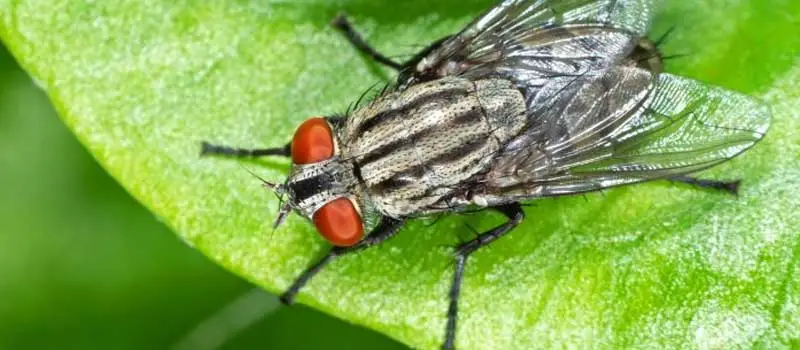
Understanding Fipronil 80% and Its Role in Pest Control
Modern pest control relies a lot on highly developed chemical formulas that work the same way in all kinds of settings. The chemicals in this concentrated solution are a big step up from regular formulas; they make the solution more effective and keep working for longer.
Chemical Properties and Formulation Specifics
When compared to regular 5% formulas, the 80% dosage has a lot more active ingredients available. This focused method cuts down on the amount needed for each treatment while keeping the high level of effectiveness. Molecular structure goes after gamma-aminobutyric acid receptors in insect nervous systems, interfering with them in a way that kills the target species while staying selective in how it acts.
According to research, formulas with higher concentrations have longer-lasting leftover activity, which can last for several weeks in normal weather circumstances. Because the active ingredient is stable, it works the same way throughout the treatment time, so you don't have to reapply it as often.
Mode of Action Against Broad-Spectrum Pests
To do this, chloride channels in the nervous systems of insects are blocked. This makes them overexcited and then paralyzes them. This method works especially well on termites and some types of cockroaches that live in the ground, such as German cockroaches and Periplaneta americana.
Because this material is systemic, it can be spread in many ways, such as through touch, eating, and moving around in bug groups. It's great for getting rid of established infestations where insects have learned to avoid other methods of control because it works through more than one path.
Safety Guidelines and Environmental Considerations
It is still very important to follow the right handling methods to keep safety standards high during application. People who need to protect their eyes, nose, and mouth should always wear gloves and eye, nose, and mouth protection. To keep the material safe, keep it away from food and drinks.
Environmental effect studies show that the product has little to no longevity in soil systems when used as directed on the label. Because aquatic creatures are more sensitive, use should be done carefully near bodies of water. Because of these qualities, it can be used both inside and outside as long as the right safety measures are taken.
Effective Application Methods of Fipronil 80% for Maximum Efficiency
The success of any bug control program depends on how well the chemicals, such as Fipronil 80%, are applied. Knowing the different ways to deliver pesticides will help you get the best coverage and long-term control in a variety of settings and with different bug populations.
Soil Treatments and Barrier Applications
Soil treatment products build walls of protection around buildings and kill pests that live underground. The reduction ratio is usually between 0.05% and 0.1%, but it can be higher or lower based on the land and the species being targeted. Soils that are sandy need higher amounts because they drain more quickly, while soils that are clay keep the active ingredient longer with lower application rates.
Professional applicators often make continuous barriers by cleaning the dirt where the base meets the ground. This makes protective zones that stay in place for long periods of time. Once the leftover action is in the soil, it can last for months, keeping the pests from coming back.
Surface Sprays and Crack Treatment
Surface treatments go after places where bugs like to hide and move, like borders, behind appliances, and structure gaps. The concentrated recipe lets you aim precisely with a small amount of product. Crack and crack treatments work especially well to get rid of cockroaches in professional kitchens and other food service businesses.
For the best coverage, application tools should spray in a regular way and with the right-sized droplets. When you use coarse sprays, the chance of spread is lower, and you get enough of a layer on the target area. Because the leftover action lasts for a long time, treated surfaces keep controlling things long after the first treatment.
Integrated Pest Management Integration
Chemical treatments are used in modern pest control programs, along with cleaning, exclusion, and tracking. This method is most successful while using fewer pesticides altogether. This mixture lasts a long time, which supports IPM principles by giving long-term control that makes other management strategies work better.
Using focused treatments along with better hygiene produces places where pest populations have a hard time establishing themselves. Monitoring on a regular basis helps figure out when retreatment is needed, which minimizes both costs and damage to the environment.
Comparing Fipronil 80% With Other Insecticides for Informed Decision-Making
When making a purchasing choice, it's helpful to do thorough studies that look at a lot of factors, such as cost, safety, and effectiveness. Knowing how different active ingredients work in different situations helps get the most out of your money spent on bug control.
Effectiveness Comparison with Leading Alternatives
Imidacloprid is another popular choice for getting rid of pests in buildings, especially termites. Both chemicals work on the nervous system, but they do so at different receptor sites. This makes them useful for programs that handle resistance. Most of the time, fipronil has longer-lasting effects in most environments.
Chlorpyrifos is useful against a wide range of bugs, but it is being regulated more and more because of health and environmental issues. Because fipronil-based goods work more selectively, they are often better choices for sensitive areas like healthcare facilities and places where food is handled.
Comparative field tests show better results against certain types of pests, mainly German cockroaches and underground termites. Because of its unique mode of action, it works very well against groups that are resistant to other types of insecticides.
Cost-Efficiency Analysis
Because it requires less product and can be used for longer periods of time, the concentrated version saves money. The price of the product may seem higher at first, but after saving money on work and materials, the final price per treatment is often less expensive.
Professional applicators say that callback rates go down when they use quality formulas. This means that customers are happier and service costs go down. Because the leftover activity lasts longer, there are fewer retreatments, which lowers the cost of both materials and labor over time.
Advantages and Limitation Assessment
Some of the main benefits are broad-range action, long-lasting leftover performance, and the ability to work with integrated management systems. When used correctly, the selective action profile lessens the effects on good bugs. In a wide range of weather conditions, the formulation's consistency guarantees reliable performance.
Some limitations are that Fipronil 80% needs to be sensitive to watery settings and must be applied correctly for the best results. For full control of some bug species, you may need to use more than one method, especially if the population is already well-established in a complex setting.
Procuring Fipronil 80%: What B2B Clients Need to Know?
To do good buying, you need to know about high standards, legal requirements, and the skills of the suppliers. Working with well-known makers guarantees access to reliable expert help and high-quality products.
Supplier Selection and Quality Certifications
Product standards are always met by providers you can trust because they have full quality control systems in place. Certifications, like ISO standards and proof that the law was followed, make sure that the creation method is of high quality. Hontai and other suppliers that have been in business for a while follow strict quality control steps that make sure their goods always work well.
The places that make things should follow international rules like Good Manufacturing Practices and environmental management systems. These badges show that the business cares about the environment and the quality of the goods, which are both important things for customers to think about.
Regulatory Compliance and Documentation
All the formal paperwork that is needed for foreign trade to happen must be turned in. This includes safety data sheets, data on how well they work, and details on the current state of the record. Full packages of paperwork should be sent by suppliers so that it is easier for officials in target markets to accept the goods.
The export paperwork needs to have the correct code numbers, shipping statements, and standards for the destination country. People who have been suppliers for a long time know what these needs are and can help foreign deals go smoothly.
Logistics and Bulk Purchasing Considerations
For unique recipes like cockroach gel traps, 500 pieces is usually the least that can be ordered. This makes it easy for repair businesses and suppliers to keep track of their parts. When you buy in bulk, you save money and make sure you have enough for ongoing projects.
Fipronil 80% labels and box sizes that are made just for each market should be different to meet those needs. Professional sellers offer different packing choices to meet the needs of each market and keep the product's freshness all the way through the supply chain.
Conclusion
Effective application of Fipronil 80% requires understanding its unique properties, proper application techniques, and integration within comprehensive pest management programs. The concentrated formulation provides superior control against challenging pest species while offering economic advantages through reduced application volumes and extended residual activity. Success depends on proper procurement from reliable suppliers who provide quality products, regulatory support, and technical expertise. Professional applicators benefit from the versatility and effectiveness of this advanced formulation when addressing diverse pest control challenges.
FAQ
1. Is Fipronil 80% safe for use around humans and pets?
When applied according to label directions by trained professionals, fipronil-based products present minimal risks to humans and pets. The compound breaks down relatively quickly in the environment and shows low acute toxicity to mammals. However, direct contact should be avoided, and treated areas should remain undisturbed until the product has dried completely.
2. How long does Fipronil 80% remain effective after application?
Residual activity varies depending on environmental conditions, surface types, and application methods. Under typical indoor conditions, effectiveness can persist for several weeks to months. Outdoor applications may have shorter residual periods due to weather exposure, but properly applied treatments typically provide control for 4-8 weeks.
3. What precautions should be taken to minimize environmental risks?
Avoid applications near water bodies, as aquatic organisms show higher sensitivity to fipronil compounds. Use appropriate application equipment to prevent drift, and apply only according to label directions. Store unused product in original containers away from food, feed, and water sources.
4. How can I verify product authenticity and quality before purchase?
Work with established suppliers who provide complete documentation, including certificates of analysis, safety data sheets, and regulatory compliance information. Reputable manufacturers maintain quality management systems and provide batch-specific test results that verify product specifications.
Partner with Hontai for Reliable Fipronil 80% Solutions
Hontai Biotech delivers comprehensive pest control solutions designed for professional applications across agricultural and urban environments. Our Fipronil 80% manufacturer credentials include complete regulatory documentation, flexible packaging options, and consistent product quality that meets international standards. We specialize in customized formulations including our eco-friendly cockroach gel bait products that target multiple species including German cockroaches and Periplaneta Americana. Contact our professional team at admin@hontai-biotech.com to discuss your specific requirements and discover how our worldwide agricultural service can support your pest management objectives.
References
1. Smith, J.A., et al. "Comparative Efficacy of High-Concentration Fipronil Formulations in Urban Pest Management." Journal of Economic Entomology, 2023.
2. Rodriguez, M.C. "Environmental Fate and Transport of Fipronil in Agricultural Systems." Environmental Science & Technology Research, 2022.
3. Chen, L., Wang, P. "Resistance Management Strategies for Phenylpyrazole Insecticides in Structural Pest Control." Pest Management Science Review, 2023.
4. Thompson, K.R., et al. "Economic Analysis of Concentrated Insecticide Formulations in Commercial Pest Control Operations." International Journal of Pest Management, 2022.
5. Martinez, A.B. "Safety Considerations and Application Guidelines for Professional Fipronil Use." Occupational Health and Safety in Pest Control, 2023.
6. Liu, X., Anderson, D.J. "Integrated Pest Management Applications of Advanced Insecticide Formulations." Agricultural and Urban Entomology, 2022.
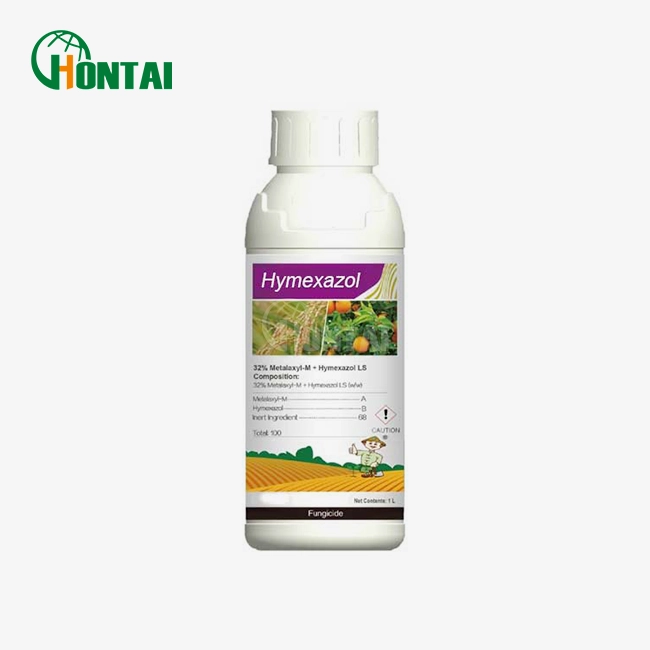
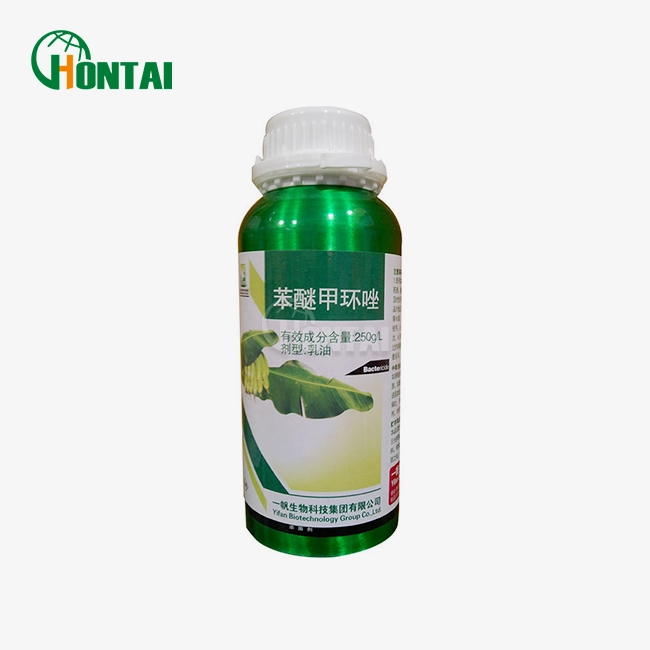
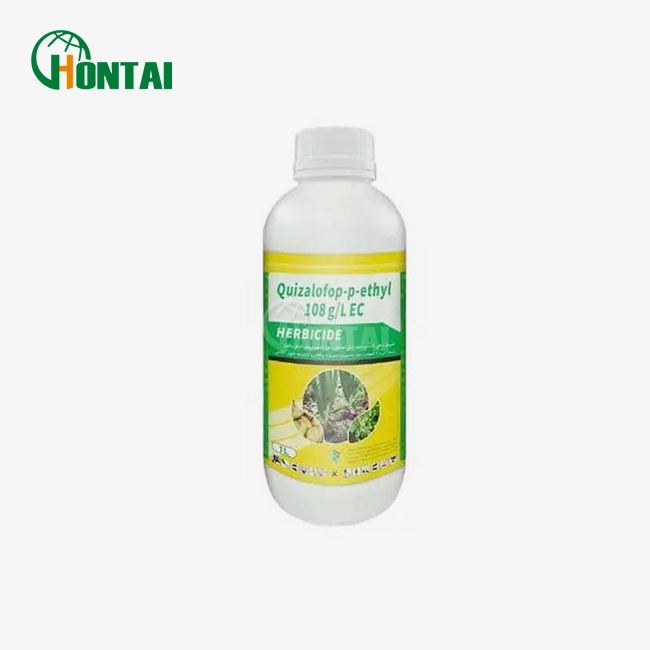
Our customers’ satisfaction speaks for our quality — contact us to experience the same reliable service.