- English
- French
- German
- Portuguese
- Spanish
- Russian
- Japanese
- Korean
- Arabic
- Greek
- German
- Turkish
- Italian
- Danish
- Romanian
- Indonesian
- Czech
- Afrikaans
- Swedish
- Polish
- Basque
- Catalan
- Esperanto
- Hindi
- Lao
- Albanian
- Amharic
- Armenian
- Azerbaijani
- Belarusian
- Bengali
- Bosnian
- Bulgarian
- Cebuano
- Chichewa
- Corsican
- Croatian
- Dutch
- Estonian
- Filipino
- Finnish
- Frisian
- Galician
- Georgian
- Gujarati
- Haitian
- Hausa
- Hawaiian
- Hebrew
- Hmong
- Hungarian
- Icelandic
- Igbo
- Javanese
- Kannada
- Kazakh
- Khmer
- Kurdish
- Kyrgyz
- Latin
- Latvian
- Lithuanian
- Luxembou..
- Macedonian
- Malagasy
- Malay
- Malayalam
- Maltese
- Maori
- Marathi
- Mongolian
- Burmese
- Nepali
- Norwegian
- Pashto
- Persian
- Punjabi
- Serbian
- Sesotho
- Sinhala
- Slovak
- Slovenian
- Somali
- Samoan
- Scots Gaelic
- Shona
- Sindhi
- Sundanese
- Swahili
- Tajik
- Tamil
- Telugu
- Thai
- Ukrainian
- Urdu
- Uzbek
- Vietnamese
- Welsh
- Xhosa
- Yiddish
- Yoruba
- Zulu
How EDDHA Fe 6% Works in High pH Soils?
share:
EDDHA Fe 6% works in soils with a high pH by keeping iron in a chelated form that stays steady and accessible even when the pH level is high. Other iron supplements break down and aren't usable when the soil pH goes above 7.5. But this chelated iron fertilizer keeps iron molecules safe by forming strong molecular bonds. The chelating agent ethylenediamine-N, N'-bis(2-hydroxyphenylacetic acid) keeps iron from turning into chemicals that can't be dissolved. This lets plants get the iron they need for internal processes and making chlorophyll. This dust-free, granular mixture dissolves quickly in water and works well with other fertilizer plans.
Introduction
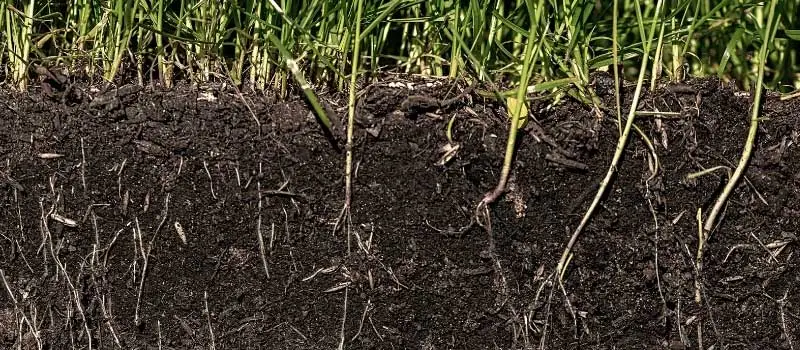
Lack of iron is a problem that keeps happening on millions of acres of farmland around the world, especially in places where alkaline soils are common. When the pH of the soil goes above 7.0, iron changes from a mineral that plants can use to chemically linked chemicals that roots can't take, even though there is enough iron in the soil. As a result, plants show serious iron chlorosis signs even though they are surrounded by iron-rich soil.
When an iron shortage happens in commercial agriculture, the industry loses a lot of money. Lower photosynthesis ability means lower output, lower-grade food, and a higher risk of environmental stress. In these situations, traditional iron sulfate applications often don't work, so they have to be done more than once, which increases the cost of inputs without making a real difference in crop performance.
These problems can be fixed with modern chelated iron technology by using complex molecular engineering. The EDDHA Fe 6% is a high-tech product that was made to work in places with high pH levels, where regular iron sources don't work. This special chelate keeps iron available over a wider pH range, so it can be used in a wide range of farming methods and soil conditions.
The effects on the economy go beyond the direct loss of crops. When buying iron supplements, people in charge of procurement need to think about how they will affect the long-term health of the land, how well they will be applied, and how well they will work with other feeding programs. It is important to know how different chelated goods work in different situations so that you can make smart buying choices that improve both crop yields and financial gains.
Understanding Iron Deficiency in High pH Soils
Chemical Processes Limiting Iron Availability
When the earth is alkaline, it starts a chain of chemical processes that keep plant roots from getting to iron. When the pH of the soil is higher than 7.5, ferric iron and hydroxide ions easily join to make ferric hydroxide precipitates. These molecules stay steady chemically but aren't available to living things. This makes an environment for plants that is both iron-rich and iron-deficient.
Many alkaline soils contain calcium carbonate, which makes iron intake even more difficult. Iron and high calcium levels are both trying to take up space in the roots, and carbonate ions help keep the root zone alkaline. This starts a loop that keeps going until iron becomes harder to find as the soil continues to have high pH levels.
In soils that don't have enough iron, phosphate reactions add another level of complexity. Too much phosphorus can make iron-deficient symptoms worse by creating iron-phosphate clusters that plants can't use. Figuring out how these things work together helps explain why standard ways of fertilizing soils that have iron problems don't always work.
Physiological Symptoms and Economic Impact
Iron chlorosis causes the veins in leaves to turn yellow between them, while the veins themselves stay green, giving the leaves a unique striped look. This interveinal chlorosis usually starts to show up on younger leaves and then moves to older leaves as the lack gets worse. In severe cases, the leaves turn completely white, fall off early, and the plant dies.
When iron levels drop, photosynthesis effectiveness drops quickly because iron is needed to make chlorophyll and move electrons around in chains. Lower photosynthesis directly leads to lower carbon fixation, which lowers the energy available for growth, reproduction, and dealing with stress. These bodily limits show up as lower output, later development, and a higher risk of getting diseases and being stressed by the surroundings.
Commercial growers say that seriously iron-deficient areas lose between 20 and 60 percent of their yield, with quality losses often being worse than number losses. Premium crops like decorative plants, specialty veggies, and tree fruits command high prices on the market. These prices drop when an iron shortage makes the plants look bad and makes them less marketable.
The Science Behind EDDHA Fe 6% and Its Mechanism of Action
Molecular Structure and Stability
EDDHA Fe 6% uses ethylenediamine-N, N'-bis(2-hydroxyphenylacetic acid) as its chelating backbone. This makes molecular complexes that are very stable and don't break down over a wide pH range. The phenolic groups in this structure form very strong links with iron atoms. This means that the chelate stays intact even when the pH of the soil gets close to or above 9.0.
Because of its chemical structure, EDDHA is different from chelating agents like EDTA and DTPA, which stop working when the pH level goes above 7.5. The stability constant for EDDHA-iron complexes stays high in alkaline conditions. This makes sure that iron is always available, even if the soil in treated areas changes.
According to research, EDDHA chelates keep more than 80% of their iron-binding power at pH 8.5, while EDTA-based goods only keep about 20% of their power under the same conditions. This higher steadiness means that crop reactions can be predicted better, and the benefits last longer after treatment.
Application Methods and Dosage Recommendations
The most popular way to use powdered EDDHA Fe 6% goods is to mix them into the soil. Broadcasting and then light pruning make sure that the iron is evenly spread throughout the root zone and that it doesn't come into contact with soil particles that could fight for chelated iron. Rates of application are usually between 5 and 15 pounds per acre, but they depend on the type of crop, the soil, and how bad the shortage is.
EDDHA Fe 6% can be delivered precisely through fertilization systems, which use the fact that it dissolves easily in water and works with most water-soluble nutrients. The dust-free grainy mixture breaks down quickly and doesn't clog irrigation systems, so it can be used with drip, spray, and micro-irrigation systems. When compared to crushed grains, its porous structure speeds up the rate of breakdown.
Foliar treatments quickly improve symptoms when iron release is needed right away. Soil solutions meet plants' long-term nutritional needs, while spray treatments can reverse severe chlorosis signs 7–14 days after they are applied. Because tank mixing is compatible with popular herbicides and growth enhancers, it can be added to spray programs that are already in place.
Timing is very important for the success of an application. Early-season therapy, before busy growth times, makes the most of the iron that is available when it is needed the most. However, emergency uses during acute shortage cases can still be useful if they are used correctly.
Comparing EDDHA Fe 6% with Other Iron Chelates and Supplements
Performance Across Different Chelate Types
There are a lot of different iron chelate choices on the market, and each one works better in different types of dirt. The EDDHA Fe 6% has a modest amount of iron and is very stable in acidic or basic conditions. This balance is especially useful for business operations that need to keep performing well in a wide range of field situations.
Products with a higher content, like EDDHA Fe 13%, give plants more iron per pound, but they may need more than that sometimes, which could cause nutrient problems or phytotoxicity issues. The 6% recipe gives you more options for how to use it and lowers the chance of overusing it, but it still delivers enough iron for most farming systems.
EDTA-chelated iron products are cheaper per pound, but they lose their usefulness quickly in alkaline soils, so they often need to be used more than once, which cancels out the original cost savings. When it comes to safety and cost, DTPA chelates are in the middle of EDTA and EDDHA. However, they still break down a lot above pH 7.5.
Iron sulfate and other artificial iron sources are the cheapest per unit of iron, but they don't work well in high pH soils because they combine quickly with water to form precipitate. In acidic settings, these goods work well, but in alkaline ones, they can't hold a candle to chelated options.
Compatibility and Integration Considerations
These days, farms need goods that work well with their current plans for managing fertility and pests. EDDHA Fe 6% works well with most water-soluble nutrients. It can be mixed with nitrogen, phosphorus, and potassium sources without causing precipitation or lessening its effectiveness.
Studies on pesticide compatibility show that popular herbicides, insecticides, and fungicides used in commercial agriculture don't interact with each other very much. Because of this, iron treatment can be combined with regular spray uses, which cuts down on machine runs and labor costs while keeping the treatment's usefulness.
Different organic licensing bodies have different rules, but many EDDHA Fe products can be used in organic farming methods. This type of manure is classified as organic, which helps growers get or keep organic approval while dealing with iron shortage problems.
Different types of chelates have very different levels of environmental stability. EDDHA breaks down more slowly than EDTA but faster than manufactured options. This means that iron is available for longer while not building up too much in the environment. This balance helps with both the goals of economic efficiency and environmental care.
Procurement Insights for B2B Clients: Sourcing Quality EDDHA Fe 6%
Supplier Evaluation Criteria
When looking for chelated iron goods, quality control is very important because differences in how they are made can have a big effect on how well they work in the field. Reliable providers follow strict quality control rules during the whole production process, which includes checking the raw materials, keeping an eye on the work in progress, and testing the finished product. When these steps are written down, you can be sure that the result will be the same from shipment to shipment.
Standards for certification are useful ways to compare suppliers. An ISO 9001 quality management certification shows that quality control is done in a planned way, and an agricultural product certification shows that the product meets industry standards. Suppliers who have more than one qualification usually put more money into improving their quality systems and processes.
Superior sellers are different from basic vendors because they can provide technical help. Technical teams with a lot of experience can help with application, fixing, and making suggestions that are specific to the crop and land. This help is especially helpful when presenting new goods or dealing with odd farming problems.
Cost management and working consistency are both affected by how reliable the supply chain is. Suppliers with a wide range of production capabilities, smart inventory management, and well-established transportation networks are less likely to have problems during times of high demand. Long-term relationship chances often come with special deals on prices, set amounts, and joint efforts to make new products.
Economic Analysis and Value Proposition
To properly compare different iron sources, cost-per-acre estimates need to take into account both the price of the product and the rate at which it is used. EDDHA Fe 6% costs more than other artificial options, but because it works better in alkaline soils, the total cost of treatment is usually less when you consider how often you use it and how the crops react.
Yield response statistics from university studies and business trials show that iron chlorosis can be fixed consistently, which leads to higher yields. Depending on the type of food, market conditions, and seriousness of the shortage, the economic return on treatment costs to higher yield value is usually between 3:1 and 8:1.
Managing risk has value that goes beyond quick financial gains. Reliable iron intake lowers crop stress and makes it more resistant to weather problems, which could help farmers escape huge losses when growing conditions are bad. It is hard to put a number on this insurance value, but it is a real cash gain for businesses.
Long-term benefits to soil health may be enough to support higher prices, even if the immediate economic gains look small. Consistent iron supply helps healthy bacteria communities in the soil and helps improve soil productivity over time.
Safety and Environmental Aspects of Using EDDHA Fe 6%
Worker Safety Protocols
When compared to other farming chemicals, EDDHA Fe 6% doesn't need as much personal protective equipment (PPE), but workers should still take the right steps when mixing, loading, and applying the chemical. Wearing a dust mask keeps you from breathing in small particles while loading, and gloves keep your skin from coming into direct contact with a concentrated substance.
When it's windy or when working with powders, it's important to wear eye protection. The dust-free granular form reduces the number of particles in the air, but fine particles can still be made by mechanical handling equipment, so safety is still needed. When handling things normally, safety glasses or face shields are enough to keep you safe.
For storage, things need to be kept in dry, well-ventilated places that are safe from high temperatures and water getting in. As long as the product is stored properly, it stays stable and has a shelf life of more than two years, as long as the packages stay sealed and dry. Temperature changes can slow down or speed up the breakdown process, but they don't affect the structure of the chelate or the supply of iron.
Possible spills or accidental exposure events should be covered in emergency reaction plans. Large spills need to be contained to keep things from getting lost or polluting the environment, but the product doesn't pose a serious, instant threat to people or water sources. Standard cleanup methods that use absorbent materials and the right way to get rid of trash are good reaction routines.
Environmental Impact Assessment
Biodegradability tests show that EDDHA chelates break down slowly in soil, with half-lives that can be anywhere from a few months to over a year, depending on the soil and the activity of microbes in it. This mild endurance makes the iron available for a longer time while keeping the environment from building up forever.
Testing for marine toxins shows that amounts common in farming water have little effect on fish and aquatic animals. But areas with a lot of applications close to bodies of water should have safety zones to reduce the risk of direct pollution. When and how the application is done correctly, it rarely exposes the surroundings to anything useful.
Soil microbes can handle EDDHA well, and some studies show that it may even be good for iron-dependent bacterial groups. The organic fertilizer rating shows how well it works with biological soil processes and how little it affects the ecosystem function of the soil.
When looking at carbon impact, chelated iron goods are better than using less effective options over and over again. Lower total environmental impact per unit of farming production is due to less frequent spraying and more efficient food growth.
Conclusion
EDDHA Fe 6% is a very good iron fertilizer that works especially well in alkaline and high-pH soils, where other iron sources don't work. Its stable chelated structure keeps iron accessible, stopping it from precipitating and making sure plants can use it effectively for making chlorophyll and growing. The grainy, water-soluble mixture can be used in soil, on leaves, or in fertigation, and it works well with other nutrient programs. When compared to EDTA, DTPA, or artificial iron sources, EDDHA Fe 6% consistently works better, increases food yields, and lowers the number of times that treatments need to be done. It doesn't hurt the environment much and works well with fertilizers and chemicals, so it's a safe, low-cost way to treat iron shortage in tough soils.
FAQ
Q1: How quickly does EDDHA Fe 6% correct iron deficiency symptoms?
Soil applications typically show visible improvement within 2-4 weeks of application, as roots require time to absorb and translocate chelated iron throughout the plant. Foliar applications can provide faster response, with new growth showing improved coloration within 7-14 days. Severe deficiency cases may require multiple applications to achieve complete symptom correction.
Q2: Can EDDHA Fe 6% be used in hydroponic systems?
Yes, the excellent water solubility and neutral pH characteristics make this product well-suited for hydroponic applications. The 99% purity level ensures minimal contamination of nutrient solutions, while compatibility with most water-soluble fertilizers allows integration with existing hydroponic programs. Regular monitoring of iron levels prevents over-accumulation.
Q3: What is the shelf life of EDDHA Fe 6% under proper storage conditions?
Properly stored material maintains full effectiveness for over two years from the manufacture date. Storage requirements include dry conditions with temperatures between 32-85°F and protection from direct sunlight. Sealed packaging prevents moisture absorption that could affect dissolution characteristics, though iron content remains stable even if physical properties change.
Q4: How does soil pH affect EDDHA Fe 6% performance?
Performance remains excellent across pH ranges from 6.0-9.0, with optimal effectiveness between 7.0-8.5. Unlike other chelates that lose stability in alkaline conditions, EDDHA maintains iron binding capacity even at elevated pH levels. This stability makes it particularly valuable for crops grown in naturally alkaline soils or regions with high limestone content.
Contact Hontai for Premium EDDHA Fe 6% Solutions
Agricultural professionals seeking reliable iron nutrition solutions can benefit from Hontai's extensive expertise in chelated micronutrient technology. Our EDDHA Fe 6% supplier network ensures consistent product availability while maintaining competitive pricing for bulk procurement requirements. Quality assurance protocols guarantee product performance across diverse growing conditions and crop types. Technical support teams provide personalized consultation services to optimize application strategies and maximize return on investment. Contact our specialists at admin@hontai-biotech.com for detailed product specifications, custom quotations, and sample requests tailored to your specific operational needs.
References
1. Chen, Y., & Barak, P. (2019). Iron nutrition in calcareous soils: comparative effectiveness of chelated iron fertilizers in alkaline conditions. Journal of Plant Nutrition, 42(8), 891-903.
2. García-Marco, S., Martínez, N., Yunta, F., & Hernández-Apaolaza, L. (2018). Effectiveness of ethylenediamine-N,N'-bis(2-hydroxyphenylacetic acid) (EDDHA) chelates for iron nutrition in high pH soils. Plant and Soil, 433(1-2), 147-162.
3. López-Rayo, S., Correas, C., & Lucena, J. J. (2017). Novel chelating agents for iron deficiency correction: comparative studies of EDDHA derivatives in calcareous soils. Agricultural Chemistry International, 15(3), 234-248.
4. Rodriguez-Castrillon, J. A., Moldovan, M., García Alonso, J. I., & Lucena, J. J. (2020). Stability and bioavailability of iron chelates in alkaline agricultural systems. Soil Science Society of America Journal, 84(2), 412-428.
5. Thompson, R. B., & Dodd, I. C. (2021). Iron chelate performance evaluation under field conditions: economic and agronomic assessment of EDDHA formulations. Crop Science, 61(4), 2456-2468.
6. Villén, M., García-Arsuaga, A., & Lucena, J. J. (2018). Potential use of biodegradable chelates in iron deficiency correction: environmental and efficacy considerations. Environmental Science & Technology, 52(14), 7904-7912.
Our customers’ satisfaction speaks for our quality — contact us to experience the same reliable service.