- English
- French
- German
- Portuguese
- Spanish
- Russian
- Japanese
- Korean
- Arabic
- Greek
- German
- Turkish
- Italian
- Danish
- Romanian
- Indonesian
- Czech
- Afrikaans
- Swedish
- Polish
- Basque
- Catalan
- Esperanto
- Hindi
- Lao
- Albanian
- Amharic
- Armenian
- Azerbaijani
- Belarusian
- Bengali
- Bosnian
- Bulgarian
- Cebuano
- Chichewa
- Corsican
- Croatian
- Dutch
- Estonian
- Filipino
- Finnish
- Frisian
- Galician
- Georgian
- Gujarati
- Haitian
- Hausa
- Hawaiian
- Hebrew
- Hmong
- Hungarian
- Icelandic
- Igbo
- Javanese
- Kannada
- Kazakh
- Khmer
- Kurdish
- Kyrgyz
- Latin
- Latvian
- Lithuanian
- Luxembou..
- Macedonian
- Malagasy
- Malay
- Malayalam
- Maltese
- Maori
- Marathi
- Mongolian
- Burmese
- Nepali
- Norwegian
- Pashto
- Persian
- Punjabi
- Serbian
- Sesotho
- Sinhala
- Slovak
- Slovenian
- Somali
- Samoan
- Scots Gaelic
- Shona
- Sindhi
- Sundanese
- Swahili
- Tajik
- Tamil
- Telugu
- Thai
- Ukrainian
- Urdu
- Uzbek
- Vietnamese
- Welsh
- Xhosa
- Yiddish
- Yoruba
- Zulu
How Propiconazole Fungicide Can Revolutionize Your Crop Yields
share:
Propiconazole is a breakthrough triazole fungicide that can change the course of crop protection strategies in agricultural systems across the globe. As a systemic fungicide, it is a DMI (Demethylation Inhibitor) and acts by interrupting ergosterol production in fungal cell membranes, blocking the pathogen's growth before symptoms appear in the crop. In cereals, fruits, and rice agriculture, considerable yield gains have been achieved when conventional protectant fungicides were inadequate. The compound’s dual activity, protective and curative, is effective for both preventative disease management and post-infection situations. This translates into demonstrable ROI via lower crop losses and better marketable quality. The acropetal translocation of the product guarantees that freshly developing plant tissues are continually protected even after application, a crucial benefit during stages of fast development.

Understanding Propiconazole and Its Role in Crop Protection
Propiconazole is a member of a class of chemicals called 1,2,4-triazoles, and its mode of action relies on a very specific biochemical process. It binds to C14-demethylase, inhibiting the formation of ergosterol, the structural backbone of fungal cell membranes. Fungal infections die via cellular collapse without intact membranes. This mechanism of action is especially potent on the Ascomycetes, Basidiomycetes, and Deuteromycetes, the major fungal groups responsible for the serious diseases of crops such as powdery mildew, rusts, and leaf spot complexes.
Chemical Composition and Formulation Types
The technical material is normally 95% active ingredient, a viscous liquid (Propiconazole 95%TC), which manufacturers transform into field-use formulations. Formulation types include EC (Emulsifiable Concentrates) 250g/L, SC (Suspension Concentrates), and customised formulations for seed treatment. The molecular framework (C15H17Cl2N3O2, molecular weight 342.22 g/mol) has poor water solubility but great solubility in organic solvents, thereby permitting quick cuticular penetration. The log P value of 3.72 suggests a high lipophilicity that allows for rapid uptake into plant tissue and systemic transport in xylem vessels.
Systemic Activity and Protective Duration
Unlike contact fungicides that need to be sprayed on the whole surface, propiconazole translocates up the plant's vascular system. Applications to lower foliage will protect new leaves and growing grain heads and provide residual action for 3-5 weeks, depending on disease load and climatic circumstances. This systematic behaviour lowers labour expense and treatment frequency while providing complete protection. Field studies have often shown that single timely applications may be more effective than many contact fungicide treatments, especially during crucial development periods when access to fields is difficult due to frequent applications.
Safety Profile and Environmental Considerations
“Modern agricultural sourcing requires an uncompromising commitment to worker safety and responsibility for the environment. Propiconazole has a good toxicity profile when used as directed on the label and has established Maximum Residue Limits (MRLs) in the main crop classes. Microbial degradation of the chemical in the soil environment has half-lives from 30-90 days depending upon soil type and temperature. Timing of applications relative to harvest intervals is important to meet international food safety requirements, which is vital for export-oriented agricultural businesses and government procurement programs.
Evaluating Propiconazole Against Alternative Fungicides
The fungicide market has several active components with different efficacy and costs. Comparative effectiveness is regularly evaluated to help inform purchase choices that balance disease control, resistance management, and budget limitations.
Performance Comparison with Tebuconazole
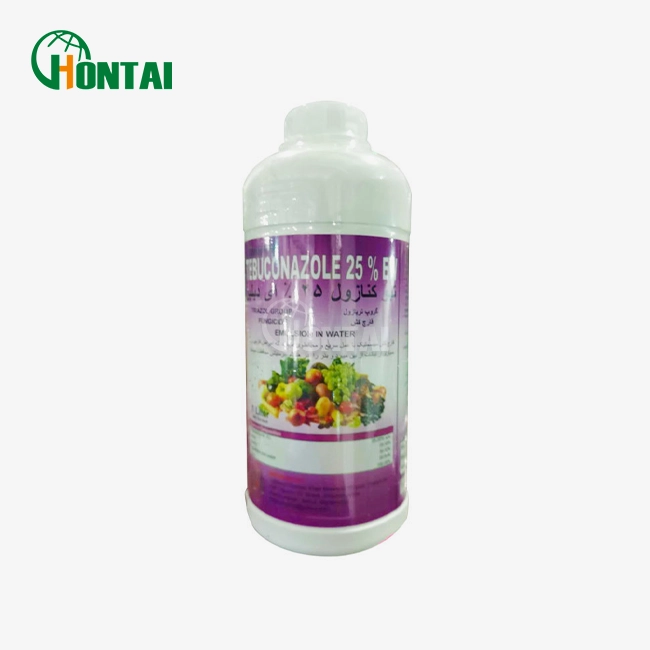
These two triazole drugs have comparable mechanisms of action, but slight changes affect selection criteria. Propiconazole has better rainfastness and is resistant to wash-off within 1 to 2 hours after application, but tebuconazole requires 2 to 4 hours. This is particularly useful in tropical and subtropical settings where rainfall is erratic. In laboratory bioassays, it demonstrates similar effectiveness on cereal rusts and powdery mildew, although propiconazole has somewhat greater activity on Septoria tritici in wheat. Cost studies generally indicate that propiconazole 250g EC formulations are competitively priced, frequently 20-30% below the premium branded tebuconazole treatments, with similar effectiveness in the field.
Positioning Against Strobilurin Fungicides
Azoxystrobin and other strobilurin fungicides ( FRAC Group 11) work by inhibiting the respiratory chain. This is a completely different mode of action than triazole DMIs. Strobilurins are very effective in preventing infection during the early cycles of illness, but their utility alone is reduced due to the development of widespread resistance. Dual-mode-of-action premixes sometimes use strobilurins in tank mixes with triazole partners such as propiconazole to increase product life and control illness as part of integrated resistance management strategies. These combination medicines often fetch a premium price (20-35% above single-ingredient formulations) that reflects their higher value for big commercial operators working with resistance-prone diseases.
Advantages Over Multi-Site Contact Fungicides
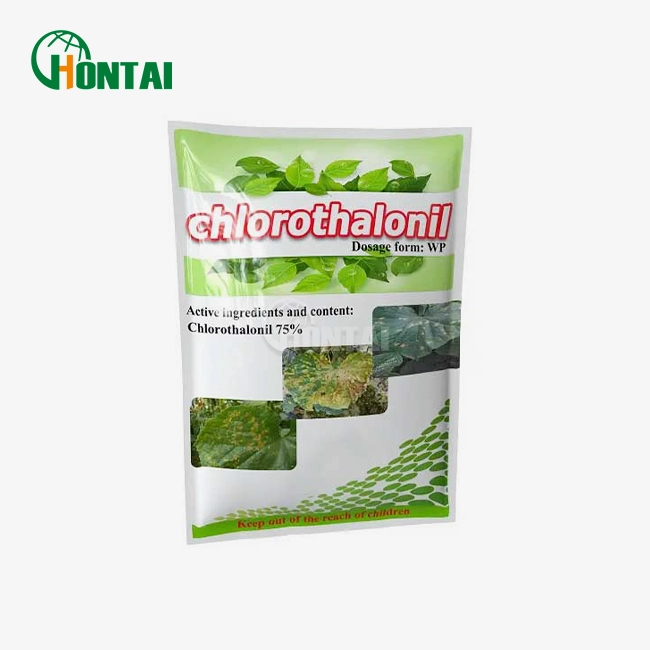
Traditional protectants such as mancozeb and chlorothalonil need to be applied well and often, which increases labour and equipment expenses. Propiconazole is systemic and is transported to protect plant areas not touched during application. This means less water used per hectare and longer spray intervals – especially useful for big plantation managers working over 200+ hectares. Economic modelling suggests that replacing 5-6 applications of mancozeb each season with 2-3 applications of propiconazole may lower overall fungicide program expenditures by 15-25% and increase consistency of disease control.
Strategic Procurement of Propiconazole for Global B2B Clients
Quality fungicide technical material and formulated product sourcing requires thorough supplier assessment and supply chain planning. We have designed procurement frameworks that solve the particular issues of agricultural chemical distributors, government plant protection agencies, and OEM brand developers.
Identifying Certified Manufacturing Partners
Quality assurance starts with the selection of manufacturers. Good vendors are GMP-certified and show batch-to-batch purity standards. The technical concentrate criteria should confirm 95% active ingredient concentration by Gas Liquid Chromatography (GLC) or High-Performance Liquid Chromatography (HPLC). The ratio of cis/trans isomers may have a large effect on biological activity, and hence the ratios need to be checked to ensure they are within the registered criteria (normally 40:60 depending on the synthesis technique). Requesting Certificates of Analysis (CoA) for their latest manufacturing batches informs you about their quality control processes.
Quality Control Parameters and Testing Protocols
Quality verification is more than the assay of active ingredients. CIPAC MT 36.3 emulsion stability tests indicate possible formulation problems that may impact field performance. The high-grade propiconazole 250g EC should create stable milky emulsions on dilution without separation of cream or oil droplets after standing for 24 hours. Acidity/alkalinity measurements (pH 5.0-8.0 range) avoid deterioration of active ingredients during storage. Karl Fischer titration for water content guarantees that EC formulations have <0.5% moisture, which prevents hydrolysis and phase separation. Testing standards safeguard purchasers from inferior material that undermines effectiveness and destroys consumer relationships.
Logistics Considerations and Order Structuring
Typical amounts procured are 3-15 tonnes per shipment for formulated goods, and 1-3 tonnes are typical for technical concentrate. Combination premix goods often trade in 2-8 tonne volumes. Payment terms are tailored to client relationship maturity – baseline is 30% deposit + 70% pre-shipment T/T, but experienced distributors with 2+ year track records may negotiate for 60-day credit terms. Letter of Credit agreements are typically required by government institutional purchasers. Packaging issues include anti-UV containers for light-sensitive compositions and multi-language labelling to comply with destination market standards. Lead periods are often 15-25 days from order confirmation till port departure, necessitating earlier planning to coordinate with seasonal application dates.
Regulatory Documentation and Registration Support
Complete registration files are needed for market entry, which include toxicological investigations, environmental fate data, and findings of effectiveness trials. Suppliers who can provide registration-ready items with full GLP documentation might fetch a premium of 15-25% due to faster market entry times. This is especially useful in markets with long approval times – Brazil’s ANVISA/MAPA registration takes 24-36 months, while Indonesian TPP certification and Russian GOST procedures have their own paperwork requirements. By working with providers that have knowledge of the regulatory environment of the target market, you may minimise compliance risks and avoid expensive shipping rejections.
Maximizing Crop Yields with Propiconazole: Application & Resistance Management
Optimal fungicide performance requires precision in timing, dosage, and rotation strategies. We've compiled application guidelines reflecting current agronomic research and field validation across diverse cropping systems.
Crop-Specific Application Protocols
Cereal disease management typically employs propiconazole at 100-150 g active ingredient per hectare, applied during flag leaf emergence through early heading stages when rust and powdery mildew infections establish. Rice cultivation targets sheath blight and blast with 75-125 g/ha applications timed to tillering and panicle initiation growth stages. Fruit and vegetable production often requires 200-300 ppm spray concentrations for foliar diseases, with 7-14-day intervals depending on disease pressure and weather conduciveness. Tank volume calculations should maintain proper spray coverage—typically 200- 400 L/ha for field crops and 500-1000 L/ha for high-density orchards.
Integrated Resistance Management Strategies
The threat of fungicide resistance necessitates proactive rotation planning. Propiconazole belongs to FRAC Group 3 (DMI triazoles), requiring alternation with different mode-of-action groups to preserve efficacy. Rotation sequences might alternate triazole applications with succinate dehydrogenase inhibitors (SDHI, Group 7) or multi-site protectants. Tank-mixing propiconazole with contact fungicides provides immediate resistance management benefits while extending overall protection duration. Premix products combining propiconazole with strobilurins or SDHIs offer convenient resistance management in single packages, explaining their market premium and growing adoption among large commercial operators.
Compatibility with Sustainable Agriculture Frameworks
Integrated Pest Management (IPM) programs incorporate fungicides as tactical tools within broader disease suppression strategies. Propiconazole integrates effectively with cultural practices like crop rotation, resistant varieties, and sanitation protocols. Disease threshold monitoring allows targeted applications only when economic injury levels approach, reducing unnecessary treatments. While not approved for certified organic production, propiconazole serves conventional growers transitioning toward reduced-input systems. Precision agriculture technologies, including weather-based disease forecasting models, optimize application timing, maximizing biological efficacy while minimizing chemical inputs and environmental loading.
Case Studies and Future Prospects of Propiconazole in Agriculture
Real-world performance data demonstrates propiconazole's tangible impact on agricultural productivity and profitability across diverse global contexts.
Quantifiable Yield Protection Results
"Kazakhstan wheat growers have reported yield gains of 18-24% when propiconazole regimens are used vs previous fungicide chemistries for yellow rust control. The systemic action provided constant control under tough application circumstances during Spring growth flushes. Brazilian soybean plantations that included propiconazole in Asian Soybean Rust management regimens obtained 15-20% yield protection relative to untreated controls with decreases in disease severity >80%. In Vietnam, propiconazole sprays during the crucial reproductive phases for rice blast and sheath blight improved grain quality and production by 12-16%. Such recorded results give hard ROI support for procurement spending choices.
Emerging Formulation Technologies
Innovation keeps pushing the envelope on fungicide delivery techniques and biological efficacy. Microencapsulation methods provide longer residual activity and lower the danger of phytotoxicity via controlled release. Nano-formulation research is targeted at optimising particle size for better cuticular penetration and systemic translocation efficiency. Adjuvant system development is focused on the improvement of rainfastness, UV stability, and redistribution in the vapour phase. These developments provide an opportunity for OEM brand owners to differentiate their products by developing unique formulation platforms that provide greater field performance than generic commodity products.
Regulatory Evolution and Market Dynamics
Globally, initiatives to harmonise registration rules are progressively being adopted, although regional disparities still exist. The criteria for Maximum Residue Limit (MRL) are still dynamic, and market access has to be closely monitored. Greater focus on environmental risk assessments affects the approval procedures and limitations on usage. Consolidation among the agrochemical producers changes the supply chain dynamics, while generic entry after patent expiry promotes price competitiveness. Good procurement strategies are those that can see these regulatory and commercial changes coming, locking in secure supplier agreements with manufacturers that are serious about stewardship excellence and investing in regulatory compliance.
Conclusion
Propiconazole fungicide is an established option for agricultural companies seeking dependable disease control and quantifiable yield protection. Its systemic activity, broad-spectrum effectiveness, and compliance with resistance management techniques meet important demands in commercial farming, government disease response programs, and branded product development. Strategic sourcing involves assessing technical requirements, supplier capabilities, and application optimisation tactics within particular operational settings. The compound’s good safety profile and regulatory status help international commerce and sustainable agricultural intensification. As formulation technology and market factors are evolving, propiconazole is well positioned as an essential active ingredient in integrated crop protection programs around the globe.
FAQ
1. Is propiconazole safe for agricultural workers and consumers?
When handled according to label instructions with appropriate personal protective equipment, propiconazole presents manageable occupational risks. Established MRLs across major crops ensure consumer safety when pre-harvest intervals are observed. Comprehensive toxicology studies support regulatory approvals in over 60 countries worldwide.
2. How does propiconazole pricing compare to alternative fungicides?
Cost analysis positions quality propiconazole formulations 20-30% below premium branded alternatives while maintaining comparable field efficacy. Combination premix products command 20-35% premiums over single-ingredient formulations, reflecting enhanced resistance management value and convenience benefits.
3. Can propiconazole be used in organic farming systems?
Propiconazole is not approved for certified organic production. However, it serves conventional growers effectively and integrates well within Integrated Pest Management (IPM) frameworks that emphasize judicious pesticide use alongside cultural and biological control methods.
4. What resistance management practices should accompany propiconazole use?
Rotate with fungicides from different FRAC groups, employ tank-mixes with multi-site protectants, use disease-resistant varieties when available, and apply only when monitoring indicates economic thresholds are approaching. These practices extend product longevity and maintain control efficacy.
Partner with Hontai for Reliable Propiconazole Supply
Hebei Hontai Biotech Co., Ltd stands ready to support your agricultural chemical procurement needs with professional-grade propiconazole formulations. As an established manufacturer specializing in fungicides, herbicides, and integrated crop protection solutions, we deliver consistent technical quality backed by rigorous QC protocols and complete regulatory documentation. Our flexible production capabilities accommodate custom formulation development, private-label packaging, and combination premix products tailored to regional disease spectra. Bulk ordering from 3-ton lots through containerized shipments ensures your operation maintains uninterrupted supply during critical application windows. Our skilled technical team provides responsive support for formulation questions, application protocols, and resistance management guidance. Connect with our sales specialists at admin@hontai-biotech.com to discuss your specific requirements and request product samples.
References
1. Mueller, D.S., and Wise, K.A. (2020). Fungicide Efficacy for Control of Soybean Foliar Diseases. Purdue Extension Publication BP-162-W, Purdue University.
2. Brent, K.J., and Hollomon, D.W. (2007). Fungicide Resistance in Crop Pathogens: How Can It Be Managed? FRAC Monograph No. 1, Fungicide Resistance Action Committee.
3. Russell, P.E. (2005). A Century of Fungicide Evolution. Journal of Agricultural Science, 143(1), 11-25.
4. Hewitt, H.G. (1998). Fungicides in Crop Protection. CAB International, Wallingford, UK.
5. Oliver, R.P., and Hewitt, H.G. (2014). Fungicides in Crop Protection (2nd edition). CABI Publishing, Boston, Massachusetts.
6. van den Bosch, F., Paveley, N., Shaw, M., Hobbelen, P., and Oliver, R. (2011). The Dose Rate Debate: Does the Risk of Fungicide Resistance Increase or Decrease with Dose? Plant Pathology, 60(4), 597-606.
Our customers’ satisfaction speaks for our quality — contact us to experience the same reliable service.