- English
- French
- German
- Portuguese
- Spanish
- Russian
- Japanese
- Korean
- Arabic
- Greek
- German
- Turkish
- Italian
- Danish
- Romanian
- Indonesian
- Czech
- Afrikaans
- Swedish
- Polish
- Basque
- Catalan
- Esperanto
- Hindi
- Lao
- Albanian
- Amharic
- Armenian
- Azerbaijani
- Belarusian
- Bengali
- Bosnian
- Bulgarian
- Cebuano
- Chichewa
- Corsican
- Croatian
- Dutch
- Estonian
- Filipino
- Finnish
- Frisian
- Galician
- Georgian
- Gujarati
- Haitian
- Hausa
- Hawaiian
- Hebrew
- Hmong
- Hungarian
- Icelandic
- Igbo
- Javanese
- Kannada
- Kazakh
- Khmer
- Kurdish
- Kyrgyz
- Latin
- Latvian
- Lithuanian
- Luxembou..
- Macedonian
- Malagasy
- Malay
- Malayalam
- Maltese
- Maori
- Marathi
- Mongolian
- Burmese
- Nepali
- Norwegian
- Pashto
- Persian
- Punjabi
- Serbian
- Sesotho
- Sinhala
- Slovak
- Slovenian
- Somali
- Samoan
- Scots Gaelic
- Shona
- Sindhi
- Sundanese
- Swahili
- Tajik
- Tamil
- Telugu
- Thai
- Ukrainian
- Urdu
- Uzbek
- Vietnamese
- Welsh
- Xhosa
- Yiddish
- Yoruba
- Zulu
How Does Abamectin Spiromesifen Work on Resistant Pests?
share:
Resistant insect populations continue to plague producers everywhere, affecting output stability and pushing procurement experts to revisit their plans for the crop protection toolbox. The combined formulation of abamectin spiromesifen was developed to fight insect populations at several life stages concurrently via two separate biochemical mechanisms, addressing this key problem. This dual mode of action of abamectin and spiromesifen impairs nerve transmission in adult mites and whiteflies while simultaneously limiting lipid synthesis in eggs and juvenile stages, offering a complete control mechanism that minimises resistance development and maximises field effectiveness across different cropping systems.

Understanding Resistant Pests and the Need for Advanced Solutions
What Are Resistant Pests?
Repeated exposure of pests to a pesticide with one mechanism of action allows genetic changes that survive that chemical to spread across the population, resulting in resistant bugs. Spider mites, whiteflies, and aphids are especially notorious for fast resistance development due to their short generation durations and high reproduction rates. Agricultural research institutions have shown that when just organophosphates or synthetic pyrethroids are used, the development of resistant mite populations may occur in 10-15 spray cycles.
Economic Impact on Agricultural Supply Chains
The expenses of dealing with resistant pest outbreaks are far more than those of product failures. This means higher returns for Distributors, inconsistent data on registration effectiveness for brand owners, and a loss of output for large-scale plantings averaging 15-30% during heavy infestations. Government procurement processes demand documentation of resistance management techniques. This adds another layer of complexity to tender requirements and adds to the administrative burden on providers trying to comply.
Procurement Challenges in Sourcing Effective Solutions
There are a host of issues that agricultural chemical importers face with pest management resistance. Changing vendors often leads to inconsistent quality of batches and difficulty in trusting field performance data. Gaps in registration documentation impact market entry timelines. Price volatility in active ingredient markets makes negotiating long-term contracts challenging. In fact, any procurement manager looking for a dependable technical concentration or formulated product must balance the competitive FOB cost against the verifiable effectiveness statistics against resistant strains. Therefore, the supplier’s technical support skills are becoming an increasingly important part of the purchase decision.
How Abamectin and Spiromesifen Work: Modes of Action Explained
Abamectin: Nerve Signal Disruption
Abamectin is an avermectin family member (IRAC Group 6) that acts on glutamate-gated chloride channels in arthropod nerve and muscle cells. When contact or ingestion occurs, abamectin binds to these channels, producing hyperpolarisation of nerve cells, resulting in paralysis and death within 24-48 hours. This technique is especially potent against adult mites and whiteflies that have evolved metabolic resistance to organophosphates, as the molecular target location is completely different from that of traditional neurotoxins.
Abamectin has translaminar action that allows it to penetrate leaf tissue and form a poisonous reservoir that affects pests feeding on the undersides of leaves without the need for direct contact with the spray. This trait is beneficial in greenhouse and thick-canopy crops where limits in spray coverage often impair conventional pesticide efficacy.
Spiromesifen: Lipid Biosynthesis Inhibition
Abamectin spiromesifen is an IRAC Group 23 inhibitor of lipid biosynthesis and is classified as an acetyl-CoA carboxylase inhibitor, a process required to make fatty acids. Eggs do not develop, nymphs do not complete moulting processes, and adult females lay eggs that are not viable without effective lipid synthesis. This biochemical derangement produces ovicidal and nymphicidal action of a kind not seen in most conventional acaricides.
This residual activity of spiromesifen varies 21-30 days after treatment in field circumstances. This allows further reduction of the population as successive generations seek to establish. The prolonged protection window decreases the need for frequent applications compared to shorter-residual solutions, reducing labour costs and thus minimising crop exposure times for commercial operations.
Synergistic Resistance Management
Together, these two very different methods of acting provide what resistance management experts call " multisite disruption" – hitting pest populations at the same time via separate biochemical routes. Genetic alterations that provide resistance to nerve channel disruptors do not confer resistance to lipid synthesis inhibitors, and vice versa. This cross-protection approach greatly extends the usable lifetime of products and protects the expenditures made in procurement, compared to single-active formulations that dramatically accelerate resistance development.
Comparison of Abamectin vs Spiromesifen for Resistant Pest Management
Efficacy Spectrum Differences
Abamectin offers quick knockdown of motile adult stages and is thus suited for instances where urgent population reduction is necessary before important crop stages like blooming or fruit development. Spiromesifen targets immature stages and inhibits reproductive ability, therefore being more appropriate for preventative programs aiming at long-term population suppression than for emergency intervention.
Field trial findings from tropical vegetable production systems indicate that abamectin alone decreases adult whitefly populations by 85-92% within 72 hours, although population recovery occurs within 14 days when surviving eggs hatch. Spiromesifen treatments result in only 40-55% reduction in immediate adult numbers but provide 25-35 days of suppression below economic thresholds via reproductive disruption.
Environmental and Residue Profiles
Spiromesifen is less acutely hazardous to vertebrates and has a minor impact on populations of predatory mites often utilised in integrated pest management systems, and is thus compatible with biological control tactics. Abamectin is very poisonous to beneficial insects, especially bees, and limits on application timing during blooming times are needed to protect pollinators.
Pre-harvest interval requirements for active ingredient and crop type vary. Intervals of 7-14 days are common for green vegetables with abamectin, whereas shorter intervals of 3-7 days are possible with spiromesifen in several registered crops. Tolerance levels vary widely from one regulatory jurisdiction to another, and export-oriented enterprises have to check maximum residue limits in target markets.
Cost-Benefit Analysis for Procurement
The price of pure abamectin technical concentrate is usually 15-25% lower per kg than spiromesifen of similar purity from Chinese producers. However, the longer residual action of abamectin spiromesifen lowers overall seasonal application costs by reducing the need for frequent sprays. Combination formulations such as the 3.6% EC or WDG formulations provide procurement benefits of reduced inventory management and shipping volumes compared to sourcing single active ingredients.
Combination formulations are priced 15-30% more than generic single-active medicines, yet give demonstrable resistance management advantages that increase product lifetime value. Brand owners may create private-label lines that can be differentiated with market positioning via proven resistance management claims backed by multisite mode-of-action messaging.
Practical Guidelines for Using Abamectin and Spiromesifen in Procurement and Application
Dosage and Application Timing
The combined formulation of 3.6% is often used at the rate of 60-100 ml per 100 litres of water, depending on the pest pressure levels and crop variety. Early action, while pest numbers are still below economic thresholds, maximises effectiveness and minimises selection pressure for resistance. Application during cooler morning or evening hours enhances coverage and decreases photodegradation of abamectin under severe sunshine exposure.
Spray intervals should be 10-14 days during times of high pressure, and rotation to alternate mode-of-action products after two consecutive sprays will further minimise resistance risk. Tank mixing with neutral pH adjuvants enhances leaf surface wetting and penetration, especially on waxy crops such as citrus and onions, where coverage problems often affect performance.
Safety Protocols and Environmental Protection
Applicators must use adequate personal safety equipment, including chemical-resistant gloves, long sleeves, and eye protection, while mixing and applying. Aquatic Toxicity: Highly poisonous to aquatic creatures. Buffer zones are required from water bodies. Drift reduction procedures should be strictly followed after application. Do not apply while bees are foraging, such as during bloom times, since abamectin may be quite risky for pollinators.
Empty containers should be disposed of in accordance with local environmental standards, including triple-rinsing prior to recycling or allowed disposal. Clean application equipment thoroughly after use to avoid contamination of sensitive crops in future applications.
Storage and Shelf Life Considerations
The EC and WDG formulations should be stored in cool, dry settings away from direct sunlight and at temperatures between 5 and 30 °C for best stability. In hot-climate settings, the WDG formulation provides benefits where solvent-based EC solutions might undergo phase separation or emulsion disintegration after lengthy storage at temperatures over 35°C.
When containers are maintained sealed, properly kept product will keep active ingredient integrity for 24-36 months from the date of manufacture. Procurement managers should use first-in, first-out inventory rotation strategies to prevent ageing stock problems. Results of stability tests with less than 5% active ingredient degradation during accelerated ageing at 54°C for 14 days suggest good formulation quality suited for multi-year registration obligations.
Evaluating Supplier Quality Standards
Procurement specifications for combination formulations should require verification of the active ingredient content by HPLC with tolerances of ±0.3% from the stated concentration, testing of emulsion stability to the standards of CIPAC MT 36.3 for EC formulations, and testing of suspensibility to the standards of >85% for WDG products. Suppliers that can provide full Certificate of Analysis paperwork, including pH values, storage stability data, and batch traceability, exhibit quality assurance skills that are crucial for regulatory compliance.
Factory audit inspections should check GMP production conditions, analytical laboratory capabilities for quality control testing, and documented standard operating procedures for formulation consistency. Registration assistance packages are offered by established manufacturers that include summary data on toxicological studies, environmental fate data, and effectiveness trial reports that help to ease market entrance procedures for brand owners and government tender participants.
Case Studies and Success Stories: Managing Resistant Pests with Abamectin and Spiromesifen
Protected Horticulture: Greenhouse Tomato Production
In the southeast, a vegetable co-operative handling 120 hectares of greenhouse tomatoes had to deal with whitefly populations resistant to standard neonicotinoids and pyrethroids. The 3.6% WDG formulation, when applied at 80 ml/100 litres at 12 days interval decreased the whitefly nymphs by 94% during three treatment cycles. The facility had a 23% output boost over the previous season, with improved fruit quality grades satisfying export criteria. Total pest control expenditures were lowered by 18% due to reduced application frequency from their prior schedule of pyrethroid spray every seven days.
Citrus Orchards: Red Spider Mite Control
In the tropical producing zones, a commercial citrus enterprise of 800 hectares had a problem with organophosphate acaricide-resistant populations of Panonychus citri. The 3.6% EC formulation rotated with alternate IRAC group products on a 14-day schedule kept mite numbers below economic thresholds throughout the key fruit development phase. Mite feeding damage that scars fruit was reduced from 31% to 8% of fruit collected, greatly boosting export pack-out rates and premium price eligibility.
Ornamental Export Operations
The combined product was used by flower exporters working under zero-tolerance pest guidelines as a pre-harvest clean-up treatment 7-10 days before cutting. The translaminar activity of abamectin and the persistent effects of spiromesifen took care of hidden pests within bud scales and thick foliage that are often missed by contact insecticides. Financial losses were significantly reduced as rejection rates at destination market inspections were reduced from 12% to below 2%, saving market access credentials.
Conclusion
Managing resistant pest populations involves advanced formulation techniques that may hit many biochemical pathways simultaneously. Abamectin and spiromesifen have complementary mechanisms of action, targeting both immediate knockdown and long-term population suppression, increasing product usable life while safeguarding agricultural yield. Procurement experts are able to use their knowledge of the technical differences when assessing supplier capabilities and product specifications to make sure they meet operational needs and regulatory compliance criteria in different regions.
FAQ
1. Can abamectin and spiromesifen be tank-mixed with other products?
The combination formulation shows compatibility with most neutral or slightly acidic fungicides and foliar fertilizers commonly used in crop protection programs. However, avoid mixing with alkaline materials, including lime sulfur, copper-based products, or Bordeaux mixture, as high pH conditions rapidly degrade abamectin effectiveness. Always conduct jar tests when introducing new tank-mix partners to verify physical compatibility before large-scale application.
2. Which formulation type works best for my operation?
The EC formulation delivers superior penetration on waxy leaf surfaces found in citrus, onions, and cruciferous crops, making it preferable when pest populations concentrate on difficult-to-wet plant surfaces. The WDG formulation reduces phytotoxicity risks on sensitive ornamentals and young vegetable transplants while eliminating solvent odors problematic in protected cultivation environments. WDG products also simplify handling and storage in high-temperature regions where liquid formulations may separate.
3. How quickly does the product provide pest control?
Abamectin component delivers visible knockdown of adult mites and whiteflies within 24-72 hours as nerve disruption causes feeding cessation and paralysis. Spiromesifen effects manifest more gradually over 5-10 days as developing eggs fail to hatch and nymphs cannot complete molting. Peak efficacy occurs 7-14 days post-application when both immediate mortality and reproductive disruption combine to collapse pest population dynamics.
Partner with Hontai for Reliable Abamectin Spiromesifen Supply
Securing consistent access to quality abamectin spiromesifen formulations requires partnerships with manufacturers demonstrating technical expertise and supply chain reliability. Hontai maintains strict quality control protocols ensuring batch-to-batch consistency critical for multi-season efficacy performance and regulatory compliance. Our formulation capabilities span EC and WDG delivery systems with custom packaging options supporting private-label brand development and market-specific registration requirements.
We support procurement professionals through flexible MOQ structures accommodating both sample-stage evaluation and commercial-scale orders from 1-20 tons per shipment. Complete documentation packages, including COA, MSDS, stability data, and efficacy trial reports, streamline your registration processes and tender submission requirements. Our technical team provides resistance management protocols and application guidelines tailored to your target crops and regional pest pressures.
Contact our team at admin@hontai-biotech.com to discuss your specific procurement needs, request product samples, or obtain FOB pricing as a qualified abamectin spiromesifen manufacturer.
References
1. Sparks, T.C., Nauen, R. (2015). IRAC: Mode of Action Classification and Insecticide Resistance Management. Pesticide Biochemistry and Physiology, 121, 122-128.
2. Van Leeuwen, T., Vontas, J., Tsagkarakou, A., Dermauw, W., Tirry, L. (2010). Acaricide Resistance Mechanisms in the Two-Spotted Spider Mite. Pest Management Science, 66(11), 1127-1138.
3. Bretschneider, T., Benet-Buchholz, J., Fischer, R., Nauen, R. (2007). Spirodiclofen and Spiromesifen: Novel Acaricidal and Insecticidal Tetronic Acid Derivatives. Chimia, 61(12), 697-710.
4. Horowitz, A.R., Ishaaya, I. (2014). Dynamics of Biotypes B and Q of the Whitefly Bemisia tabaci and its Impact on Insecticide Resistance. Pest Management Science, 70(10), 1568-1572.
5. Dinter, A., Brugger, K., Bassi, A., Frost, N.M., Woodward, M.D. (2009). Chlorantraniliprole: Profile of a New Cross-Spectrum Insecticide for Resistance Management. Bayer CropScience Journal, 62(2), 159-180.
6. Gao, Y., Lei, Z., Reitz, S.R. (2012). Western Flower Thrips Resistance to Insecticides: Detection, Mechanisms and Management Strategies. Pest Management Science, 68(8), 1111-1121.
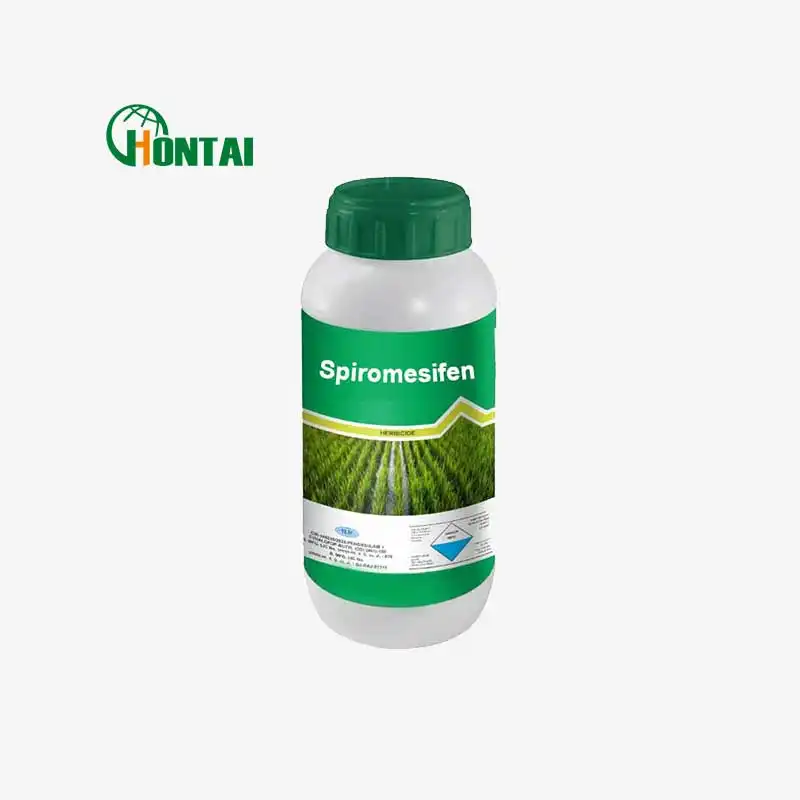
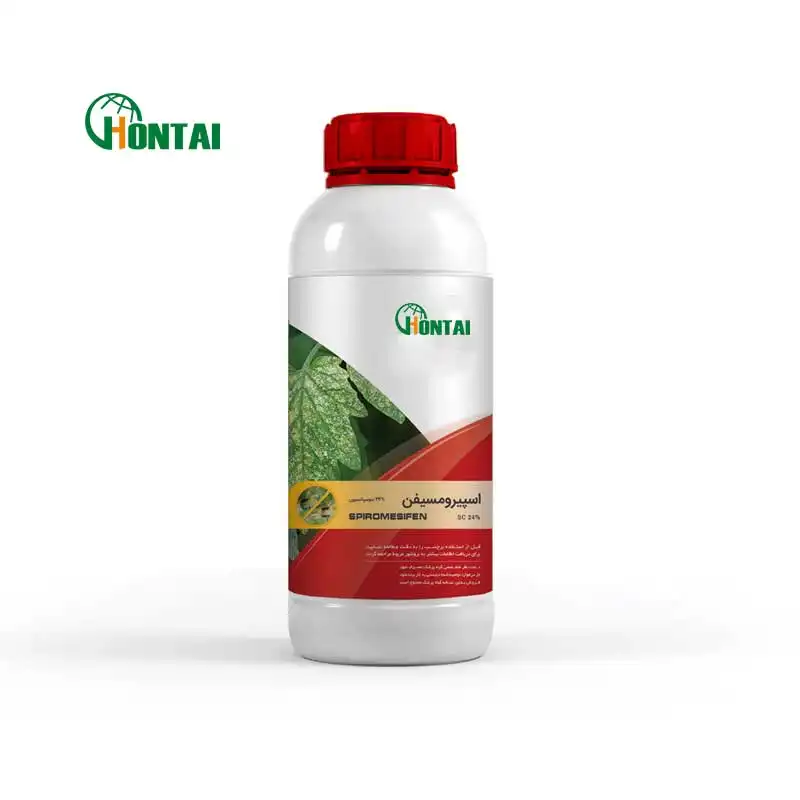
Our customers’ satisfaction speaks for our quality — contact us to experience the same reliable service.