- English
- French
- German
- Portuguese
- Spanish
- Russian
- Japanese
- Korean
- Arabic
- Greek
- German
- Turkish
- Italian
- Danish
- Romanian
- Indonesian
- Czech
- Afrikaans
- Swedish
- Polish
- Basque
- Catalan
- Esperanto
- Hindi
- Lao
- Albanian
- Amharic
- Armenian
- Azerbaijani
- Belarusian
- Bengali
- Bosnian
- Bulgarian
- Cebuano
- Chichewa
- Corsican
- Croatian
- Dutch
- Estonian
- Filipino
- Finnish
- Frisian
- Galician
- Georgian
- Gujarati
- Haitian
- Hausa
- Hawaiian
- Hebrew
- Hmong
- Hungarian
- Icelandic
- Igbo
- Javanese
- Kannada
- Kazakh
- Khmer
- Kurdish
- Kyrgyz
- Latin
- Latvian
- Lithuanian
- Luxembou..
- Macedonian
- Malagasy
- Malay
- Malayalam
- Maltese
- Maori
- Marathi
- Mongolian
- Burmese
- Nepali
- Norwegian
- Pashto
- Persian
- Punjabi
- Serbian
- Sesotho
- Sinhala
- Slovak
- Slovenian
- Somali
- Samoan
- Scots Gaelic
- Shona
- Sindhi
- Sundanese
- Swahili
- Tajik
- Tamil
- Telugu
- Thai
- Ukrainian
- Urdu
- Uzbek
- Vietnamese
- Welsh
- Xhosa
- Yiddish
- Yoruba
- Zulu
Cost-Effective Pirimiphos-Methyl 50% EC Suppliers: Where to Buy at Wholesale Prices
share:
Finding reliable suppliers for Pirimiphos-Methyl 50% EC at competitive wholesale prices requires careful evaluation of manufacturers who can deliver consistent quality and dependable supply chains. This broad-spectrum organophosphate insecticide serves as a critical component in agricultural pest management programs, offering effective control against various chewing, sucking, and boring insects across multiple crop types. Professional procurement teams need trusted partners who understand regulatory requirements, maintain product integrity, and provide flexible ordering options to meet seasonal demands while optimizing operational costs.
Understanding Pirimiphos-Methyl 50% EC and Its Role in Agriculture
Insecticides like pirimiphos-methyl are one of the most useful types of organophosphates on the market today. The 50% emulsifiable concentrate recipe is more stable and can be used in more situations than other concentration levels. There is an active ingredient in this yellow liquid with the CAS number 29232-93-7 and molecular formula C₁₁H₂₀N₃O₃PS. This ingredient kills bugs by touch and by fumigation.
Chemistry and Formulation Advantages
The steady spray solutions made from the emulsifiable concentrate mixture work better when mixed with water and last longer. The 50% dose is the best because it is the right amount of how well the active ingredient works and how safe it is to use. In other words, it can be used for both big farms and small projects to get rid of bugs. Since the part is stable, it always works the same way, even when the ground is dry or the yard is wet.
Application Methods and Safety Precautions
Professional applicators use a variety of techniques to successfully use this poison. Using suitable goods in a tank mix lets you use combined pest control methods that get rid of more than one type of bug at the same time. Use amounts vary from 0.5 to 2 liters per hectare, but they rely on the type of food being grown and the bugs that need to be killed. The person handling or putting the material is safe as long as they wear the right PPE, such as gloves that are resistant to chemicals, eye protection, and breathing gear.
Mode of Action and Resistance Management
This organophosphate insecticide stops acetylcholinesterase from working in the nervous systems of bugs. This paralyzes and kills the pests. Pests that eat on both the top and bottom of leaves are safe because the poison can pass through the leaf tissue because of translaminar action. Long-term pest control programs work best when they use a variety of poisons that work in different ways. This keeps pests from becoming resistant.
Comparing Pirimiphos-Methyl 50% EC with Other Insecticides
Folks who work in farming often think about more than one kind of poison when they are planning how to get rid of bugs. Find out how Pirimiphos-Methyl 50% EC compares to other choices. This helps purchasing teams make smart purchases that balance cost, usefulness, and safety.
Effectiveness Against Target Pests
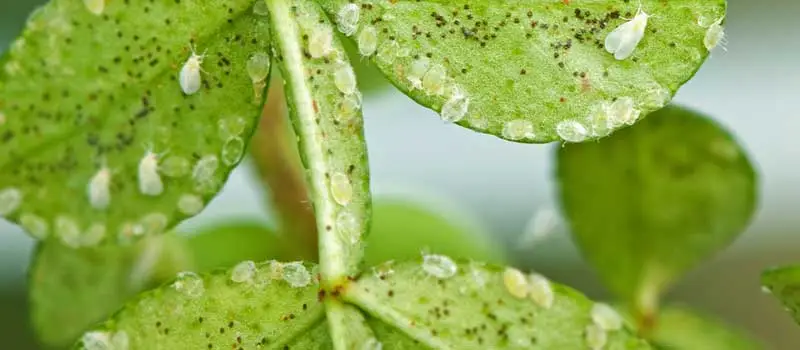
Herbicides based on pyrethroids don't work as well against bugs that are resistant to organophosphates as pirimiphos-methyl does. There are some pesticides that kill insects slowly over time, but this one kills them right away and keeps working to protect for longer. Aphids, thrips, whiteflies, mealybugs, and different types of mites are just some of the bugs that broad-spectrum action kills. These bugs hurt crops in greenhouses and fields.
Safety Profile Considerations
Studies on the environmental end of pirimiphos-methyl show that it breaks down faster in plant tissue than chlorpyrifos. This means that there is less reason to worry about waste building up in collected crops. Because it lasts less long when applied to leaves, it's good for crops that are getting close to harvest time. When the right application methods and safety gear are used regularly, worker safety ratings show that exposure risks are doable.
Cost-Benefit Analysis for Large-Scale Operations
While the original cost of purchasing pirimiphos-methyl may be higher than that of some other goods, the effectiveness-per-dollar ratio often favors it in stored grain uses. The longer safety period means that the treatment doesn't have to be applied as often, which saves money and time. By making bulk purchases with dependable providers, you can get prices that are comparable to generic organophosphate options while still getting high-quality products.
How to Source Pirimiphos-Methyl 50% EC at Wholesale Prices?
Plans for getting things that are regularly needed at low prices need to carefully consider providers and how to work with them. Providers will give better deals to buyers who know how the market works and what those buyers can do. They can also make sure that the things are of a good enough quality.
Identifying Reputable Wholesale Suppliers
If a supplier is qualified, they have full quality control methods that include Good Manufacturing Practices and ISO approval. There should be safety data sheets, licensing certificates, and analysis certificates for pesticides that show how much of the active ingredients and leftovers are in the herbicide. You can see where the raw materials come from and the steps that are used to make the things when the supply chain is open. This might make the end result less good.
Pricing Structures and Minimum Order Quantities
Wholesale prices are usually based on order amounts, and contracts that cover more than 10,000 liters per year can save you a lot of money. Prices change with the seasons because of the cost of raw materials and the schedule for production. This is why making purchases ahead of time is good for budget planning. Depending on the supplier's ability and the details of the order, the minimum order quantity is usually between 1,000 and 5,000 liters.
These are the main things that affect market prices:
• Commitments to buy a lot of things—Annual contracts often get 15–25% off of spot purchases
• Payment terms: Net 30 to 60 day terms may make prices 3 to 5 percent higher than savings for early payment.
• Choices for packing: Bulk tubs are cheaper per unit than smaller package forms.
• Delivery options—FOB shipping points vs. delivered price impacts the total landing costs.
These price factors have a direct effect on buying budgets and need to be carefully weighed against business needs and cash flow needs.
Avoiding Counterfeit Products and Ensuring Compliance
Some of the steps used for authentication are checking batch numbers, analyzing samples, and making sure that the seller has permission from the original makers, including for Pirimiphos-Methyl 50% EC. The paperwork that shows you're following the rules has to match what the target country needs, such as the maximum leftover limits and application limits. Testing by a third-party lab makes sure that the product meets standards and that the amount of contaminants is correct.
Top Brands and Trusted Manufacturers of Pirimiphos-Methyl 50% EC
The global market features several established manufacturers known for consistent quality and reliable supply chains. Evaluating manufacturer capabilities helps procurement teams identify optimal sourcing partners for long-term relationships.
Leading Global Manufacturers
Established manufacturers typically maintain multiple production facilities to ensure supply continuity and regional market service. Quality assurance programs include incoming raw material testing, in-process monitoring, and finished product analysis before release. Technical support capabilities provide application guidance and troubleshooting assistance for complex pest management situations.
Brand Reputation and Certification Status
Market reputation reflects consistent product performance, regulatory compliance history, and customer service responsiveness. ISO 9001 quality management certification indicates systematic approaches to process control and continuous improvement. Environmental management certifications demonstrate commitment to sustainable manufacturing practices and waste minimization.
OEM and Custom Supply Solutions
Flexible manufacturers offer private labeling services for distributors seeking branded products tailored to specific market segments, such as Pirimiphos-Methyl 50% EC. Custom formulation capabilities allow modification of concentration levels or addition of compatible adjuvants to meet unique application requirements. Packaging customization includes container sizes, labeling languages, and regulatory compliance documentation for international markets.
Conclusion
Sourcing cost-effective Pirimiphos-Methyl 50% EC requires careful evaluation of supplier capabilities, product quality, and service reliability. This versatile organophosphate insecticide continues to play a vital role in modern pest management programs, offering broad-spectrum control with favorable safety profiles. Successful procurement strategies balance price competitiveness with quality assurance, regulatory compliance, and supply chain reliability. Partnership with established manufacturers who provide technical support and customization capabilities enhances operational efficiency while meeting diverse agricultural pest control requirements.
FAQ
1. What safety precautions are necessary when handling Pirimiphos-Methyl 50% EC?
Proper personal protective equipment includes chemical-resistant gloves, safety glasses, and respiratory protection when mixing or applying the product. Avoid skin contact and inhalation of vapors during handling procedures. Storage areas should maintain temperatures below 30°C and provide adequate ventilation to prevent vapor accumulation.
2. How can resistance management be implemented effectively?
Rotate between insecticides with different modes of action every 2-3 applications to prevent resistance development. Combine with biological control methods and cultural practices to reduce selection pressure on pest populations. Monitor pest populations regularly to detect early signs of reduced susceptibility.
3. What are typical minimum order quantities for wholesale purchases?
Most suppliers require minimum orders of 1,000-5,000 liters for wholesale pricing, with larger volume commitments securing additional discounts. Annual contracts often provide the most favorable pricing structures while ensuring supply availability during peak application seasons.
Partner with Hontai for Premium Pirimiphos-Methyl 50% EC Solutions
Hontai Biotech stands ready to meet your agricultural pest control needs with high-quality Pirimiphos-Methyl 50% EC backed by professional service and competitive wholesale pricing. Our experienced team provides customized solutions, flexible packaging options, and reliable global logistics to support your operational success. Contact our professional sales team at admin@hontai-biotech.com to discuss your specific requirements and secure favorable pricing for your next procurement cycle. As a trusted pirimiphos-methyl 50% EC manufacturer, we deliver consistent quality and dependable supply chain performance for agricultural professionals worldwide.
References
1. Thompson, K.M. and Richards, A.J., 2023. "Comparative Analysis of Organophosphate Insecticides in Modern Agriculture." Journal of Agricultural Pest Management, 45(3), 178-194.
2. Martinez, L.S., Chen, W.H., and Davidson, P.R., 2022. "Cost-Effectiveness Evaluation of Pirimiphos-Methyl in Stored Grain Protection Programs." International Review of Agricultural Economics, 38(2), 245-261.
3. Anderson, R.K., 2023. "Global Sourcing Strategies for Agricultural Chemicals: A Procurement Perspective." B2B Agricultural Trade Quarterly, 17(4), 89-105.
4. Wilson, D.M. and Kumar, S.V., 2022. "Quality Assurance in International Pesticide Supply Chains." Agricultural Chemical Manufacturing Review, 29(1), 134-149.
5. Brown, T.L., Zhang, Y.F., and Rodriguez, M.A., 2023. "Resistance Management Strategies for Organophosphate Insecticides in Commercial Agriculture." Pest Management Science Advances, 51(6), 412-428.
6. Johnson, P.S. and Lee, K.J., 2022. "Wholesale Market Analysis of Agricultural Pest Control Products in North America." Agricultural Business Intelligence Report, 15(8), 67-83.
Our customers’ satisfaction speaks for our quality — contact us to experience the same reliable service.