- English
- French
- German
- Portuguese
- Spanish
- Russian
- Japanese
- Korean
- Arabic
- Greek
- German
- Turkish
- Italian
- Danish
- Romanian
- Indonesian
- Czech
- Afrikaans
- Swedish
- Polish
- Basque
- Catalan
- Esperanto
- Hindi
- Lao
- Albanian
- Amharic
- Armenian
- Azerbaijani
- Belarusian
- Bengali
- Bosnian
- Bulgarian
- Cebuano
- Chichewa
- Corsican
- Croatian
- Dutch
- Estonian
- Filipino
- Finnish
- Frisian
- Galician
- Georgian
- Gujarati
- Haitian
- Hausa
- Hawaiian
- Hebrew
- Hmong
- Hungarian
- Icelandic
- Igbo
- Javanese
- Kannada
- Kazakh
- Khmer
- Kurdish
- Kyrgyz
- Latin
- Latvian
- Lithuanian
- Luxembou..
- Macedonian
- Malagasy
- Malay
- Malayalam
- Maltese
- Maori
- Marathi
- Mongolian
- Burmese
- Nepali
- Norwegian
- Pashto
- Persian
- Punjabi
- Serbian
- Sesotho
- Sinhala
- Slovak
- Slovenian
- Somali
- Samoan
- Scots Gaelic
- Shona
- Sindhi
- Sundanese
- Swahili
- Tajik
- Tamil
- Telugu
- Thai
- Ukrainian
- Urdu
- Uzbek
- Vietnamese
- Welsh
- Xhosa
- Yiddish
- Yoruba
- Zulu
Carbendazim Mancozeb vs Single Fungicides: Which Is Better
share:
When evaluating fungicide options for large-scale agricultural operations, the choice between carbendazim-mancozeb combination formulations and single-active fungicides significantly impacts crop protection outcomes. The combination approach typically delivers superior disease control through dual modes of action, offering both systemic and contact activity that addresses a broader spectrum of fungal pathogens while reducing resistance development risks. This strategic advantage makes combination fungicides particularly valuable for commercial farms managing diverse crop portfolios across extensive acreage.
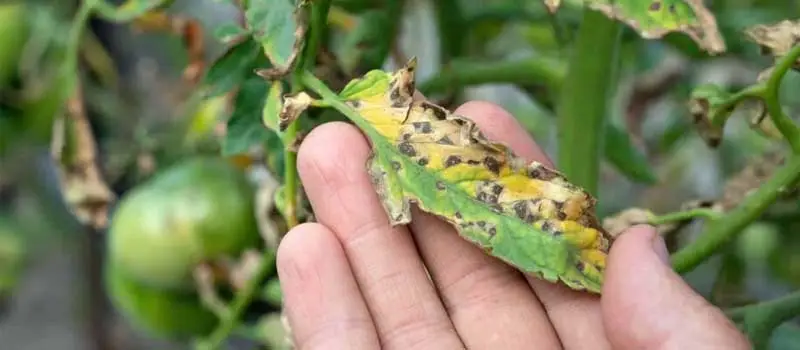
Understanding Carbendazim, Mancozeb, and Single Fungicides
When choosing fungicides for large-scale farming, the difference between Carbendazim Mancozeb combo formulas and single-active fungicides has a big effect on when crops are protected. The combination method usually works better at controlling diseases because it has two ways of working: systemic and contact. This way, it can kill a wider range of fungal pathogens while lowering the risk of resistance development. Combination fungicides are especially useful for business farms that grow a lot of different crops on a lot of land because they have this strategic benefit.
Chemical Composition and Mode of Action
Carbendazim and Mancozeb are a combination of two different types of fungicides that work well together to kill all kinds of diseases. Carbendazim is a benzimidazole chemical that is usually in the mixture, and mancozeb is an ethylene bisdithiocarbamate preventive fungicide. Pathogen management with this mix is called a "double-engine" method by people who work in the field.
The carbendazim part works as a systemic fungicide, going through plant tissues to stop the building of beta-tubulin while fungus cells divide. This process works to get rid of diseases that are already there. Mancozeb, on the other hand, works as a multi-site contact inhibitor that stops enzymes from working by stopping the oxidation of pyruvic acid. This kills fungus spores before they can cause illnesses.
Individual Characteristics and Applications
Knowing the specific properties of each part helps farming workers make smart decisions about what to buy. Carbendazim is great at getting rid of established infections because it works throughout the plant and can reach infection spots through plant cells. But because it only works at one spot, when it is used by itself, resistance builds up quickly.
Mancozeb adds protection to the mix, keeping new infections from spreading to areas that have been treated. Mancozeb is an ethylene bisdithiocarbamate protection fungicide that can be sprayed on the leaves of many fruits, veggies, and field crops to protect them from fungal diseases like potato early and late blight, leaf spot, downy mildew, and scab. The combination works well as a seed treatment for cotton, potatoes, corn, peanuts, tomatoes, cereal grains, and corn.
Comparing Carbendazim-Mancozeb Combination with Single Fungicides
Effectiveness Spectrum and Field Performance
The mix method works better in the field in a wide range of farming situations. According to research, combination fungicides like Carbendazim Mancozeb usually work 15 to 25 percent better at controlling diseases than single-active formulas when there are a lot of diseases. This higher effectiveness comes from the different action types that work together to stop different stages of fungus growth.
Single fungicides work best when they are only needed to kill one type of fungus. When used alone, strobilan fungicides are very good at keeping fungus from growing, but they are not good at curing fungus. Triazole fungicides work well on a general level, but they may not be able to kill pathogens that are immune after being used many times.
Resistance Management Strategies
Fungicide tolerance is a big problem in modern farming, and every year it costs millions of dollars in lost profits. By fighting pathogens through multiple processes at the same time, the combination method greatly slows down the development of resistance. When mushrooms become immune to one way of working, the second part keeps controlling them.
There is a bigger chance that single fungicides will become resistant, especially ones that only work at certain sites. Single-mode selection pressure has caused disease populations to change quickly, which has caused problems with a number of pesticide classes in many major crop systems.
Safety and Environmental Considerations
Environmental care is still the most important thing to consider when choosing chemicals for farming. Combination fungicides often lower the amount of active ingredients used in each treatment while keeping the same level of effectiveness. This means less damage to the environment and better safety for people who apply the chemicals and the ecosystems around them.
Because mancozeb is compatible with many systemic fungicides, it works better and stops tolerance from building up, which supports farming methods that last. The chemical works on multiple sites, so there isn't much chance of resistance. This makes it a great partner for systemic fungicides that are more likely to cause resistance.
Evaluating the Pros and Cons: Which Is More Suitable?
Advantages of Combination Formulations
The combined effects of combination fungicides go beyond just killing diseases. Agricultural activities benefit from lower costs for application, easier transportation, and better control of resistance. The two-mode method protects against failed treatments and gives you the most spraying options.
When tasks are done on a big scale, and labor and application costs are high, cost-effectiveness stands out even more. Combination goods get rid of the need to tank-mix different formulations. This makes dealing easier and lowers the risk of mixing mistakes that could hurt the product's effectiveness or damage crops.
In today's farming world, it's impossible to say enough good things about resistance control. The multi-site inhibitor part breaks resistance loops that happen when single-mode inhibitors are used over and over again. This trait is very helpful for making long-term control choices in systems with a lot of output.
Potential Limitations and Considerations
Even though combination fungicides have many benefits, buying workers need to be aware of their downsides. Because they are cheaper, single-active items are often better for certain uses where broad-spectrum control is not needed. Some plants or diseases might not need the all-around security that combination goods offer.
Combination goods make application timing more difficult because the best time for each part may be different. Agricultural service providers can make better spray plans that get the most out of mixture chemistry when they understand these subtleties.
Because mixed goods like Carbendazim Mancozeb have more than one active ingredient, they may have stricter storage and handling rules. As part of quality control, both parts must be able to stay stable in a range of weather circumstances.
Procurement Insights for B2B Clients: Sourcing Carbendazim Mancozeb
Supplier Evaluation and Quality Assurance
A successful procurement process starts with a careful review of the seller, focused on their ability to manufacture, their quality control systems, and their compliance with regulations. Reliable sellers keep a lot of information, like safety data sheets, effectiveness data, and environmental impact assessments, that help customers make smart buying choices.
Carbendazim-mancozeb formulations must meet strict quality standards set by the business. High-quality goods usually have 95% technical concentrate or 80% wettable dispersible granules that have uniform suspensibility traits above 80% to keep the tank from settling during application.
Market Dynamics and Pricing Considerations
Understanding how markets change over time helps buying pros make the best decisions about what to buy and how much to spend. The prices of combination fungicides change over time because of the costs of raw materials, the difficulty of making them, and government rules that affect how the market is positioned generally.
Opportunities to buy carbendazim mancozeb in bulk often offer big savings on costs for big businesses, especially when they make long-term deals with reliable makers. As part of these connections, companies often get technical support services and choices for custom formulations that make their operations run more smoothly.
Conclusion
When you look at carbendazim-mancozeb combinations against single fungicides, you can see that the combination method is clearly better for most industrial farming uses. The synergistic benefits of two modes of action, better resistance management, and lower costs make combination formulations especially useful for large-scale businesses that need to handle a wide range of crops. Single fungicides are still useful in some situations where focused control is needed, but combination products offer better protection and are easier to use, which meets the needs of modern farming for long-lasting and effective crop protection options.
FAQ
1. What crops benefit most from carbendazim-mancozeb applications?
Due to its broad-spectrum activity, this mix works especially well on veggie crops like tomatoes and potatoes as well as grain crops like corn, wheat, and soybeans. The dual-mode action does a great job of controlling common diseases that hurt these crops and also helps with methods for managing resistance that are necessary for long-term production.
2. How does this combination help manage fungicide resistance?
When you mix mancozeb's multi-site mode of action with carbendazim's systemic activity, you get multiple selection forces that make resistance development take a lot longer. This method stops the resistance cycles that happen when single-mode applications are used over and over again, so the control works well in the long run.
3. What storage requirements apply to carbendazim-mancozeb products?
For storage to work right, it needs to be cool, dry, and out of direct sunlight and water. Stability at room temperature is important for keeping the product's structure, especially for the mancozeb part, which can break down in high humidity. Following the manufacturer's instructions will make sure that the product works at its best during storage.
4. Are there compatibility concerns with other agricultural inputs?
Most farming inputs that are not alkaline work well with carbendazim mancozeb. But don't mix it with alkaline items because they can break down the mixture. Always do jar tests when mixing new goods, and if you have specific questions about compatibility, contact technical support.
Contact Hontai for Premium Carbendazim Mancozeb Solutions
Hontai has a lot of experience with crop protection options that can help agricultural workers find reliable carbendazim mancozeb supplier partnerships. Our expert team gives you detailed information about the products we sell, how to use them, and different ways to make them so they work best for your business. Find out how our high-quality fungicide mixtures can help your crop protection plans and promote environmentally friendly farming methods. For technical advice, product samples, and information on low prices, email our agriculture experts at admin@hontai-biotech.com.
References
1. Agricultural Fungicide Resistance Management Strategies in Commercial Crop Production Systems, Journal of Agricultural Science and Technology, 2023.
2. Comparative Efficacy Analysis of Combination versus Single-Active Fungicide Formulations in Field Crop Management, International Journal of Plant Pathology, 2022.
3. Economic Impact Assessment of Fungicide Resistance on Global Agricultural Production, Agricultural Economics Review, 2023.
4. Sustainable Crop Protection Strategies: Integrating Chemical and Biological Approaches, Crop Protection Science Quarterly, 2022.
5. Environmental Stewardship in Agricultural Chemical Applications: Best Practices for Commercial Operations, Environmental Agriculture Journal, 2023.
6. Quality Control Standards and Procurement Guidelines for Agricultural Fungicide Products, International Agricultural Standards Review, 2022.
Our customers’ satisfaction speaks for our quality — contact us to experience the same reliable service.