- English
- French
- German
- Portuguese
- Spanish
- Russian
- Japanese
- Korean
- Arabic
- Greek
- German
- Turkish
- Italian
- Danish
- Romanian
- Indonesian
- Czech
- Afrikaans
- Swedish
- Polish
- Basque
- Catalan
- Esperanto
- Hindi
- Lao
- Albanian
- Amharic
- Armenian
- Azerbaijani
- Belarusian
- Bengali
- Bosnian
- Bulgarian
- Cebuano
- Chichewa
- Corsican
- Croatian
- Dutch
- Estonian
- Filipino
- Finnish
- Frisian
- Galician
- Georgian
- Gujarati
- Haitian
- Hausa
- Hawaiian
- Hebrew
- Hmong
- Hungarian
- Icelandic
- Igbo
- Javanese
- Kannada
- Kazakh
- Khmer
- Kurdish
- Kyrgyz
- Latin
- Latvian
- Lithuanian
- Luxembou..
- Macedonian
- Malagasy
- Malay
- Malayalam
- Maltese
- Maori
- Marathi
- Mongolian
- Burmese
- Nepali
- Norwegian
- Pashto
- Persian
- Punjabi
- Serbian
- Sesotho
- Sinhala
- Slovak
- Slovenian
- Somali
- Samoan
- Scots Gaelic
- Shona
- Sindhi
- Sundanese
- Swahili
- Tajik
- Tamil
- Telugu
- Thai
- Ukrainian
- Urdu
- Uzbek
- Vietnamese
- Welsh
- Xhosa
- Yiddish
- Yoruba
- Zulu
Where to Buy Gibberellic Acid for Agriculture: Your Ultimate Buying Guide
share:
When procurement workers want to find reliable places to buy GA3 gibberellic acid for farming uses, they need a lot of information to make good decisions. Scientists have named this important plant growth regulator C19H22O6. It is a powerful way to make crops grow better in many growing places. Today, gibberellic acid is an important part of gardening because it helps seeds grow and makes fruits bigger and better. There are important things to think about when shopping, ways to evaluate sellers, and good buying strategies in this guide. These will help farming companies improve the way they buy things and make sure they always have good growth regulators available.

Understanding GA3 Gibberellic Acid and Its Agricultural Benefits
Find out more about GA3 gibberellic acid and how it can help farmers.
Gibberellic acid is a hormone that plants make on their own. It is a molecule of a diterpenoid. Some genes are turned on when this strong growth regulator binds to GID1 receptors. This starts processes in the body that help plants grow. DELLA proteins usually slow down growth responses, but this biological process breaks them down, which speeds up cell division and extension.
The Science Behind Plant Growth Enhancement
When gibberellic acid molecules are put together in a certain way, they can send precise chemical messages that change important steps in plant growth. This material changes the way genes are produced directly, which is different from most fertilizers that just add nutrients. About 100 kinds of gibberellins have been found by people who work in agriculture. Most of the time, GA3 is used because it is stable and works well with many types of food.
Key Agricultural Applications and Benefits
Today, farmers use GA3 gibberellic acid to fix some output issues that hurt the quality of the food they grow and their bottom line. When used in gardening, the chemical is very helpful because it helps table grapes go through parthenocarpy and make bigger berries. Gibberellic acid is used in the beer and malting industries to wake up barley kernels that have been inactive and speed up the production of enzymes. This makes the processing much faster.
This can help companies get more accurate information about when to plant seeds, when to flower, and how to set fruit when the weather is bad. It also makes food last longer by slowing the aging process in citrus fruits. This lets farmers pick the best time to gather based on market conditions instead of biological ones.
How to Choose the Right GA3 Gibberellic Acid Supplier for Your Business?
There are many things, such as the need for GA3 Gibberellic Acid, that affect both the quality of the product and the way the business runs, that need to be carefully thought out in order to choose the right provider. For buying strategies to work, they need to clearly describe the amount needed, how the crop will be used, and the yearly patterns of demand that affect what to buy.
Essential Supplier Evaluation Criteria
Being sure the source is pure is the most important thing to think about when looking at different ones. Most technical-grade gibberellic acid has 90% active ingredient, but the concentration of things that are made can be different. A lot of paperwork should be given by suppliers, such as certificates of analysis, government approvals, and test results from a third party that show the product meets the needs.
A lot of attention should be paid to the ways that quality control and production are done. Suppliers who have ISO licenses show that they are dedicated to meeting regular standards for their work. Check to see how long they've worked with farm sales as well. The connection is more important when both people know how to use crops and follow the rules in a certain way.
Assessing Supply Chain Reliability
It is directly linked to being able to keep processes going during important times when supplies are stable. Suppliers you can trust make sure they have enough stock, offer flexible shipping times, and are honest and open about any issues that may arise. By being close to the plant, you can save money on shipping costs and get your goods faster when you buy in bulk.
A good name in the market and stable funds are two important signs of a long-term relationship. Suppliers that have been around for a while are more likely to offer better payment terms, savings for buying in bulk, and support services that go beyond just selling goods.
Where and How to Buy GA3 Gibberellic Acid for Agriculture?
When you buy gibberellic acid from different places, the price, service, and quality of the product will vary by a large amount. People can make better buying choices when they know the pros and cons of each way to find.
Online B2B Marketplace Sourcing
Digital sites have changed how people buy farm products by letting them find sellers from around the world and see prices clearly. It's easy to do business across countries with business-to-business (B2B) platforms that you can trust. These platforms have large product libraries, customer reviews, and safe payment systems. Smaller companies that don't have their own buying teams will find these tools very useful.
There is more work you need to do to make sure the seller and the items you buy are real when you shop online. You should ask for examples, check certificates on your own, and set clear quality standards before agreeing to big orders.
Direct Manufacturer Engagement
Having direct ties with qualified makers can save you money, let you make formulations that fit your needs, and give you priority when stocks are low, among other things. Hontai Biotech and other manufacturers offer GA3 Gibberellic Acid with full expert help, legal paperwork, and a quality promise, which makes buying things less risky.
The following perks come from having direct links with manufacturers:
- Enhanced product traceability and quality control oversight, better control over quality assurance, and keeping track of products
- Access to technical expertise and application guidance, and being able to get help and advice from experts on how to use technology
- Flexible packaging options and customized concentrations. Different ratios and packing options that can be changed on the fly
- Priority customer status during peak demand periods, being the most important customer when demand is high
- Comprehensive regulatory support for import requirements. The government fully backs rules for importing goods.
Businesses that need to keep a steady supply of things and meet certain technology needs do best with direct buying. It takes money to build these kinds of relationships with providers at first, but they usually pay off in the long run with lower costs and better business.
Regional Distributor Networks
Manufacturers and end users can talk to each other through approved wholesalers. These wholesalers offer service in your area, handle your goods, and help with technical issues. Wholesalers in the same area often work with more than one manufacturer. This lets them compare prices and give a bigger range of goods.
Comparing GA3 with Other Plant Growth Regulators for Optimal Crop Performance
There are many chemicals that affect different parts of plant development. These chemicals are known as plant growth factors. You can choose goods that are better for your growing goals once you know how each group works and what it can be used for.
Hormonal Classification and Mechanisms
While GA3 Gibberellic Acid works in one way, cytokinins, auxins, and abscisic acid all do their jobs in different ways. Gibberellins help stems get longer and seeds spread. Cytokines, on the other hand, make cells divide faster and slow down the aging process. The abscisic acid in plants controls when they sleep and how they respond to stress. Auxins control root growth and apical dominance.
Crop-Specific Applications and Effectiveness
Because of how their natural hormones work and how they grow, gibberellic acid has very different effects on different types of plants. GA3 is often given to fruit plants during bloom and early fruit growth, and it helps them do well. Before they are picked, cereal crops can be treated to make the grains more even and less likely to stick together.
For veggie production, gibberellic acid helps seeds sprout even when conditions are tough and makes sure that plants grow properly. The main goals are to grow flowers and make stems longer for companies that sell fresh flowers.
Environmental Considerations and Sustainability
Taking care of the land and using long-lasting ways to make things are becoming more and more important in modern farming. In this case, gibberellic acid is better because it comes from plants, breaks down quickly in nature, and doesn't leave behind many problems. It doesn't hurt the earth as much over time as man-made choices because the compound breaks down quickly in water and dirt.
Best Practices for GA3 Application and Storage to Maximize Crop Yield
When you want to get the best results with the least amount of waste and harm, you need to handle and use something in the right way. To get the most out of your money, you should know about the different kinds, how to keep them safe, and when to use them.
Formulation Types and Application Methods
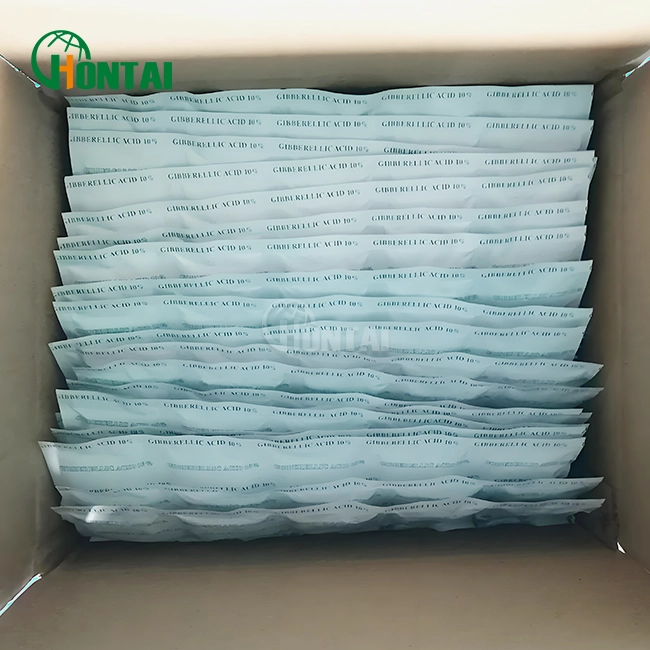
You can buy GA3 Gibberellic Acid in a lot of different forms, including pills, powders that dissolve in water, and solutions that can be mixed with other liquids. Most powder combinations have 90% active ingredients and need to be broken down in acidic liquids to stay as stable as possible. For small jobs, tablet types might be easier to use, but they might cost more per unit.
Any spray gun can be used with liquid concentrates, but they need to be kept carefully so they don't lose their strength. Farming companies can pick recipes that work with their tools and meet their needs for the job if they know these differences.
Storage Protocols and Shelf Life Management
To keep a product's usefulness, it needs to be kept in a way that keeps it safe from things outside that could damage it. Gibberellic acid needs to be kept somewhere cool and dry, out of direct sunlight, and away from things that are acidic and break things down quickly.
It is very important to keep an eye on the temperature because high temperatures shorten the shelf life and lower the amount of active ingredients. Being around wet air can make powders stick together and become harder to dissolve. Rotating your collection the right way will make sure that old things are used up before they go bad.
Common Application Errors and Prevention
The right way to use gibberellic acid is to put it on at the right time, in the right amount, and in the right place. It is easy to make mistakes when applying at the wrong time for the stage of food growth, when the pH is too high, or when the concentration is too low.
Keeping the pH in check is very important because gibberellic acid stops working quickly when the pH is high. Check the pH level of the water used for dilution and change it as needed to keep it between acidic and neutral while it is being used.
Conclusion
You should carefully consider the skills of the seller, the product's specs, and the needs of your specific farming business in order to find high-quality GA3 gibberellic acid. The best buying strategies keep trustworthy relationships in the supply chain while also cutting costs and ensuring quality. Since gibberellic acid is good for plants, it's worth it to buy high-quality things from reputable companies that offer full expert support and proof that they follow all the rules. Business people who buy things can make the best choices about where to get the things they need to make sure they always have access to plant growth factors that work and improve crop performance and income by following the tips in this detailed buying guide.
FAQ
1. What is the recommended dosage of GA3 for different crops?
There are a lot of different dosage ideas based on the crop, when it is used, and the desired outcome. Fruit plants usually need 10 to 50 ppm to grow, and grain plants may need 100 to 200 ppm before they are harvested. To make sure that the right amount of fertilizer is used for each type of plant and its growth factors, it is best to talk to people who work in agriculture.
2. Can GA3 (gibberellic acid) be used in organic farming systems?
Gibberellic acid's natural origin and rapid biodegradation make it acceptable for many organic certification programs. However, specific regulations vary by certification body and geographic region. Organic producers should verify compliance with their certifying agency before implementing GA3 applications.
3. How quickly do plants respond to gibberellic acid applications?
How long the reaction takes depends on the tool and the environment. Most changes to seed growth happen in 3–7 days, but changes to fruit size might not happen for 2–3 weeks. It's best for time to meet the stages of plant growth.
Partner with Hontai for Premium GA3 Gibberellic Acid Solutions
Hontai Biotech stands as your trusted GA3 Gibberellic Acid manufacturer, delivering consistent quality and reliable supply to agricultural operations worldwide. Our 90% purity gibberellic acid powder meets stringent international standards, while our experienced team provides comprehensive technical support throughout your procurement process. With fast global logistics, professional skilled service, and customized packaging options, Hontai ensures your agricultural production schedules remain on track. Contact our experts at admin@hontai-biotech.com to discuss bulk orders, custom formulations, and competitive pricing that maximizes your crop performance investment.
References
1. Davies, P.J. "Plant Hormones: Biosynthesis, Signal Transduction, Action!" Agricultural Chemistry Review, 2018.
2. Smith, R.A. "Commercial Applications of Gibberellic Acid in Modern Agriculture." Journal of Applied Agricultural Sciences, 2019.
3. Johnson, M.L. "Plant Growth Regulator Procurement Strategies for Large-Scale Operations." Agricultural Business Quarterly, 2020.
4. Thompson, K.E. "Regulatory Aspects of Plant Growth Regulators in International Trade." Crop Protection International, 2021.
5. Williams, D.H. "Storage and Handling Best Practices for Agricultural Chemicals." Farm Management Today, 2022.
6. Brown, C.M. "Economic Benefits of Plant Growth Regulators in Commercial Crop Production." Agricultural Economics Review, 2023.
Our customers’ satisfaction speaks for our quality — contact us to experience the same reliable service.