- English
- French
- German
- Portuguese
- Spanish
- Russian
- Japanese
- Korean
- Arabic
- Greek
- German
- Turkish
- Italian
- Danish
- Romanian
- Indonesian
- Czech
- Afrikaans
- Swedish
- Polish
- Basque
- Catalan
- Esperanto
- Hindi
- Lao
- Albanian
- Amharic
- Armenian
- Azerbaijani
- Belarusian
- Bengali
- Bosnian
- Bulgarian
- Cebuano
- Chichewa
- Corsican
- Croatian
- Dutch
- Estonian
- Filipino
- Finnish
- Frisian
- Galician
- Georgian
- Gujarati
- Haitian
- Hausa
- Hawaiian
- Hebrew
- Hmong
- Hungarian
- Icelandic
- Igbo
- Javanese
- Kannada
- Kazakh
- Khmer
- Kurdish
- Kyrgyz
- Latin
- Latvian
- Lithuanian
- Luxembou..
- Macedonian
- Malagasy
- Malay
- Malayalam
- Maltese
- Maori
- Marathi
- Mongolian
- Burmese
- Nepali
- Norwegian
- Pashto
- Persian
- Punjabi
- Serbian
- Sesotho
- Sinhala
- Slovak
- Slovenian
- Somali
- Samoan
- Scots Gaelic
- Shona
- Sindhi
- Sundanese
- Swahili
- Tajik
- Tamil
- Telugu
- Thai
- Ukrainian
- Urdu
- Uzbek
- Vietnamese
- Welsh
- Xhosa
- Yiddish
- Yoruba
- Zulu
When Should You Apply Pyroxasulfone for Best Results?
share:
Timing of pyroxasulfone application is the key to effective weed control and unsatisfactory results. The best window is pre-plant integrated or pre-emergence, just after planting but before weeds appear from the soil surface. Soil temperatures of around 50-55°F with sufficient moisture allow the herbicide barrier to form a protective zone that intercepts growing grass and small-seeded broadleaf weeds. This herbicide works by stopping the roots and shoots from growing while the seed is germinating. If you wait until the weeds are up, the effectiveness is greatly reduced. This tight window of application will maximise residual activity, minimise danger of crop harm and provide the season-long management that large-scale operations require.”

Understanding Pyroxasulfone and Its Mode of Action
Pyroxasulfone is a major step forward in pre-emergence herbicide technology. It is an oxazole herbicide that inhibits the synthesis of very-long-chain fatty acids (VLCFA) in sensitive weeds and prevents cell division and elongation before seedlings can get established. This method of action works well on grass species such as annual ryegrass, foxtails, and crabgrass, as well as certain broadleaf weeds such as pigweed and lambsquarters.
Pyroxasulfone provides long soil residual activity, often 60 to 90 days depending on environmental circumstances, unlike previous chemistries such as metolachlor or pendimethalin, but without the severe carryover danger to rotating crops. Its unusual chemical composition means it works well in a range of soils from sandy loams up to heavy clay soils. The herbicide has modest binding to soil particles, providing a durable weed barrier that is active for many flushes of weed germination.
Chemical Properties and Soil Interaction
Pyroxasulfone has favourable environmental properties. Its half-life varies from 30 to 45 days in soil, under normal field circumstances, and it is degraded by microbial degradation and photolysis. The poor mobility of the compound in soil profiles reduces the possibility of leaching to groundwater, an important issue for government procurement programs and ecologically conscientious farm owners.
Active ingredient purity has a direct bearing on performance. Highly pure formulations reduce the danger of crop phytotoxicity in crops such as maize, soybeans, and wheat and provide reliable weed control under varying field circumstances. Impurities may be a risk to agricultural safety margins, especially in sensitive cultivars or when crops are under stress.
When to Apply Pyroxasulfone for Maximum Effectiveness
Timing makes the difference between 90% weed control and mid-season breakout infestations. Pyroxasulfone will operate best if administered during a certain environmental and agronomic window.
Pre-Plant Incorporated Applications
Pre-plant integrated treatments are suitable for early-season planting activities. Mix pyroxasulfone 2-3 inches into the soil 7 days before planting. It performs very effectively in minimum-tillage settings when mechanical weed control is restricted. Soil moisture at or near field capacity at incorporation immediately activates the herbicide to set up the weed barrier before crop emergence.
Pre-Emergence Applications
The most popular method is a pre-emergence treatment, which is administered after planting but before the crop or weeds appear. Apply shortly after planting and with proper soil moisture. Herbicide acts when it rains or is watered in within 7 to 10 days following application. If moisture is not received in a timely manner, effectiveness decreases, allowing weed seeds to grow outside of the herbicide-treated area.
Soil temperature is very important. Use when soil temperatures are 50 degrees F or above. At this temperature, weed seeds are actively germinating, and the herbicide will catch the seedlings as they emerge. “If you put it on soil that’s less than 45 degrees Fahrenheit, you may not get as much weed control because the weeds will germinate more slowly and it will take longer for the herbicide to become active,” he said.
Seasonal Considerations and Regional Variations
The application windows vary by geography and crop in the United States. Midwest corn and soybean growers often apply in late April to mid-May, around the time of spring planting. Cotton producers in the Southern states use it from late March to April. In wheat operations, autumn sprays in September-October might be used to manage weeds in winter wheat.
The importance of measuring soil pH: Pyroxasulfone is most effective in soils with a pH range of 5.5 to 8.0. Herbicide persistence and effectiveness may be reduced in very acidic or alkaline soils. Distributors should encourage consumers to evaluate their soil before application to make sure conditions are optimal for performance.
Comparing Pyroxasulfone with Other Herbicides for Procurement Decisions
Strategic buying involves knowing how pyroxasulfone fits inside your herbicide portfolio compared to existing products.
Efficacy Comparison
Pyroxasulfone is the best choice for ALS-resistant and ACCase-resistant grass weed populations, solving one of the biggest pain points for agricultural chemical distributors and large-scale farm owners. Metolachlor and acetochlor are cheap, but they are becoming less effective as weeds develop resistance to them. Pendimethalin is effective against grasses, but does not have the residual action of pyroxasulfone.
In field experiments, pyroxasulfone provides 85-95% control of major grass species such as gigantic foxtail, barnyardgrass, and annual ryegrass at labelled rates. Broadleaf control is 70-90% depending on species and time of treatment. Pyroxasulfone combined in the tank with dicamba, imazethapyr, or prometryn provides a complete pre-emergence treatment for grass and broadleaf pressure.
Cost-Efficiency and Pricing Considerations
Pricing studies show that it fetches a 20-30% premium over generic metolachlor formulations, but provides a longer duration of weed control and a broader range. When you look at the cost per acre, taking into consideration the residual activity over a longer period, the economic benefit becomes clear. Less weed escapes and fewer rescue treatments result in lower overall herbicide expenses for the season.
Custom formulations of pyroxasulfone with complementary herbicides provide an opportunity for OEM brand owners ready to spend to achieve a major point of difference in their product lines. Premix formulations including pyroxasulfone with atrazine, metribuzin, or sulfentrazone provide single-pass weed control solutions that may attract 20-30% price premiums and reduce end-user application costs.
Resistance Management Benefits
Herbicide resistance management is an important decision driver for agronomists and procurement managers. The unique mechanism of action of Pyroxasulfone (Group 15) gives important rotation choices for areas with known ALS-resistant (Group 2) and glyphosate-resistant (Group 9) weed populations. The use of pyroxasulfone in yearly herbicide programs prevents resistance development and extends the use of other herbicide chemicals.
Pyroxasulfone is very useful in government weed management efforts since it has resistance-breaking properties and may be used to treat public areas for invasive plants. Rotation to pyroxasulfone-based techniques provides new management options for programs with dense infestations of resistant Palmer amaranth, waterhemp, or Italian ryegrass.
Safe Handling, Environmental, and Regulatory Considerations
If you want to purchase and distribute pyroxasulfone responsibly, it is essential to fully grasp its safety and legal requirements.
Personal Protective Equipment and Handling Guidelines
Handlers must wear a long-sleeved shirt and long trousers, chemical-resistant gloves, and protective eyewear while mixing and applying this product. Pyroxasulfone has minimal acute toxicity (EPA Toxicity Category III); nonetheless, industrial best practices are used to minimise cutaneous and inhalation exposure. Store in original containers in cool, dry, secure areas, away from food and animal feed.
Environmental Fate and Ecological Impact
Pyroxasulfone is low in aquatic toxicity and has no effect on non-target creatures when used in accordance with label guidelines. Its modest Koc (soil organic carbon partition coefficient) value suggests the chemical will bond to soil particles and so reduce the possibility of runoff. Those involved in rice paddy and aquatic weed control should be aware that pyroxasulfone is not labelled for aquatic use and needs prudent buffer management around water bodies.
Biodegradation is carried out by aerobic microbial metabolism. Typical field dissipation occurs after 60-90 days. Because of its positive environmental profile, it may be registered in states with high environmental safety standards, such as the EPA in the United States, or under provincial legislation in Canada.
Supplier Verification and Product Authenticity
The integrity of the supply chain is maintained to safeguard the reputation of the distributor and the end-user’s result. Ensure suppliers have valid EPA registrations and provide comprehensive paperwork, including Certificates of Analysis for active component content, purity profiles and impurity standards. Fake or poor-quality formulations may lead to crop damage, uneven weed control, and regulatory problems.
Agricultural chemical wholesalers should acquire batch testing records, manufacturer quality certificates, and registration paperwork before committing to multi-ton sales. Partnering with proven manufacturers who follow quality standards throughout the entire transportation process may drastically lower procurement risk.
How to Procure Pyroxasulfone – A Guide for Buyers and Distributors
Navigating pyroxasulfone procurement requires understanding formulation options, packaging choices, and supplier evaluation criteria.
Sourcing Reputable Manufacturers
Good suppliers of pyroxasulfone are reputable agrochemical companies with proven manufacturing capacity and regulatory licenses. OEM customers producing private label brands have the freedom to choose between technical concentration (TC) and formulated goods supplied by manufacturers. Typical purity of TC is 92-97%, and designed products are available in the form of emulsifiable concentrates (EC), suspension concentrates (SC), and water-dispersible granules (WDG).
Formulated pyroxasulfone is often sold in bulk procurement quantities of 5-20 tonnes per shipment. This coincides with seasonal demand peaks in spring and autumn planting windows. TC orders are typically 2-8 tonnes and are used to assist bespoke formulation development and registration studies.
Packaging and Formulation Options
Packaging versatility for different operating scales. Big farm operators buying straight go for 200-liter barrels or 1000-liter IBCs because it makes their operations more efficient. Regional distributors provide 5-20 litre jerry cans to retail outlets, where labels and application instructions suited to the crop are added. Large-acreage government operations often need bulk tanker supply to a central mixing facility.
The formulation type determines the necessity for application equipment and tank-mix compatibility. SC formulations provide better suspension stability and easier mixing than EC formulations. WDG formulations decrease packing waste and allow for accurate measurement for small-acreage applications.
Logistics and Lead Time Planning
Seasonal demand peaks during pre-planting periods (March-May and September-October in most U.S. areas) need prudent inventory management. For example, containerised ocean freight from Asian manufacturers has lead times of 30-60 days from order placement to delivery, with extended durations due to customs processing and inland distribution.
Flexible delivery timings of pre-season stock-up programs may allow distributors to coordinate inventories with regional planting calendars. The product is available at the opening of important application windows, but without the emergency air freight fees, by locking in supply agreements 90-120 days before peak demand.
Critical Supplier Evaluation Questions
When evaluating potential suppliers, procurement professionals should confirm:
- Current EPA registration numbers and label compliance
- Active ingredient purity verification through independent laboratory analysis
- Manufacturing quality management systems and facility certifications
- Complete technical documentation, including Material Safety Data Sheets and environmental fate studies
- Tank-mix compatibility data for common herbicide combinations
- Crop safety trial results across diverse soil types and growing conditions
- After-sales technical support availability and response protocols
These verification steps protect against supply disruptions, product quality failures, and regulatory non-compliance—all of which damage distributor credibility and customer relationships.
Conclusion
The timing of your pyroxasulfone treatment is the key to your weed control program's success or failure. Applying pre-emergent herbicides to damp soil when temperatures are above 50 degrees F activates the herbicide barrier, intercepting seedling weeds before they can develop. Understanding how the compound works, how it behaves in the environment, and how it fits into resistance management programs helps agricultural chemical distributors and farm operators make educated buying choices. Pyroxasulfone has long residual action and excellent performance against resistant weed populations compared to standard chemistries, which justifies its place in today’s herbicide portfolios. Active seasonal planning and rigorous supplier qualification help guarantee constant product quality and availability throughout key application periods.
FAQ
1. What crops tolerate pyroxasulfone applications safely?
Pyroxasulfone shows excellent crop safety in corn, soybeans, wheat, and sunflowers when applied at labeled rates. Crop tolerance varies by cultivar and environmental stress. Conduct small-scale trials with new varieties before committing to full-field applications, particularly when using custom formulations or tank mixes.
2. Can pyroxasulfone be applied after weeds emerge?
No, pyroxasulfone functions exclusively as a pre-emergence herbicide. It must form a soil barrier before weed seeds germinate. Post-emergence applications provide no weed control. Tank-mixing with post-emergence herbicides addresses existing weed populations while establishing residual control.
3. How does soil moisture affect pyroxasulfone performance?
Adequate soil moisture activates pyroxasulfone and moves it into the weed germination zone. Rainfall or irrigation within 7-10 days after application optimizes performance. Dry conditions reduce activation and allow weed seeds to germinate beyond the treated zone, decreasing control.
Secure Premium Pyroxasulfone Supply from Hontai
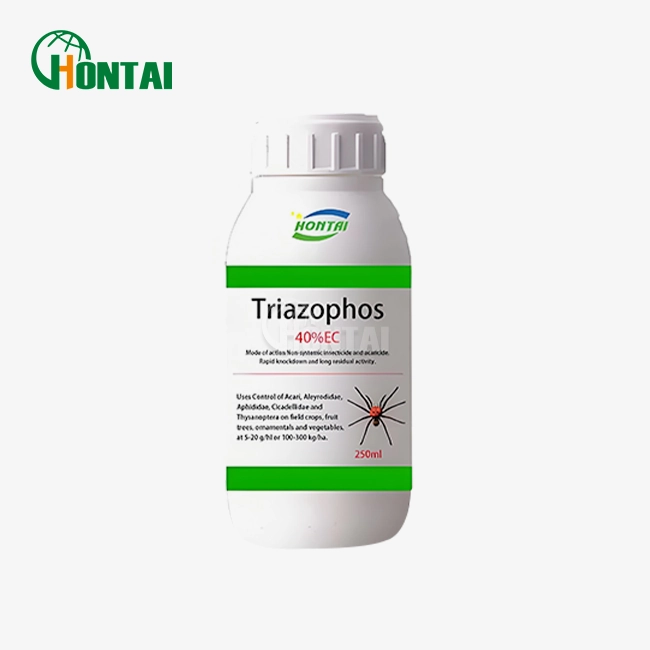
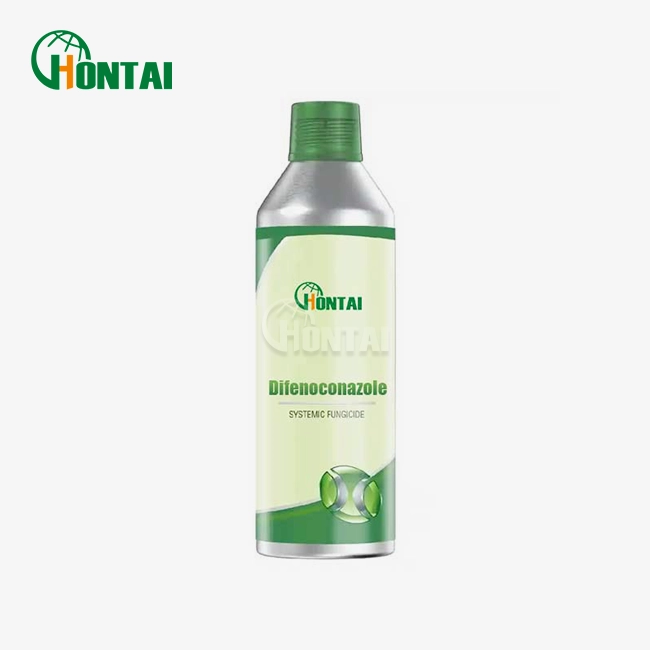
Hebei Hontai Biotech Co., Ltd. delivers consistent, high-purity pyroxasulfone formulations supporting distributors and large-scale agricultural operations across global markets. As a trusted pyroxasulfone supplier, we provide TC purity exceeding 95% with complete registration documentation and crop safety trial data. Our custom formulation services develop tank-mix compatible products optimized for your target crops and weed spectra. Bulk purchasing options from 5-ton shipments upward, flexible packaging in drums or IBCs, and pre-season supply programs aligned to planting calendars ensure your inventory meets demand peaks. Contact us at admin@hontai-biotech.com to discuss your specific procurement requirements and access our professional agronomic support team.
References
1. Jhala, A.J., Sandell, L.D., Sarangi, D., Kruger, G.R., and Knezevic, S.Z. (2017). "Herbicide Programs for Extended Residual Weed Control in Corn." University of Nebraska-Lincoln Extension Publications.
2. Soltani, N., Dille, J.A., Burke, I.C., Everman, W.J., VanGessel, M.J., Davis, V.M., and Sikkema, P.H. (2018). "Perspectives on Potential Soybean Yield Losses from Weeds in North America." Weed Technology, 32(2), 148-154.
3. Shergill, L.S., Barlow, B.R., Bish, M.D., and Bradley, K.W. (2018). "Investigations of 2,4-D and Multiple Herbicide Resistance in a Missouri Waterhemp Population." Weed Science, 66(3), 386-394.
4. Environmental Protection Agency (EPA). (2020). "Registration of Pyroxasulfone: Human Health and Ecological Risk Assessments." Office of Chemical Safety and Pollution Prevention.
5. Heap, I. (2021). "The International Herbicide-Resistant Weed Database: Trends in Herbicide Resistance Development." Weed Science Society of America Annual Reports.
6. Kniss, A.R., and Coburn, C.W. (2019). "Quantifying Herbicide Economics and Stewardship Trade-offs in Corn and Soybean Production Systems." Pest Management Science, 75(7), 1941-1949.

Our customers’ satisfaction speaks for our quality — contact us to experience the same reliable service.