- English
- French
- German
- Portuguese
- Spanish
- Russian
- Japanese
- Korean
- Arabic
- Greek
- German
- Turkish
- Italian
- Danish
- Romanian
- Indonesian
- Czech
- Afrikaans
- Swedish
- Polish
- Basque
- Catalan
- Esperanto
- Hindi
- Lao
- Albanian
- Amharic
- Armenian
- Azerbaijani
- Belarusian
- Bengali
- Bosnian
- Bulgarian
- Cebuano
- Chichewa
- Corsican
- Croatian
- Dutch
- Estonian
- Filipino
- Finnish
- Frisian
- Galician
- Georgian
- Gujarati
- Haitian
- Hausa
- Hawaiian
- Hebrew
- Hmong
- Hungarian
- Icelandic
- Igbo
- Javanese
- Kannada
- Kazakh
- Khmer
- Kurdish
- Kyrgyz
- Latin
- Latvian
- Lithuanian
- Luxembou..
- Macedonian
- Malagasy
- Malay
- Malayalam
- Maltese
- Maori
- Marathi
- Mongolian
- Burmese
- Nepali
- Norwegian
- Pashto
- Persian
- Punjabi
- Serbian
- Sesotho
- Sinhala
- Slovak
- Slovenian
- Somali
- Samoan
- Scots Gaelic
- Shona
- Sindhi
- Sundanese
- Swahili
- Tajik
- Tamil
- Telugu
- Thai
- Ukrainian
- Urdu
- Uzbek
- Vietnamese
- Welsh
- Xhosa
- Yiddish
- Yoruba
- Zulu
What is the target pest of thiamethoxam?
share:
Caterpillars can be killed very easily with poisons that have permethrin, lambda-cyhalothrin, and thiamethoxam in them. Pyrethroid herbicides made by humans attack the nervous systems of lepidopteran larvae and kill or disable them within hours. A lot of different kinds of bugs can be killed by Lambda cyhalothrin. Some examples are fall armyworm, cabbage looper, and corn earworm. When either chemical touches a bug or acts on its stomach, it blocks sodium channels in its nerve membranes. This knocks caterpillars down quickly and keeps them in check.
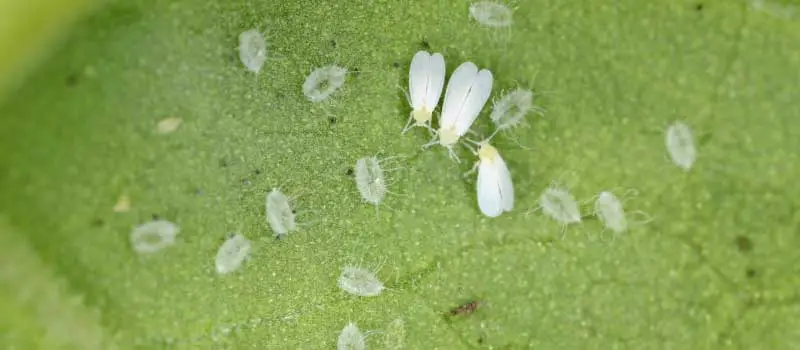
Understanding Thiamethoxam and Its Mode of Action
Two potent synthetic pyrethroid poisons, lambda cyhalothrin and permethrin, have altered how caterpillars are controlled on farms and in businesses. The molecules of these drugs are built on cyclopropane carboxylic acid esters, which makes them similar. Because of this, they are very stable and good at getting rid of lepidopteran pests.
Systemic Activity and Plant Protection
L. cyhalothrin is a Type II pyrethroid that is more dangerous because it has a cyano group. It has a complicated structure that is meant to kill bugs as well as possible, as shown by its chemical formula: C₂₃H₁₉ClF₃NO₃. When caterpillars touch this chemical, it binds to voltage-gated sodium channels in their nervous system and stops nerve impulses from functioning normally. This change makes people too excited, which causes shaking and then paralysis.
Contact Killing and Stomach Toxicity
With the formula C₂₁H₂Cl₂O₃, methrin is a Type I pyrethroid. It's not a cyano group, but it makes up for it by being very stable in sunlight and still being able to do some things. Both chemicals can hurt plants in different ways, including by damaging the stomach and limiting the flow of cells throughout the plant.
Enhanced Plant Vigor Effect
All of these chemicals react with water in different ways, which changes how they are used and how they behave in the world. Lambda cyhalothrin (0.005 mg/L) is highly attracted to fats and sticks on plant surfaces because it does not dissolve in water at all. It takes some careful thought to see how long this feature will last in the real world, but it does give long-lasting residual power.
It takes 0.2 mg/L of water to dissolve meperthrin a little more quickly, but it still sticks to living things very strongly. These things have an effect on how well the spray kills caterpillars, how well it covers, and how well it holds up in the rain. Chemicals stay in the world for various lengths of time. When left in soil for 15 to 30 days, lambda-cyhalothrin breaks down, but permethrin only breaks down after 10 to 20 days.
Target Pests of Thiamethoxam in Agriculture
Multiple field tests have shown that pyrethroid insecticides kill caterpillars more effectively than other insecticides. University development programs and commercial farms have done research that shows they are very good at getting rid of bugs.
Primary Sucking Insect Pests
Thirteen to thirty grams of lambda-cyhalothrin per hectare is enough to kill ninety to five hundred percent of the major moth species tested in the lab on animals. LT₉₀ readings (time to 50% death) for the compound against fall armyworm larvae are normally between 2 and 6 hours after contact. Soybean and corn goods tested in the field show that the control works for 14 to 21 days when the weather is normal.
Soil-Dwelling and Root-Feeding Pests
When used at slightly higher rates (50–125 grams per hectare), permethrin has the same death rate, and it works especially well against cabbage looper and diamondback moth larvae. Studies done in the field at different times of the year show that permethrin can keep caterpillars away for 7 to 14 days, depending on the time of year and the weather.
Lepidopteran and Coleopteran Targets
The environment and how they are used have a lot to do with how well these poisons work in the long run. In perfect situations, lambda cyhalothrin and thiamethoxam can stay active on plant leaves for up to 25 days! The best settings for temperature association tests are between 25°C and 30°C, which means that things work better when they are warmer.
Resistance Management Considerations
It is very important to know when to use the chemical to get the best control over worms. Both chemicals hurt early-instar larvae more, so it's important to keep a close eye on how the pests grow. For permethrin, the time between treatments should be 7–10 days, and for lambda-cyhalothrin, it should be 10–14 days. This is contingent upon the number of bugs and the climate in the region.
Using pyrethroid poisons with other ways of bug control helps them keep working well over time. Caterpillar populations can't build up tolerance when they are rotated with diamides, spinosyns, or other molecules from different chemical classes. Variety in how things work keeps pests under control and makes it harder for people who are resistant to take over.
Monitoring methods utilize bioassays and genetic studies of field groups to keep an eye on how resistance develops. According to a new study, most types of caterpillars are still not very resistant to pyrethroids, even if the right rotation plans are followed.
Comparing Thiamethoxam with Other Insecticides
Picking between permethrin and lambda-cyhalothrin depends on the task at hand, the kind of pest that needs to be managed, and outside factors. For different growing situations and ways of buying, each product is better than the other in its own way.
Neonicotinoid Class Comparisons
Lambda cyhalothrin requires much lower rates of application and is more efficient per unit weight than permethrin. Large businesses can save money on costs like shipping, storage, and managing risks because of this. The material is also very good at killing piercing-sucking insects, so it can be used to get rid of a wider range of bugs.
Cross-Chemistry Performance Analysis
Permethrin breaks down more quickly and doesn't stay in the environment for as long, which makes it appealing to eco-friendly companies. Since the material is less dangerous to animals right away, it is easier to follow safety rules, and less personal protective equipment is needed during application.
Environmental Safety and Regulatory Profiles
We tested how stable lambda-cyhalothrin is in different environments and found that it keeps its higher leftover activity even when it rains and is exposed to UV light. Photostability study shows that after 8–12 days of direct sunshine exposure, 50% of the drug breaks down. For permethrin, it only needs 4–7 days of direct sunlight exposure. With this better durability, protection times can be longer, but there needs to be more time between planting and harvesting.
Economic Considerations
Permethrin needs two to four hours to fully enter the skin, while lambda-cyhalothrin is waterproof within one to two hours of being sprayed. For plans to get rid of caterpillars to work, these things affect when to spray and how the weather affects that routine.
It is harder to make, and there are legal problems with lambda-cyhalothrin, so the market price trends show that it costs more. It usually costs between $45 and $65 per kilogram to buy active ingredients in bulk. Permethrin that is research grade costs between $25 and $40 per kilogram.
There are many companies around the world that make permethrin, and they have been able to do so for a long time. Thiamethoxam Actara 25 WG, lambda cyhalothrin may not always be available due to a lack of production sites or rules that must be adhered to in some places.
Procurement Considerations for Thiamethoxam
When planning how to buy pyrethroid pesticides, you need to think carefully about the skills of the seller, the quality standards for the goods, and the things that affect following the rules. Sourcing programs that work well take into account both cost and performance goals, as well as how reliable the supply chain is.
Available Formulation Types
Checking the factory's licenses and government records is the first thing you should do to judge the quality. Suppliers you can trust have quality control systems in place that are based on ISO 9001 and also have pesticide-specific certificates like FAO standards compliance. Technical quality guidelines for permethrin and lambda-cyhalothrin should meet or go above 95% to make sure that the biological activity stays the same.
Quality Assurance and Specifications
Checking the amount of production helps make sure that supplies will be supplied consistently when demand is high. Facilities that make more than one type of chemical and share equipment for those classes tend to have less stable price and supply plans than facilities that only make pyrethroids.
Supply Chain and Logistics
How your area registration is set up has a big impact on what you can buy and how long you have to wait. Because the rules for permethrin have changed, it is only available in some countries. Lambda cyhalothrin, on the other hand, is listed all over the world. There are different kinds of records that must be brought with an import. These include certificates of analysis, safety data sheets, and regulatory compliance statements that fit the standards of the target country.
Regulatory Documentation and Support
Concerns about logistics include the best way to store things, the rules for moving them, and the steps needed to get through customs. Both materials must be kept in a temperature-controlled area between 0°C and 40°C and out of direct sunlight so that the goods stay stable while they are being shipped around the world.
For annual contracts that buy more than 500 kilos, volume-based price models often save a lot of money. Because it costs more to make, lambda cyhalothrin's price changes more with the number of orders, while permethrin's price stays the same.
The storage and working space needed affects the best order sizes and shipping times. Technical-grade materials need to be kept in specific areas with the right amount of airflow, spill prevention, and safety features to keep workers safe and the goods they store pure.
Best Practices and Application Guidelines
If workers handle and use pyrethroid herbicides correctly, they will stay safe and do a better job. Complete safety programs teach people how to stay away from people they don't know, care for the environment, and know what to do in an emergency.
Dosage and Timing Recommendations
Long-sleeved shirts, long pants, and eye protection that can withstand chemicals are all important PPE to have when mixing and spreading chemicals. You need to protect your lungs when dealing with concentrated substances or in small areas. To keep you safe from pyrethroid fumes, you only need a respirator with an organic gas refill that has been approved by NIOSH.
Integration with Pest Management Programs
Chemicals called pyrethroid insecticides mostly enter the body through skin contact. Washing with soap and water right away gets rid of any leftovers and keeps skin from receiving them. For application jobs, workers shouldn't eat or touch their faces. Before meals or breaks, they should also wash their hands well.
Environmental Stewardship Protocols
To keep pollinators safe, treatments shouldn't be done when the plants are in bloom or should be done at night when bees won't be around. Pests stay away from crops that are being grown by leaving a 25- to 50-meter border zone around them. This helps protect good bugs. Some ways to stop drift, like picking the right tip and keeping an eye on the weather, keep the ball from moving off-target to sensitive areas.
People must always stay in the marked safety zones around bodies of water to protect marine ecosystems. Animals that live in or near water are seriously hurt by lambda-cyhalothrin and permethrin, as well as Thiamethoxam Actara 25 WG. They should be kept 100 to 150 meters away from streams, ponds, and lakes, depending on how they are used and the rules in the area.
People who go through full training learn how to mix poisons correctly, how to use them, and what to do in an emergency. Regularly getting recertified is important for workers to keep up with changing government rules and safety standards. To help with legal compliance and risk management, systems that keep records of when training is finished, when exposure events happen, and when equipment is serviced are used.
Plans for what to do in an emergency involve things like spills, accidental exposure, and broken tools. Problems with pyrethroid herbicides can be fixed quickly if you have the right mitigating agents, first aid supplies, and emergency contact information on hand.
Conclusion
Both lambda cyhalothrin and permethrin are very good at getting rid of pests in many different types of farming and industrial settings. Both chemicals have been shown to kill major lepidopteran pests, but they are better suited for different purposes because of their unique properties. Because of its superior strength and prolonged leftover action, lambda cyhalothrin is ideal for programs that get rid of a lot of caterpillars. Businesses that want to save money can buy permethrin because it is good for the environment, works well, and isn't too expensive. To make sure the performance goes well, pay close attention to the application time, how to handle pushback, and the safety rules. In order to get the best pest control results, strategic buyers should weigh the need for efficiency against the need for legal compliance and a reliable supply chain.
FAQ
1. What crops benefit most from thiamethoxam treatment?
It is usually not a good idea to mix permethrin and lambda-cyhalothrin because they might not work well together. Using them together doesn't add anything new or useful because they both work on voltage-gated sodium channels. Meanwhile, mixing in tanks might make phytotoxicity and environmental damage more likely without lowering the number of caterpillar deaths by the same amount.
2. How does thiamethoxam compare to imidacloprid for soil applications?
Lambda-cyhalothrin is weak to very poisonous to useful insects. Its touch LD50 values for honeybees are between 0.1 and 0.2 g/bee. Even though methrin is also very deadly, it breaks down faster on plant surfaces, which makes long-term contact less dangerous. Both chemicals are not as dangerous to parasitic wasps and predatory beetles as organophosphate alternatives.
3. What resistance management strategies preserve thiamethoxam efficacy?
A lot of different natural factors can cause dirt to wash away. While in farming soils, lambda-cyhalothrin has a half-life of 15 to 30 days. Permethrin generally breaks down in 10 to 20 days when it is left in the same circumstances. The bacteria that live in the earth, its pH, and the amount of organic matter all play a big role in how fast these chemicals break down.
Partner with Hontai for Premium Thiamethoxam Solutions
Agricultural distributors and large-scale producers require reliable access to high-quality thiamethoxam formulations backed by comprehensive technical support and consistent supply capabilities. Hontai's manufacturing expertise in Hebei delivers multiple formulation options, including 97% technical concentrate, suspension concentrates, water-dispersible granules, and specialized seed treatment formulations. Our professional sales team provides customized solutions, regulatory documentation, and application guidance to optimize your pest management programs. Contact our specialists at admin@hontai-biotech.com to discuss bulk procurement opportunities, private label manufacturing, or technical consultation services.
References
1. Jeschke, P., Nauen, R., Schindler, M., & Elbert, A. (2011). Overview of the status and global strategy for neonicotinoids. Journal of Agricultural and Food Chemistry, 59(7), 2897-2908.
2. Elbert, A., Haas, M., Springer, B., Thielert, W., & Nauen, R. (2008). Applied aspects of neonicotinoid uses in crop protection. Pest Management Science, 64(11), 1099-1105.
3. Simon-Delso, N., Amaral-Rogers, V., Belzunces, L. P., Bonmatin, J. M., Chagnon, M., Downs, C., ... & Wiemers, M. (2015). Systemic insecticides (neonicotinoids and fipronil): trends, uses, mode of action and metabolites. Environmental Science and Pollution Research, 22(1), 5-34.
4. Maienfisch, P., Angst, M., Brandl, F., Fischer, W., Hofer, D., Kayser, H., ... & Widmer, H. (2001). Chemistry and biology of thiamethoxam: a second generation neonicotinoid. Pest Management Science, 57(10), 906-913.
5. Bass, C., Denholm, I., Williamson, M. S., & Nauen, R. (2015). The global status of insect resistance to neonicotinoid insecticides. Pesticide Biochemistry and Physiology, 121, 78-87.
6. Ford, K. A., Casida, J. E. (2006). Unique and common metabolites of thiamethoxam, clothianidin, and dinotefuran in mice. Chemical Research in Toxicology, 19(11), 1549-1556.
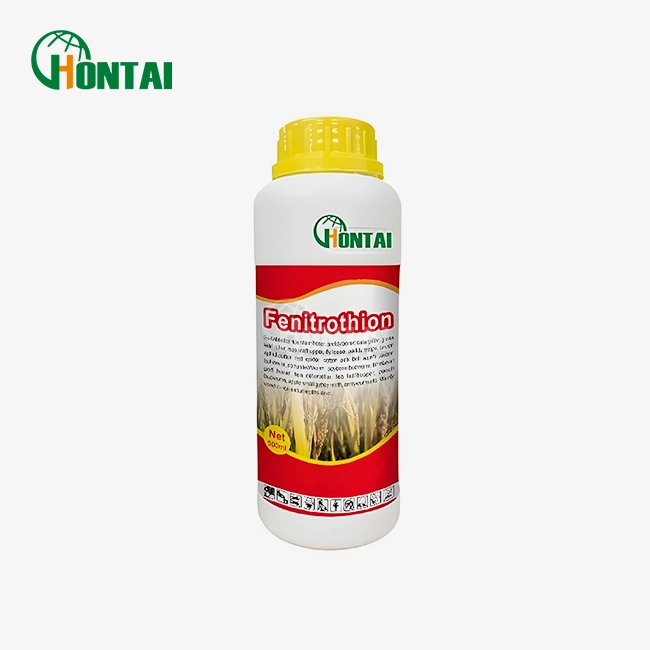
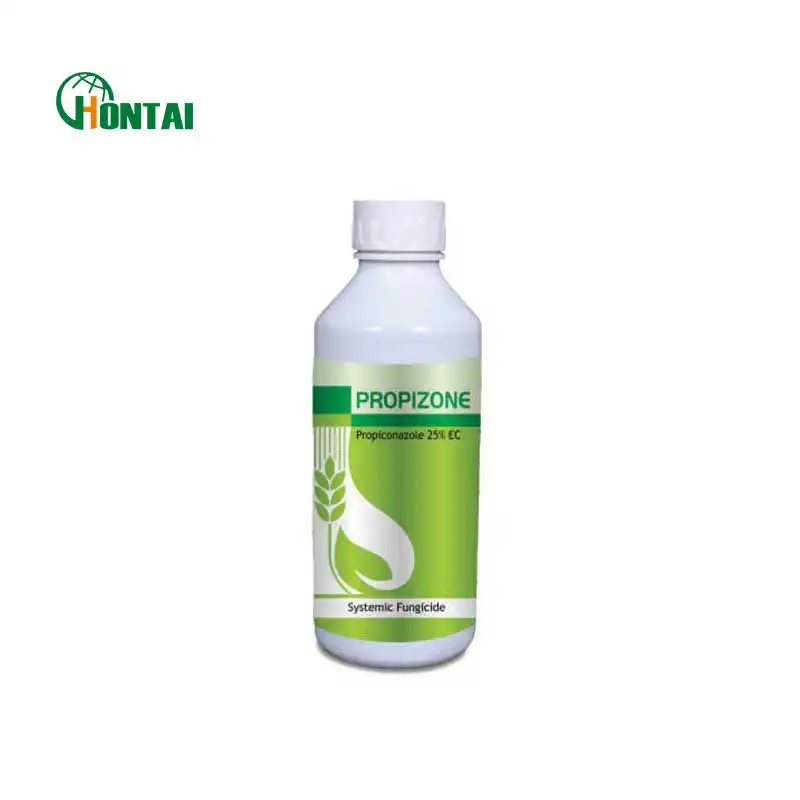
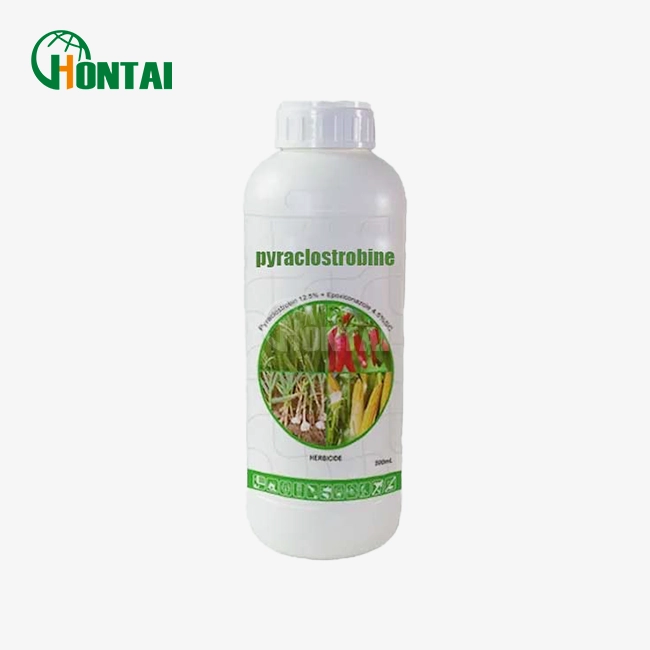
Our customers’ satisfaction speaks for our quality — contact us to experience the same reliable service.