- English
- French
- German
- Portuguese
- Spanish
- Russian
- Japanese
- Korean
- Arabic
- Greek
- German
- Turkish
- Italian
- Danish
- Romanian
- Indonesian
- Czech
- Afrikaans
- Swedish
- Polish
- Basque
- Catalan
- Esperanto
- Hindi
- Lao
- Albanian
- Amharic
- Armenian
- Azerbaijani
- Belarusian
- Bengali
- Bosnian
- Bulgarian
- Cebuano
- Chichewa
- Corsican
- Croatian
- Dutch
- Estonian
- Filipino
- Finnish
- Frisian
- Galician
- Georgian
- Gujarati
- Haitian
- Hausa
- Hawaiian
- Hebrew
- Hmong
- Hungarian
- Icelandic
- Igbo
- Javanese
- Kannada
- Kazakh
- Khmer
- Kurdish
- Kyrgyz
- Latin
- Latvian
- Lithuanian
- Luxembou..
- Macedonian
- Malagasy
- Malay
- Malayalam
- Maltese
- Maori
- Marathi
- Mongolian
- Burmese
- Nepali
- Norwegian
- Pashto
- Persian
- Punjabi
- Serbian
- Sesotho
- Sinhala
- Slovak
- Slovenian
- Somali
- Samoan
- Scots Gaelic
- Shona
- Sindhi
- Sundanese
- Swahili
- Tajik
- Tamil
- Telugu
- Thai
- Ukrainian
- Urdu
- Uzbek
- Vietnamese
- Welsh
- Xhosa
- Yiddish
- Yoruba
- Zulu
What is Fenpyroximate 5% SC used for?
share:
Managing mite infestations has always been one of the toughest challenges for commercial growers. These microscopic pests can devastate crops within days, reducing yields and threatening profit margins. Fenpyroximate 5% SC is used for controlling a broad spectrum of agricultural mite species, including spider mites, eriophyid mites, and tarsonemid mites across fruit orchards, vegetable farms, and specialty crops. This suspension concentrate formulation provides reliable contact and stomach action against all motile mite stages, delivering rapid feeding cessation and population suppression within 3 to 7 days after application.

Understanding Fenpyroximate 5% SC: Mode of Action & Safety Profile
What Makes This Acaricide Unique?
There is a very specific way that Fenpyroximate 5% SC works. As a METI (Mitochondrial Electron Transport Inhibitor) that targets Complex I, it stops target pests' cells from making ATP. Almost as soon as this biochemical interruption happens, all cellular processes stop, including eating, reproduction, and moving. Unlike systemic options, this acaricide works through strong contact and gut toxicity. For best results, make sure the spray covers the whole area completely.
The 5% slurry concentrate recipe has 50 grams of active ingredient per liter, spread out in water as micronized solid particles. Advanced surfactants make sure that the suspensibility is higher than 90%, which means that the product will always work as it should when diluted according to the label's instructions. It sticks well to waxy leaf surfaces because it is lipophilic, and it has long-lasting activity even in tough environmental conditions.
Safety Considerations for Large-Scale Operations
When managing agrochemical inventories, safety must always come first. Fenpyroximate 5% SC is moderately toxic to mammals, so standard safety gear is needed when mixing and applying it. The SC version that is based on water lowers the amount of chemical solvents that operators are exposed to, which makes it safer for field workers and applicators.
Studies of the effects on the environment show that things don't last long in soil because microbes break them down. Aquatic toxin worries require safety zones near bodies of water to protect living things that aren't the target. When sprayed in the right weather, the product has low volatility, which lowers the risk of spread. Phytotoxicity events are still very rare when the suggested rates are followed, but sensitive varieties should be tested for compatibility before being widely used.
Application Methods and Integration Strategies
Strategic preparation is needed for the operation to go well. High-volume air-blast sprayers work best in orchard canopies that are densely packed together. This lets the spray get to the undersides of leaves, where mites tend to gather. The low volatile organic compound emissions of the mixture make it good for greenhouse operations and other tight spaces where airflow may be limited.
Tank-mixing flexibility makes it more useful. Do not mix with strong alkaline materials (pH greater than 9), as hydrolytic degradation can make the mixture less effective. Some insect growth regulators and neutral pH fungicides work well together, so integrated pest control systems can deal with more than one threat at the same time. Always test in a jar before mixing on a large scale to make sure the materials are physically compatible.
Fenpyroximate 5% SC in Pest Control: Spectrum & Effectiveness
Target Pest Range
This acaricide works great on economically important mite species. The populations of Tetranychus urticae (two-spotted spider mites) move quickly between field crops, ornamentals, and vegetable crops. Controlling Panonychus ulmi (European red mite) and Panonychus citri (citrus red mite) in fruit fields works consistently across a wide range of temperatures, staying successful in cool spring weather and hot summer weather.
At normal treatment rates, eriophyid mite species like rust mites on citrus and blister mites on different tree fruits do a great job of being killed. When tarsonemid mites attack veggies and ornamentals in a garden, the treatment works well, but it may need to be repeated if there are a lot of infestations. Acaricide Kill Red Spider Fenpyroximate 5%SC works well on larvae, nymphs, and adults, but not so much on eggs, so the timing of application is very important for stopping the lifecycle.
Dosage and Timing Recommendations
Application rates depend on the crop and how bad the infection is. When diluted to the right spray volume, the usual field rates are between 400 and 800 ml per hectare. For full canopy coverage, tree fruit gardens usually need higher volumes. Row crops and veggies, on the other hand, may need lower volumes if the right nozzle is used and the pressure is adjusted.
The most cost-effective time to apply is when the infestation is still in its early stages. Scouting programs that find mite populations before they get too big for economic reasons let people take steps to stop them. To protect pollinators, don't apply anything during bloom times, and don't forget to follow the pre-harvest intervals that are specific to each crop. These can be anywhere from 7 to 21 days, depending on the crop and local regulations.
Residue Management and Compliance
Maximum residue limits (MRLs) need to be followed in order to meet international food safety standards. Tolerances for different foods have been set by the US Environmental Protection Agency and Codex Alimentarius. Adhering to the pre-harvest period ensures that residues break down to acceptable amounts before the harvest. When exporting to markets with strict import rules, analytical testing at approved labs is a good way to make sure the goods are safe.
If you follow the directions on the box, crop safety profiles will stay very good. Before they are used on a large scale, sensitive types like some apple cultivars or decorative species should be tested on a small scale first. To keep the purity of an integrated pest control program and keep resistance from building up, applications should not be made more than twice in the same growing season.
Comparing Fenpyroximate 5% SC with Alternatives: Decision-Making Insights
Concentration Considerations: 5% vs. 10% SC
Evaluating practical factors is part of choosing between recipe strengths. The Fenpyroximate 5% SC formulation has benefits when it comes to transportation costs and store space needs. This is especially helpful for wholesalers who handle a wide range of products. Lower concentration lowers the risks of handling during mixing, which helps smaller agricultural service providers who don't have a lot of protective gear.
Large-scale businesses that want to reduce the number of applications needed and lower freight costs per field handled, like the 10% SC versions with a higher concentration. A cost analysis should look at more than just the price per unit. It should also look at how well the application works, how much storage space it needs, and how hard it is to follow the rules in different places.
Benchmarking Against Alternative Chemistries
When you compare Fenpyroximate 5% SC and abamectin, you can see that they work in very different ways. Abamectin can move through the body and kill a wide range of insects, not just mites. This makes it a good choice for mixed pest complexes. However, Fenpyroximate 5% SC works better in cooler temperatures, where abamectin's effectiveness decreases. By switching between these mechanically different choices, you can improve your resistance control.
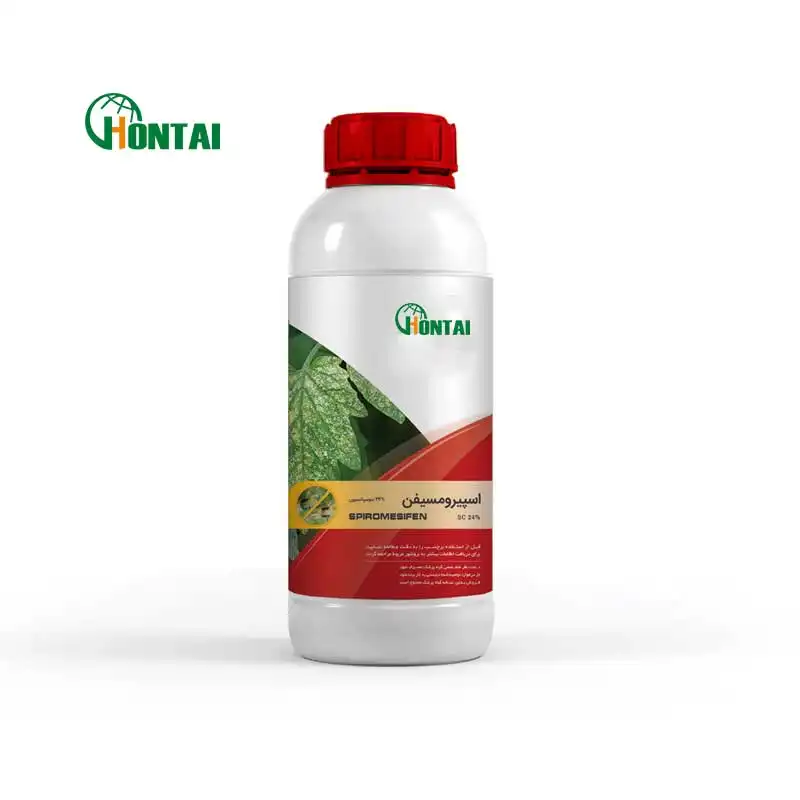
Another drug that can be used as a reference is spiromesifen, which has true ovicidal action that Fenpyroximate 5% SC does not. Rotational programs that use both chemicals effectively control all stages of a mite's life. When used with METI acaricides, spiromesifen's ability to stop lipid formation is helpful for managing resistance. In many areas, Fenpyroximate 5% SC is cheaper than spiromesifen, but in high-pressure situations, spiromesifen's longer-lasting effects may explain its higher price.
Fenpyroximate 5% SC plays a key role as a resistance-breaking tool, according to a study of market positions. Populations that are less sensitive to organophosphates or pyrethroid chemicals are often still fully sensitive to METI inhibitors. This gives growers who are having trouble with resistance more control options. This strategic value goes beyond simple cost-per-hectare estimates and helps make pest control more sustainable in the long term.
How to Procure Fenpyroximate 5% SC: Buying Guide for B2B Clients
Supplier Evaluation Criteria
To choose reputable sources, you need to do a lot of research. Check for GMP (Good Manufacturing Practices) certifications and quality management system paperwork. These are the basics of manufacturing credentials. ISO 9001 approval shows a dedication to regular production standards, which lowers variation between batches that can affect performance in the field.
Regulatory paperwork skills set professional providers apart from small businesses. Full dossiers with safety data sheets, effectiveness trial summaries, and residue study results make the application process easier in target markets. Export experience is very important; suppliers who know about phytosanitary certification requirements, customs paperwork, and international shipping rules lower the risks and delays of the procurement process.
Referrals from customers are very helpful. Ask for the contact information of current clients who are in charge of crop stocks and operating scales that are similar to yours. Talking to the seller directly can show how responsive they are during supply disruptions, how good their technical help is, and how well they solve problems. These are all things that have a big effect on the total cost of ownership, which is different from the initial purchase price of the Fenpyroximate molecular weight.
Pricing Structures and Contract Terms
Pricing for bulk orders usually works in a tiered way. Large discounts are available for yearly pledges of more than 10,000 liters, but smaller businesses may be able to get better terms through distributor partnerships or buying groups. Payment terms depend on how risky the seller thinks the buyer is. Long-term buyers can usually get net-60 or net-90 terms, but new relationships may need letters of credit or advance payment.
Price adjustment mechanisms should be discussed during contract negotiations. Long-term price stability is affected by changes in the cost of raw materials, the value of the currency, and the costs of following the rules. Fixed-price contracts that cover more than one growth season give you budget security, but you might lose short-term savings when material prices drop. Hybrid approaches with clauses for partial price adjustments strike a balance between predictability and flexibility.
Minimum order quantities are based on how much it costs to make something and how much it costs to ship. When shipping across oceans, container load numbers are the best way to save money on freight costs. Break-bulk sales are usually accepted by distributors who handle smaller accounts, as long as they charge enough to cover the extra costs of handling and storing the goods.
Logistics and Supply Chain Planning
Timelines for international shipping need to be carefully planned. It usually takes 25 to 35 days for ocean freight from Asian manufacturing hubs to ports in the United States. Depending on the final destination, extra inland transport can add another 5 to 10 days. If you need to restock quickly, you can use air freight, but it costs more than 300% more than ocean transport.
Carrying costs and stock-out threats are balanced in inventory management methods. Seasonal patterns of demand in cold farmland make purchasing cycles predictable. This lets people make deals ahead of time for times when suppliers don't have as much work to do. When figuring out safety stock, you should take into account things like changing lead times, delays in clearing customs, and sudden rises in demand caused by changes in pest pressure.
Controlling temperature and managing shelf life are important things to think about when warehousing. When stored between 0°C and 35°C, suspension concentrates stay stable for 24 months. This way, they don't go through freeze-thaw cycles, which can make recipes less stable. First-in, first-out inventory movement keeps field performance uniform across application seasons by stopping the buildup of old products.
Maximizing Value: Application Tips and Future Prospects
Integrated Pest Management Best Practices
To get the best return on investment, strategic integration into full pest control systems is needed. Changing Fenpyroximate 5% SC with different chemicals that work in different ways stops resistance from building up, which can make whole groups of chemicals useless. Limiting use to two treatments per season keeps the long-term effectiveness and makes this useful tool last longer.
Effective and cost-effective pest control starts with scouting programs. Setting action thresholds based on crop value, mite population density, and the presence of natural enemies stops applications that aren't needed. When done at the right time, treatments that target population buildup phases work better than programs that are based on the calendar, which lowers the overall amount of pesticides used and their costs during the season.
Chemical treatments work better with cultural practices. Controlling weeds, managing watering, and making sure that fertility programs are balanced all help to lower plant stress, which makes crops more likely to get mites. By using selective pesticides to protect beneficial predatory mite populations, biological control elements are created that stop pests from coming back after chemical treatments.
Field Performance Documentation
Real-world value is shown by documented effectiveness statistics. In California, citrus farms reported an 85–92% drop in the number of mites seven days after applying the pesticide during multiple growing seasons. Similar levels of control were achieved against European red mites in apple fields in Washington State, keeping numbers below economically important levels until harvest time. Two-spotted spider mites were completely eliminated from cucumbers grown in greenhouses within five days, which kept yields from dropping during key flowering times.
Cost-benefit analyses show that the economy is doing well. Single Fenpyroximate 5% SC treatments often give the same or better season-long control than multiple uses of less effective options. Fewer application trips mean less damage to crops from spray equipment, less money spent on labor, and less wear and tear on equipment.
Regulatory Trends and Market Evolution
Future procurement strategies will be shaped by how regulations change. Label changes and application limits during growth times are caused by a greater focus on protecting pollinators. Resistance management rules might require rotating use paperwork, which would change how people buy things and how they handle their inventory.
New technologies bring both opportunities and problems. Precision application systems with sensor-guided spot solutions use less product overall while still doing their job. Using biological control agents together provides compatibility requirements that support selective chemicals that protect beneficial organisms. Standards for organic certification affect regular businesses because stores want produce with less residue.
When pesticide companies merge, it changes the way prices and supplies are distributed. When generic versions hit the market after the patent has expired, they boost competition, which could lower prices but raise worries about quality variability. Established brands charge more because they are reliable and offer good technical support. However, buyers who want to save money can try generic alternatives as long as they follow the right safety precautions.
Conclusion
Effective mite management has a direct effect on the profitability of crops in a wide range of agricultural sectors. It has been shown that Fenpyroximate 5% SC works well by controlling different types of mites at important times of their growth. Understanding when to apply, how to handle pushback, and the best ways to buy things helps farm decision-makers get the most out of their money while keeping pest control programs going for a long time. The formula is safe, works with integrated pest management strategies, and is approved by regulators around the world, making it a good choice for commercial growers and agricultural service providers. Strategic sourcing from qualified providers guarantees consistent product quality, compliance with regulations, and the dependability of the supply chain, all of which are necessary for large-scale operations.
FAQ
1. What pests does Fenpyroximate 5% SC effectively control?
This acaricide goes after spider mites (Tetranychus species), eriophyid mites like rust and blister mites, and tarsonemid mites that damage different crops. It kills larvae, nymphs, and adults, but not eggs very well, so when you use it is very important for stopping the lifecycle as effectively as possible.
2. How quickly does Fenpyroximate 5% SC work after application?
Within hours of touch, Fenpyroximate 5% SC causes animals to stop eating quickly, but death usually shows up within 3 to 7 days. This pattern of delayed death is due to its mitochondrial disruption process, which slowly drains cellular energy stores instead of crashing the nervous system right away.
3. Can this product be tank-mixed with other pesticides?
Many neutral pH goods, such as some fungicides and pesticides, can be mixed in tanks without any problems. Do not mix with materials that are strongly alkaline (pH above 9), because the chemical breakdown will make it less effective. Before mixing on a large scale, you should always do jar tests to make sure the materials are physically compatible and stable.
4. What resistance management strategies should be implemented?
You should only use Fenpyroximate 5% SC twice a season and alternate it with other chemicals that work in different ways, like spiromesifen or abamectin. This cycle keeps the long-term efficiency and stops the growth of METI resistance, which can weaken whole chemical classes.
Partner with Hontai for Reliable Fenpyroximate 5% SC Supply
To find reliable acaricide solutions, you need to work with a manufacturer who knows how to handle both high-quality products and complex global logistics. Hontai is a reliable source for Fenpyroximate 5% SC, and they offer stable recipe quality backed by a lot of regulatory paperwork. Our factories in Hebei follow strict quality control rules to make sure that every batch has the same amount of active ingredients and the best stability in suspension. We offer open customization options, such as private labeling, different package layouts, and changes to the recipe to meet the needs of different regions. Our professional team provides technical support and quick after-sales service, and our fast global logistics make sure that products get to markets in North America, Europe, and Asia on time. Email us at admin@hontai-biotech.com to talk about your needs for large purchases and find out how our agriculture solutions can help your pest control programs.
References
1. United States Environmental Protection Agency. (2019). Fenpyroximate: Pesticide Tolerance Final Rule. Federal Register, Office of Pesticide Programs, Washington, DC.
2. Insecticide Resistance Action Committee. (2021). IRAC Mode of Action Classification Scheme: METI Acaricides and Insecticides. Version 10.0, Brussels, Belgium.
3. Van Leeuwen, T., Vontas, J., Tsagkarakou, A., Dermauw, W., & Tirry, L. (2010). Acaricide Resistance Mechanisms in the Two-Spotted Spider Mite and Other Important Acari. Insect Biochemistry and Molecular Biology, 40(8), 563-572.
4. Food and Agriculture Organization of the United Nations. (2018). Specifications and Evaluations for Agricultural Pesticides: Fenpyroximate Technical Material and Formulations. FAO Plant Production and Protection Division, Rome, Italy.
5. Kim, Y.J., Park, H.M., Cho, J.R., & Ahn, Y.J. (2004). Multiple Resistance and Biochemical Mechanisms of Pyridaben Resistance in Tetranychus urticae. Journal of Economic Entomology, 97(3), 954-960.
6. Codex Alimentarius Commission. (2020). Pesticide Residues in Food: Maximum Residue Limits for Fenpyroximate. Joint FAO/WHO Food Standards Programme, Geneva, Switzerland.
Our customers’ satisfaction speaks for our quality — contact us to experience the same reliable service.