- English
- French
- German
- Portuguese
- Spanish
- Russian
- Japanese
- Korean
- Arabic
- Greek
- German
- Turkish
- Italian
- Danish
- Romanian
- Indonesian
- Czech
- Afrikaans
- Swedish
- Polish
- Basque
- Catalan
- Esperanto
- Hindi
- Lao
- Albanian
- Amharic
- Armenian
- Azerbaijani
- Belarusian
- Bengali
- Bosnian
- Bulgarian
- Cebuano
- Chichewa
- Corsican
- Croatian
- Dutch
- Estonian
- Filipino
- Finnish
- Frisian
- Galician
- Georgian
- Gujarati
- Haitian
- Hausa
- Hawaiian
- Hebrew
- Hmong
- Hungarian
- Icelandic
- Igbo
- Javanese
- Kannada
- Kazakh
- Khmer
- Kurdish
- Kyrgyz
- Latin
- Latvian
- Lithuanian
- Luxembou..
- Macedonian
- Malagasy
- Malay
- Malayalam
- Maltese
- Maori
- Marathi
- Mongolian
- Burmese
- Nepali
- Norwegian
- Pashto
- Persian
- Punjabi
- Serbian
- Sesotho
- Sinhala
- Slovak
- Slovenian
- Somali
- Samoan
- Scots Gaelic
- Shona
- Sindhi
- Sundanese
- Swahili
- Tajik
- Tamil
- Telugu
- Thai
- Ukrainian
- Urdu
- Uzbek
- Vietnamese
- Welsh
- Xhosa
- Yiddish
- Yoruba
- Zulu
What are the main uses of chlorantraniliprole 18.5SC in agriculture?
share:
Chlorantraniliprole 18.5SC is a cutting-edge suspension concentrate insecticide that targets a wide range of farming pests that attack different types of crops. This advanced formula has systemic, stomach, and contact activity, so it is quickly absorbed by plant cells and moved up and down the xylem. Its main use in agriculture is to get rid of aphids, whiteflies, thrips, ricehoppers, mealybugs, the Colorado potato beetle, leaf miners, and other lepidopterous species that attack major crops like cotton, vegetables, fruits, cereals, and rice. The recommended application rate is 10 to 200 g/ha.
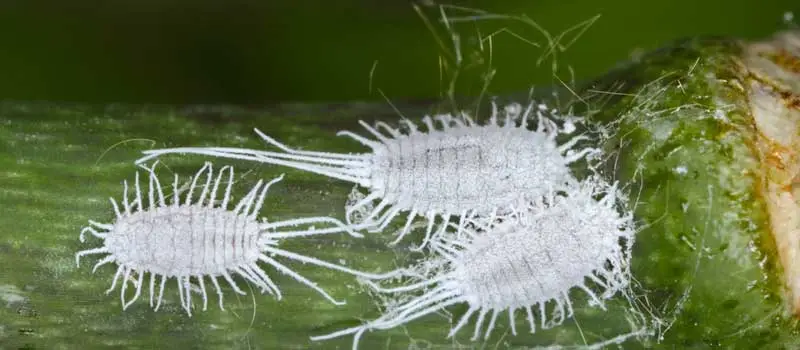
Understanding Chlorantraniliprole 18.5SC: Mode of Action and Chemical Profile
The science behind this new poison comes from the fact that it targets bug ryanodine receptors in a very specific way. This chemical changes how calcium is handled in insect muscle cells because it is an IRAC Group 28 Ryanodine Receptor Modulator. This lets calcium leak out without being controlled. The bugs that are being targeted can't eat right away because of this process. They quickly become paralyzed and die.
Advanced Formulation Technology
Researchers have found that the suspension concentrate version is more stable and mixes better than regular powder forms. This mix is chemically stable in a lot of different weather situations. Its specific gravity is between 1.08 and 1.12 g/ml, and its pH is between 5.0 and 9.0. Most of the time, the particle size range stays below 5 microns. This stops the sprayer from getting clogged and makes sure that the whole leaf surface is covered when it is used.
Systemic Activity and Plant Uptake
The chlorantraniliprole 18.5SC is quickly taken up by plant cells and moves up and down the xylem system because it works all over the body. This trait protects new growth and plant parts that are hard to get to. Also, it gets rid of all pests, even in thick woods where sprays might not cover the whole area evenly. Even when the weather is bad, you will be safe because the rainfastness properties start to work about two hours after application.
Key Agricultural Uses and Crop Compatibility
This insecticide is used by farmers all over the world on a wide range of crops, showing that it can work in a variety of growing conditions and with different pest populations. Because it works on a wide range of pests and is safe for crops, it is an important part of integrated pest control systems.
Major Crop Applications
This poison is very good at killing stem borers, leaf folders, and ricehoppers, which is very helpful for rice production systems. Because of the water in paddy fields, special formulas are needed that keep working even when water is added. The suspension concentrate recipe works especially well in these systems.
This technology is used to get rid of tough bugs like diamondback moths, aphids, and whiteflies that attack veggies like cole crops, leafy vegetables, and fruity vegetables. Brassica plants often have waxy cuticles that need formulations with good penetration qualities, which this product regularly provides.
Cotton farming is hard because bollworms and other lepidopterous pests have become immune to common chemicals used to kill them. The one-of-a-kind way it works gives good control and helps with methods for managing resistance that are necessary for long-term cotton production.
Specialized Application Scenarios
To get rid of Colorado potato beetles, wireworms, and other pests that live in the soil, potato farming methods use both foliar and soil treatments. Systemic action protects plants throughout the growing season, so they don't have to be applied more than once, which saves time and money on work.
This product can be used on more crops, like maize, sorghum, grains, sugar beet, oilseed rape, and sunflowers, by treating the seeds. This way of applying protects early in the season, keeps the environment as safe as possible, and makes large-scale activities as cost-effective as possible.
Safety, Environmental Impact, and Regulatory Compliance
Today's farming activities need products that are effective, safe for workers, and good for the earth. This formula handles these worries because it has a good toxicological profile and follows the rules in most farming markets.
Applicator Safety Protocols
Standard safety measures like protective clothes, gloves, and eye protection are needed when mixing and applying chlorantraniliprole 18.5SC that is personal protective equipment. The low rodent toxicity profile lowers the risks of exposure compared to many other pesticides, making it safer for farmers to do their normal work.
The product should be stored in a dry place, out of direct sunlight, and it should last for three years if stored correctly. This stability cuts down on waste and storage problems for farms that have to keep track of goods over multiple growth seasons.
Environmental Impact Assessment
Studies of the environment show that it is not very harmful to non-target species, such as helpful insects, aquatic animals, and wildlife. The chosen mode of action mostly attacks the target pest species while leaving alone helpful arthropods that are needed for biological control and pollination. This choice helps to keep farming methods sustainable and protects the variety in farming systems.
The mild environmental persistence is in line with standards for responsible pest management. It leaves behind enough of an effect to keep pests away while limiting long-term environmental buildup. Based on thorough studies of the environmental risk, regulatory bodies all over the world have looked at this active ingredient and given their approval.
Global Regulatory Status
Registration approvals cover North America, Europe, and Asia, which are all important agricultural markets. This is because of the large safety database and regulatory compliance achieved through strict testing methods. Understanding the changes in regional registration helps buying managers make sure that local rules about agriculture and imports are followed.
Comparing Chlorantraniliprole 18.5SC with Other Insecticides
Before making a strategic purchasing choice, it is important to fully understand the pros and cons of different bug control options. This study gives important information for making the best decisions about how to spend money on crop safety and how to deal with resistance.
Performance Advantages
The extended residual activity of this mixture makes it different from many other pesticides. Usually, it protects for 14 to 21 days after treatment. This longer protection window cuts down on the number of times the product needs to be applied, which saves money on labor and tools while keeping pests under control during important times for crop growth.
For preventative control that breaks pest reproduction cycles, the ovicidal action goes after pest eggs and early larval stages. This trait is especially useful in integrated pest management systems that try to reduce the number of pests instead of just getting rid of them when they show up.
Cost-Benefit Analysis
Even though the starting costs may be higher than some other options, the longer leftover activity and lower application frequency make the product more cost-effective for business use. Large-scale buyers who manage a lot of land or serve a wide range of farming markets can save even more money by buying in bulk.
The benefits of managing resistance help keep pest control programs going for a long time by stopping the growth of resistant pest populations that could make future control choices less effective and raise the cost of management.
Procurement and Supplier Selection Guide for Global Buyers
To get good chlorantraniliprole 18.5SC, you need to know about the different ways it is distributed, how to make sure it is of high quality, and how to evaluate suppliers. These things make sure that the products are real, that they work the same way every time, and that the supply chain management is stable.
Distribution Channels and Quality Assurance
Direct relationships with manufacturers offer the best quality control and technical help, especially for buyers who need to keep a steady supply plan. The company Hebei Hontai Biotech Co., Ltd. is a good example of a maker that offers a wide range of products that can be customized and shipped all over the world.
Some of the things that are needed for certification are GMP compliance, ISO certifications, and legal paperwork that supports foreign trade. These certifications make sure that the products are made well and that the supply chain is honest, which is very important for business farming activities.
Supplier Evaluation Criteria
Superior providers stand out from others by offering technical support that includes application advice, resistance management strategies, and troubleshooting help. Professional sales teams with knowledge of agriculture improve the bond between the buyer and seller by offering answers instead of just selling goods.
Global logistics skills guarantee on-time delivery and steady supply availability, which are very important for farming operations that have to deal with yearly application windows and limited store space. Reliable sellers keep extra inventory on hand and make sure there are delivery networks that support global farming production plans.
Conclusion
Chlorantraniliprole 18.5SC is one of the most important technologies used in current farm pest management. It can be used to control a wide range of pests and crop systems. Its one-of-a-kind way of working, good safety profile, and long-lasting leftover activity all help solve important problems that commercial agriculture around the world is facing. With its structured approach to crop safety, care for the environment, and focus on economic efficiency, this formulation is a key part of long-term farming operations.
FAQ
Q1: What pests does chlorantraniliprole 18.5SC control effectively?
This poison works very well against aphids, whiteflies, thrips, the Colorado potato beetle, and other insects that chew and sucking plants. It is useful for controlling complex pest populations in several different crop systems because it works on a wide range of pests.
Q2: How long does chlorantraniliprole 18.5SC provide residual protection?
Depending on the crop type, pest pressure, and the climate, residual action usually lasts for 14 to 21 days after treatment. Compared to many traditional pesticides, this longer protection means that it doesn't need to be applied as often.
Q3: Can chlorantraniliprole 18.5SC be tank-mixed with other agricultural products?
This product can be mixed in tanks with most common fungicides, adjuvants, and other pesticides, which makes it good for combined spray programs. To get the best results and protect crops, you should always try for suitability and read product labels before mixing.
Q4: What application rates are recommended for different crops?
Rates of application vary from 10 to 200 g/ha, based on the type of crop, the bug species, and the amount of infestation. For best control, rice usually needs 50 to 75 g/ha, while vegetable crops might need 75 to 150 g/ha. Always follow what the area label says about what crops and pests should be grown together.
Q5: Is chlorantraniliprole 18.5SC safe for beneficial insects?
The selective mode of action shows that it is not very harmful to most useful arthropods, such as parasitoids and carnivorous insects. To get the most out of integrated pest control programs, though, applications should be avoided during busy foraging times because they can be harmful to bees.
Partner with Hontai for Superior Chlorantraniliprole 18.5SC Solutions
Hebei Hontai Biotech Co., Ltd. stands as your trusted chlorantraniliprole 18.5SC manufacturer, delivering premium-quality pest control solutions backed by comprehensive technical support and global logistics expertise. Our professional team provides customized formulations, flexible packaging options, and reliable supply chain management tailored to your specific agricultural requirements. With three years of proven industry experience and worldwide agricultural service capabilities, Hontai ensures consistent product quality and timely delivery schedules that support your operational success. Contact our experts at admin@hontai-biotech.com to discover competitive pricing options and establish a strategic partnership that enhances your crop protection programs while optimizing procurement efficiency.
References
1. Lahm, G.P., et al. "Rynaxypyr: A New Anthranilic Diamide Insecticide Acting at the Ryanodine Receptor." Bioorganic & Medicinal Chemistry Letters, 2009.
2. Cordova, D., et al. "Anthranilic Diamides: A New Class of Insecticides with a Novel Mode of Action, Ryanodine Receptor Activation." Pesticide Biochemistry and Physiology, 2006.
3. Nauen, R. "Insecticide Resistance in Disease Vectors of Public Health Importance." Pest Management Science, 2007.
4. Teixeira, L.A. and Andaloro, J.T. "Diamide Insecticides: Global Efforts to Address Insect Resistance Stewardship Challenges." Pesticide Biochemistry and Physiology, 2013.
5. Sparks, T.C. and Nauen, R. "IRAC: Mode of Action Classification and Insecticide Resistance Management." Pesticide Biochemistry and Physiology, 2015.
6. Temple, J.H., et al. "Resistance Management for Diamide Insecticides: Lessons from the Field and Laboratory." Journal of Economic Entomology, 2018.
Our customers’ satisfaction speaks for our quality — contact us to experience the same reliable service.