- English
- French
- German
- Portuguese
- Spanish
- Russian
- Japanese
- Korean
- Arabic
- Greek
- German
- Turkish
- Italian
- Danish
- Romanian
- Indonesian
- Czech
- Afrikaans
- Swedish
- Polish
- Basque
- Catalan
- Esperanto
- Hindi
- Lao
- Albanian
- Amharic
- Armenian
- Azerbaijani
- Belarusian
- Bengali
- Bosnian
- Bulgarian
- Cebuano
- Chichewa
- Corsican
- Croatian
- Dutch
- Estonian
- Filipino
- Finnish
- Frisian
- Galician
- Georgian
- Gujarati
- Haitian
- Hausa
- Hawaiian
- Hebrew
- Hmong
- Hungarian
- Icelandic
- Igbo
- Javanese
- Kannada
- Kazakh
- Khmer
- Kurdish
- Kyrgyz
- Latin
- Latvian
- Lithuanian
- Luxembou..
- Macedonian
- Malagasy
- Malay
- Malayalam
- Maltese
- Maori
- Marathi
- Mongolian
- Burmese
- Nepali
- Norwegian
- Pashto
- Persian
- Punjabi
- Serbian
- Sesotho
- Sinhala
- Slovak
- Slovenian
- Somali
- Samoan
- Scots Gaelic
- Shona
- Sindhi
- Sundanese
- Swahili
- Tajik
- Tamil
- Telugu
- Thai
- Ukrainian
- Urdu
- Uzbek
- Vietnamese
- Welsh
- Xhosa
- Yiddish
- Yoruba
- Zulu
Top Phoxim 92% Suppliers: How to Choose the Best
share:
To find the best provider for high-concentration Phoxim technical concentrate, you need to carefully consider a number of factors, such as the product's reliability and compliance with regulations. It can be hard for procurement workers to find organophosphate pesticides like Phoxim 92% TC that are both cost-effective and of high quality. This guide goes over the most important factors that will help business farm owners, distributors, and people who buy agrochemicals find providers who provide steady performance, reliable logistics, and full expert support. Knowing what sets reputable makers apart from low-quality ones will protect your investment and make sure that pests are managed effectively in a wide range of agriculture and public health settings.

Understanding Phoxim 92% and Its Market Demand
The chemical name for Phoxim is O, O-diethyl α-cyanobenzylideneamino-oxyphosphonothioate, and it is a strong organophosphate substance (CAS No. 14816-18-3). The 92% technical concentrate is the base for later preparations, such as emulsifiable concentrates and granular goods. Cholinesterase inhibition is how this active ingredient works to kill a wide range of pests that attack crops and stored goods quickly and in the stomach.
Why Phoxim Remains Critical in Modern Agriculture
The desire for this poison keeps going up around the world because it works so well. The chemical is very good at killing underground bugs like wireworms, cutworms, and white grubs that eat root vegetables like potatoes, beets, and grains. In contrast to many other options, Phoxim stays useful for a long time in soil but quickly breaks down on plants when exposed to UV light. This two-in-one trait lets farmers control larvae that live in the soil during the early stages of a crop without having to worry about too many leftovers at harvest. Commercial farms that take care of hundreds or thousands of hectares of land really like Phoxim for getting rid of Spodoptera worms that attack corn and vegetables. A normal treatment rate of 5 kg per hectare protects against these damaging pests in a cost-effective way. Phoxim formulations are also used in stored-grain facilities to get rid of granary weevils, flour bugs, and other storage pests in silos, mills, and ships without hurting the quality of the grain or its ability to sprout.
Safety and Regulatory Landscape
People who work in procurement need to know that Phoxim is classified as moderately to highly acutely harmful in some places. The U.S. Environmental Protection Agency and similar foreign groups have strict rules about how to handle, store, and use chemicals. Responsible stewardship is shown by suppliers who provide full safety data sheets, worker protection procedures, and environmental effect assessments. When used properly, the compound's photosensitivity makes it less likely that contaminants will stick to treated surfaces for a long time. Market study shows that people are becoming more interested in integrated pest control plans that use Phoxim as a rotating tool to stop other chemical classes from becoming resistant. This makes sellers of quality Pesticide Phoxim 92%Tc technical concentrates important partners instead of just suppliers of goods.
Core Criteria for Selecting Top Phoxim 92% Suppliers
To find reliable manufacturers, you need to do a thorough review across a number of different factors. Because getting agrochemicals is so complicated, buyers can't just compare prices. Inconsistencies in quality, gaps in regulations, or supply problems can cause operating risks that are much greater than any initial cost savings. We've come up with a screening system that takes into account the main worries of large-scale farmers, distributors, and pest control companies.
Product Authenticity and Quality Certifications
Verifying a supplier's manufacturing qualifications is the first step in evaluating them. Producers of Phoxim 92% TC who are legitimate keep their ISO 9001 quality control certifications and follow Good Manufacturing Practices. These standards make sure that the amount of active ingredient, the profile of impurities, and physical qualities like specific gravity and acidity levels are all the same from batch to batch. Instead of trusting what a website says, ask for pictures of the certificates that show their present accreditation status. Product standards are part of quality control. Reliable sellers give out thorough technical data sheets that describe the product's purity levels (at least 92%), how it looks (a reddish-brown, oily liquid), and important features like controlled acidity (usually less than 0.2 percent as H₂SO₄). This accuracy stops autocatalytic breakdown while the product is being stored. Ask possible providers about their internal quality control procedures, such as the methods they use for gas chromatography testing and the tools they use to keep an eye on stability. Brand authorization is important when buying from places like China's Hebei area, where there are a lot of chemical makers, which makes it easy for fake goods to be sold. Companies like Hebei Hontai Biotech Co., Ltd build their reputation by being open about how they make their products, how they work with third parties to test them, and how ready they are to help with pre-shipment checks. Before placing big orders, buyers should make sure that sellers have the right pesticide registration certificates and export licenses.
Competitive Pricing and Flexible Terms
Cost research needs to look at more than just unit prices. It needs to look at all landing costs as well. The best suppliers have clear price systems that make it clear if quotes include packaging, local shipping, and export paperwork. When distributors buy more than one ton per shipment, volume-based savings become important. When to buy things depends on when the raw materials are available and how much they cost. Because of this, ties with suppliers who let you see prices ahead of time are especially important. Payment terms show how confident and stable a seller is in your business. Letters of credit are often the first step in starting a new business relationship, but known suppliers may offer longer net payment terms after showing they can be relied on. Be wary of sellers who want full payment up front without offering risk-reduction tools like performance bonds. The best producers find a mix between their need for stable cash flow and their buyers' need for working capital.
Logistics, Reliability, and Product Availability
The consistency of your supply chain decides whether your pest control work goes as planned or experiences delays that cause problems. Check out suppliers based on how much they can produce, how well they handle their goods, and how often they've delivered on time in the past. Smaller businesses may not be able to handle pressing orders or regular demand spikes as well as larger companies with multiple production lines. The type of packaging affects how easy it is to handle and how stable the product is. Most of the time, Phoxim 92% TC is shipped in steel drums or special cases made of fluorinated plastic that don't break down in sunlight. When suppliers offer different package sizes, from 25 kg drums to 200 kg drums, they give buyers more options. Make sure that the packaging follows the rules for international dangerous goods (UN classification) for both air and sea freight. Lead times and shipping costs are cut when you live close to big ports. Manufacturers in Shijiazhuang can use the facilities at Tianjin Port to get their goods to markets in North America and Europe at low costs. Ask sellers about the logistics companies they work with and if they handle customs paperwork or work with skilled freight forwarders who know how to import pesticides.
Technical Support and Customer Service
Buyers need more than just a supply of organophosphate poisons, Pesticide Phoxim 92% Tc, because they are complicated. The best providers have expert teams that can give advice on things like formulation compatibility, application time, and strategies for managing resistance. This help is very useful when farm service providers have to make specific suggestions for certain crop-pest combinations or when owners of storage facilities need to figure out why something isn't working right. Excellent suppliers can be told apart from average ones by their responsive contact methods. Procurement managers like it when makers give them specialized account representatives, keep their contact information up to date (like admin@hontai-biotech.com), and answer their questions within 24 hours. Being able to communicate in more than one language lowers the risk of misunderstandings in foreign business. After-sales service includes giving samples, handling complaints, and helping with regulations. The best providers keep you up to date on changes to laws, give you analytical certificates for every batch of production, and make sure you have product liability insurance. Instead of a commercial attitude, these actions show a long-term focus on partnerships.
Comparing Top Phoxim Suppliers: What Sets the Best Apart?
Leading makers set themselves apart by offering a wide range of products that go beyond basic technology concentration. The raw material is 92% TC, but suppliers who offer goods like 40% EC and 50% EC that have already been mixed give more value to wholesalers who sell to end users. These emulsifiable concentrates make it easier for farms to use them, and they show that the seller knows how to make formulations and keep quality control high across all of their products.
Performance Data Transparency
Comparative effectiveness numbers are needed for evidence-based decision-making. Top sellers spend money on field trial programs that record how quickly they kill target pests, how long the activity lasts, and how safe the food is. Buyers are more likely to buy Phoxim when studies show that it works against armyworms in corn or storage bugs in wheat plants. Look for sellers who are willing to share information on the rates of environmental degradation, the features of soil persistence, and the parameters of water solubility. This is important information for following the rules and figuring out the risk. For goods that are moved between climate zones, temperature-stable data is important. Due to the sensitivity of Phoxim to heat and light, sellers must show that they have the right storage procedures in place. Buyers are protected from getting tainted goods when manufacturers provide stable studies that show minimal degradation under controlled conditions (usually below 25°C in dark storage). Professional operations are different from those of commodity traders, who focus on margin because of this level of technical expertise.
Regulatory Compliance and Documentation
To deal with foreign pesticide laws, sellers need to know what the needs of the final market are. Importers into the U.S. need to have goods that are properly registered with the EPA or have permission paperwork. REACH rules and MRL standards must be followed in order to sell goods in Europe. The best makers keep their registrations up to date in the most important countries and offer approved translations of safety documents. As business sustainability goals make their way through supply lines, environmental stewardship standards become more important in deciding what to buy. Suppliers who are part of responsible chemical management programs or who have environmental management certifications (ISO 14001) show that they are aware of how their operations affect others. When public health groups buy pesticides for vector control programs, how safe people in the community think the programs are, this is especially Phoxim important.
Customer Reviews and Market Reputation
Referrals from current customers are the best way to find out how reliable a company is. Ask for the contact information of buyers who are like you (for example, large farms that store grains or distributors that sell to vegetable growers) so they can share their stories about how well the product works, how consistently it ships, and how problems are solved. Online business-to-business (B2B) sites and industry groups give you more opinions, but it's still important to check reviews because they could be fake. Longevity in the market means that things are stable. Companies that have been around for a long time and have been through many market changes show that they are resilient and can keep customers. To get a bigger part of the market, newer makers may offer competitive prices, but they also come with higher risks. Cost should be weighed against the value of a product's track record, especially during key application times where failures would have huge financial effects.
Conclusion
Finding Phoxim 92% technical concentrate means juggling a lot of different concerns, such as the quality of the product, the dependability of the seller, following all the rules, and the overall cost of ownership. Instead of going with the cheapest choice, successful procurement teams consistently evaluate makers based on clear criteria. Professional suppliers are different from shady traders because they have clear price systems, proven logistics skills, and strong technology support to prove their authenticity. Because of how complicated organophosphate rules and application needs are, choosing a provider is a strategic choice that will have long-lasting operating effects. Commercial farms, distributors, and pest control companies can make sure they always have access to high-quality insecticides that protect crops, stored goods, and public health while meeting safety and environmental standards by using the screening frameworks and buying best practices described here.
FAQ
1. What safety precautions are essential when handling Phoxim 92% TC?
For handling technical concentrates, you need to wear protective gear like chemical-resistant gloves, safety shields, and a mask to protect your eyes. Photodegradation starts when something is exposed to UV light, so work in well-ventilated places out of direct sunlight. Keep items in cool, dry places below 25°C and wrap them in opaque wrapping. Follow strict cleanliness rules, like washing your hands right away after touching something, and keep storage areas separate from food areas. Eyewash stations and safety showers should be easy to get to as part of emergency reaction plans for possible exposure events.
2. How does Phoxim compare to other organophosphate insecticides?
Phoxim has clear benefits because of its unique photolability, which breaks down quickly on plant surfaces while staying strong in soil. Chlorpyrifos or malathion, on the other hand, stays on leaves longer. The substance kills lepidopteran eggs just as quickly as many other options, but it is better at getting rid of pests that live underground. Toxicities mean that handling them needs the same care as other organophosphates, with a focus on having the right training and tools, no matter which substance is used.
3. Where can I find authorized Phoxim suppliers?
Authorized sellers keep their manufacturing licenses, export certificates, and product registrations up to date in the places where their goods will be sold. Check identities by asking for direct proof rather than just believing what the website says. Companies like Hontai and other well-known manufacturers in places like Hebei province, China, offer clear proof of methods. B2B sites do preliminary screening, but you need to check it yourself. Some farm development services and industry groups keep lists of pesticide suppliers that are allowed for certain markets.
4. What are typical lead times and minimum order quantities?
Standard production wait times are two to four weeks after an order is confirmed. Shipping times vary by location and method, but ocean freight to U.S. ports usually takes three to five weeks. For technical concentration, the minimum order quantity can be as low as 1 metric ton, but it depends on the seller. For formulated goods, the minimum order quantity may be lower. With sample sales, there are no minimum needs. Rush production for emergency needs may cost more, but it shows that the provider is flexible, which is important when pests are really bad.
Partner with a Trusted Organophosphate Insecticide Supplier
Hebei Hontai Biotech Co., Ltd. always has high-quality Phoxim formulations available, and they back them up with strict quality control, detailed regulatory paperwork, and helpful expert support. Our factory in Shijiazhuang makes both 92% technical concentrate and ready-to-use emulsifiable concentrates (40% EC and 50% EC) that can be used in a wide range of storage and farming situations. We know how hard it is for large farms, distributors, and pest control companies to run their businesses, Phoxim, when they can't afford to have supply problems or poor product quality during key application times.
Our professional team offers unique solutions, such as a range of flexible package choices, label customization for private-label programs, and expert advice on how to handle resistance. Fast global logistics networks make sure that agricultural production plans around the world are met on time, with full export paperwork, and help with compliance. Contact admin@hontai-biotech.com to talk about your particular needs with experts who know a lot about both agrochemical science and the complicated world of foreign buying. Ask for samples of the product and thorough quotes from a Phoxim maker that wants to build long-term relationships based on trust, technical excellence, and the success of both parties in keeping pests away from crops and stored goods.
References
1. Smith, J.R., and Thompson, K.L. (2021). "Organophosphate Insecticides in Modern Agriculture: Efficacy and Environmental Fate." Journal of Agricultural Chemical Science, Vol. 45, Issue 3, pp. 234-267.
2. International Pesticide Safety Council (2022). "Technical Guidelines for Storage and Handling of Concentrated Organophosphate Compounds." Geneva: IPSC Publications.
3. Martinez, C., Wong, D., and Peterson, A. (2020). "Comparative Analysis of Soil-Applied Insecticides for Root Crop Protection." Crop Protection Quarterly, Vol. 28, No. 2, pp. 112-145.
4. United States Environmental Protection Agency (2023). "Pesticide Product Registration: Requirements and Procedures for Organophosphate Active Ingredients." Washington, D.C.: EPA Office of Pesticide Programs.
5. Chen, Y., and Williams, R.H. (2022). "Supply Chain Management in the Global Agrochemical Industry: Quality Assurance and Regulatory Compliance." International Journal of Agricultural Business, Vol. 17, pp. 88-121.
6. Global Agricultural Research Institute (2023). "Integrated Pest Management Strategies: Selecting Appropriate Insecticide Tools for Resistance Prevention." Annual Review of Entomology and Crop Science, Vol. 52, pp. 401-438.
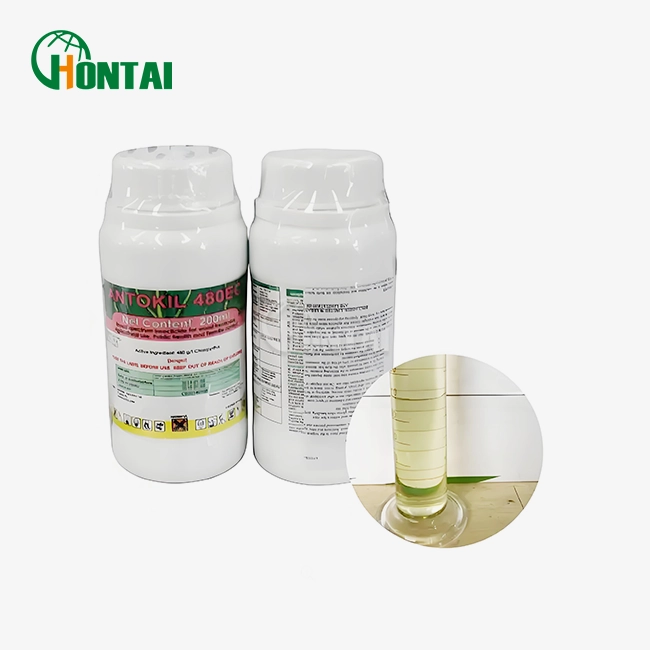
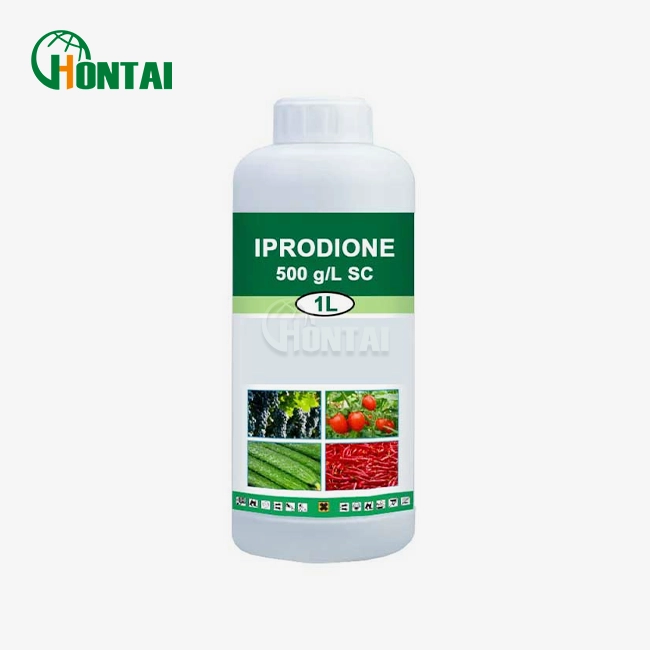
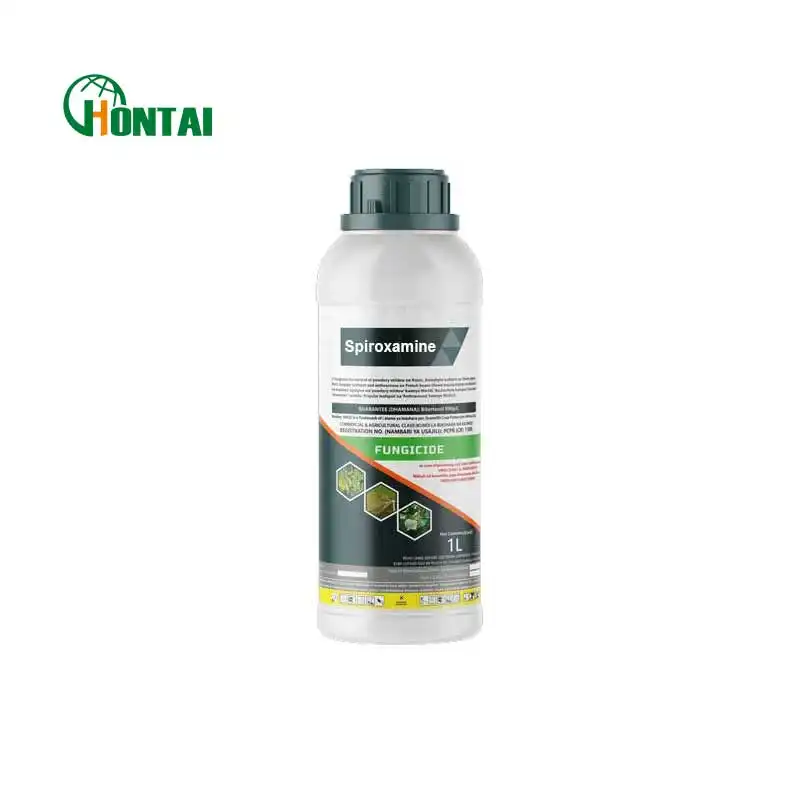
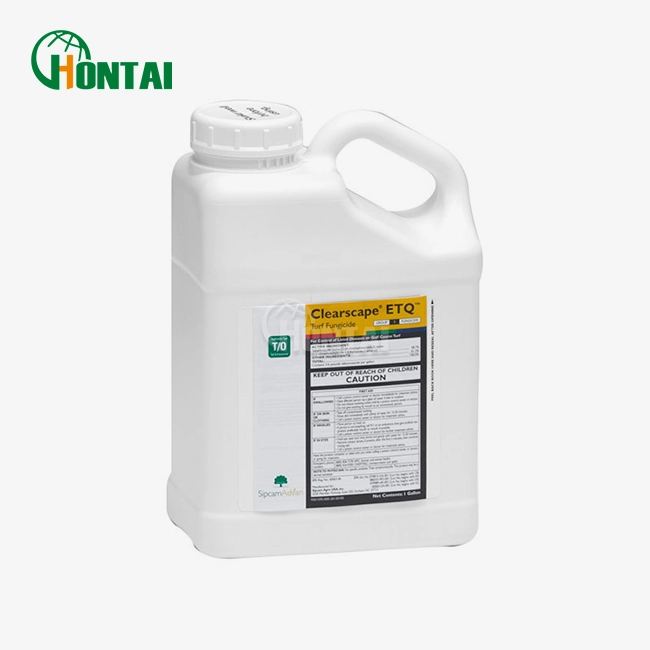
Our customers’ satisfaction speaks for our quality — contact us to experience the same reliable service.