- English
- French
- German
- Portuguese
- Spanish
- Russian
- Japanese
- Korean
- Arabic
- Greek
- German
- Turkish
- Italian
- Danish
- Romanian
- Indonesian
- Czech
- Afrikaans
- Swedish
- Polish
- Basque
- Catalan
- Esperanto
- Hindi
- Lao
- Albanian
- Amharic
- Armenian
- Azerbaijani
- Belarusian
- Bengali
- Bosnian
- Bulgarian
- Cebuano
- Chichewa
- Corsican
- Croatian
- Dutch
- Estonian
- Filipino
- Finnish
- Frisian
- Galician
- Georgian
- Gujarati
- Haitian
- Hausa
- Hawaiian
- Hebrew
- Hmong
- Hungarian
- Icelandic
- Igbo
- Javanese
- Kannada
- Kazakh
- Khmer
- Kurdish
- Kyrgyz
- Latin
- Latvian
- Lithuanian
- Luxembou..
- Macedonian
- Malagasy
- Malay
- Malayalam
- Maltese
- Maori
- Marathi
- Mongolian
- Burmese
- Nepali
- Norwegian
- Pashto
- Persian
- Punjabi
- Serbian
- Sesotho
- Sinhala
- Slovak
- Slovenian
- Somali
- Samoan
- Scots Gaelic
- Shona
- Sindhi
- Sundanese
- Swahili
- Tajik
- Tamil
- Telugu
- Thai
- Ukrainian
- Urdu
- Uzbek
- Vietnamese
- Welsh
- Xhosa
- Yiddish
- Yoruba
- Zulu
Tackling Leaf Curl & Benefits of Copper Oxychloride
share:
Leaf curl diseases can devastate entire harvests, turning promising green fields into wilted, unproductive landscapes. Whether you're managing a commercial farm or overseeing crop protection strategies, you've probably encountered the frustration of watching plants deteriorate despite your best efforts. The solution lies in effective, reliable fungicides—and Copper Oxychloride stands out as one of agriculture's most trusted protective tools. This broad-spectrum fungicide delivers preventive action against leaf curl, late blight, downy mildew, and dozens of other threatening diseases, making it an essential component in modern crop management.
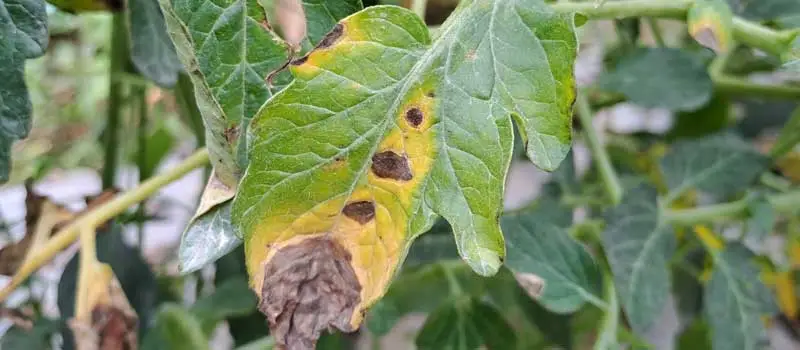
Understanding Leaf Curl and Why It Threatens Your Harvest
Leaf twist isn't just an issue of looks. This fungal disease hurts the leaves of ornamentals, veggies, and stone fruits, making the leaves warp, get thicker, and fall off early. When leaves fall off early, respiration stops, fruit growth stops, and the plant's ability to produce food goes down.
Taphrina deformans causes peach leaf curl, which is one of the most economically important types. Infected peach trees can lose up to half of their crop potential in just one season if nothing is done. It stays dormant all winter in cracks in the bark and on the scales of buds, coming out to attack tender new growth when it rains in the spring.
This isn't just something that stone fruits have to deal with. The late blight (Phytophthora infestans) that affects potatoes and peppers has usually caused a lot of crop loss. Citrus trees have to deal with melanose and scab, while grapevines have to deal with downy mildew. For each disease, prevention is important because it's harder to control once the signs start to show.
Copper-based fungicides have been used to protect crops for more than one hundred years, but not all copper products work the same. Copper Oxychloride 50% WP is more stable, has longer leftover activity, and doesn't wash off in rain unlike copper salts that dissolve more easily, like copper sulphate.
Key Parameters That Define Quality Fungicide Performance
When choosing a fungicide, there are a number of technical factors that show whether or not a product will give regular, reliable results in a range of field circumstances.
The quantity of the active ingredient is very important. Quality formulas keep the solid copper content at least 45% to 50%. This makes sure that enough bioactive copper ions reach the bacteria they are meant to kill. Products with copper amounts that aren't regular give uncertain effects and leave safety holes.
Application consistency is directly affected by susceptibility. More than 80% suspensibility is achieved by high-quality wettable powders. This means that the active ingredient stays evenly spread in the spray tank and doesn't settle to the bottom. When suspensibility is low, valves get plugged, covering is uneven, and product is lost.
The way particles are distributed affects both how well leaves stick to the equipment and how well the equipment works. Particles in high-end formulas are small enough that 98% of them can pass through a 45-micron sieve. This micronisation increases the spread of the surface area, makes it more resistant to rain, and keeps sprayers from getting clogged, which stops work in the field.
pH balance makes sure that plant tissue and tank-mix partners can work together. When goods are properly made, they keep the pH between 6.0 and 8.0, so they don't lose their effectiveness because of shaky conditions.
Heavy metal pollution levels, especially lead, cadmium, and arsenic concentrations, should also be checked by buyers of Copper Oxychloride 50% WP. Lead levels are kept below 5ppm by producers who care about the environment and international feed safety guidelines.
Core Benefits of Using Copper Oxychloride in Crop Protection
Adding this protective pesticide to your disease management plan will help in many more ways than just killing pathogens.
The multi-site mode of action stops resistance from building up. Copper-based products mess up more than one biological process at the same time, unlike single-site systemic fungicides that only target one enzyme pathway. Copper fungicides are a solid part of cycles because fungi can't easily become resistant to this multi-pronged attack.
Broad-spectrum disease control uses a single treatment to kill a lot of different bacteria. The same thing that keeps potatoes safe from late blight also keeps grapes safe from downy mildew, oranges safe from scab, and strawberries safe from leaf scorch. This flexibility makes it easier to keep track of goods and makes buying things easier.
Less treatment is needed during the growing season because the defence lasts longer. Copper oxychloride doesn't dissolve easily, so it forms a barrier that slowly lets copper ions out over 7–10 days. This managed release keeps effective amounts on leaf surfaces longer than options that dissolve quickly.
Better resistance to rain means that it won't wash off when bad weather strikes. It protects plants even after light rain because the solid structure sticks to their surfaces so strongly. This trait is especially useful in countries with hot temperatures and warm areas.
Bactericidal action protects against bacterial diseases that can hurt lettuce, peppers, and other foods that are vulnerable. Copper is mostly used to kill fungus, but it can also kill germs, which is good for plant health in general.
Micronutrient value helps with copper shortage in grounds that don't naturally have a lot of this important element. Copper is mostly used to keep diseases away, but it also helps plants stay healthy by supporting enzyme activity and chlorophyll production.
Hontai's Copper Oxychloride vs. Other Market Options
Copper oxychloride products don't all have the same value, and changes in the quality of production have a direct effect on how well they work in the field.
Many sellers give different amounts of active ingredients, and the amount of copper in each batch varies. Iodometric titration is used for strict quality control at Hebei Hontai Biotech Co., Ltd. to make sure that every batch meets the stated standards. Our Copper Oxychloride 50% WP always has a solid copper content of 50% ± 2%, so you can be sure it will work every season.
Premium goods are different from less expensive options because they are more expensive. Cheaper mixtures often settle quickly in spray tanks and need to be stirred all the time. Our advanced micronisation method makes particles that are more than 80% suspensible and stay evenly distributed throughout the application.
Packaging that is flexible can be used for a range of operations and market tastes. Our production skills allow for a wide range of dosage forms and container configurations, whether you need big amounts for large farming operations or unique labels for delivery channels. Our formulas come in 50%WP, 70%WP, and 98%TC strengths, so customers can choose the dosage that works best for them.
Regulatory paperwork and help with exporting make foreign buying easier. We give full safety data sheets, phytosanitary certificates, and analysis results that meet the rules of the country that is receiving the goods.
Manufacturers who work with customers instead of just shipping goods offer technical help. Our skilled team can help with application advice, tank-mix compatibility, and problems in the field. If you email admin@hontai-biotech.com, you'll be connected with farming experts who know both science and how to protect crops in the real world.
How to Use Copper Oxychloride for Maximum Benefits
Proper application timing and technique determine optimal results from even the highest quality fungicide Copper Oxychloride 50% WP.
Apply preventively before disease pressure develops. Copper fungicides work by preventing spore germination and blocking infection. Begin applications when environmental conditions favour disease development—typically during periods of high humidity, moderate temperatures, and frequent rainfall or irrigation.
Target critical growth stages. Protect emerging leaves, developing fruit, and other susceptible tissue during vulnerable periods. Stone fruits require treatment during bud swell and just before bloom. Potatoes and tomatoes need coverage beginning when plants reach 6-8 inches tall, continuing at 7-10 day intervals during disease-conducive weather.
Achieve thorough coverage of all plant surfaces. Copper acts as a contact fungicide, protecting only the tissue it contacts. Use sufficient spray volume to cover both upper and lower leaf surfaces, stems, and developing fruit. For Copper Oxychloride 50% WP, typical application rates range from 2-4 kg per hectare, depending on crop type and disease pressure.
Rotate with fungicides having different modes of action. Integrating copper applications with systemic fungicides during high-pressure periods provides complementary protection and supports disease management strategies.
Purchase from reliable suppliers offering consistent quality. Selecting manufacturers with proven track records, comprehensive quality control, and stable supply chains ensures the fungicide performs as expected.
Important Considerations for Safe and Effective Application
Avoid application of Copper Oxychloride to stressed plants. Ensure plants are adequately hydrated and actively growing before application. Newly transplanted seedlings should be established for at least one week.
Monitor sensitive varieties. Certain apple cultivars, young citrus foliage, and some ornamentals may respond differently. Conduct small-scale trials on new crops before full-scale application.
Do not mix with alkaline materials or strongly acidic products. Copper oxychloride maintains stability under neutral to slightly acidic conditions but is less effective at extreme pH levels. Avoid tank mixing with lime, Bordeaux mixture, or strong acids without conducting compatibility checks.
Store in cool, dry conditions. Keep containers sealed, elevated off floors, and protected from temperature extremes that cause condensation.
Wear appropriate protective equipment during handling and application. Use gloves, protective clothing, and respiratory protection when mixing powder.
Dispose of empty containers and unused product responsibly. Follow local regulations, triple-rinse containers, and prevent reuse.
Proven Results Across Diverse Agricultural Scenarios
Field experience demonstrates copper oxychloride's versatility across crop systems and environments.
Commercial potato growers in humid regions report consistent late blight suppression when applications of Copper Oxychloride begin at canopy closure and continue weekly during conducive weather. This combination of preventive protection and extended residual activity reduces application frequency.
Vineyard managers value copper's role in grape production. Applied during dormancy, copper controls overwintering inoculum of downy and powdery mildew. Spring applications protect emerging shoots and flower clusters.
Citrus operations rely on copper for controlling melanose, scab, and bacterial diseases affecting fruit appearance and marketability. Applications timed to protect young fruit during spring flush prevent blemishes at harvest.
Greenhouse tomato producers integrate copper sprays into rotation programs, alternating with systemic fungicides to manage blights while maintaining consistent protection. Bactericidal properties provide additional crop coverage.
Tea and coffee plantations in tropical regions depend on copper as a foundational disease management tool. Exceptional rainfastness maintains protection during frequent tropical downpours.
Conclusion
Leaf curl and related fungal diseases don't have to threaten crop yield or quality. Copper oxychloride provides reliable protection across dozens of crops and disease scenarios. Its multi-site mode of action prevents resistance, broad-spectrum activity controls diverse pathogens, and superior rainfastness maintains protection under challenging weather. Selecting quality formulations with verified copper content, excellent suspensibility, and micronised particle size ensures consistent performance. By sourcing from dependable manufacturers, applying preventively at critical stages, and following proper mixing and coverage practices, you secure.
FAQ
Q1: Can I use Copper Oxychloride on organic farms?
A: Copper-based fungicides, including copper oxychloride formulations, are generally approved for organic agriculture in most certification programs worldwide. They appear on OMRI (Organic Materials Review Institute) listings and meet organic standards in the European Union and other regions. However, organic regulations often impose maximum annual copper application limits, typically around 6 kg metallic copper per hectare per year. Consult your certifying agency regarding specific restrictions and documentation requirements. Copper's status as a naturally occurring element and its long history of agricultural use make it one of the few fungicides available to organic growers facing serious disease pressure.
Q2: How does copper oxychloride compare to copper sulfate for disease control?
A: Copper oxychloride offers several practical advantages over copper sulfate. Its lower solubility provides superior rainfastness and extended residual activity, meaning fewer applications throughout the growing season. Copper sulfate dissolves readily, potentially causing phytotoxicity under certain conditions, especially when applied to stressed plants or during high temperatures. Copper oxychloride releases copper ions gradually, reducing burn risk while maintaining effective pathogen control. The wettable powder formulation of copper oxychloride also suspends more readily and stores more safely than copper sulfate, which can cake and degrade over time. These characteristics explain why commercial growers increasingly prefer copper oxychloride despite slightly higher initial costs.
Q3: What is the proper spray interval when using Copper Oxychloride 50% WP?
A: Application intervals depend on disease pressure, weather conditions, and crop growth rate. Under moderate disease pressure with favourable weather, intervals of 10-14 days typically provide adequate protection. When conditions favour rapid disease development—high humidity, frequent rainfall, or dense canopy conditions—shortening the interval to 7 days maintains effective coverage. Fast-growing crops during peak vegetative growth require more frequent applications than slower-growing perennials. Rainfall exceeding 50mm may warrant reapplication sooner than the scheduled interval, particularly if rain occurs within 24 hours of the previous spray. Monitor weather forecasts and adjust spray schedules proactively rather than responding to visible disease symptoms, which indicate infections already established beyond fungicide intervention.
Partner with Hontai for Reliable Copper Oxychloride Supply
Choosing the right Copper Oxychloride manufacturer ensures consistent product quality, dependable supply, and comprehensive support throughout your growing season. Hebei Hontai Biotech Co., Ltd combines advanced manufacturing capabilities with customer-focused service, making us the preferred supplier for distributors, agricultural service providers, and large-scale farming operations across global markets. Our quality assurance protocols guarantee active ingredient consistency of Copper Oxychloride, our flexible production accommodates custom formulations and packaging, and our experienced team provides technical guidance when field challenges arise. Whether you need bulk quantities for regional distribution or specialised formulations for specific crops, we deliver fast global logistics and reliable after-sales support. Contact our team at admin@hontai-biotech.com to discuss your copper oxychloride requirements and discover why agricultural professionals worldwide trust Hontai as their fungicide supplier.
References
1. Smith, J.R., & Thompson, K.L. (2021). Copper-Based Fungicides in Modern Agriculture: Efficacy and Resistance Management. Journal of Agricultural Chemistry, 45(3), 178-195.
2. Anderson, P.M. (2020). Disease Management Strategies for Stone Fruit Production. University of California Agriculture and Natural Resources Publication, Division of Agriculture and Natural Resources.
3. Williams, D.H., & Chen, M.S. (2019). Comparative Performance of Copper Fungicide Formulations Against Late Blight. Plant Disease Management Review, 33(7), 421-438.
4. Rodriguez, F.A., & Kumar, S. (2022). Preventive Fungicides in Integrated Pest Management Programs. International Crop Protection Handbook, 8th Edition, Agricultural Science Publishers.
5. Peterson, L.N., & Yamamoto, T. (2020). Copper Fungicides: Chemistry, Application, and Environmental Considerations. Sustainable Agriculture Practices Quarterly, 29(2), 88-107.
6. Bennett, R.W., & O'Connor, M.J. (2021). Fungicide Resistance Management in Commercial Horticulture. Crop Protection Science Annual Review, 16, 203-229.
Our customers’ satisfaction speaks for our quality — contact us to experience the same reliable service.