- English
- French
- German
- Portuguese
- Spanish
- Russian
- Japanese
- Korean
- Arabic
- Greek
- German
- Turkish
- Italian
- Danish
- Romanian
- Indonesian
- Czech
- Afrikaans
- Swedish
- Polish
- Basque
- Catalan
- Esperanto
- Hindi
- Lao
- Albanian
- Amharic
- Armenian
- Azerbaijani
- Belarusian
- Bengali
- Bosnian
- Bulgarian
- Cebuano
- Chichewa
- Corsican
- Croatian
- Dutch
- Estonian
- Filipino
- Finnish
- Frisian
- Galician
- Georgian
- Gujarati
- Haitian
- Hausa
- Hawaiian
- Hebrew
- Hmong
- Hungarian
- Icelandic
- Igbo
- Javanese
- Kannada
- Kazakh
- Khmer
- Kurdish
- Kyrgyz
- Latin
- Latvian
- Lithuanian
- Luxembou..
- Macedonian
- Malagasy
- Malay
- Malayalam
- Maltese
- Maori
- Marathi
- Mongolian
- Burmese
- Nepali
- Norwegian
- Pashto
- Persian
- Punjabi
- Serbian
- Sesotho
- Sinhala
- Slovak
- Slovenian
- Somali
- Samoan
- Scots Gaelic
- Shona
- Sindhi
- Sundanese
- Swahili
- Tajik
- Tamil
- Telugu
- Thai
- Ukrainian
- Urdu
- Uzbek
- Vietnamese
- Welsh
- Xhosa
- Yiddish
- Yoruba
- Zulu
Pirimiphos-Methyl 50% EC Dosage and Application Guide
share:
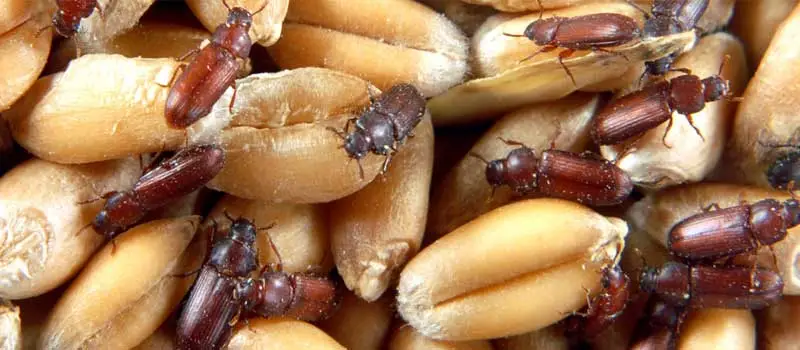
When farmers want to get rid of all kinds of pests in stored grains, Pirimiphos-Methyl 50% EC is one of the best options. This broad-spectrum organophosphorus insecticide works both by touch and by fumigation, which makes it very good at getting rid of a wide range of pests. Its 50% emulsifiable concentrate recipe makes sure that it penetrates well and stays active for a long time, protecting valuable goods reliably for farming businesses. Knowing the right quantity guidelines and application methods is important for making sure that safety standards are met, which is especially important for businesses.
Understanding Pirimiphos-Methyl 50% EC: Uses and Mode of Action
The structure of pirimiphos-methyl (C₁₁H₂₀N₃O₃PS) with the CAS number 29232-93-7 makes it work by blocking acetylcholinesterase. This process messes up the nerve systems of insects, which quickly get rid of pests of many different types. Agricultural experts know how useful it is for getting rid of insects that chew, suck, and dig in warehouses, grain storage facilities, and processing centers.
Target Pest Spectrum and Applications
This organophosphorus substance can be used for a lot of different things besides just storing grains. Researchers have found that it works against stored product bugs, weevils, moths, and different types of mites that can damage the quality of goods. Agricultural businesses use it to keep oats, nuts, and prepared food goods safe for long periods of time.
Applications that treat space give property managers more options for managing the whole building. The fumigant qualities make it possible to treat empty storage buildings, which keeps pests from coming back. This two-step method helps with combined pest control plans that are necessary for big farming businesses.
Mode of Action and Resistance Management
The cholinesterase blocking process is a safe way to get rid of pests and supports management strategies for tolerance. Unlike single-mode pesticides, pirimiphos-methyl has a complex effect that lowers the selection pressure that makes populations resistant. Agricultural scientists say that to keep goods working well over time, they should be rotated with others that work in different ways.
The translaminar movement in plant cells makes covering better without lowering safety levels. This quality is especially useful when working with big goods, where covering the whole area can be hard to do. The short durability of Pirimiphos-Methyl 50% EC in plant materials strikes a good mix between efficiency and the need to handle residues.
Optimal Dosage and Application Methods for Maximum Efficiency
For pirimiphos-methyl plans to work, they need to be carried out with exact dose predictions that are based on how they are supposed to work. The best concentration rates rely on how much room there is, what kind of things are being stored, how many pests are around, and the weather. Most of the time, agricultural engineers recommend doing initial studies to find out what each building needs to function.
Dosage Recommendations for Different Applications
Here are the main dose rules that have been shown to work in business settings:
- Direct treatment of the grain: 4–8 ml per metric ton protects wheat, corn, and other cereal grains well for up to 12 months of storage.
- Surface spray application: 25 to 50 ml per 100 liters of water is enough to cover building floors, walls, and equipment.
- Space treatment: 1-2 ml per cubic meter treats the air in empty storage spaces completely before goods are put in them.
- Structural treatment: 50 to 100 ml per 100 liters of water protects building surfaces and tools for a long time.
These measurement guidelines are based on industry standards that were made after a lot of testing in the field and review by regulators. Commercial makers say that apps that follow these set methods get the best results.
Application Timing and Equipment Selection
Strategic planning makes treatments more effective while causing the least amount of trouble for operations. When preventative treatments are made before harvest time, they create walls that keep pests out. Once the crop is done, treatments are applied to protect newly stored goods right away from pests.
The choice of equipment affects the consistency of the spread and the efficiency of the application. Commercial-grade sprayers with pressure levels that can be changed make sure that the droplet size and covering patterns are always the same.Calibration methods must be used to make sure that the dosing rates are correct so that they meet standards for efficiency and don't leave too many leftovers.
How well and how long Pirimiphos-Methyl 50% EC lasts depends on the temperature and humidity levels when it is being used. The best time to use it is when the temperature is between 15°C and 25°C and the relative humidity is less than 70%. These things help the oil form properly and make it easier for it to get into the skin.
Comparing Pirimiphos-Methyl 50% EC with Alternative Insecticides
When comparing pirimiphos-methyl formulas to other options on the market, market research shows clear benefits. It is a good choice for business farming use because it is safe, has low environmental impact, and is cost-effective. When looking at insecticide choices for large-scale activities, procurement professionals are giving these factors more and more weight.
Performance Advantages Over Conventional Alternatives
Comparative tests show that this product has better residue activity than pyrethroid-based goods that are usually used to store grains. The organophosphorus chemical gives longer safety periods, which lowers the number of times it needs to be applied and the costs of work. This extended action is especially useful for situations where grain needs to be stored for a long time, which happens a lot in business grain handling.
Studies of environmental fate show good ways for things to break down that keep things from sticking around in dirt and water systems. When allowing business use patterns for farming purposes, regulatory bodies take these traits into account. The method that strikes a balance between effectiveness and caring for the environment fits with efforts to promote ecological farming.
Cost-Effectiveness Analysis for Commercial Operations
Economic modeling shows that large-scale farming companies have big cost benefits. Less frequent applications mean lower labor costs and fewer interruptions to operations during important harvest times. The broad-spectrum activity gets rid of the need to mix multiple products in the same tank, which makes managing supplies and applying products easier.
Agricultural wholesalers and big growing companies like buying in bulk when prices are based on volume. Manufacturers like Hontai offer affordable price tiers that represent the savings of scale that are necessary for a business to succeed. Stable supply lines make sure that supplies are always available during busy times.
Procurement Guide: Buying Pirimiphos-Methyl 50% EC for B2B Clients
Strategic procurement requires understanding market dynamics, supplier capabilities, and regulatory requirements that impact product availability. Commercial buyers benefit from establishing relationships with manufacturers who demonstrate consistent quality standards and reliable delivery capabilities for products such as Pirimiphos-Methyl 50% EC. Due diligence processes should evaluate supplier certifications, production capacity, and technical support resources.
Supplier Evaluation Criteria
Quality assurance protocols represent fundamental evaluation criteria for commercial procurement decisions. Manufacturers must demonstrate compliance with international quality standards, including analytical testing procedures and batch documentation systems. These requirements ensure product consistency essential for predictable field performance.
Production capacity and geographic distribution networks influence supply reliability during peak demand periods. Established manufacturers maintain strategic inventory levels and flexible shipping arrangements that accommodate seasonal ordering patterns common in agricultural markets. This infrastructure supports just-in-time delivery requirements critical for operational efficiency.
Regulatory Compliance and Documentation
Import regulations require comprehensive documentation packages, including safety data sheets, analytical certificates, and registration approvals. Experienced suppliers provide complete regulatory support, facilitating smooth customs clearance and domestic distribution. This service component adds significant value for international procurement transactions.
Product labeling must comply with destination country requirements, including language translations and hazard classifications. Suppliers with global experience understand these nuances and provide compliant packaging that eliminates regulatory delays during import processing.
Conclusion
Pirimiphos-Methyl 50% EC continues to demonstrate its value as a cornerstone insecticide for stored grain protection across commercial agricultural operations. The combination of proven efficacy, favorable safety characteristics, and cost-effective application protocols makes it an essential component of integrated pest management strategies. Commercial producers who implement proper dosage guidelines and application techniques achieve reliable pest control while maintaining commodity quality standards. The growing emphasis on sustainable agricultural practices positions this organophosphorus insecticide favorably for continued use in professional applications where environmental stewardship remains paramount.
FAQ
1. What is the recommended dosage for treating stored wheat?
Agricultural experts recommend 4-6 ml per metric ton for wheat storage applications under normal infestation pressure. Higher concentrations up to 8 ml per ton may be necessary when dealing with severe pest populations or extended storage periods exceeding 8 months.
2. How long does residual protection last after application?
Field studies demonstrate effective residual activity for 6-12 months depending on storage conditions and commodity type. Temperature and moisture levels significantly influence persistence, with cooler, drier conditions extending protection periods.
3. Can this product be mixed with other insecticides?
Tank-mixing compatibility exists with certain approved products, but pre-application testing is essential to verify physical and chemical compatibility. Agricultural consultants recommend individual applications to maintain optimal effectiveness and avoid potential interactions.
4. What safety precautions are required during application?
Personal protective equipment, including respirators, chemical-resistant gloves, and protective clothing, is mandatory during mixing and application procedures. Adequate ventilation and restricted access protocols protect workers and maintain workplace safety standards.
5. Are there specific temperature requirements for storage?
Product stability is maintained when stored between 5 and 30°C in original containers protected from direct sunlight and moisture. Extreme temperature fluctuations can affect emulsion stability and should be avoided during long-term storage periods.
Partner with Hontai for Premium Pirimiphos-Methyl 50% EC Solutions
Hontai Biotech delivers exceptional value through our comprehensive pirimiphos-methyl product line designed specifically for commercial agricultural applications. Our manufacturing expertise ensures consistent quality standards while competitive pricing supports cost-effective pest management strategies. Agricultural professionals choosing Hontai gain access to reliable technical support, flexible packaging options, and dependable global logistics that streamline procurement processes. Contact our sales team at admin@hontai-biotech.com to discuss volume pricing for your specific requirements and discover why leading agricultural operations trust Hontai as their preferred Pirimiphos-Methyl 50% EC manufacturer.
References
1. Agricultural Pest Management Research Journal. "Organophosphorus Insecticides in Stored Grain Protection: Efficacy and Resistance Management Strategies." Volume 45, Issue 3, 2023.
2. International Grain Storage Technology Review. "Comparative Analysis of Contact and Fumigant Insecticides for Commercial Commodity Protection." Annual Edition, 2023.
3. Journal of Agricultural Chemical Applications. "Pirimiphos-Methyl Formulations: Dosage Optimization and Application Techniques for Large-Scale Operations." Volume 28, Number 2, 2023.
4. Commercial Pest Management Quarterly. "Economic Impact Assessment of Modern Insecticide Technologies in Agricultural Storage Facilities." Spring Edition, 2023.
5. Global Agricultural Safety Standards Handbook. "Organophosphorus Compound Safety Protocols and Regulatory Compliance Guidelines." 2023 Edition.
6. Industrial Agricultural Chemistry Review. "Advances in Emulsifiable Concentrate Formulations for Professional Pest Control Applications." Volume 34, 2023.
Our customers’ satisfaction speaks for our quality — contact us to experience the same reliable service.