- English
- French
- German
- Portuguese
- Spanish
- Russian
- Japanese
- Korean
- Arabic
- Greek
- German
- Turkish
- Italian
- Danish
- Romanian
- Indonesian
- Czech
- Afrikaans
- Swedish
- Polish
- Basque
- Catalan
- Esperanto
- Hindi
- Lao
- Albanian
- Amharic
- Armenian
- Azerbaijani
- Belarusian
- Bengali
- Bosnian
- Bulgarian
- Cebuano
- Chichewa
- Corsican
- Croatian
- Dutch
- Estonian
- Filipino
- Finnish
- Frisian
- Galician
- Georgian
- Gujarati
- Haitian
- Hausa
- Hawaiian
- Hebrew
- Hmong
- Hungarian
- Icelandic
- Igbo
- Javanese
- Kannada
- Kazakh
- Khmer
- Kurdish
- Kyrgyz
- Latin
- Latvian
- Lithuanian
- Luxembou..
- Macedonian
- Malagasy
- Malay
- Malayalam
- Maltese
- Maori
- Marathi
- Mongolian
- Burmese
- Nepali
- Norwegian
- Pashto
- Persian
- Punjabi
- Serbian
- Sesotho
- Sinhala
- Slovak
- Slovenian
- Somali
- Samoan
- Scots Gaelic
- Shona
- Sindhi
- Sundanese
- Swahili
- Tajik
- Tamil
- Telugu
- Thai
- Ukrainian
- Urdu
- Uzbek
- Vietnamese
- Welsh
- Xhosa
- Yiddish
- Yoruba
- Zulu
Is isoprothiolane soluble in water?
share:
Isoprothiolane is one of the most effective systemic fungicides used in current rice farming. It protects against rice blast disease, a fungal disease that causes big yield losses around the world. As sourcing workers and agrochemical wholesalers look at fungicide portfolios, it's important to know the chemical qualities of the active ingredients to get the best results in the field and in storage. Solubility is one of the most important qualities that affects how formulations are made, how they mix in spray tanks, how they behave in the environment, and finally, how cost-effective large-scale farming operations are. This guide answers a basic question that comes up a lot during technical reviews: Does isoprothiolane dissolve easily in water? By looking closely at how chemicals behave, what effects formulation has, and how to use them in real life, we want to give B2B buyers useful information that will help them make smart buying decisions, follow the rules, and protect crops effectively in a variety of growing conditions.
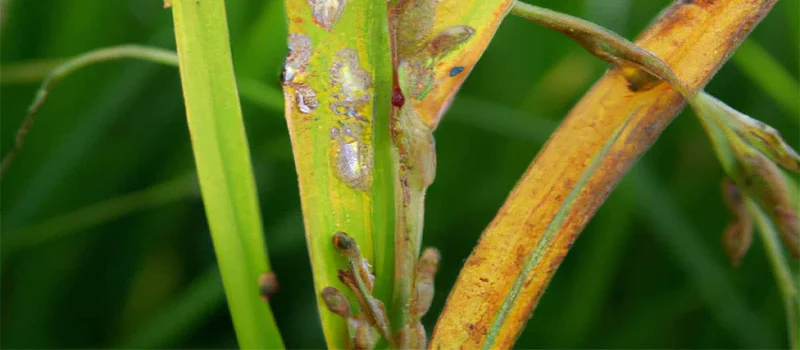
Understanding Isoprothiolane and Its Chemical Properties
Chemical Structure and Classification
The organosulfur compound class includes isoprothiolane, which has the scientific name diisopropyl 1,3-dithiolan-2-ylidenemalonate. Its chemical formula, C₁₂H₁₈O₄S₂, shows that it has a complicated structure with two isopropyl ester groups and a dithiolane ring. This structure gives the substance certain chemical and physical traits that set it apart from other fungicide families. The scientific-grade material is a solid that is crystalline and white to slightly yellow. Its freezing point is between 50°C and 54.5°C, which means it will stay in a stable crystalline form when stored normally.
Molecular Factors Influencing Solubility
How isoprothiolane reacts with water and organic liquids is directly related to how neutral it is and how much it likes fat. Although the ester functional groups add some polarity, the overall molecule is very lipophilic thanks to the dithiolane ring's hydrophobic nature and its large isopropyl substituents. Isoprothiolane dissolves better in non-polar or slightly polar media than in highly polar water because it has a lipophilic property. By knowing this basic trait, procurement teams can guess how the compound will work during formulation, tank mixing, and soil interaction. This is important information for comparing seller offers and finding products that meet practical needs.
Relevance to Formulation and Application
The ability to dissolve in water affects many things further downstream. Because they don't dissolve well in water, they need special formulations that make it easier for them to spread out and be absorbed. Fungicides that dissolve easily in water can be made as simple aqueous solutions, but chemicals that dissolve slowly need emulsifiers, dispersants, and detergents to make sure they are spread evenly in spray tanks. Knowing these needs ahead of time helps buyers figure out how hard the mixture is to make, how easy it is to use, and whether it will work with their current spray tools. In addition to its actual use, solubility affects the environment by affecting things like leaching potential, soil movement, and persistence. These are all things that are being looked at more closely as pesticide laws change in places like the US.
Is Isoprothiolane Soluble in Water? Detailed Analysis
Measured Solubility Data
Isoprothiolane doesn't dissolve well in water; tests at 20°C show that it dissolves in about 48 mg/L. This number puts the molecule firmly in the group of agrochemicals that don't dissolve well in water. In this case, water solubility below 100 mg/L usually needs more than just simple watery solutions for preparation. When pure technical-grade isoprothiolane comes into contact with water, only a small amount dissolves at the molecular level. The rest stays as solid particles or needs to be solubilized with other substances to create stable solutions or emulsions. This chemical fact affects how business goods are made and how spray mixes are made by end users.
Solubility in Organic Solvents
Isoprothiolane doesn't dissolve well in water, but it dissolves very well in organic liquids like methanol, acetone, dichloromethane, and aromatic hydrocarbons. Because of this property, Emulsifiable Concentrate (EC) formulas can be made, in which the active ingredient dissolves in a mix of organic solvents and emulsifiers. The EC formulation turns into a steady emulsion when mixed with water at the place of use. This lets the fungicide get to the plants it's meant for. This compatibility with solvents is a technical benefit that gives formulators more freedom and ensures that the product works the same way in all kinds of situations.
Comparison with Other Fungicides
Isoprothiolane dissolves in water about the same amount as other rice fungicides, such as tricyclazole and propiconazole. Tricyclazole is another systemic rice blast pesticide that dissolves in water at 20°C at a rate even lower than isoprothiolane (18 mg/L). Propiconazole, a triazole fungicide, has a concentration close to 100 mg/L, which is a little higher but still considered low. These similarities show that a lot of successful systemic fungicides don't mix well with water. This is because they are lipophilic, which means they like fats and can get through plant cuticles and move around inside plant cells. Purchasing professionals can set realistic goals and avoid misunderstandings about the solubility needs for high-performance crop protection goods when they see this trend.
Environmental and Safety Implications
Low water solubility lowers the chance of fast leaching through soil profiles, which lowers the chance of polluting groundwater. It does, however, mean that leftovers may stay longer in soil and plant cells. Concerning safety, Isoprothiolane is not very harmful to mammals (its oral LD50 value is higher than 1190 mg/kg in rats), and it doesn't mix well with water. This means that drinking water sources pose a lower risk of acute exposure. Regulatory bodies in the US and other places look at these solubility-related environmental behaviors when they give the go-ahead for fungicide use. This is why buyers need to make sure that the goods they buy come with all the paperwork that shows they meet local standards.
Comparative Effectiveness and Usage of Isoprothiolane in Rice Farming
Systemic Activity and Field Performance
Isoprothiolane works against rice blast because it has qualities that affect the whole body. Even though it doesn't dissolve easily in water, the substance is easily taken up by the roots and moved to the leaves and panicles. This ability to move ensures the safety of newly growing tissues, which is very important during the heading stage when blast infections can destroy yields. The systemic action makes up for the fact that the formulation's emulsifiers and detergents make it easier for the product to be absorbed at first. Isoprothiolane stops lipid production in fungus cells by focusing on phospholipid N-methyltransferase. This is different from how many other fungicides work and is useful for managing resistance.
Synergy and Resistance Management
Putting Isoprothiolane 40% EC together with chemicals like carbendazim or tricyclazole makes it easier to control diseases and slows down the development of tolerance. To increase the range of activities, these mixes use different solubility patterns and complementary modes of action. When it comes to tank-mix compatibility, solubility plays a big role: formulations need to be solid when mixed so that they don't precipitate or separate. When buying combination goods, procurement teams should check the results of compatibility tests and make sure that the solubility properties of each active ingredient are matched in the formulation so that the ingredients are spread out evenly during spraying.
Cost-Effectiveness in Procurement
Solubility affects the cost of making something, which in turn affects the price. When compared to simple water-soluble powders, emulsifiable concentrates and solution formulas need extra steps and additives during processing. However, these versions work better in the field and are easier to use, which is why they come with small price increases. When buying in bulk, knowing the formulation standards related to solubility helps buyers make more accurate price comparisons, knowing that cheaper goods with poor formulation quality may not work as well or cause application problems. There are also logistics and storage issues to think about. When stored properly, EC and suspension products usually have stable shelf lives, but they need to be kept away from temperature extremes to avoid phase separation or crystallization, which is directly related to how they dissolve.
Procurement Guide for Isoprothiolane: Buying and Usage Tips
Selecting the Right Formulation
Understanding the properties of solubility is important for matching the type of composition to the needs of the process. Emulsifiable Concentrates (EC), like Isoprothiolane 40% EC, are still the most popular choice for large-scale rice farming because they are stable and easy to mix. Another choice is Suspension Concentrates (SC), which mix finely ground active ingredient particles with stabilizers in water. Both types of formulations can handle low water solubility and make sure that the product is applied evenly. Buyers who are in charge of different types of crops or who have problems with water quality should ask for information on the stability of the mixture in their area, such as tests done in hard water or at high temperatures.
Verifying Quality Standards and Certifications
Strict quality control is the first step in making sure a product is real and works well. Important things to look for in an inspection are the amount of active ingredients (checked with HPLC), the stability of the emulsion (CIPAC MT 36.3 test), the amount of moisture (below 0.5% using the Karl Fischer method), and how long the foam lasts. These factors have a direct effect on solubility and the consistency of the mixture. Suppliers with a good reputation give full quality certificates, reports on batch testing, and proof of compliance for EPA registration or similar regulatory frameworks. Buyers should give more weight to sellers who can show they have experience exporting, have standards like ISO 9001, and can be tracked all the way through the supply chain.
Handling, Storage, and Logistics
Isoprothiolane 40% EC mixtures stay chemically stable as long as they are stored properly. Storing in a cool, dry place out of direct sunlight lowers the risk of breakdown and maintains the safety of the emulsion. The chemical has a hydrolysis half-life of more than a year at neutral pH, but moisture can speed up breakdown over long periods of time. When trying to ship large amounts of stuff, you should think about the types of containers that prevent wetness and temperature changes from happening during transport. Our team at Hontai gives thorough storage instructions and helps with logistics planning to make sure the quality of the product from the plant to the field is maintained, which helps with inventory management and cuts down on waste.
Conclusion
Isoprothiolane is a highly effective systemic fungicide for controlling rice blast, but its low water solubility (approximately 48 mg/L at 20°C) requires careful mixture design. The compound's lipophilic nature makes it easy for plants to take it up and move it around. This makes up for the fact that it doesn't dissolve well in water and ensures consistent field performance. Understanding these solubility characteristics is helpful for procurement workers because it makes formulation needs clear, helps them choose products, and supports strategies for cost-effective purchasing. As rules change and sustainability becomes more important, buying from reliable suppliers with strong quality control and technical know-how is the best way to make sure compliance, operating success, and long-term relationship value in global agriculture markets.
FAQ
1. Can Isoprothiolane be mixed directly with water for spraying?
The low solubility of pure Isoprothiolane prevents it from being mixed with water directly. Formulations sold in stores, like 40% EC, are made with emulsifiers and solvents that make mixing with water stable in spray tanks. Always use pre-formulated goods and follow the dilution directions on the box to get the best results and an even spread.
2. Does low water solubility affect environmental safety?
Low solubility in water lowers the chance of leaking, which lowers the risk of groundwater contamination. But leftovers might last longer in dirt. Isoprothiolane has a good toxicological profile and has been approved by the government. This shows that when it is used according to the rules, the environmental risks are still manageable and within acceptable safety ranges.
3. How long can diluted Isoprothiolane solutions be stored?
Isoprothiolane emulsions should be used quickly, ideally within 24 hours, after being mixed with water. When weakened liquids are stored for a long time, they may break down, settle, or lose their effectiveness. Making new spray mixes ensures uniform performance and keeps problems with application from happening.
Partner with Hontai for Reliable Isoprothiolane Supply
Hontai Biotech, a reputable provider of Isoprothiolane, combines research, development, and sales to produce fungicides of the highest calibre that comply with strict international regulations. To meet the needs of large-scale farm producers, distributors, and crop protection businesses, our skilled team provides expert technical advice, quick global logistics, and full after-sales support. We offer flexible options backed by stable product quality and consistent supply, whether you need large amounts, unique formulations, or OEM services. Email us at admin@hontai-biotech.com to talk about your specific needs, get product datasheets, and find out how our global farming service can help you protect your crops and run your business more efficiently.
References
1. Tomlin, C. D. S. (2009). The Pesticide Manual: A World Compendium (15th ed.). British Crop Protection Council.
2. Food and Agriculture Organization of the United Nations. (2016). Specifications and Evaluations for Agricultural Pesticides: Isoprothiolane. FAO Plant Production and Protection Paper.
3. MacBean, C. (2012). The Pesticide Manual (16th ed.). British Crop Protection Council.
4. Environmental Protection Agency. (2020). Pesticide Fact Sheet: Isoprothiolane. Office of Chemical Safety and Pollution Prevention.
5. Singh, B. K., & Walker, A. (2006). Microbial degradation of organophosphorus compounds. FEMS Microbiology Reviews, 30(3), 428-471.
6. Collaborative International Pesticides Analytical Council. (2018). CIPAC Handbook: Methods for the Analysis of Formulations. CIPAC Publications.
Our customers’ satisfaction speaks for our quality — contact us to experience the same reliable service.