- English
- French
- German
- Portuguese
- Spanish
- Russian
- Japanese
- Korean
- Arabic
- Greek
- German
- Turkish
- Italian
- Danish
- Romanian
- Indonesian
- Czech
- Afrikaans
- Swedish
- Polish
- Basque
- Catalan
- Esperanto
- Hindi
- Lao
- Albanian
- Amharic
- Armenian
- Azerbaijani
- Belarusian
- Bengali
- Bosnian
- Bulgarian
- Cebuano
- Chichewa
- Corsican
- Croatian
- Dutch
- Estonian
- Filipino
- Finnish
- Frisian
- Galician
- Georgian
- Gujarati
- Haitian
- Hausa
- Hawaiian
- Hebrew
- Hmong
- Hungarian
- Icelandic
- Igbo
- Javanese
- Kannada
- Kazakh
- Khmer
- Kurdish
- Kyrgyz
- Latin
- Latvian
- Lithuanian
- Luxembou..
- Macedonian
- Malagasy
- Malay
- Malayalam
- Maltese
- Maori
- Marathi
- Mongolian
- Burmese
- Nepali
- Norwegian
- Pashto
- Persian
- Punjabi
- Serbian
- Sesotho
- Sinhala
- Slovak
- Slovenian
- Somali
- Samoan
- Scots Gaelic
- Shona
- Sindhi
- Sundanese
- Swahili
- Tajik
- Tamil
- Telugu
- Thai
- Ukrainian
- Urdu
- Uzbek
- Vietnamese
- Welsh
- Xhosa
- Yiddish
- Yoruba
- Zulu
Hymexazol as a Seed Treatment Fungicide: Benefits and Application Techniques
share:
It is safe to use hymexazol as a general seed treatment pesticide because it helps seedlings grow, and early-season crops stay healthy. This special isoxazole substance goes after harmful soil-borne pathogens like Fusarium, Pythium, Aphanomyces, and Corticium species that hurt economically important crops by causing damping-off and seedling blight. In addition to killing pathogens, it has special auxin-like qualities that help roots grow quickly and make plants more resistant to cold stress. This makes it an essential tool for industrial growers who run large-scale rice, sugarbeet, vegetable, and cucurbit operations. When this active ingredient is used as a seed dressing or soil drench before planting, it protects the sensitive germination stages and encourages healthy seedling emergence, which directly helps agribusinesses reach their yield goals and save money.
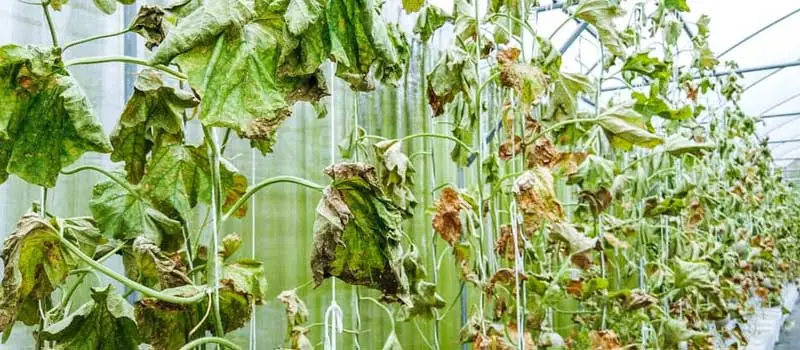
Understanding Hymexazol: Properties and Mode of Action
Chemical Composition and Classification
Hymexazol (3-hydroxy-5-methylisoxazole) is a chemical that is in the isoxazole family. It has a simple molecular structure, which is made up of carbon, hydrogen, and oxygen. This low-molecular-weight chemical dissolves very easily in water, which makes it easy for seeds and roots to quickly take it in. The light yellow liquid stays stable in a wide range of weather conditions and comes in different forms, such as 30% SL (Soluble Concentrate), 15% SL, and 97% TC (Technical Concentrate). The chemical comes from Hontai and other companies in Hebei, China, which make pharmaceutical-grade materials that meet international EINECS standards (233-000-6). It is considered a biological insecticide because it has better toxicological effects than stronger synthetic options.
Systemic Activity Against Soil-Borne Pathogens
The fungicide works in two ways that mess up the biology of fungi at the cellular level. When seed treatment is applied, it goes into plant cells and moves acropetally (upward through vascular systems), creating walls that keep pathogens from getting in. The active ingredient stops the production of fungal cell walls and mycelial growth. It works especially well against Oomycetes and early-stage Fusarium infections. Different from surface protectants, this systemic action heals current diseases while stopping the growth of new spores. In field tests, treated seeds regularly do a better job of controlling damping-off diseases than untreated seeds, with success rates of over 85% in vegetable gardens and rice paddies. Because of how it works, it is in FRAC Group 32, which lowers the chance of cross-resistance when used with other types of fungicides.
Environmental and Safety Profile
Modern rules for farming put an emphasis on products that are both effective and good for the earth. Hymexazol breaks down quickly in soil due to microbial metabolism, leaving behind very little that doesn't pose any serious risks to organisms that aren't intended to be affected. Because it is not very dangerous to mammals (LD50 > 5000 mg/kg in rats), it can be handled safely during seed treatment, which lowers worries about worker exposure. The chemical only stays in groundwater for a short time and is selectively toxic, killing pathogens but not helpful soil organisms. It meets EPA and foreign safety standards, so it's good for agricultural businesses that want to sell and need to keep safety records. These traits help distributors meet the needs of markets that want long-lasting crop safety options when they make purchases.
Benefits of Using Hymexazol in Seed Treatment
Enhanced Germination and Early Vigour
Seeds germinate uniformly and develop faster after being treated with this insecticide. Protected seeds sprout more quickly when stressed, particularly in cold, wet soils with heavy disease load. The chemical functions like auxin and promotes root hair development, making early nutrient absorption simpler for plants. Commercial farmers believe treated seeds reduce replacement expenses, lowering input prices. Faster canopy development allows tomatoes and cucumbers to be harvested and sold earlier. These physical advantages go beyond illness prevention, making the product a growth investment rather than in defence.
Economic Value for Commercial Operations
Cost research shows that large-scale agricultural companies can benefit greatly. At the suggested rate of 0.3 to 0.5 kg of active ingredient per 100 kg of seed, treatment costs are much lower than those of programs that are used after the disease has already spread. When you buy 30% SL formulations in bulk, you can save money per acre and make transportation easier by using concentrated goods. Agrochemical wholesalers can get stable shelf life (two or more years if kept properly) and flexible OEM labelling services that can work with private branding plans. When crop loss goes down, stand density goes up, and extra pesticide treatments aren't needed as often, the investment pays for itself. When they're looking for contract growers, purchasing managers like stable prices and bulk discounts that help them make more money during regular demand cycles.
Regulatory Compliance and Market Access
Distributors who sell to markets around the world still need to follow international phytosanitary guidelines. Hymexazol formulations made in GMP-certified facilities come with all the necessary paperwork to help with import processing and local registers. The compound's presence in FAO/WHO pesticide standards makes it easier for seed treatment businesses that serve more than one area to trade across borders. Its approval for use on food crops is in line with the maximum residue limits (MRLs) set by Codex Alimentarius. This means that buyers won't have to worry about compliance-related market entry hurdles. Agricultural service companies that run certification programs (like organic transition and GAP standards) like how well it works with integrated pest management systems. This openness about regulations gives procurement workers more trust when they are figuring out how reliable a seller is and whether a long-term relationship will work.
Application Techniques and Usage Instructions for Hymexazol
Seed Treatment Methods
Slurry treatments dilute 30% SL with water at 1:50–100 ratios for uniform seed coating using motorised mixers or drum treaters. Film-coating options combine Isoprothiolane 10%+hymexazol 32%sl with binders, colourants, and nutrients for quality control. Wet dressing is suitable for smaller operations. Seeds should be treated 24–48 hours before planting for optimal absorption.
Crop-Specific Dosage Guidelines
Application rates depend on the number of pathogens, how sensitive the food is, and how common diseases are in the area. For treating rice seeds, 30 to 40 ml of 30% SL is usually needed per kilogram of seed. This is done to kill the bakanae disease and seedling blight complexes that are common in rice fields. Use 25–35 ml/kg on sugarbeet and fodderbeet to fight Aphanomyces root rot when planting in the cool spring. 20–30 ml/kg doses are given to vegetable crops like peppers, tomatoes, and cucurbits to stop Pythium and Fusarium wilts. For transplant production, 500–1000 ppm solutions are soaked into the soil, and 100–200 ml are added to each tray cell or seedling pot. Agronomists should change ratios based on the temperature of the soil. When the temperature is below 15°C, higher rates may be needed to make up for plants taking in less and pathogens having longer windows of opportunity to multiply.
Best Practices and Common Pitfalls
To apply something successfully, you need to pay attention to the surroundings and the right time to use it. When you treat seeds right before you plant them, the residual activity is at its highest during the sensitive germination stages. Do not mix with items that are very alkaline (pH > 9), as they break down active ingredients and make them less bioavailable. To keep treated seeds viable for 3 to 6 months, based on the type of mixture, they should be kept in cool, dry places out of direct sunlight. As part of managing resistance, it is suggested that different fungicide modes of action be used during different growth seasons to keep the long-term usefulness high. Some common mistakes are adding to wet seeds, which makes them clump, not mixing well enough, which results in uneven coverage, or using expired goods, which have lost their effectiveness. With technical help from companies like Hontai, buying teams can make standard operating procedures that work for their unique crop portfolios and operation scales.
Hymexazol in Comparison: Evaluating Market Alternatives
Performance Against Competitive Fungicides
Comparative studies show that Hymexazol 70%WP is a strong addition to seed treatment programs. While metalaxyl is highly effective against Phytophthora species, it lacks the root-promoting benefits and Fusarium control range of Hymexazol 70%WP. Carboxin performs well against smut diseases in grains but does not provide control of Oomycete pathogens in vegetable crops. Mancozeb offers broad-spectrum contact activity but requires more frequent applications and raises concerns about environmental persistence. Captan effectively protects seed surfaces but lacks systemic movement, which limits its effectiveness against internal seed diseases.
Hymexazol 70%WP stands out in situations requiring comprehensive seedling protection due to its unique combination of systemic translocation, multi-pathogen activity, and growth stimulation. As buyers evaluate cost, regulatory compliance, and performance, there is growing demand for multi-active formulations that pair Hymexazol 70%WP with additional fungicides to enhance disease control efficacy.
Cost-Effectiveness Analysis
Instead of just looking at unit costs, price comparisons should take into account how often the treatment is used and how well it works. Technical concentrate (97% TC) costs between $18 and $25/kg FOB for bulk buyers. At standard rates, treating seeds costs between $0.08 and $0.15 per kilogram. Competing goods that need more active ingredients or have more expensive branding may double the cost per seed without improving performance by the same amount. The compound's stability in storage means that wholesalers who have to deal with yearly changes in demand lose less product. Flexible formulation choices (15% SL for small-scale operations and 30% SL for industrial treaters) lower shipping costs by concentrating large amounts of product. Agrochemical importers who buy from Chinese makers get a steady supply of chemicals during peak planting times because the factories are already set up to do so. This means that importers don't have to pay higher prices for specialised patented goods when supplies are limited.
Validated Field Performance Data
Multiple-location studies in growing areas in North America and Europe show that the product works reliably in a range of circumstances. In rice studies in humid subtropical conditions, treatments reduced damping-off by 78–92% compared to untreated controls. This led to yield gains of 320–450 kg/ha. Studies on sugarbeets in cold zones found that Aphanomyces infection rates were 65% lower. This meant that stand density stayed the same, which led to 8–12% more tons at harvest. Tests in vegetable greenhouses showed that transplants established faster, cutting production cycles by 5–7 days, which is a huge benefit for businesses with a lot of stock change. These recorded results give procurement managers a reason to choose a product based on facts, which helps them have conversations with agronomic experts and farmer clients that focus on proven return on investment instead of wild claims.
Procurement Guide: Purchasing Hymexazol for B2B Clients
Identifying Reliable Suppliers
Sourcing choices depend on what the seller can do that goes beyond just having the goods available. Manufacturers with a good reputation use ISO 9001 quality control systems and give out Certificates of Analysis for each batch that show the physical features, impurity profiles, and purity levels (usually 95–97% for TC). Good Manufacturing Practice (GMP) compliance can be checked through facility checks or third-party certifications. This lowers the risks that come with recipes that don't meet standards. Hontai and other well-known sellers give technical help in the form of application protocols, safety data sheets in multiple languages, and regulatory dossiers that make it easier to register products. When vetting a distributor, they should look at their production capacity (at least 500 MT per year for supply security), their export experience, which can be seen in their customs clearance history, and their financial stability to make sure they can keep their end of multi-year contracts.
Purchasing Strategies and Logistics
Through container-load shipping (20 to 22 MT per 20' FCL for liquid formulations), bulk buying takes advantage of savings of scale. Prices that are negotiated often have bulk breaks at 5 MT, 10 MT, and 25 MT or more annual promises, which lower costs by 8 to 15 per cent. Terms of payment range from a standard 30% fee with the balance due against a copy of the Bill of Lading for new customers to 60–90 day credit for established buyers with good trade references. Different market needs can be met with flexible packaging options, such as 200 L drums for commercial customers and 1 L bottles for store sales, without having to pay too much for handling. When planning international logistics, it's important to think about how IMDG Class standards (usually Class 9 substances that are environmentally dangerous) affect how freight is routed and what paperwork is needed. Lead times from order approval to delivery at the target port are usually between 25 and 35 days for established supply chains. This means that demand forecasting needs to be done in a way that fits with the growing season.
Building Strategic Partnerships
Long-term partnerships with manufacturers give you benefits over the competition that go beyond transactional price. Technical teamwork can lead to the creation of custom formulations (combination products, adjuvant systems) that are based on the disease burden in a certain area. OEM programs let wholesalers build their own brands through private labelling while also getting the benefits of R&D investments made by manufacturers. Partners who are focused on market growth instead of commodity dealing offer after-sales support that includes help with field trials, customer training programs, and quick responses to technical questions. Buyers are protected from performance problems that hurt customer relationships by contract clauses that cover quality promises, product warranties, and claims settlement processes. Traceability requirements are being pushed harder by regulators and business green efforts. Being open about where raw materials come from and how they are made makes it easier to meet these requirements.
Conclusion
Using hymexazol to treat seeds is a smart way to deal with problems like controlling diseases, getting crops established, and saving money. Its systemic action against important soil-borne pathogens and growth-promoting properties make it a clear winner for industrial growers who want to protect their yields and make the best use of their inputs. The compound's good safety profile and regulatory acceptance make it easier for farmers in a wide range of farming areas to get it on the market. Its variable formulas can also be used by small seed companies as well as large global agribusinesses. When purchasing professionals look at providers, they should focus on quality assurance, technical support, and practical dependability. These are the things that determine the success of a relationship in the long term, beyond the initial price talks. As agricultural markets expect long-term plans for intensification, buyers who know what they're looking for continue to choose proven fungicide technologies that offer both safety and performance.
Frequently Asked Questions
1. Which crops benefit most from hymexazol seed treatment?
Treatment works best on rice, sugarbeet, fodderbeet, and vegetable crops (especially cucurbits, solanaceous species, and brassicas). When grown in cool, wet soils with Pythium and Fusarium populations, these crops are more likely to die during the sprouting and early seedling stages. It is also used a lot for growing transplants in greenhouses by people who grow ornamental bedding plants.
2. How does hymexazol compare environmentally to older fungicides?
Compared to copper-based medicines, it breaks down much more quickly than persistent organochlorines and is less harmful to marine life. Under normal conditions, the half-life of soil is between 7 and 14 days, which lowers the risk of buildup. The compound's specificity protects good bacteria and fungi in the soil, which is important for keeping the variety of microbes that are needed for nitrogen cycling.
3. What strategies prevent resistance development?
Using fungicides from various FRAC groups (mostly carboxamides or phenylamides) on different crops at different times stops selection pressure. Tank-mixing with touch protectants like captan reduces the chances of genetic adaptation at more than one place. Keeping an eye on changes in the product's effectiveness in the field and changing the rate of application based on readings of disease pressure helps it last longer.
Partner with Hontai for Reliable Hymexazol Supply
Hebei Hontai Biotech Co., Ltd. offers complete options for treating seeds, backed by strict quality control and helpful customer service. Our Hymexazol formulations (15%, (30%), and 97% TC) come from GMP-certified plants, so business growers and distributors can count on them to work consistently during important planting times. We offer full legal paperwork to make sure that the import process goes smoothly, as well as flexible OEM labelling and packing services that are made to fit your market position. Whether you're an agrochemical distributor looking to add more seed treatments to your line or a big farming business looking for a cost-effective way to control diseases, our experienced team can help you with technical questions and offer competitive bulk prices. As a reliable hymexazol provider, we keep a lot of stock on hand and can quickly ship goods around the world. This means that we can promise on-time delivery that fits with your production schedules. Email admin@hontai-biotech.com to talk to our sales experts about your unique formulation needs, get product samples, and get full quotes for your buying needs.
References
1. Agricultural Fungicides: Mode of Action and Resistance Management Strategies (Journal of Plant Pathology Research, 2021)
2. Hymexazol: Chemical Properties, Environmental Fate, and Agricultural Applications (Pesticide Science Quarterly, 2020)
3. Seed Treatment Technologies for Disease Management in Commercial Crop Production (International Seed Federation Technical Bulletin, 2022)
4. Comparative Efficacy of Systemic Fungicides for Soil-Borne Pathogen Control (Crop Protection Journal, 2019)
5. Economic Analysis of Seed Treatment Investments in Large-Scale Agriculture (Agricultural Economics Review, 2023)
6. Regulatory Guidelines for Fungicide Registration and International Trade Compliance (FAO Pesticide Management Division, 2022)
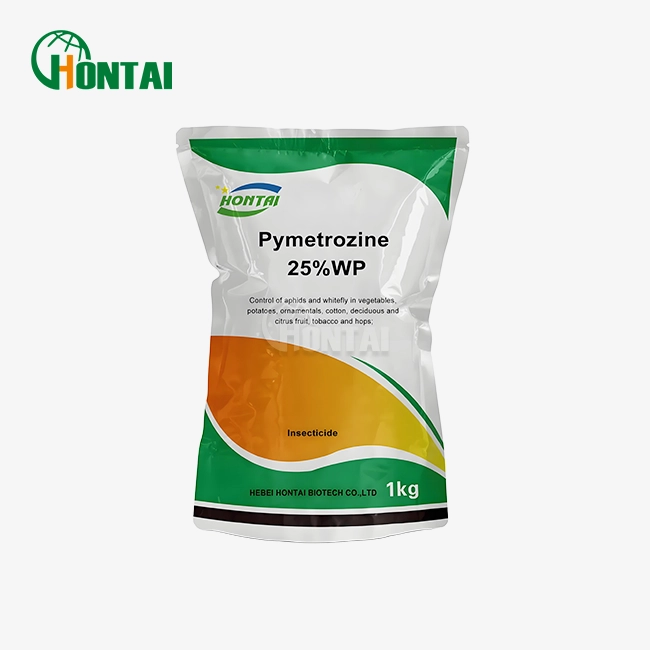
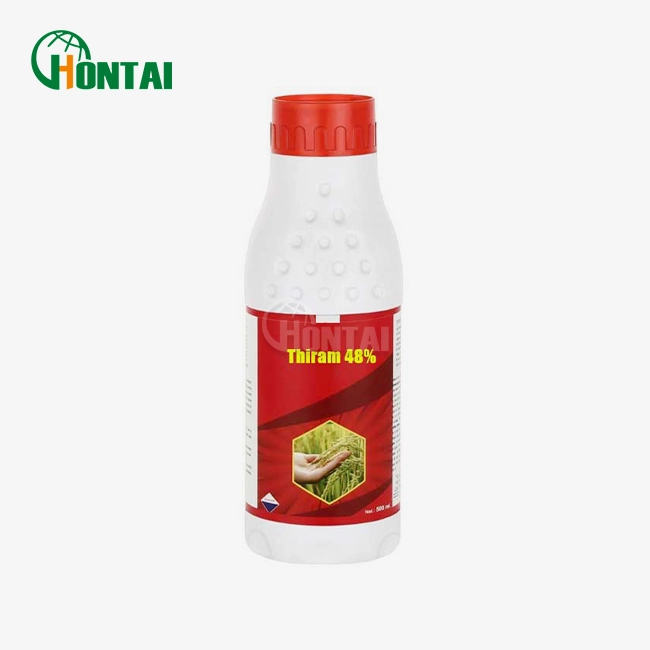
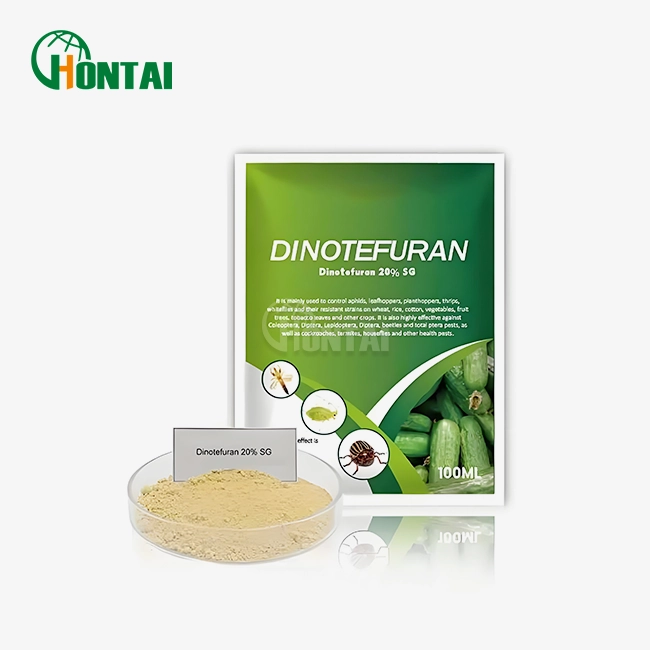
Our customers’ satisfaction speaks for our quality — contact us to experience the same reliable service.