- English
- French
- German
- Portuguese
- Spanish
- Russian
- Japanese
- Korean
- Arabic
- Greek
- German
- Turkish
- Italian
- Danish
- Romanian
- Indonesian
- Czech
- Afrikaans
- Swedish
- Polish
- Basque
- Catalan
- Esperanto
- Hindi
- Lao
- Albanian
- Amharic
- Armenian
- Azerbaijani
- Belarusian
- Bengali
- Bosnian
- Bulgarian
- Cebuano
- Chichewa
- Corsican
- Croatian
- Dutch
- Estonian
- Filipino
- Finnish
- Frisian
- Galician
- Georgian
- Gujarati
- Haitian
- Hausa
- Hawaiian
- Hebrew
- Hmong
- Hungarian
- Icelandic
- Igbo
- Javanese
- Kannada
- Kazakh
- Khmer
- Kurdish
- Kyrgyz
- Latin
- Latvian
- Lithuanian
- Luxembou..
- Macedonian
- Malagasy
- Malay
- Malayalam
- Maltese
- Maori
- Marathi
- Mongolian
- Burmese
- Nepali
- Norwegian
- Pashto
- Persian
- Punjabi
- Serbian
- Sesotho
- Sinhala
- Slovak
- Slovenian
- Somali
- Samoan
- Scots Gaelic
- Shona
- Sindhi
- Sundanese
- Swahili
- Tajik
- Tamil
- Telugu
- Thai
- Ukrainian
- Urdu
- Uzbek
- Vietnamese
- Welsh
- Xhosa
- Yiddish
- Yoruba
- Zulu
How to Use Gibberellic Acid for Seed Germination
share:
To use ga3 gibberellic acid effectively for seed germination, begin with proper concentration preparation. Dissolve GA3 powder in a small amount of ethanol before diluting with water to achieve the recommended concentration, typically 100-500 ppm, depending on crop species. Soak seeds in this solution for 12-24 hours, ensuring complete immersion. This treatment activates enzyme production, particularly alpha-amylase, which breaks down seed reserves and triggers embryonic growth. The result is accelerated dormancy breakage, uniform emergence, and enhanced seedling vigor, critical for commercial agricultural success.

Introduction
In commercial farming, getting consistent seed germination rates has a direct effect on how much money is made and how efficiently the business runs. Gibberellic Acid is a tried-and-true way to deal with dormancy problems and make seedlings more uniform across large-scale operations. People who work in procurement for agribusinesses, distributors, and agriculture service providers know that GA3 is an important tool for making crop setup go as smoothly as possible.
If you know how to use this plant growth regulator correctly, you'll get measurable benefits like lower costs for replanting, shorter production cycles, and better stand quality. This guide talks about the most important safety rules, application methods, and buying options for business-to-business users of bulk farming inputs. Whether you're in charge of hundreds of hectares of land or sell agrochemicals to local markets, knowing how to use GA3 application methods will give you a competitive edge in terms of cost management and yield performance.
Understanding Gibberellic Acid and Its Role in Seed Germination
Gibberellic Acid is a biochemical messenger that turns on certain genes in seed cells to start the sprouting process. When GA3 molecules attach to GID1 receptors in plant cells, they cause DELLA proteins to break down. These proteins usually stop growth reactions. This chain of molecules turns on alpha-amylase and other hydrolytic enzymes that release stored starches, proteins, and fats from the endosperm. This gives the embryo energy to grow.
The Biochemical Mechanism Behind Dormancy Breakage
Many commercial seeds go through physiological dormancy as a way to stay alive. This keeps them from sprouting too soon when conditions aren't right. The GA3 drug stops these signals from working by making cells grow longer along the embryonic axis and loosening the seed coat's grip. As little as 100 parts per million of GA3 has been shown to shorten the time it takes for plants like lettuce, barley, and some types of vegetables to sprout by 30 to 50 percent.
Commercial Benefits for Large-Scale Operations
Agricultural businesses that grow grains, vegetables, and cash crops can see real benefits from using GA3. Coordinated crop growth is possible with uniform germination time, which makes planning watering, managing pests, and harvesting easier. Cereal makers who use wheat and barley seeds that have been treated with GA3 say that the malting quality is better because the enzymes work better. Growers of vegetables get better seedling quality and less time in the nursery, which lowers the cost of making each unit.
The hormone's ability to speed up and even out emergence is especially helpful when working with old seed lots or types that tend to germinate unevenly. This feature makes seeds last longer and waste less, which are both important things for buying managers to think about when they're weighing the costs of inventory against the trustworthiness of planting.
Effective Methods for Using Gibberellic Acid in Seed Germination
To use acid gibberelic correctly, you need to pay attention to the concentration levels, treatment length, and surroundings. The following rules provide models that can be used in common farming situations to get the best results with the least amount of waste.
Seed Soaking Protocols for Different Crop Categories
The most common way to use GA3 to improve bulk germination is still to soak the seeds. There are several important steps in the treatment process that agricultural professionals should always follow. First, figure out how much GA3 you need based on the type of seed you have and the results you want. For most uses, the level should be between 50 and 500 ppm, but for some specialty crops, it may need to be changed.
To make the working solution, dissolve the GA3 powder in a small amount of ethanol or isopropyl alcohol first. This is because the substance doesn't dissolve well in water. Once everything is completely mixed, slowly add distilled or deionized water to this stock solution until you reach the strength you want. Keeping the pH between 5.0 and 6.5 keeps chemicals stable and stops them from breaking down too quickly.
Soak the seeds thoroughly in the solution that has been made. The length of time that the seeds are treated depends on their size and the thickness of their coat. Small-seeded veggies usually need 12 to 18 hours, while bigger seeds like corn or cotton may do better with 24 hours. For consistent absorption rates, keep the solution temperature between 20°C and 25°C during the whole treatment window.
Rinse the seeds well with clean water after soaking them to get rid of any extra GA3 on the surfaces. The best results come from planting right away after treatment, but short drying times of two to four hours can make mechanical spreading easier. If you store treated seeds for a long time, the GA3 activity may decrease quickly.
Foliar Application During Early Growth Stages
Besides treating the seeds, applying foliar GA3 sprays while the seedlings are growing can also help them become established. Apply weak solutions (25–100 ppm) when seedlings have two to four leaves, making sure to cover all of the leaf surfaces evenly. This extra treatment encourages stems to grow longer and leaves to get bigger, which is especially helpful when growing conditions aren't ideal or when plants are moved from a greenhouse to the field.
Environmental Factors Affecting Treatment Efficacy
Temperature, humidity, and light levels all have a big effect on how well GA3 works. The seeds will germinate best when they are put in dirt that is warm (above 15°C) and always has enough water. Conditions that are cold and wet can cancel out the effects of GA3 and make pathogens more active. To keep the active ingredients stable, procurement workers should stress that GA3 goods should be stored in cool, dry places that are out of direct sunlight.
Comparing Gibberellic Acid with Other Plant Growth Regulators
Plant growth regulators are made up of different types of chemicals, and each one has its own physiological effects. Knowing these differences helps procurement teams choose the right goods for each output goal. Gibberellic Acid remains a specialized choice for initial crop establishment.
GA3 Versus Auxin-Based Products
In established plants, auxins mostly help roots grow, and cells get longer. On the other hand, GA3 breaks the dormancy of seeds and helps shoots get longer during sprouting. When it comes to vegetative growth and fruit set, auxins are more useful, while GA3 is better at making sure that seeds germinate evenly. Some commercial products use both types of hormones together to get better results at different stages of growth.
Cytokinin Applications in Germination Enhancement
Cytokinins help cells divide and slow down senescence, but they don't have much of an effect on breaking dormancy directly. Instead of treating seeds, commercial agriculture usually uses cytokinins to help shoots grow in tissue culture and keep the quality of crops after they've been harvested. Because it works specifically on biochemical processes related to dormancy, GA3 is still the best choice for germination uses.
Integrated Hormone Management Strategies
During crop cycles, more and more advanced farming operations use integrated methods that combine multiple growth regulators. GA3 treatment at emergence builds strong stands, and then tailored auxin and cytokinin treatments during the vegetative and reproductive stages. This sequential strategy makes the best use of resources and maximizes yield. Distributors with complete PGR portfolios offer clients valuable technical advice that helps them effectively apply these complex management practices.
Procurement Considerations for Gibberellic Acid in Bulk
When looking for acid gibberelic goods for business use, you need to carefully consider quality standards, source dependability, and shipping options. Costs must be weighed against performance stability and legal compliance by people who work in procurement.
Quality Standards and Product Specifications
Technical-grade GA3 usually has a 90% active ingredient concentration, which is the standard in the industry for agricultural uses. Check analytical certificates that say the levels of purity are correct and that there are no major impurities that could lower biological activity. Some suppliers make specially made goods, like liquid powders or tablets that have surfactants and buffering agents in them to make field preparation easier and make the solution more stable.
Real GA3 has the molecular formula C19H22O6. The combination is a solid powder that is white to pale yellow in color. Its melting point is usually between 223-225°C. Standardized production methods and strict quality control routines make sure that the quality of products from well-known manufacturers in places like Hebei, China, is always the same.
Supplier Evaluation Criteria for Long-Term Partnerships
Reliable sellers stand out by showing clear proof of paperwork, such as manufacturing licenses, records of quality system compliance, and environmental safety records. Check to see if the supplier has enough capacity to meet the seasonal demand spikes that happen in agricultural markets. Delays in shipments during key planting times can cause major problems with operations.
Different suppliers have very different minimum order amounts. For specialty distributors, it's 25 kilograms at a time, while for large agricultural businesses, it's metric tons. By negotiating flexible order terms, you can keep unit prices low while still meeting changing yearly needs. Customers who buy from well-known companies often get expert support to help them make the best use of application methods for their crops and environments.
Storage and Handling Requirements
GA3's stability is very much affected by how it is stored. The solid powder stays effective for 24 to 36 months if kept below 25°C in containers that don't let water in or out and are kept out of direct sunlight. Once GA3 is mixed with water, it breaks down within 24 to 48 hours, so it needs to be prepared again before each use. Specifications for buying things should stress how well the package is put together and make sure that the moisture shields stay in place during shipping and storage.
Logistics considerations include temperature-controlled shipping during summer months for regions experiencing extreme heat. Plan transport times around growing times to keep storage times to a minimum and product quality high. By building up smart inventory stocks during off-peak times, you can take advantage of lower prices and make sure that you have access when production needs it right away.
Potential Side Effects and Best Practices to Maximize Safety and Efficiency
Even though Gibberellic Acid has a generally good safety profile, using it incorrectly can have bad effects that hurt plant growth and economic returns. Agricultural experts can take preventative steps and deal with bad signs in the right way when they know about possible risks.
Recognizing and Preventing Phytotoxicity
Too much GA3 can make stems grow in an abnormal way, which makes seedlings weak and easily damaged by lodging and mechanical stress. Plants that have been overdosed have pale green leaves, slower root growth, and later sexual maturity. If cereal crops are handled with amounts higher than 500 ppm, their yields may drop a lot, even though their leaves may grow faster.
To avoid phytotoxicity, it is important to strictly follow the dose rates that are recommended for each type of food. When working with new types or using GA3 in new environments, you should do small-scale tests first. Gradually raise concentrations only after making sure the plant can handle them at low levels.
Environmental and Regulatory Compliance
GA3 is not harmful to mammals and poses a low risk to human health when used in accordance with standard procedures for handling farm chemicals. Personal protective equipment like gloves and eye protection should be worn by applicators while mixing and spraying. Set pre-harvest times based on the rules in your area; for most crops, this is usually between 7 and 14 days.
Getting rid of unused solutions and container rinsate in the right way keeps the environment clean. It is best not to use GA3 right before it rains a lot, because it could get into public water systems. Even though GA3 breaks down quickly in water and soil due to microbes, good preservation practices keep the public's trust and make sure the product stays available.
Operational Best Practices for Consistent Results
Regularly calibrate application equipment to make sure of accurate dosing and even coverage. To keep plant growth regulators from getting mixed up with herbicides or other crop protection chemicals, use mixing containers and sprayers that are only for them. To build institutional knowledge and improve processes over successive growing seasons, keep thorough records of each application, including the concentration, time, weather conditions, and how the plants responded.
The quality of the water has a big effect on how stable and useful GA3 is. Water sources with a pH above 7.0 quickly break down the active ingredient by hydrolyzing it. Before dissolving GA3 products, check the pH of the watering water and use the right buffering agents to bring it back to an acidic or neutral range. Minerals in hard water can also mess up the way hormones work, which is another reason to use deionized or distilled water instead of tap water in serious situations.
Conclusion
GA3 gibberellic acid is a powerful tool for farmers who want to improve the results of seed sprouting in a wide range of crop systems. Paying attention to quality standards, following the right application methods, and making smart purchases can give your business a lot of benefits, such as better stand setup, lower production costs, and more uniform crops. It's helpful for business-to-business buyers who work with large-scale farming operations, transportation networks, and agriculture service providers to understand both the biological processes and practical issues that affect GA3 use. When commercial farmers invest in reliable GA3 products and technical know-how, they get measurable returns in the form of higher crop yields and more efficient operations.
FAQ
1. What concentration of Gibberellic Acid should I use for vegetable seeds?
Most types of vegetables grow best when Gibberellic Acid concentrations are between 100 and 300 ppm, and seeds are soaked for 12 to 18 hours. The lower end of this range is best for lettuce, celery, and pepper seeds. On the other hand, veggies with bigger seeds, like beans, may need amounts closer to 300–400 ppm. Always do preliminary tests with varieties you aren't familiar with to find out what the crop needs.
2. Can Gibberellic Acid be tank-mixed with fungicides or fertilizers?
pH compatibility is the only thing that affects tank mixing. GA3 breaks down quickly in alkaline conditions, so don't mix it with things like lime-based fungicides or some fertilizer mixes that raise the pH above 7.0. Do tests in jars before mixing on a large scale, and keep the pH range between acidic and neutral to keep the solution stable. You should never mix GA3 with lime sulfur or Bordeaux blend.
3. How long do treated seeds remain viable after GA3 application?
For best sprouting results, plant seeds that have been treated within 24 to 48 hours of putting them in GA3. The hormone starts metabolic processes that can't be stopped by drying. Long-term storage of treated seeds makes them less viable and more likely to get pathogens because the seed coat isn't as strong as it used to be.
4. What symptoms indicate GA3 overdose in emerging seedlings?
Too much GA3 causes stems to grow abnormally long and weak, with pale leaves and poor root growth. Affected plants are more likely to get lodged and suffer from weather stress. If fruit plants are overdosed during the reproductive stages, flowers may fall off early or fruit set may be lessened. If symptoms show up, lower the application rates right away and give affected plants extra help.
Partner with Hontai for Premium Gibberellic Acid Solutions
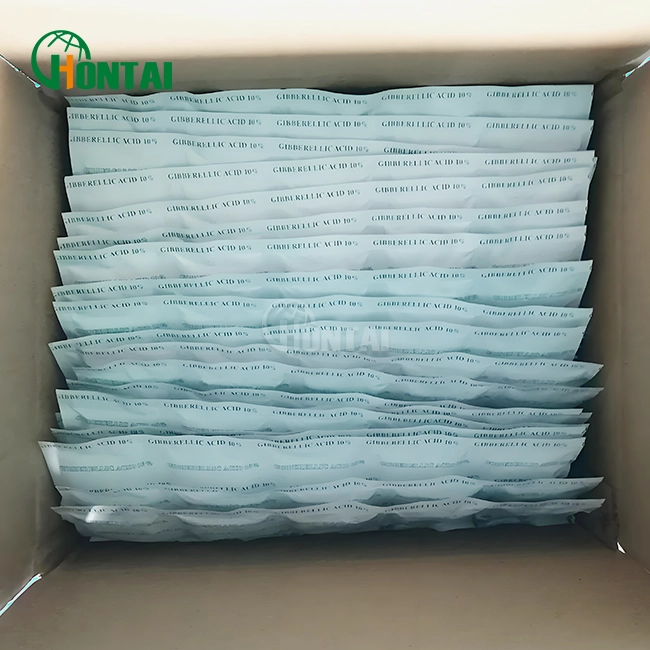
Hebei Hontai Biotech Co., Ltd. offers consistent, high-purity ga3 gibberellic acid products that are made for commercial farming operations that need reliable germination performance. Our 90% technical-grade GA3 powder meets strict quality standards and has the right amount of active ingredient for crops to respond predictably in a wide range of production settings. As a well-known Gibberellic Acid producer in Hebei, we can make changes to the label design, the way the products are packaged, and the formula to meet the needs of your unique market.
In addition to high-quality products, our skilled team offers full technical help during the whole process of buying and applying them. We understand the seasonal pressure that farming businesses face and keep up with planning to make sure that your planting plans around the world are met on time. Partnering with Hontai guarantees a steady supply, low prices, and expert advice that are necessary for business success, whether you run big farms, distribute agrochemicals in the area, or offer crop management services. Email us at admin@hontai-biotech.com to talk about your Gibberellic Acid needs and to get product samples or price quotes for large orders.
References
1. Davies, P.J. (2010). Plant Hormones: Biosynthesis, Signal Transduction, Action. Third Edition. Springer Publishing, Dordrecht, Netherlands.
2. Finkelstein, R., Reeves, W., Ariizumi, T., and Steber, C. (2008). Molecular Aspects of Seed Dormancy. Annual Review of Plant Biology, Volume 59, Pages 387-415.
3. Hedden, P. and Thomas, S.G. (2012). Gibberellin Biosynthesis and Its Regulation. Biochemical Journal, Volume 444, Issue 1, Pages 11-25.
4. Jacobsen, J.V., Pearce, D.W., Poole, A.T., Pharis, R.P., and Mander, L.N. (2002). Gibberellin Action in Germinated Cereal Grains. Recent Developments in Plant Hormone Research, Volume 49, Pages 217-242.
5. Kucera, B., Cohn, M.A., and Leubner-Metzger, G. (2005). Plant Hormone Interactions During Seed Dormancy Release and Germination. Seed Science Research, Volume 15, Pages 281-307.
6. Yamaguchi, S. (2008). Gibberellin Metabolism and Its Regulation. Annual Review of Plant Biology, Volume 59, Pages 225-251.
Our customers’ satisfaction speaks for our quality — contact us to experience the same reliable service.