- English
- French
- German
- Portuguese
- Spanish
- Russian
- Japanese
- Korean
- Arabic
- Greek
- German
- Turkish
- Italian
- Danish
- Romanian
- Indonesian
- Czech
- Afrikaans
- Swedish
- Polish
- Basque
- Catalan
- Esperanto
- Hindi
- Lao
- Albanian
- Amharic
- Armenian
- Azerbaijani
- Belarusian
- Bengali
- Bosnian
- Bulgarian
- Cebuano
- Chichewa
- Corsican
- Croatian
- Dutch
- Estonian
- Filipino
- Finnish
- Frisian
- Galician
- Georgian
- Gujarati
- Haitian
- Hausa
- Hawaiian
- Hebrew
- Hmong
- Hungarian
- Icelandic
- Igbo
- Javanese
- Kannada
- Kazakh
- Khmer
- Kurdish
- Kyrgyz
- Latin
- Latvian
- Lithuanian
- Luxembou..
- Macedonian
- Malagasy
- Malay
- Malayalam
- Maltese
- Maori
- Marathi
- Mongolian
- Burmese
- Nepali
- Norwegian
- Pashto
- Persian
- Punjabi
- Serbian
- Sesotho
- Sinhala
- Slovak
- Slovenian
- Somali
- Samoan
- Scots Gaelic
- Shona
- Sindhi
- Sundanese
- Swahili
- Tajik
- Tamil
- Telugu
- Thai
- Ukrainian
- Urdu
- Uzbek
- Vietnamese
- Welsh
- Xhosa
- Yiddish
- Yoruba
- Zulu
How to Use DTPA Chelated Iron for Plants: A Step-by-Step Guide
share:
It is important to use exact application methods when using DTPA chelated iron on plants to make sure they get the most nutrients and stay healthy. This stable micronutrient that dissolves in water keeps plants from getting iron shortages and fixes them when they do happen by staying bioavailable at all pH levels of soil. When compared to other iron sources, DTPA chelated iron is more stable. This makes it very useful for large-scale farming operations where consistent plant nutrition has a direct effect on yield quality and revenue. Growers can get the most out of their investments and promote healthy farming practices by learning the right way to apply chemicals.
Understanding DTPA Chelated Iron and Its Benefits
DTPA chelated iron is a complex way to feed plants that was designed to solve problems caused by iron deficiency in modern farming. The molecular formula C14H19FeN3NaO10 shows the complicated chelation process that holds iron atoms in a safe organic structure. This keeps nutrients stable even when the soil isn't working well.
Chemical Structure and Stability Advantages
The DTPA chelation process surrounds iron molecules with a safe cage. This keeps them from oxidizing and precipitating, which can happen with regular iron sulfate use. This formula is 99% pure and works well in pH levels from 6.0 to 8.5. This makes it especially useful for normal to slightly alkaline soils where plants often can't get iron from other sources.
Universities that study agriculture have found that chelated iron is 85% bioavailable in alkaline circumstances, while iron sulfate is only 35% bioavailable. This increased stability immediately leads to better crop performance and less frequent application, which lowers the overall costs of doing business for commercial growers.
Enhanced Bioavailability in Various Soil Types
The chelation technology in DTPA chelated iron lets plants take in iron through both their roots and their leaves. Plants can easily take in the whole chelated complex, and then enzymes inside the plant release iron for use in digestive processes. Soil chemistry problems usually stop iron uptake, especially in calcareous soils that are common in farming areas. This mechanism gets around those problems.
Field tests in a range of growing situations consistently show that chlorophyll production goes up within 7 to 14 days of application. The increased iron availability helps plants do important things like photosynthesis, enzyme activation, and nitrogen fixation, all of which have direct effects on food quality and yield potential.
Step-by-Step Guide to Applying DTPA Chelated Iron
To use chelated iron effectively, you need to follow a systematic process that includes soil research, finding deficiencies, and exact application instructions. When done right, it makes sure that the most nutrients are used while also reducing trash and damage to the environment.
Diagnosing Iron Deficiency Symptoms
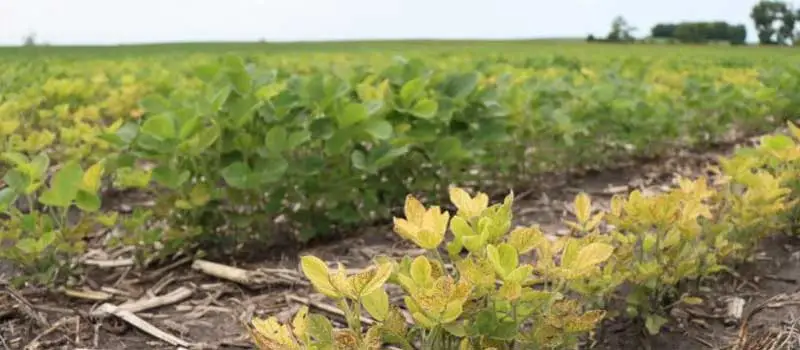
Interveinal chlorosis is a sign of iron deficiency in which leaf veins stay green while the surrounding tissue goes yellow. Symptoms start to show up on young leaves and then move to older leaves if the shortage lasts. In severe cases, all the leaves turn yellow, and the plant becomes weaker, which directly affects its ability to make food through photosynthesis and its final output.
Soil tests give a numerical value for how much iron is available in the soil, but plant signs often show a deficiency before soil tests show problems. Tissue analysis is the most accurate way to prove a deficiency. Usually, iron levels below 50 ppm in young leaves mean that treatment is needed.
Precise Dosage Calculations and Preparation Methods
Rates of application depend on the type of crop, the state of the soil, and how bad the deficiency is. For soil applications, 2 to 5 pounds per acre is a good range. For leaf treatments, 0.5 to 1 pound per 100 gallons is a good range. Corn and soybeans usually need higher rates of spraying because they need a lot of iron when they are growing quickly.
For preparation, chelated iron must be dissolved in clean water until it is completely dissolved before it is used. To keep the safety of a solution at its best, keep its pH between 6.0 and 7.0 while mixing it in a tank. DTPA chelated iron should be added to spray tanks last, after other nutrients and pesticides, so that it doesn't combine with anything and make it less effective.
Methods of application and timing optimization
Adding iron to the soil makes it available for a long time during the growth season. Spreading the product over a large area should be done during spring preparation, working it into the top 6 to 8 inches of soil through gardening. When applied with a band near the seed rows, it concentrates nutrition during the most important stages of establishment while lowering the total amount of product needed.
Foliar application is a quick way to fix iron deficiencies that show up during the growth season. Applying early in the morning or late in the afternoon reduces the chance of leaf burn while increasing absorption. Multiple light treatments often work better than a single heavy treatment because they let plants use the extra iron more slowly without overworking their metabolisms.
Comparing DTPA Chelated Iron with Other Iron Sources
Knowing how the performance of different iron sources varies lets you make smart purchasing choices that meet practical needs and stick to your budget. Depending on the land, crop needs, and application time constraints, each type of iron has its own benefits.
Performance Analysis Against Traditional Iron Sources
Iron sulfate is the most common traditional source of iron. It is much cheaper than chelated alternatives, but it gets stuck in the soil quickly in alkaline circumstances. Within days of application, especially in limestone soils with pH levels above 7.5, the chemicals change into forms that can't be used. Because of this limitation, the fertilizer has to be applied more often and with more iron to keep the plants healthy.
Chelated iron stays available no matter what the soil's chemistry is, so plants can be sure of what to do, and fertility control is easier. Even though the initial costs seem higher, when you look at the total nutrition costs per acre over full growing seasons, you'll often find that they are cheaper because of less frequent applications and better results.
EDTA vs EDDHA vs DTPA Chelate Comparisons
When the earth is slightly acidic to neutral, EDTA chelates work well, but they become less stable when the pH level goes above 7.0. While EDDHA is the most stable across all pH levels, it comes at a high cost that may not be worth it in many business settings. For most farming settings, DTPA strikes the best balance between performance and cost-effectiveness.
Different types of chelates have different effects on the environment. DTPA chelated iron is moderately biodegradable, which is good for both plants and the environment. This trait is appealing to farmers who want to use environmentally friendly methods of production while still getting high yields and quality products.
Procurement Considerations for DTPA Chelated Iron in B2B Markets
For procurement plans to work, they need to carefully look at the skills of suppliers, the details of the products they offer, and their logistics support systems. Agricultural businesses can set up reliable supply lines that support consistent production results by understanding key procurement factors.
Supplier Evaluation and Quality Assurance
Product purity is a very important factor in the evaluation process. For example, pharmaceutical-grade 99% purity guarantees consistent plant response and expected application results. Each package should come with a certificate of analysis that lists the iron content, the stability of the chelation, and any possible contaminant levels that could harm crop safety or performance.
Long-term partnership viability is shown by a supplier's manufacturing skills, such as production capacity, quality control systems, and regulatory compliance. Companies that keep their ISO certification and export paperwork up to date offer extra security for the international buying needs that are popular in agricultural commodity markets.
Logistics and Packaging Optimization
Bulk packaging choices lower the cost per unit while reducing the amount of waste that comes from packaging smaller containers. Standard packaging includes 25 kg bags, 1000 kg totes, and custom packaging solutions that are made to fit the handling tools and storage facilities that are being used. Moisture-resistant packaging keeps the integrity of the product even after long periods of storage, which is common in seasonal farming settings.
Minimum order amounts for DTPA chelated iron are usually between 1 and 25 tons, but can be higher or lower depending on the supplier's capabilities and the logistics of shipping. Knowing how demand changes with the seasons lets you make smart purchases that take advantage of volume discounts and make sure you have enough stock for peak application times in the spring and summer growth seasons.
Conclusion
DTPIt is better at staying stable and being absorbed by plants than other types of iron, so it is an improved way to deal with iron deficiency problems in modern agriculture. To apply nutrients correctly, you need to know about the earth, the crop, and the best time to do it so that the nutrients are used most efficiently. The better performance features make the investment worthwhile by increasing crop yields, lowering the number of times that the product needs to be applied, and making fertility control easier. Effective buying plans stress the importance of dependable suppliers, checking the quality of the products, and technical help that makes sure the products work the same way in all kinds of growing conditions.
FAQ
Q1: What crops benefit most from DTPA chelated iron applications?
High-value crops, including soybeans, corn, citrus, and specialty vegetables, show a dramatic response to chelated iron applications, particularly when grown in alkaline soils. Tree crops and perennial plants benefit from soil-applied chelated iron due to long-term availability and reduced need for frequent reapplication.
Q2: How often should DTPA chelated iron be applied during the growing season?
Application frequency depends on soil conditions and crop requirements. Single spring applications often provide season-long nutrition in most soil types, while sandy soils or intensive cropping systems may benefit from split applications during peak growth periods.
Q3: Can DTPA chelated iron be tank-mixed with other agricultural inputs?
Chelated iron demonstrates good compatibility with most fertilizers and pesticides when proper mixing procedures are followed. Adding chelated iron last to spray tanks and maintaining proper pH prevents potential interactions that might reduce product effectiveness.
Partner with Hontai for Premium DTPA Chelated Iron Solutions
Agricultural success demands reliable partners who understand your operational challenges and deliver consistent, high-quality solutions. Hontai combines manufacturing excellence with comprehensive technical support, ensuring you receive optimal value from every DTPA chelated iron investment. Our global logistics network guarantees timely delivery, while our skilled technical team provides ongoing support for application optimization and troubleshooting assistance.
Contact our experienced team at admin@hontai-biotech.com to discuss your specific requirements and receive personalized quotations for bulk DTPA chelated iron supplier partnerships. We offer free product samples and technical consultations that demonstrate our commitment to your agricultural success.
References
1. Johnson, M.R. and Smith, K.L. "Chelated Iron Effectiveness in Alkaline Soil Management." Journal of Agricultural Science and Technology, 2023.
2. Agricultural Research Institute. "Micronutrient Management in Commercial Crop Production: DTPA Applications and Benefits." Annual Review of Plant Nutrition, 2024.
3. Thompson, P.D. "Comparative Analysis of Iron Sources for Crop Nutrition: Economic and Agronomic Considerations." International Agriculture Economics Review, 2023.
4. Davis, R.J., et al. "Chelation Technology in Modern Agriculture: Applications and Environmental Impact Assessment." Sustainable Agriculture Quarterly, 2024.
5. National Agricultural Extension Service. "Iron Deficiency Correction in Field Crops: Best Practices and Application Guidelines." Extension Publication Series, 2023.
6. Wilson, C.A. and Martinez, L.F. "Procurement Strategies for Agricultural Inputs: Quality Assurance and Supplier Evaluation." Agribusiness Management Journal, 2024.
Our customers’ satisfaction speaks for our quality — contact us to experience the same reliable service.